Core Product Line · 23 Models
OEM 3D Printed Bicycle Saddles
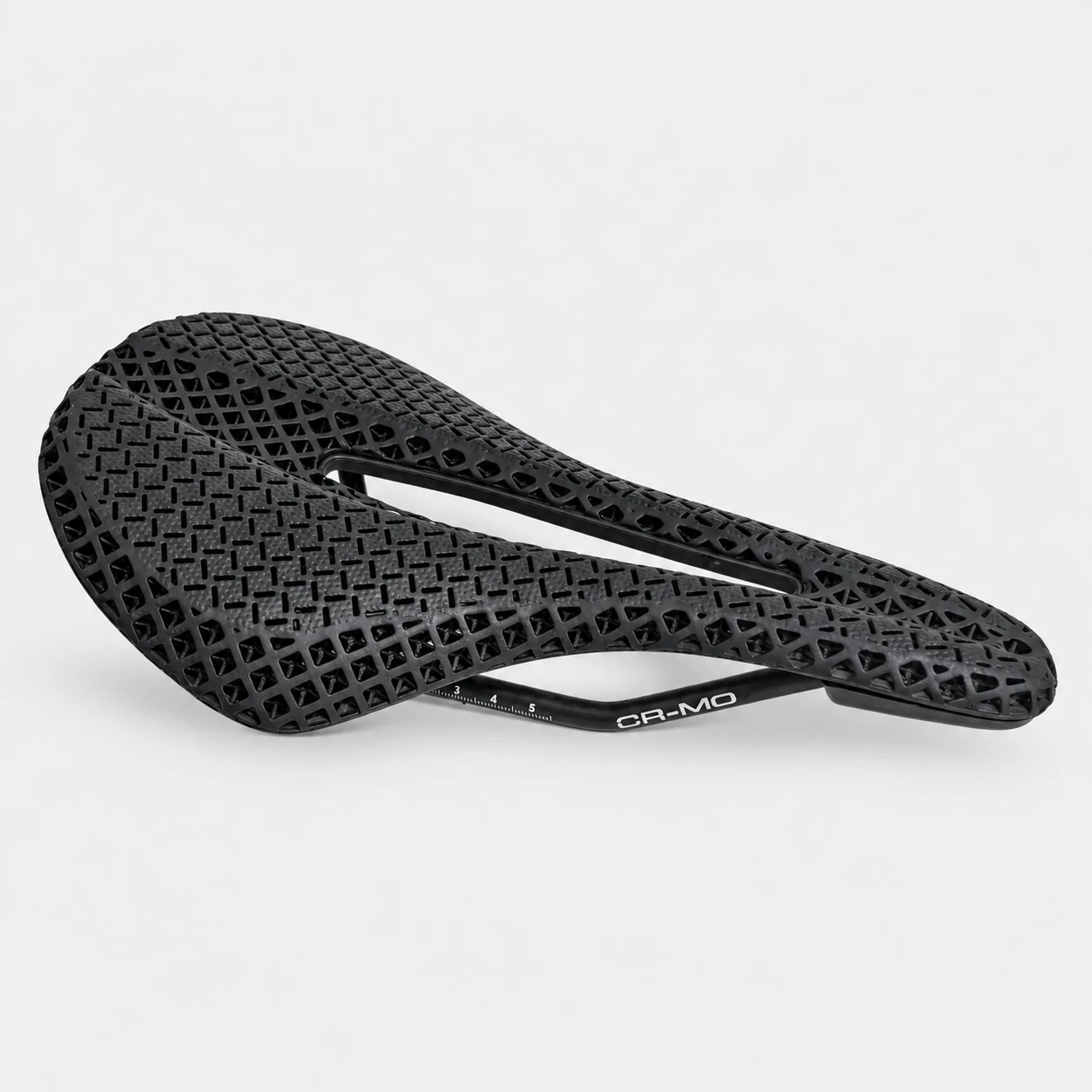
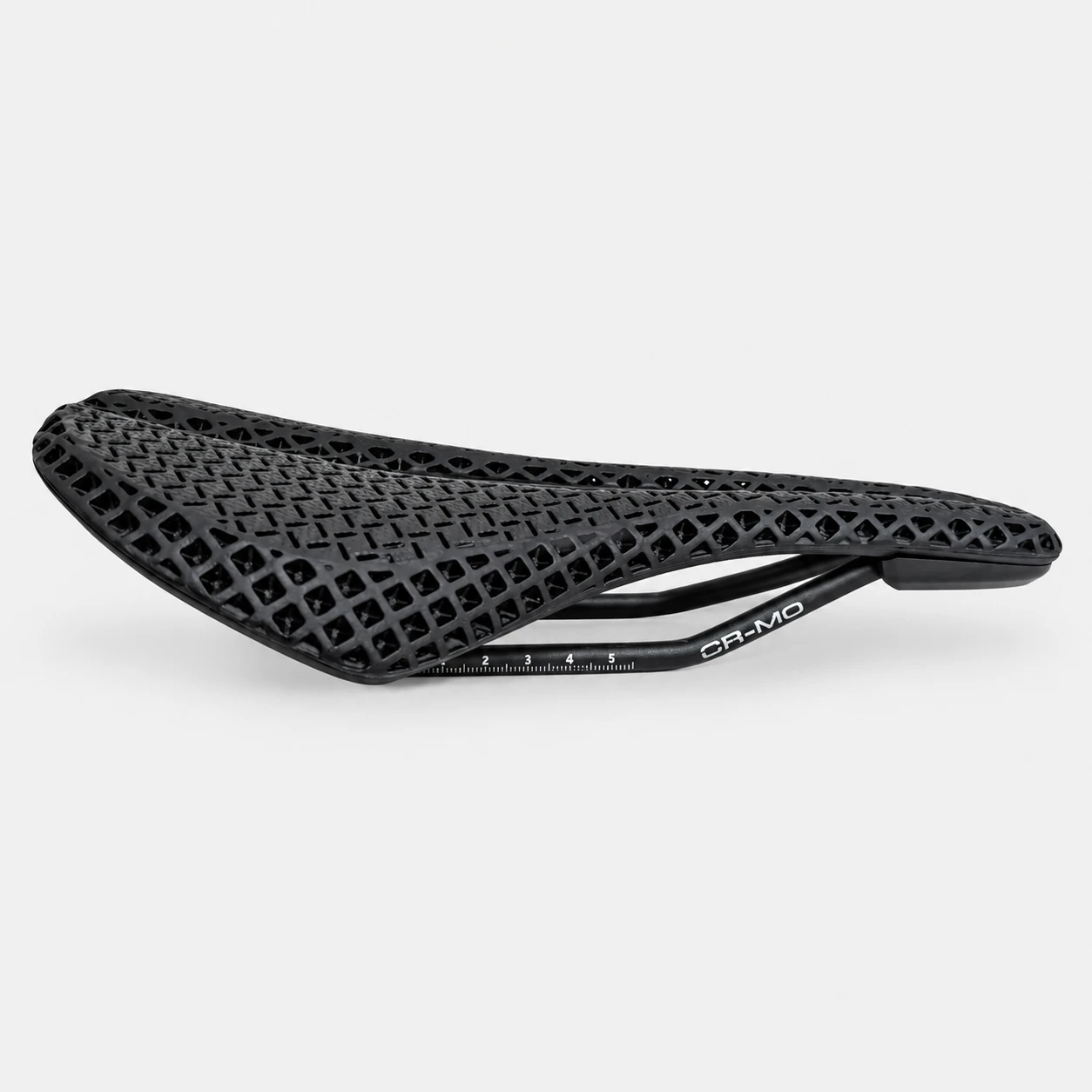
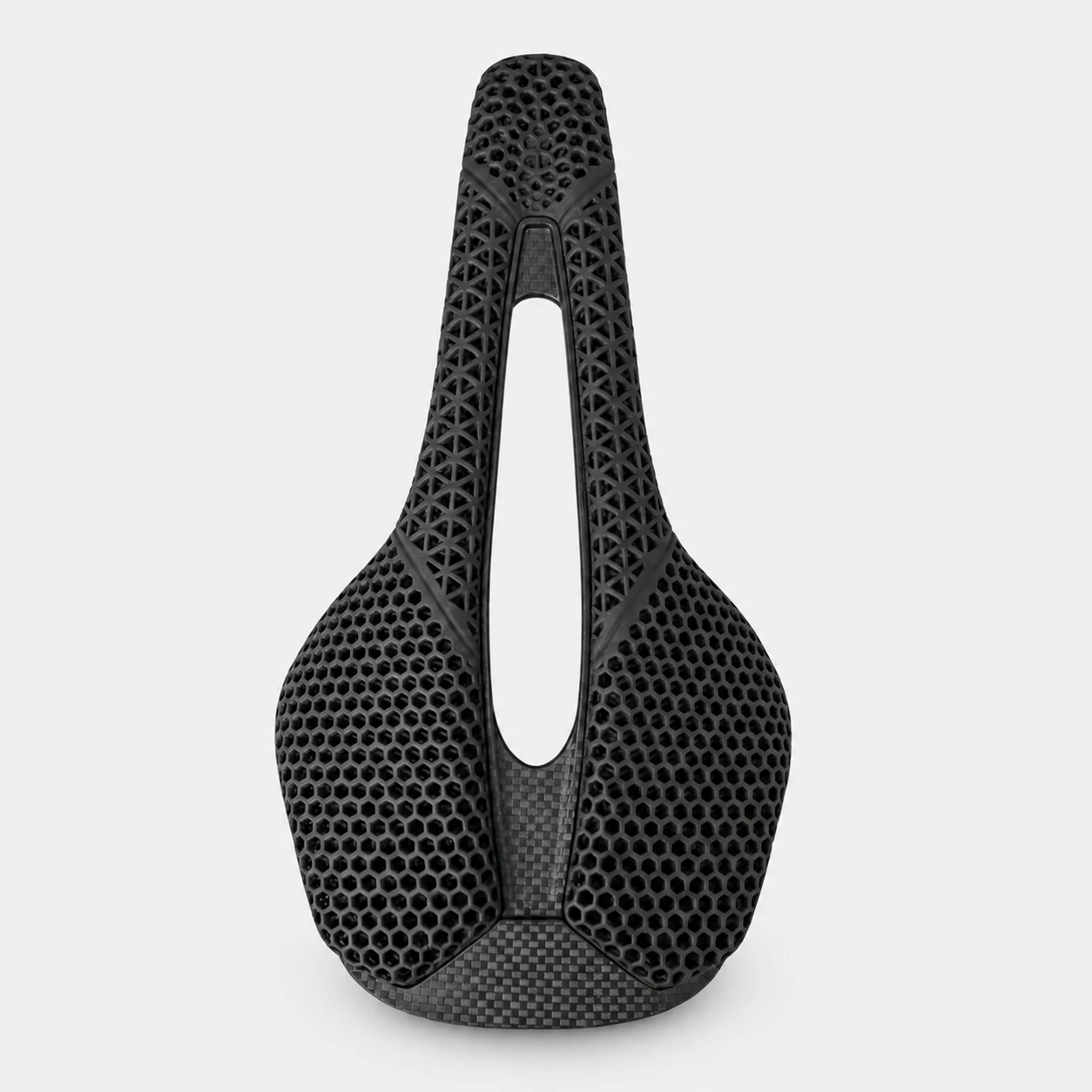
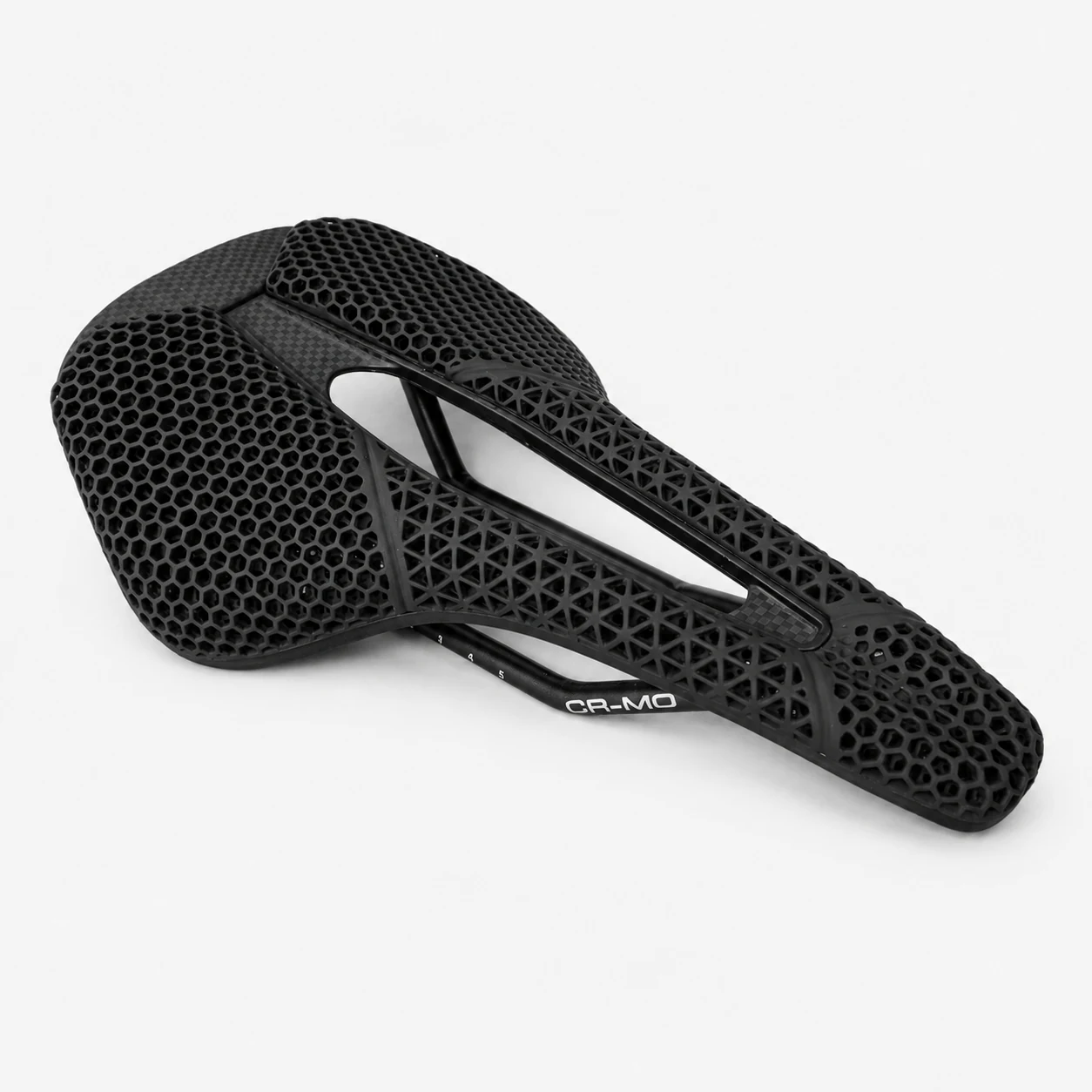
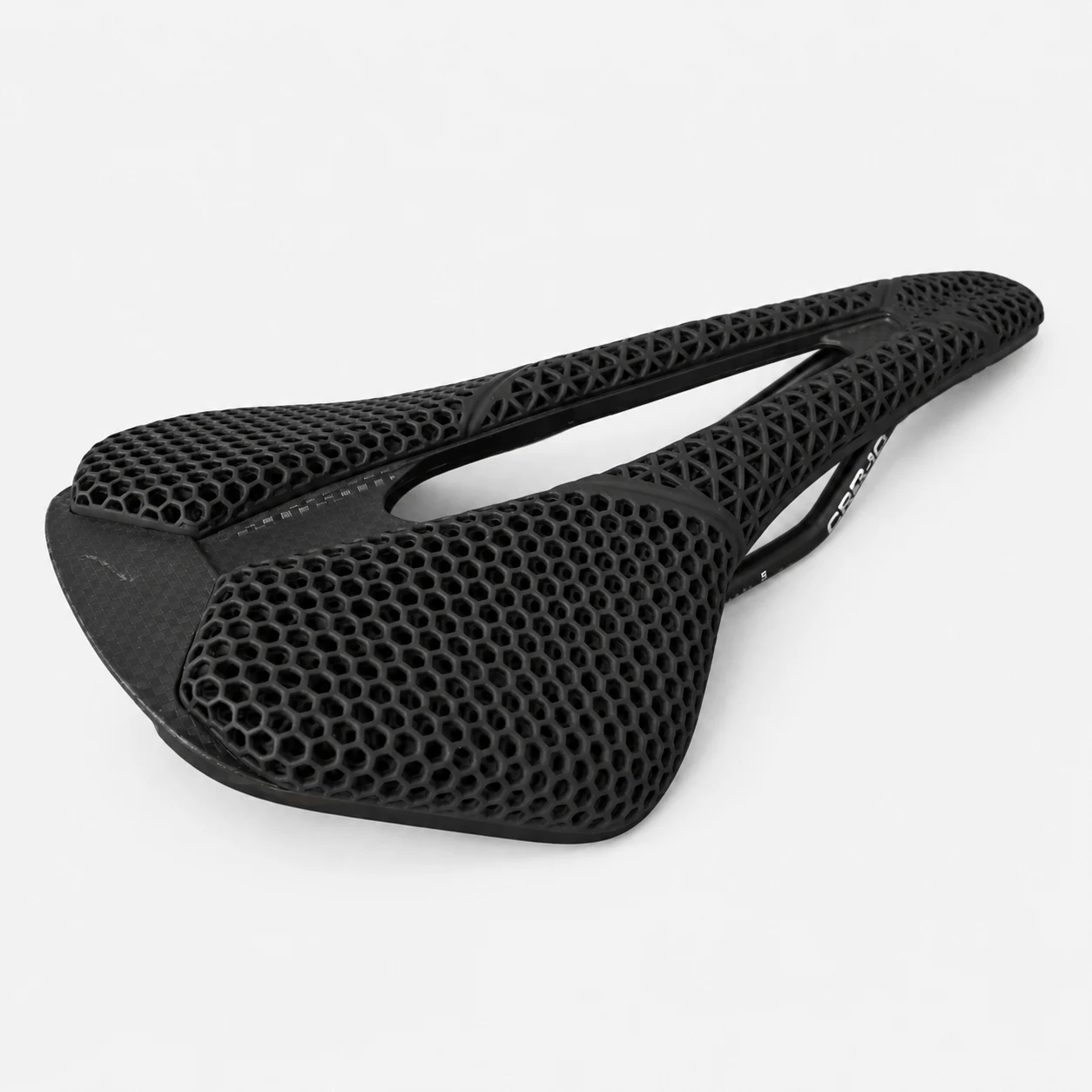
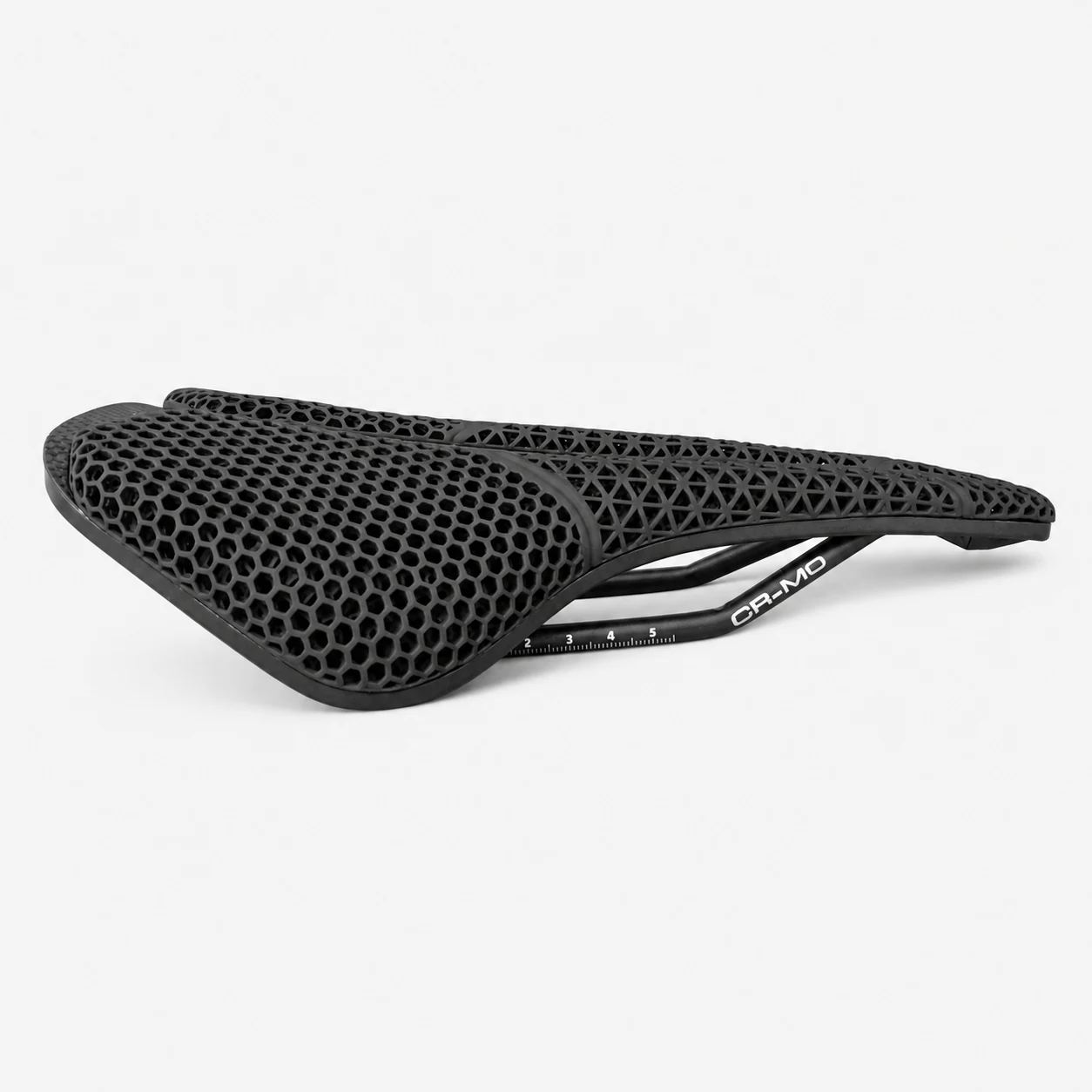
SPROKETO is a 3D printed bicycle saddle manufacturer supplying selectable saddle platforms to bicycle brands, OEM programs, and private-label programs. The models below cover road, gravel, endurance, comfort, and e-bike product lines, and each platform can be taken through model selection, sampling, customization, branding, and bulk production with one supplier.
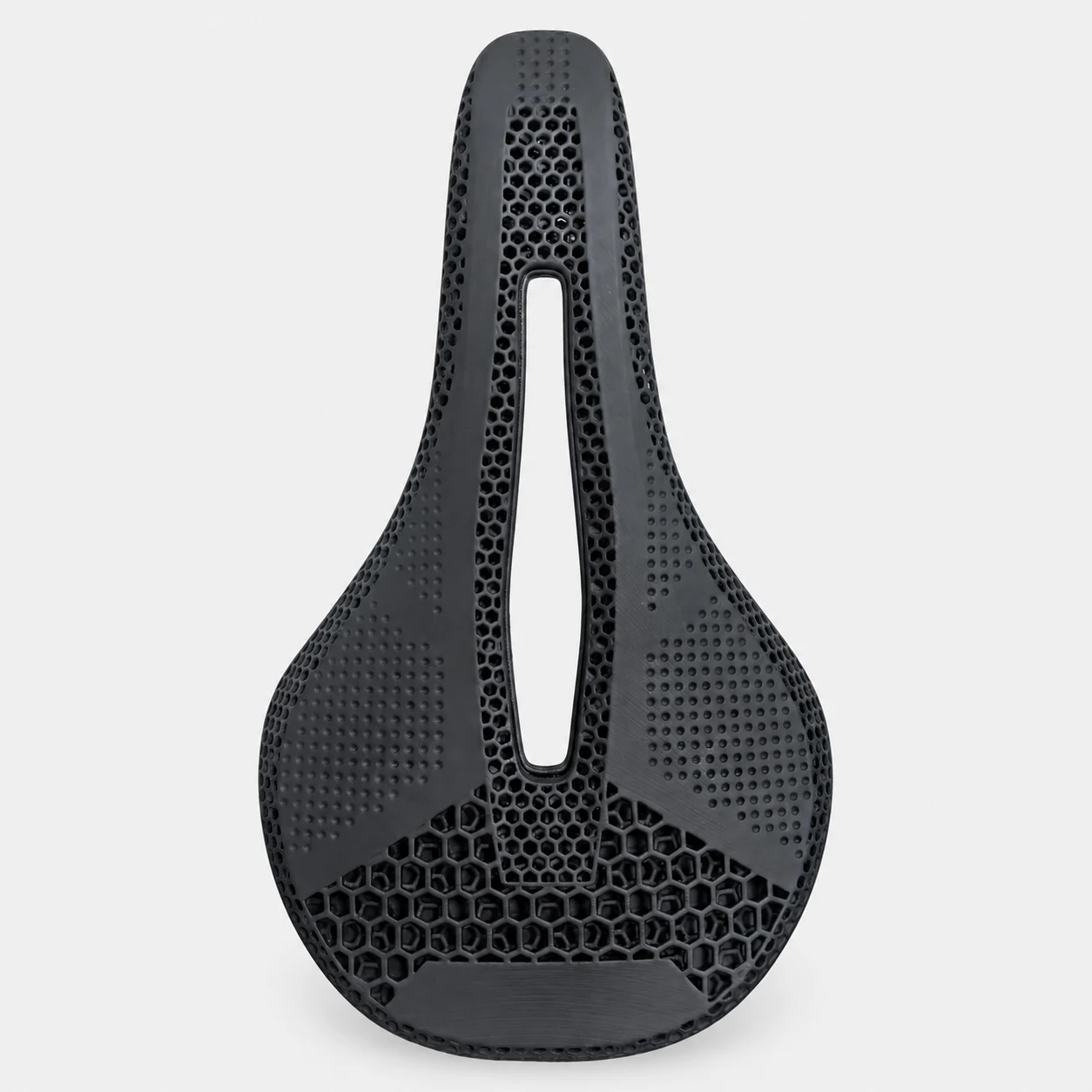
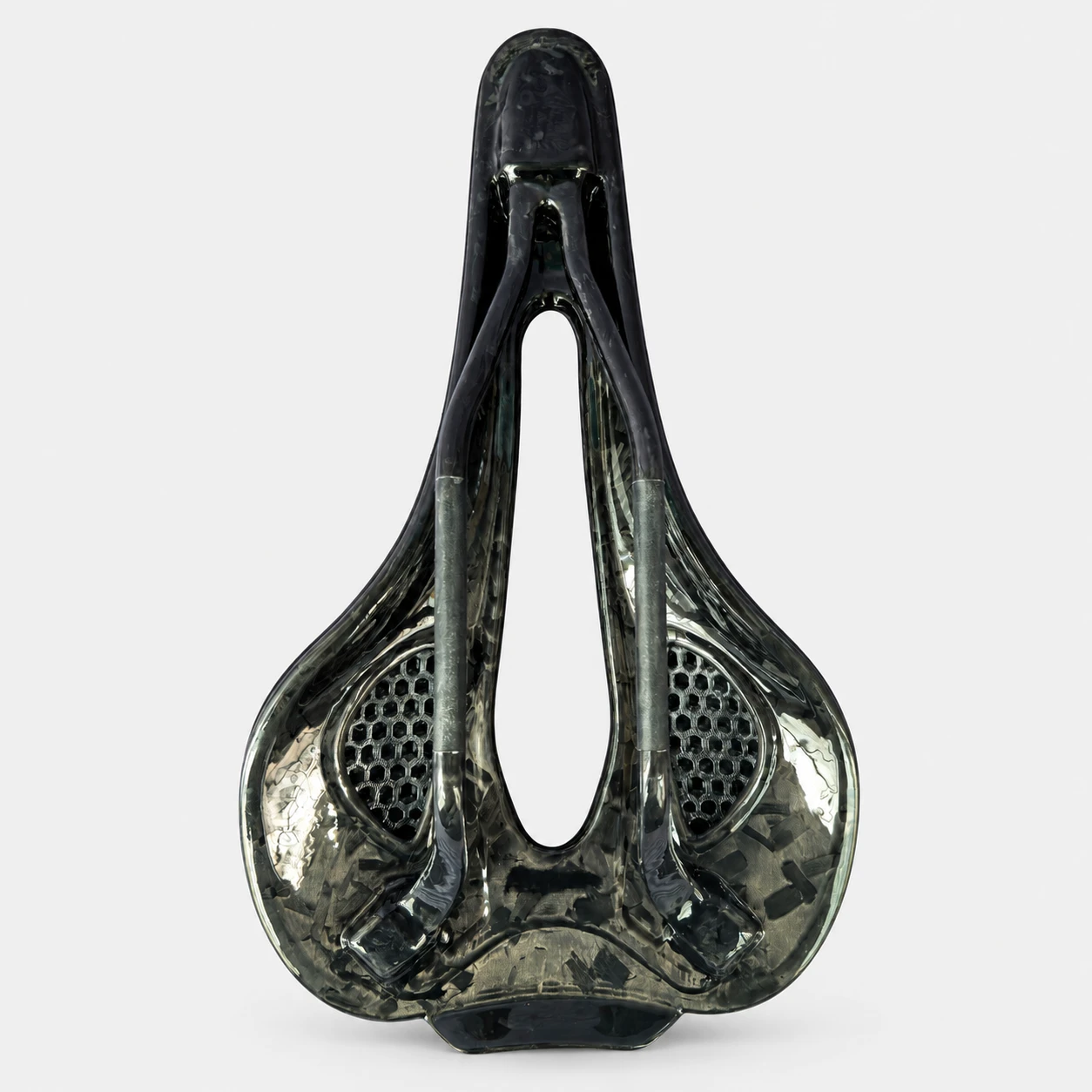
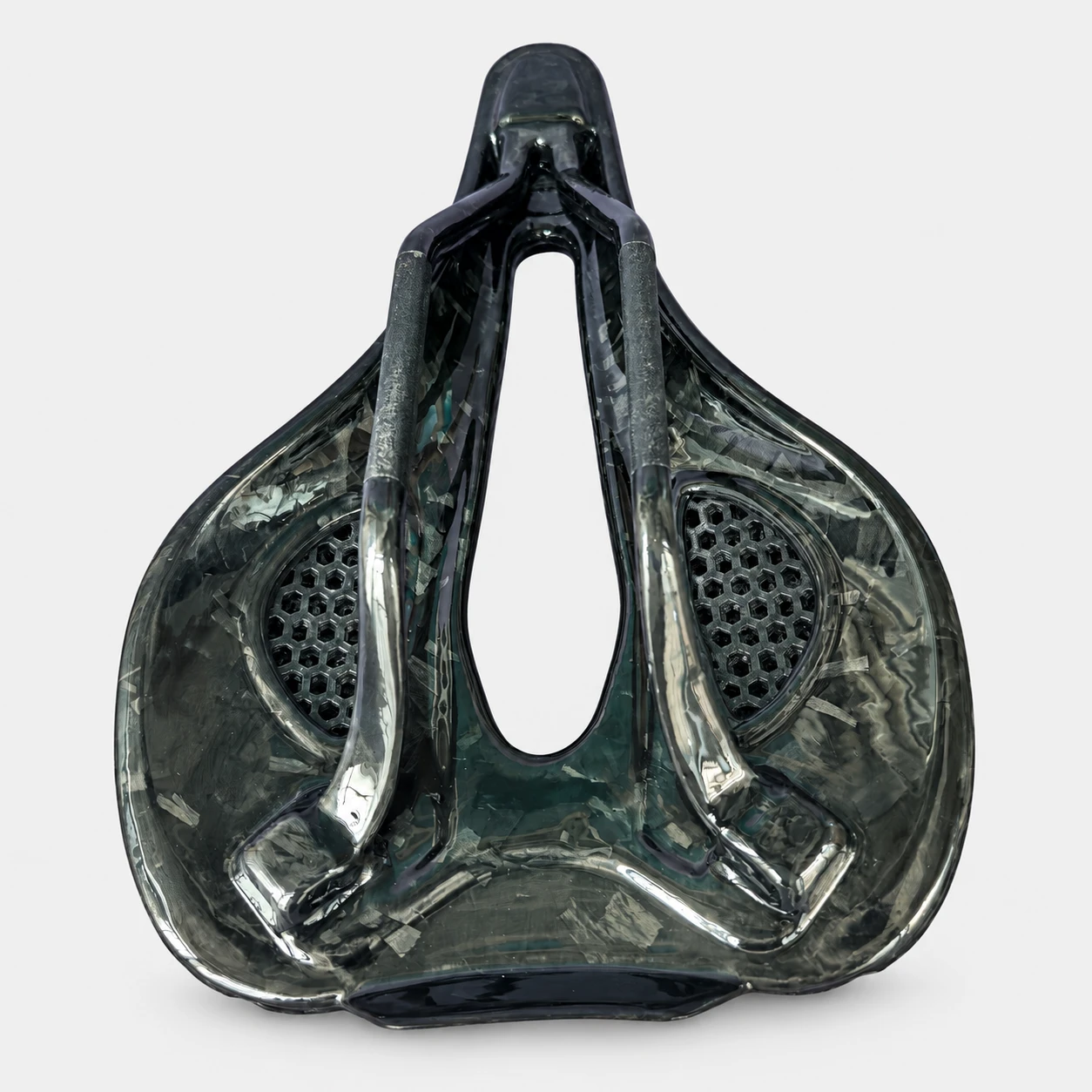
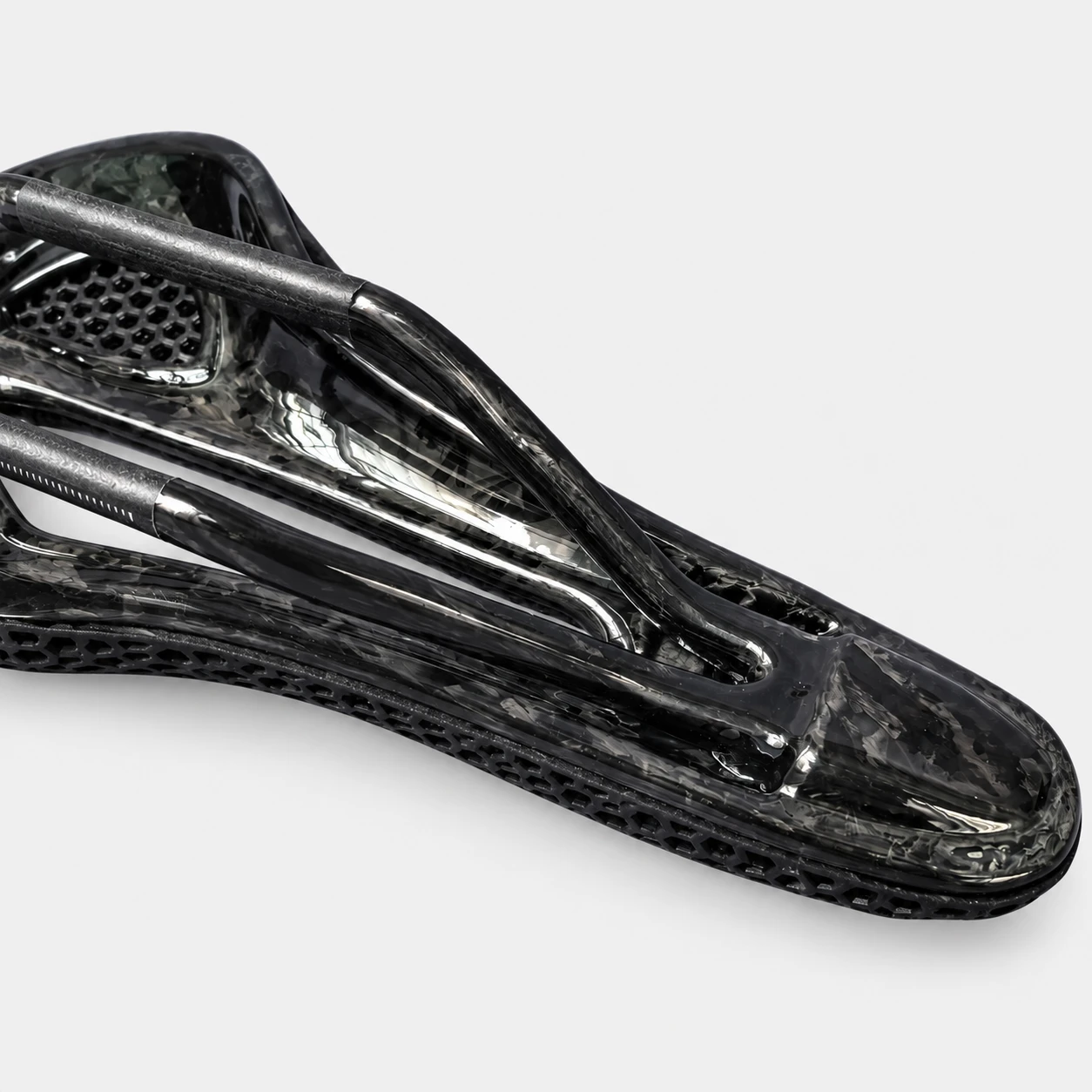
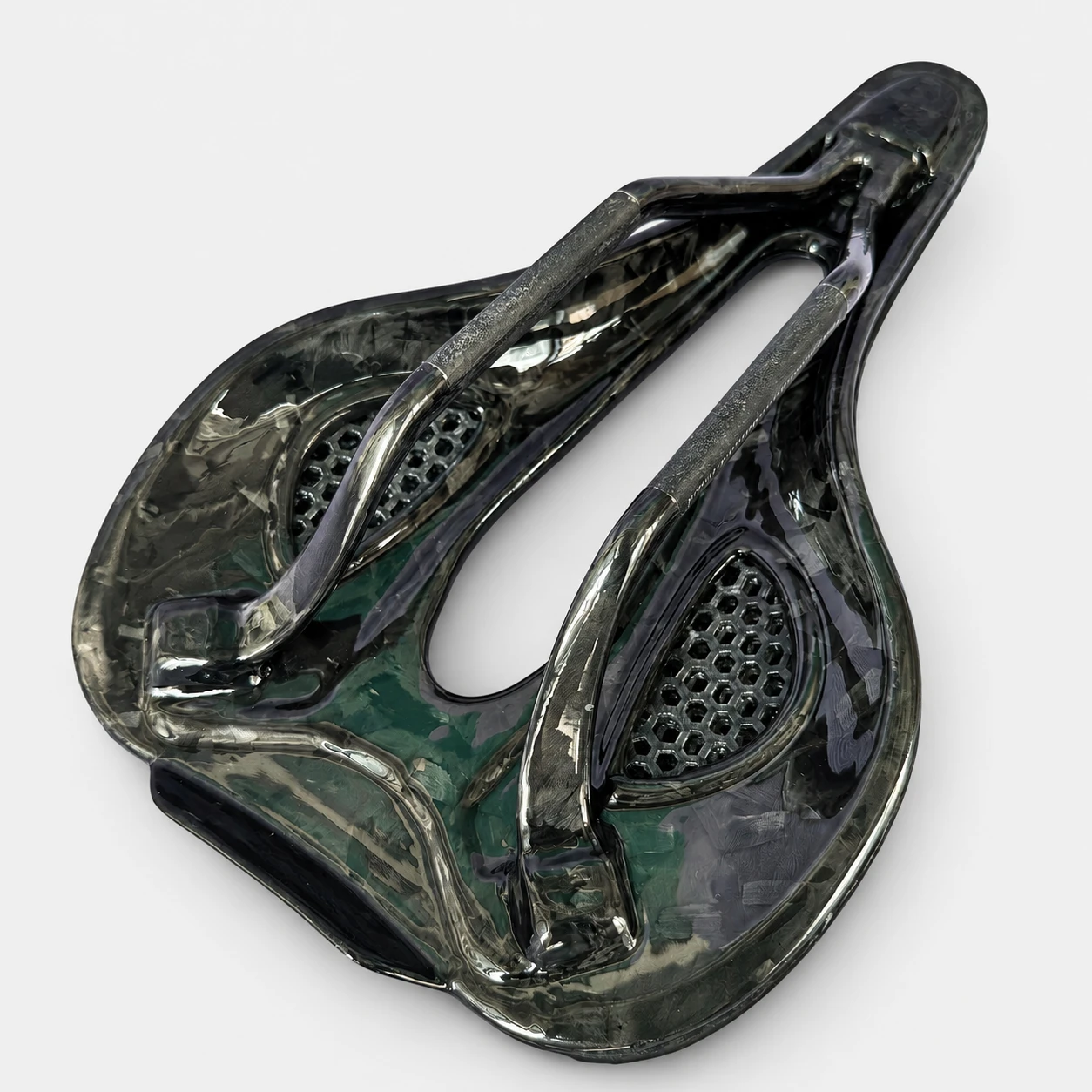
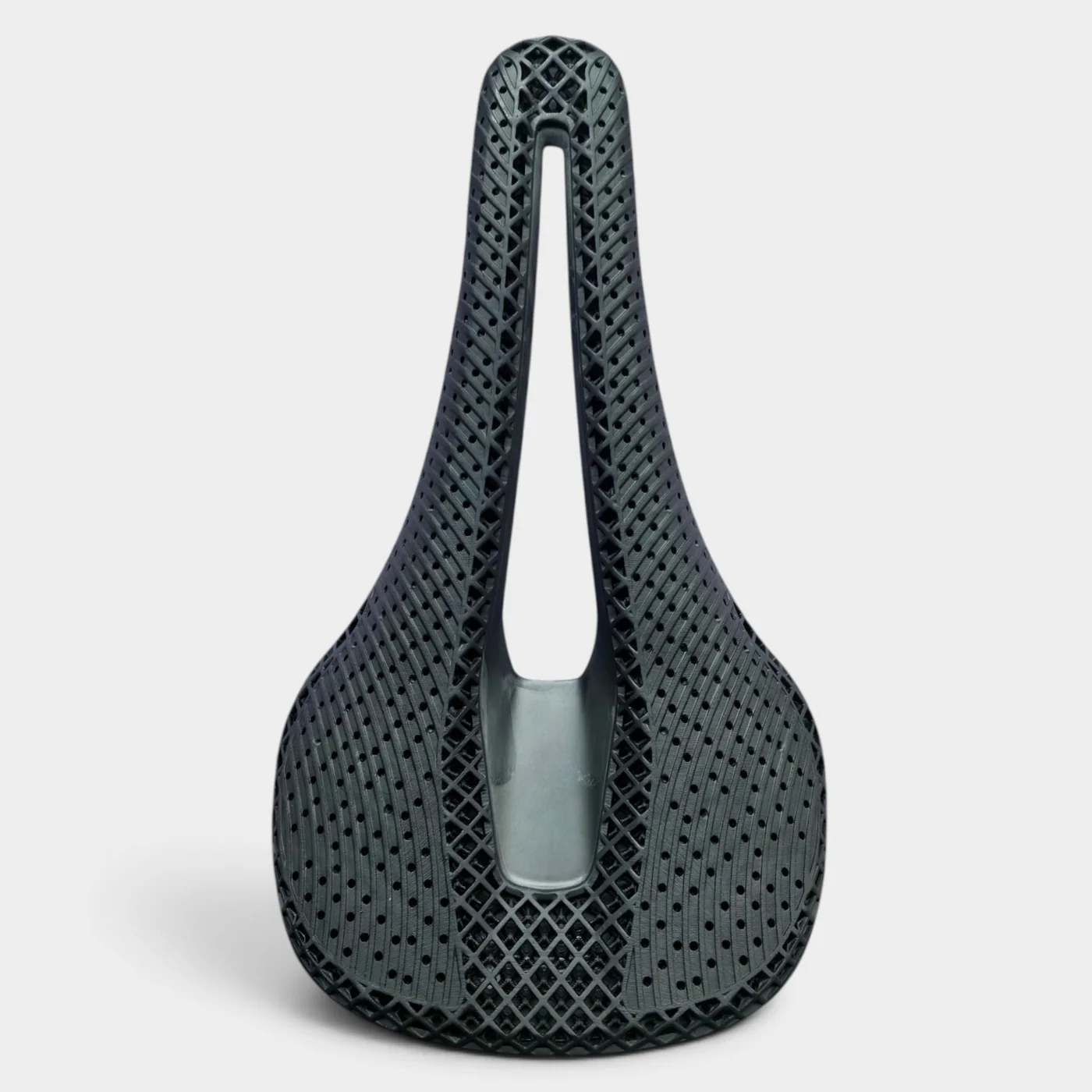
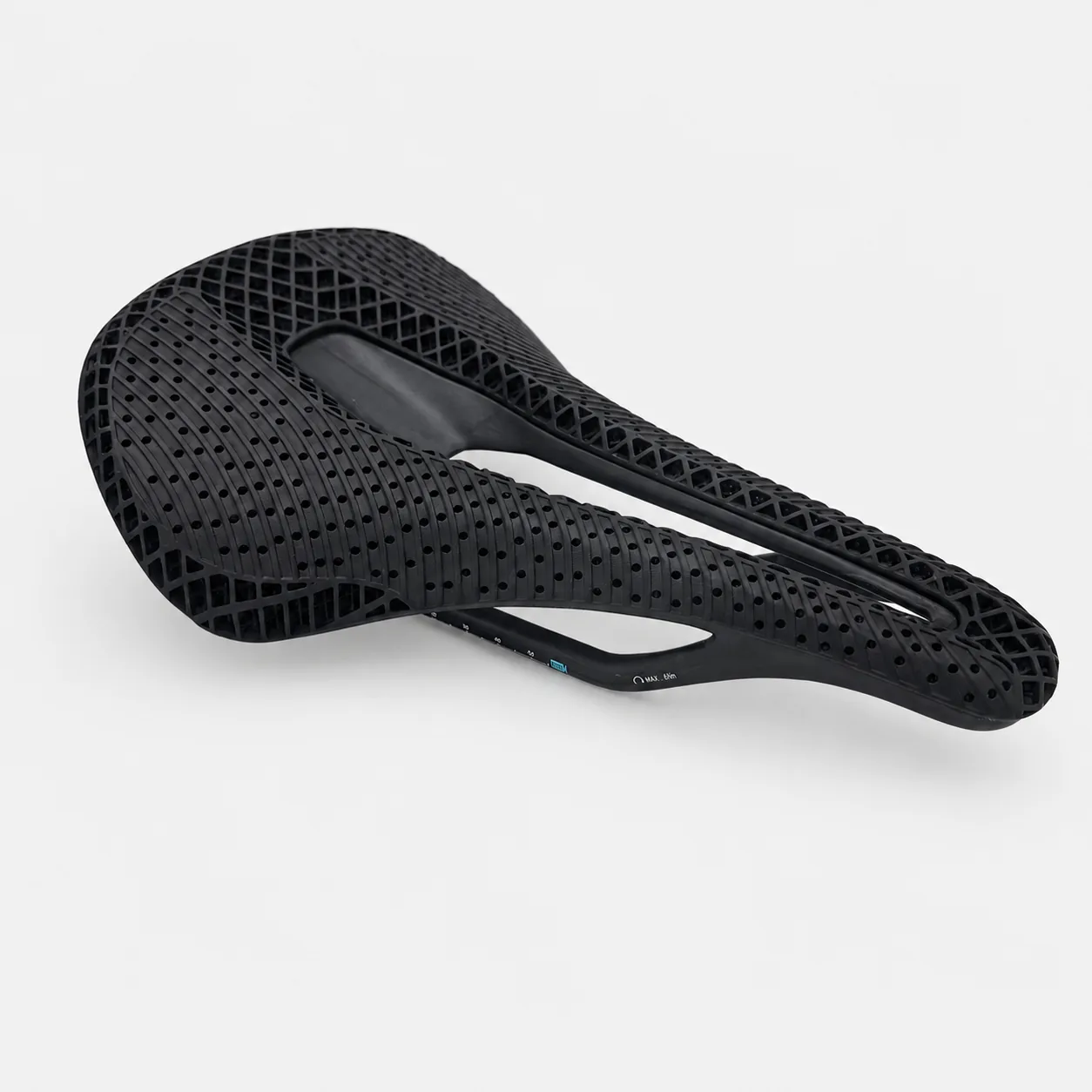
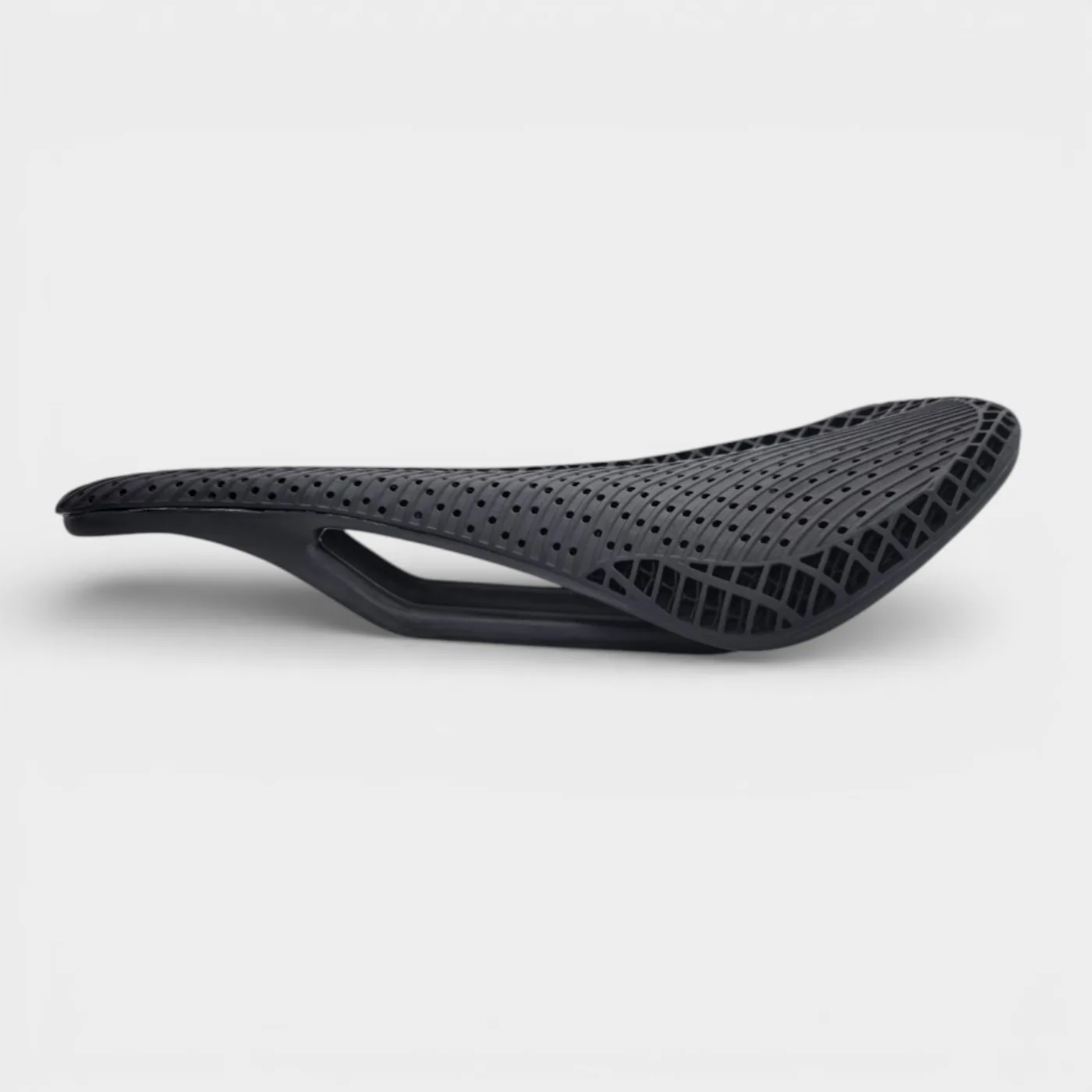
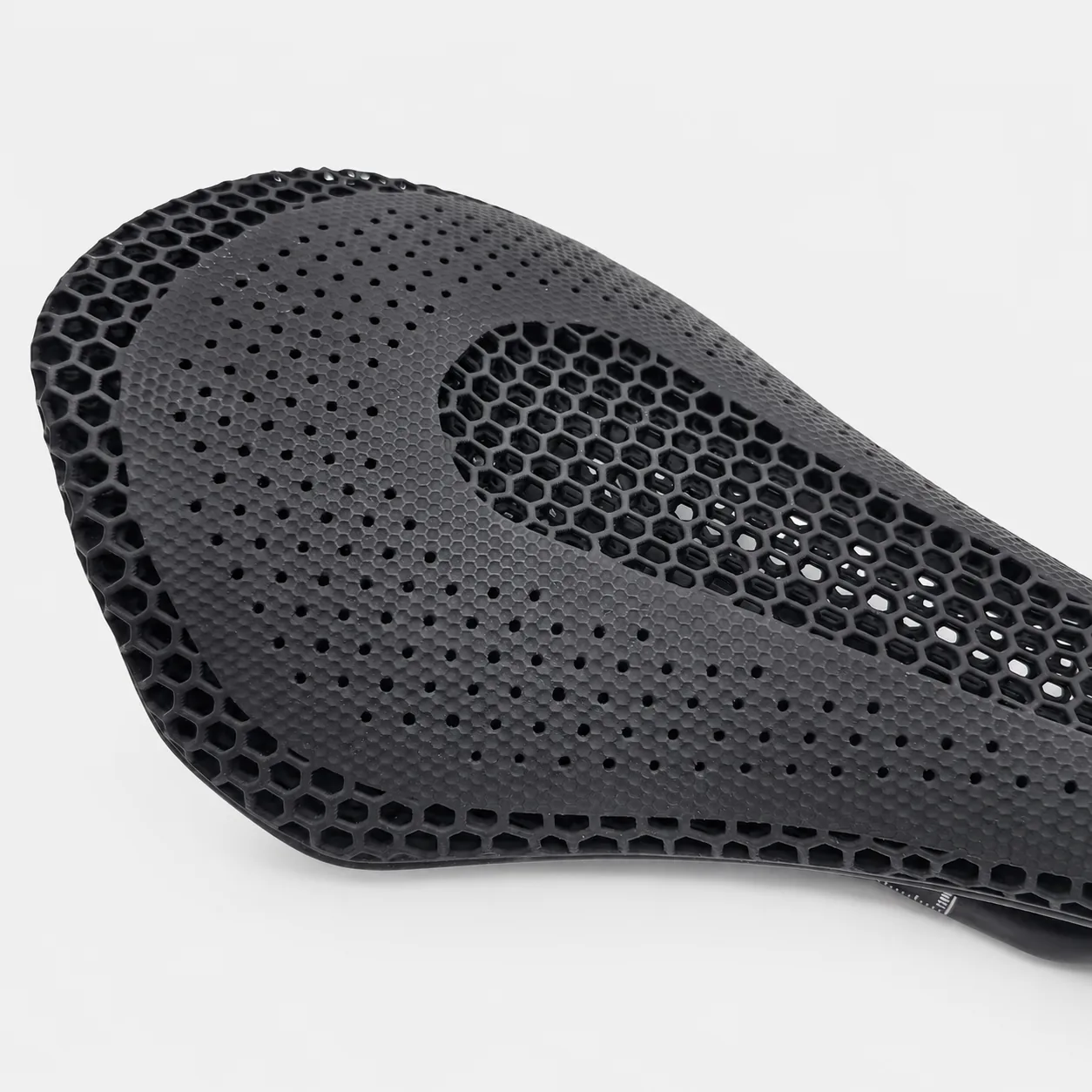
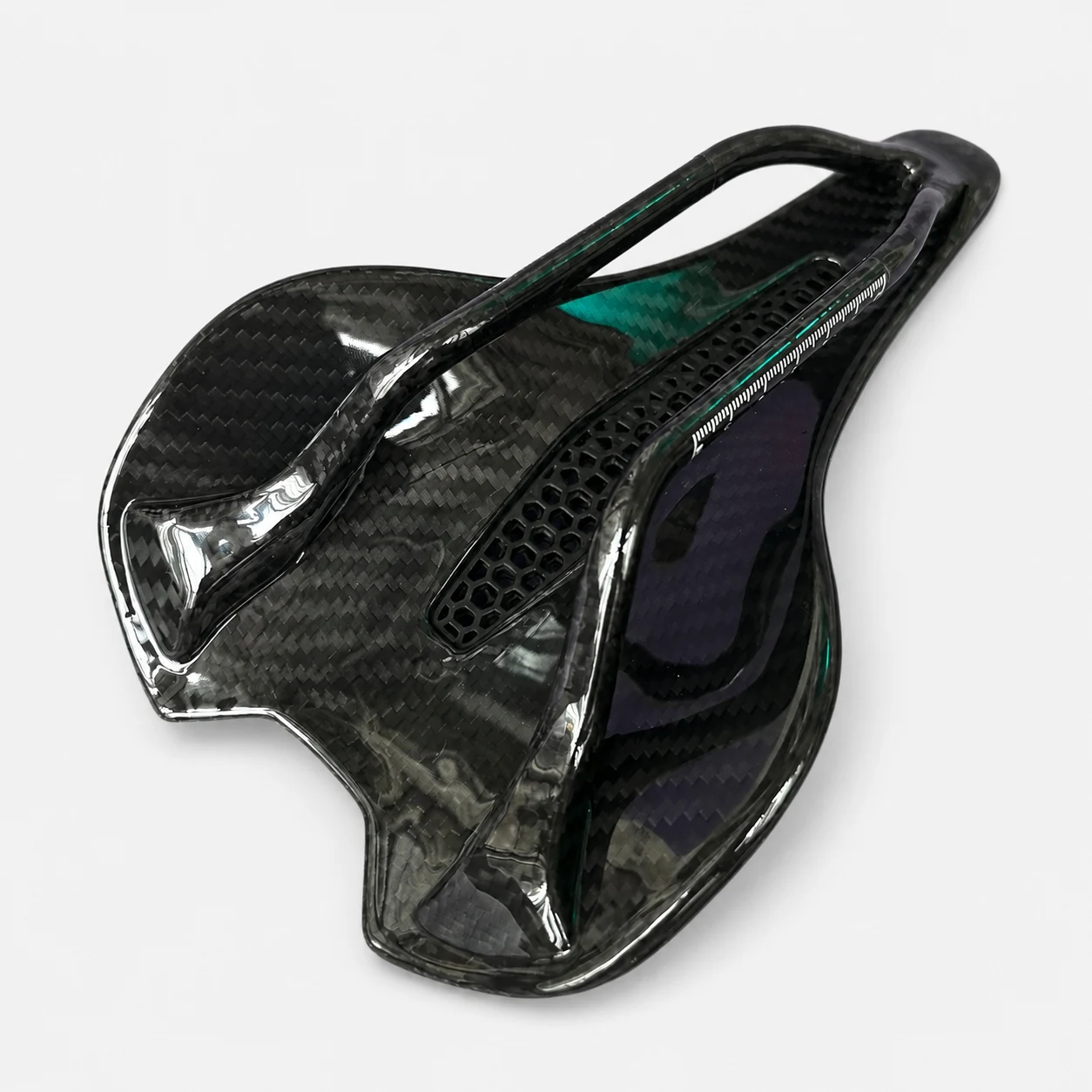
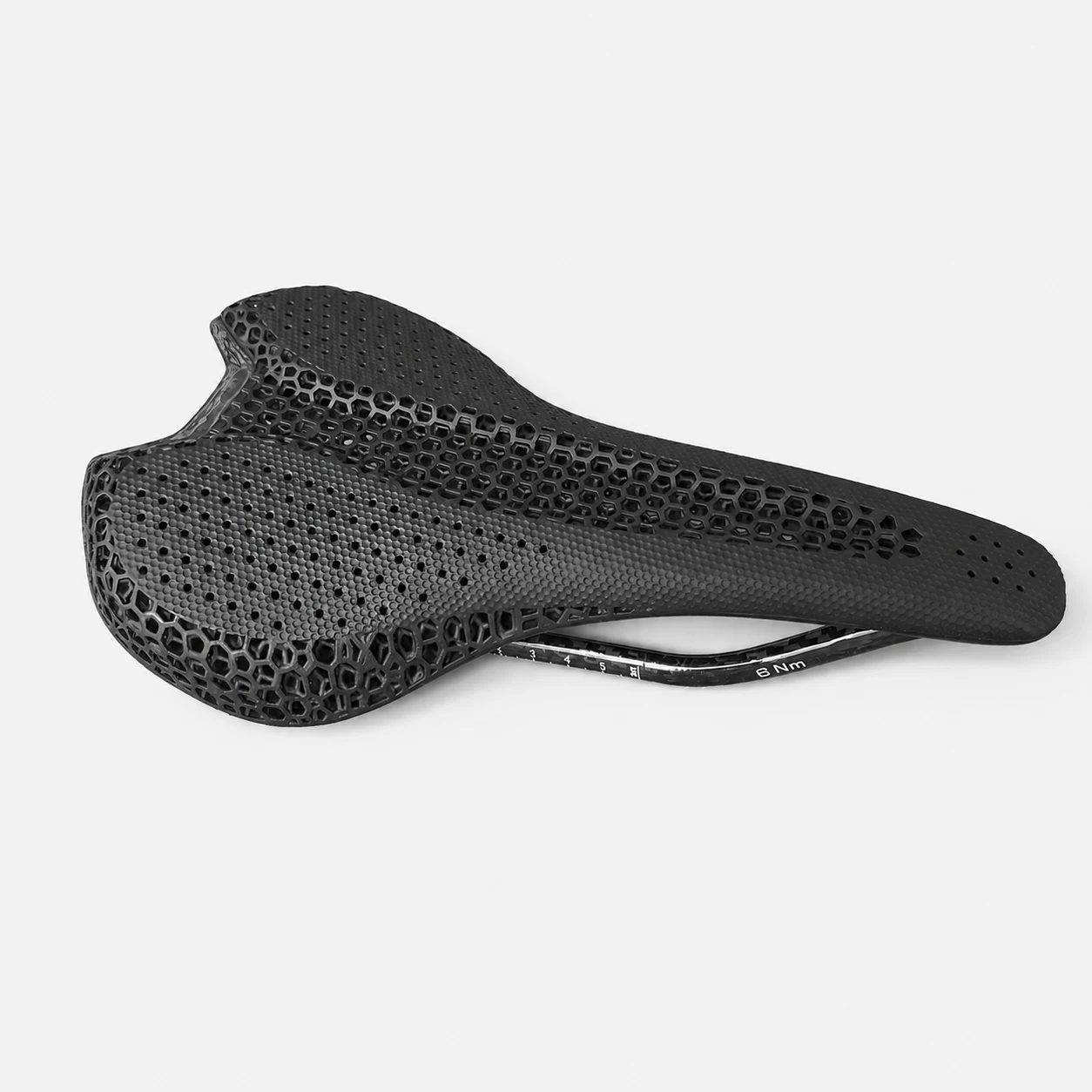
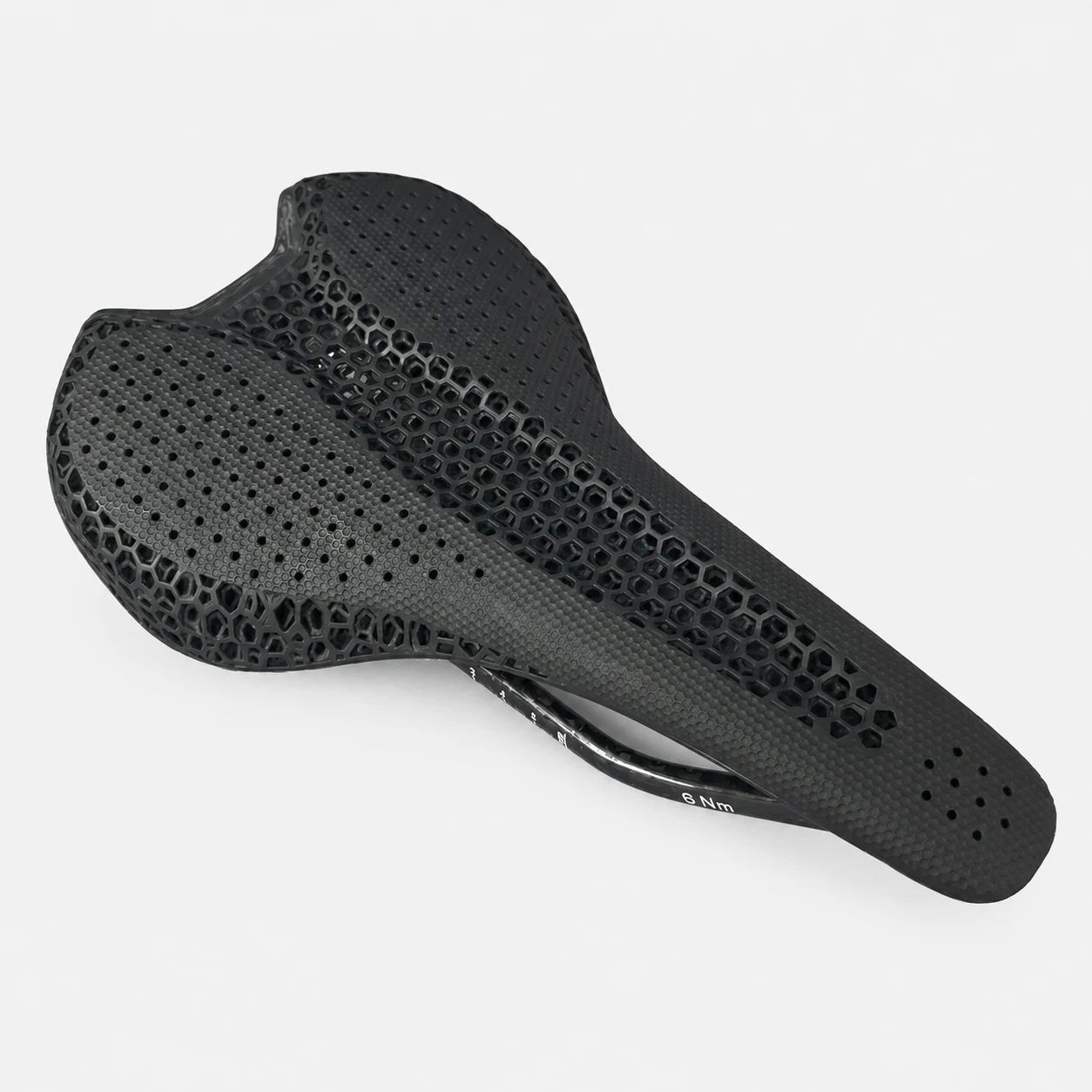
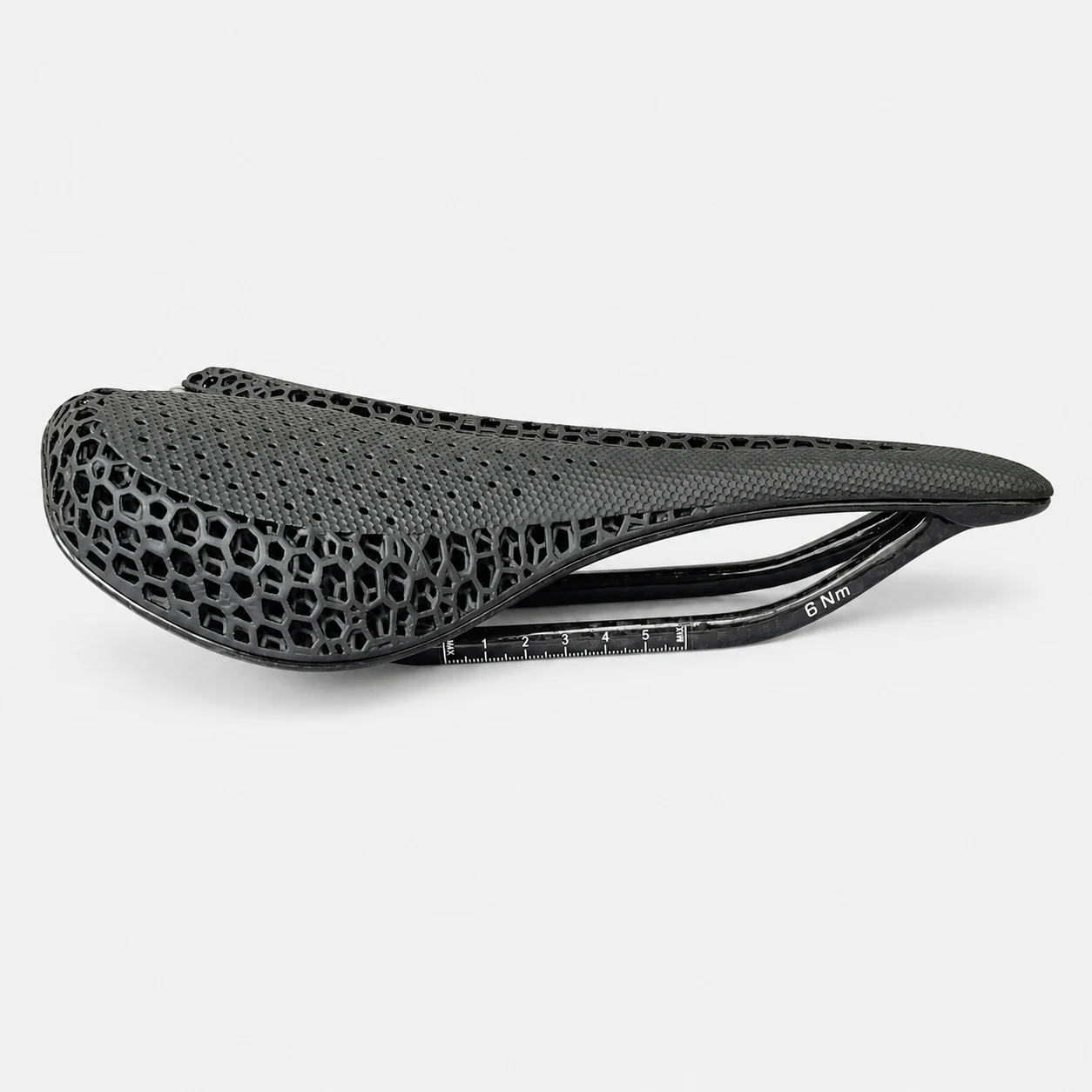
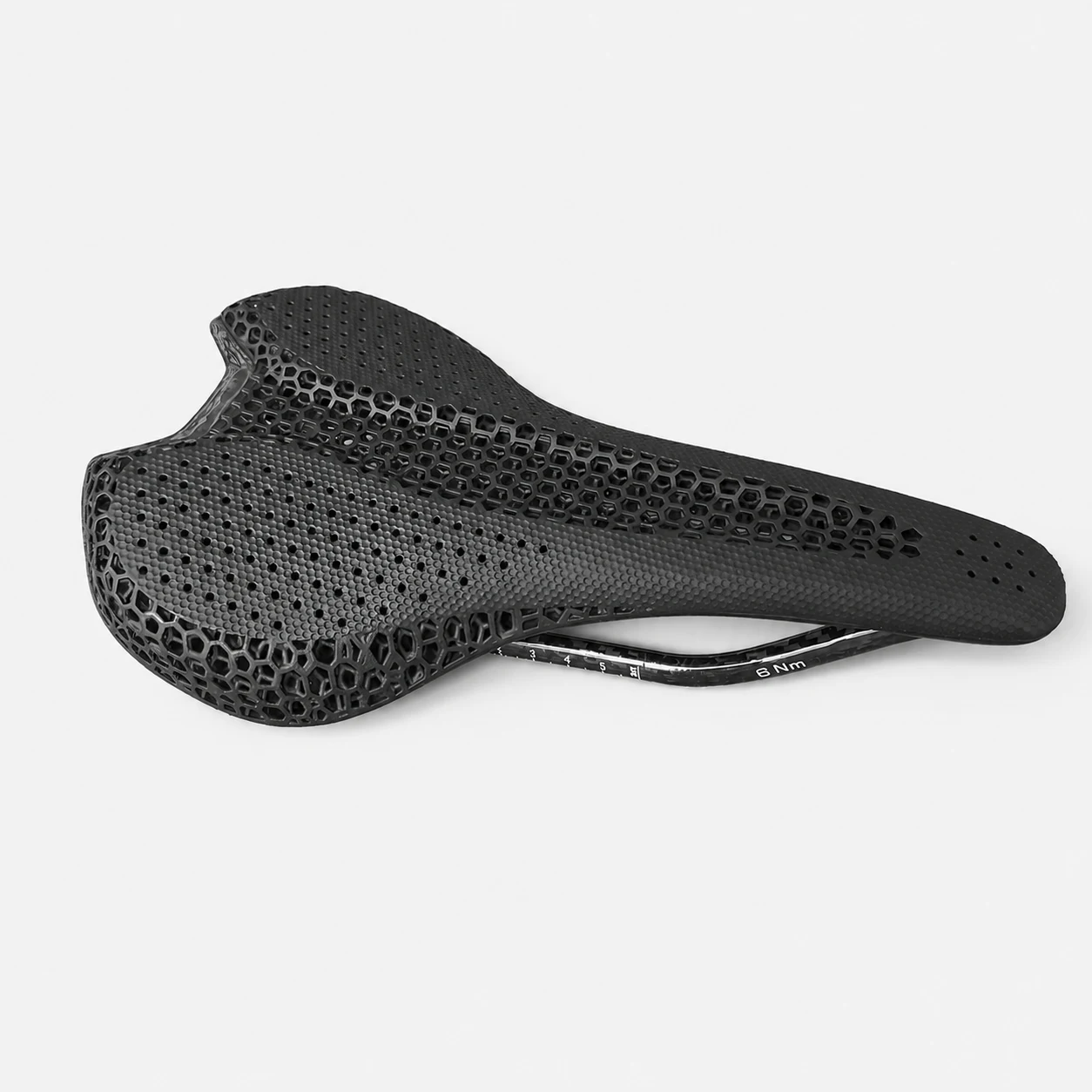
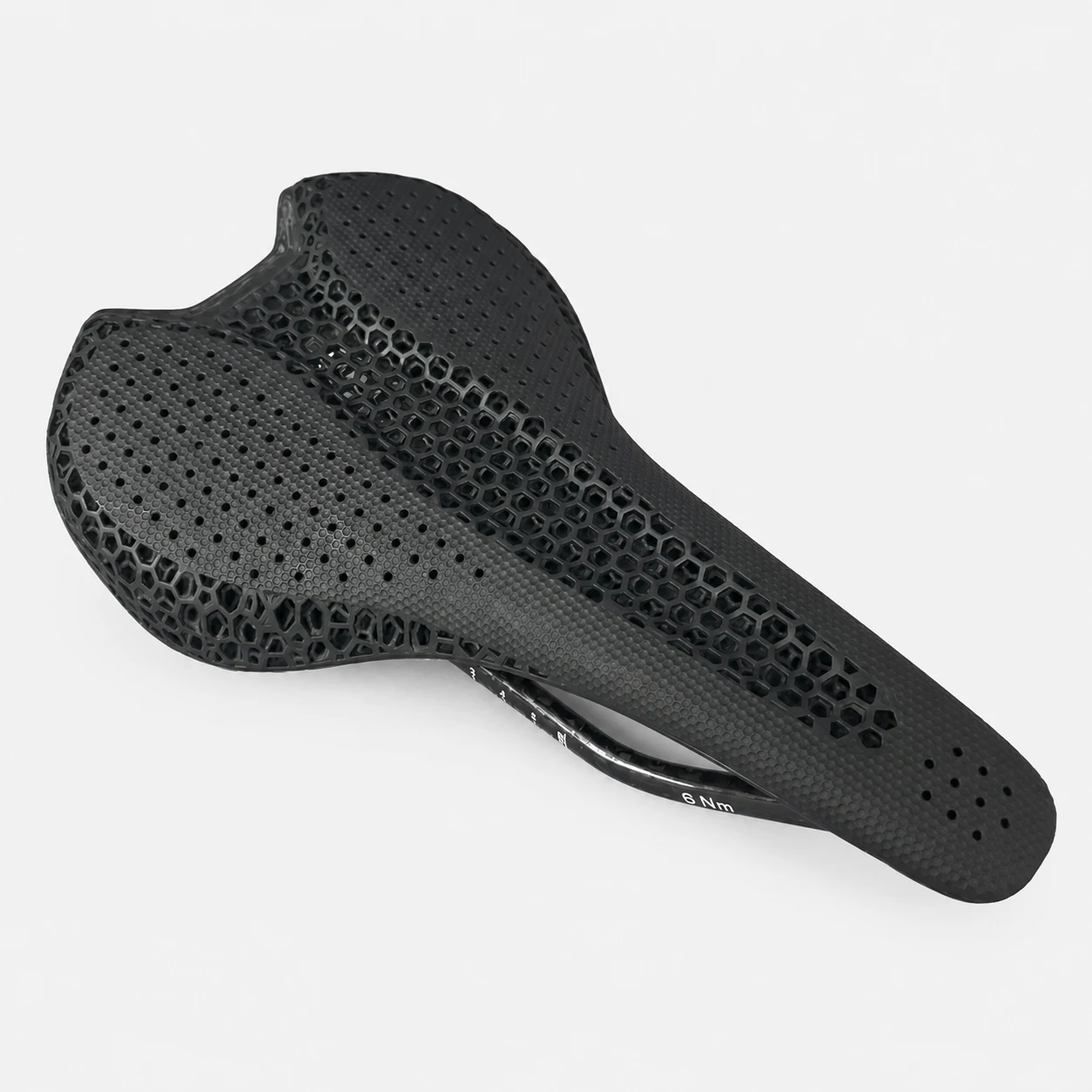
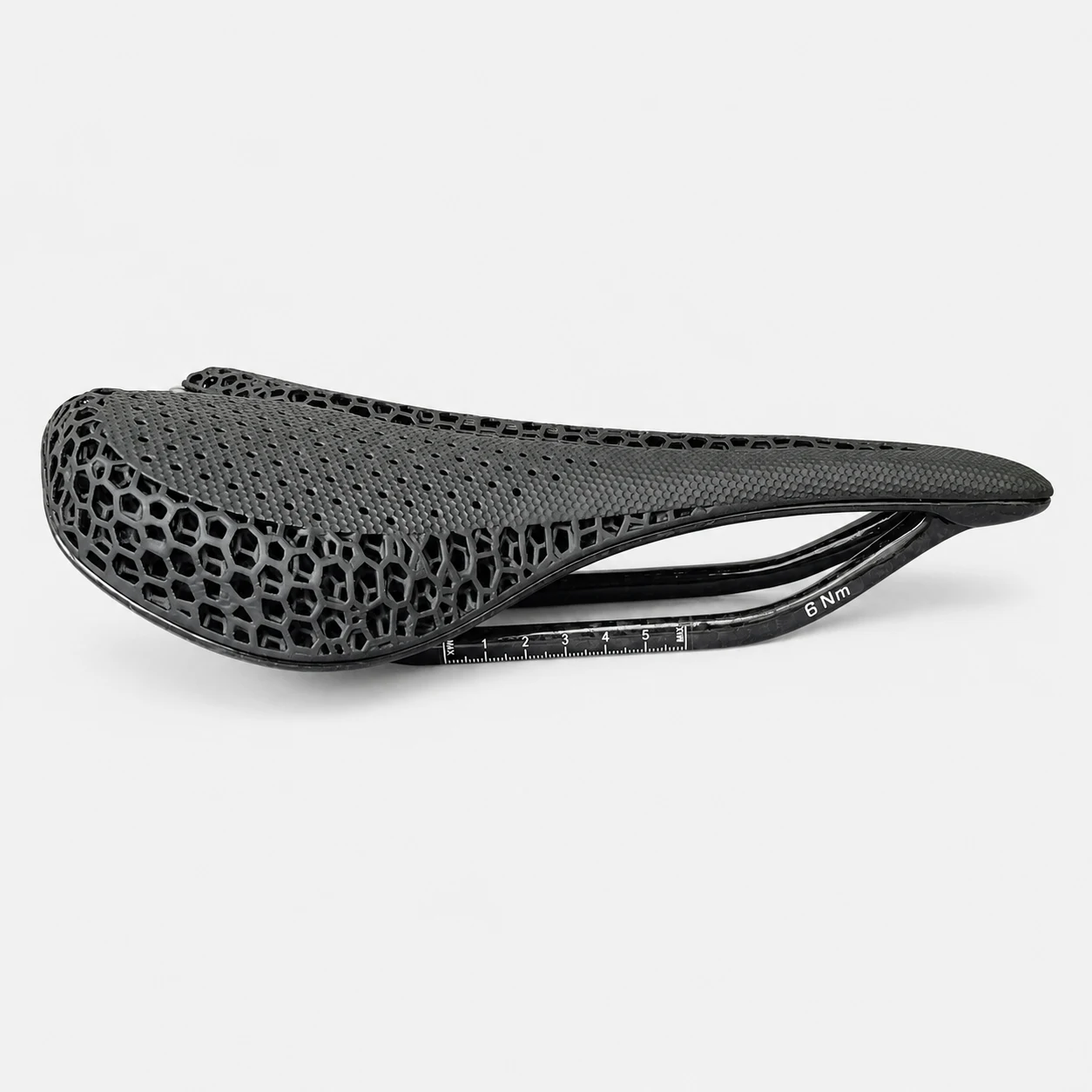
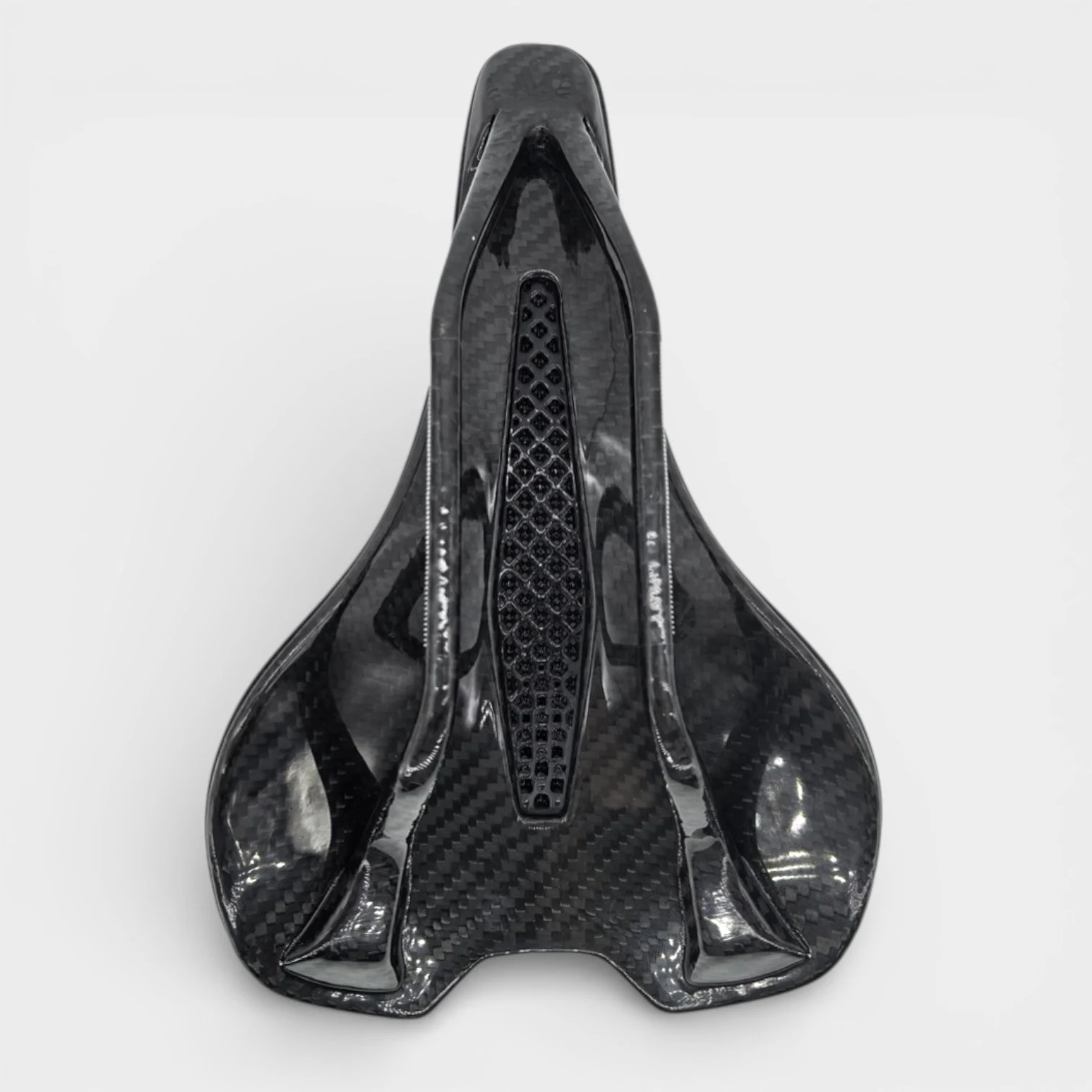
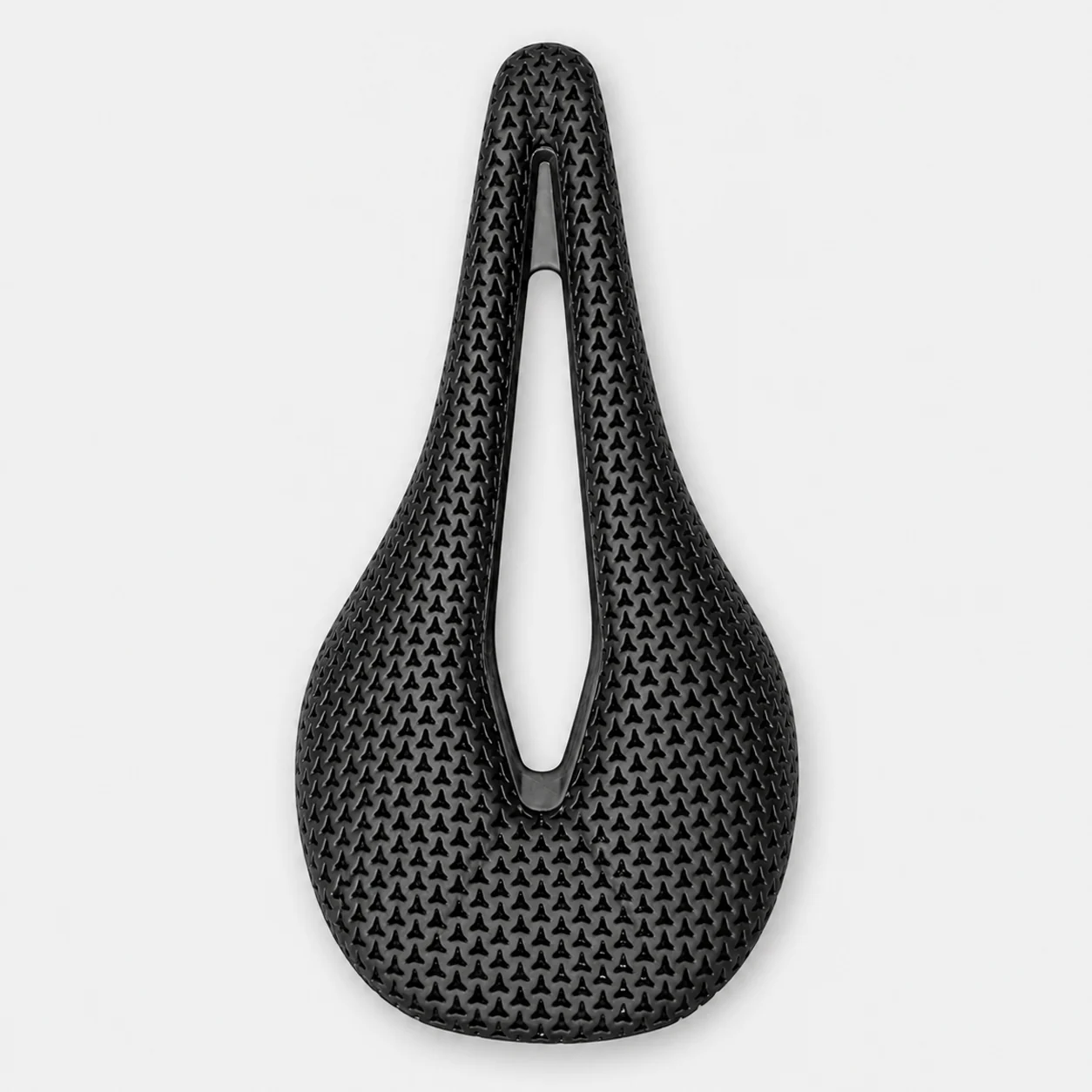
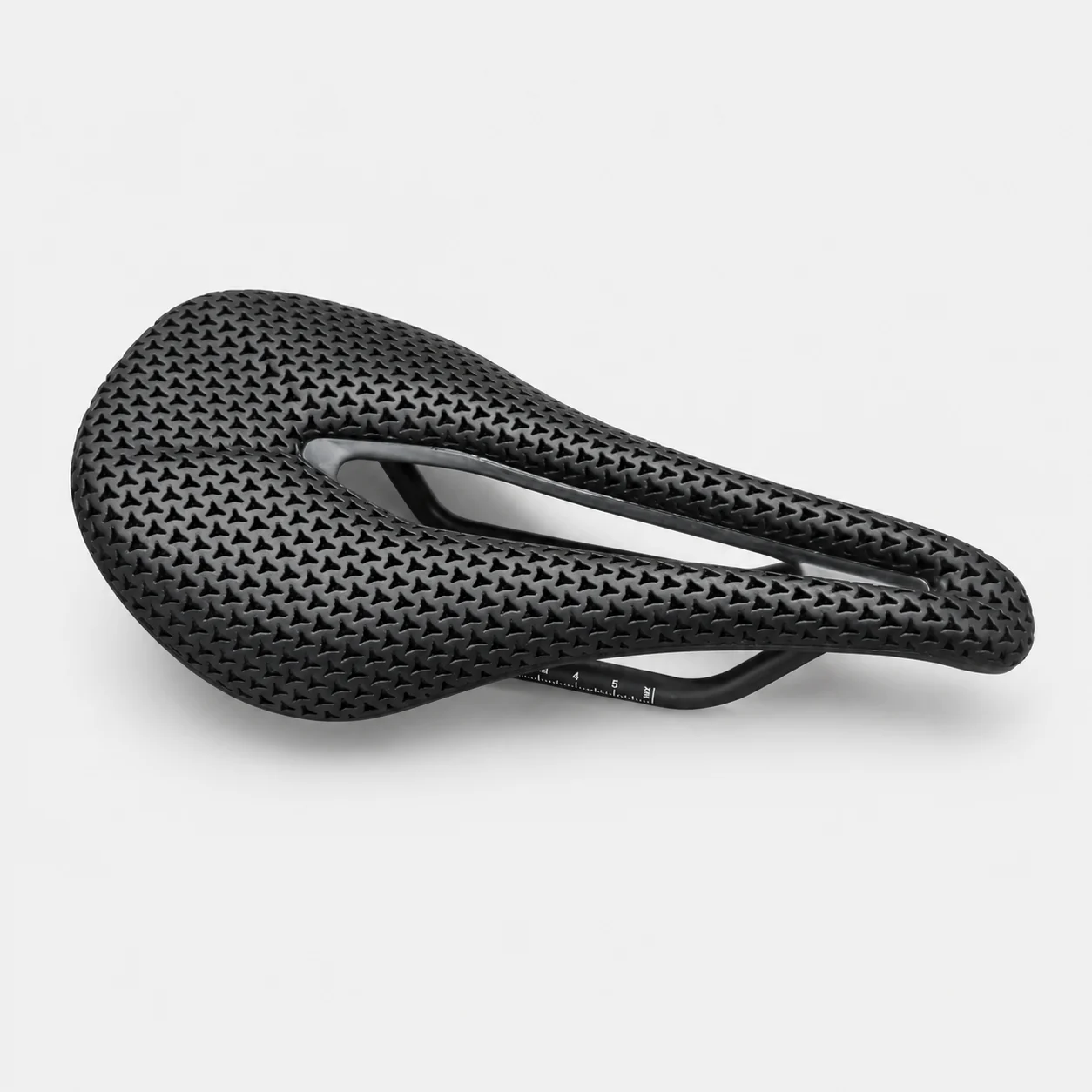
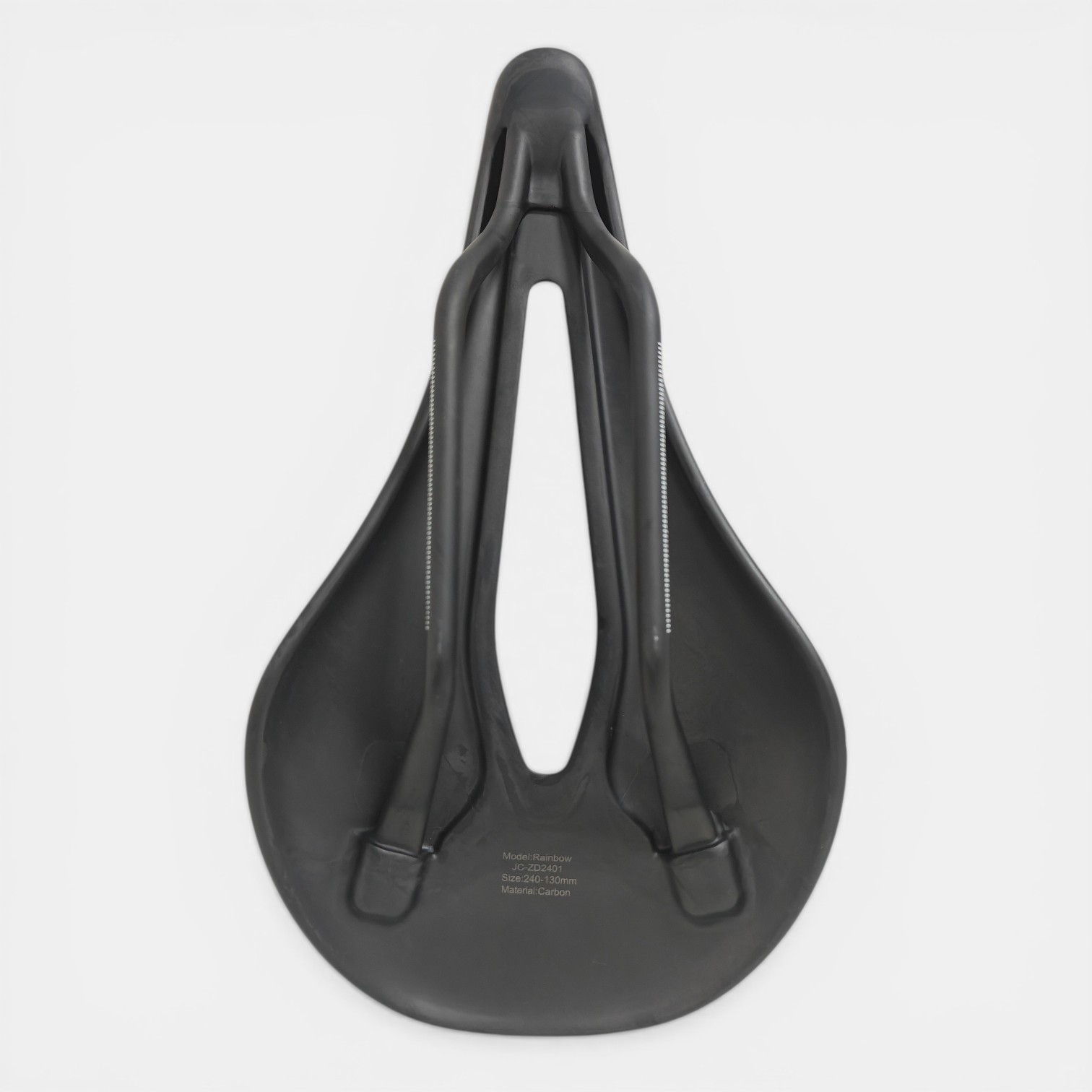
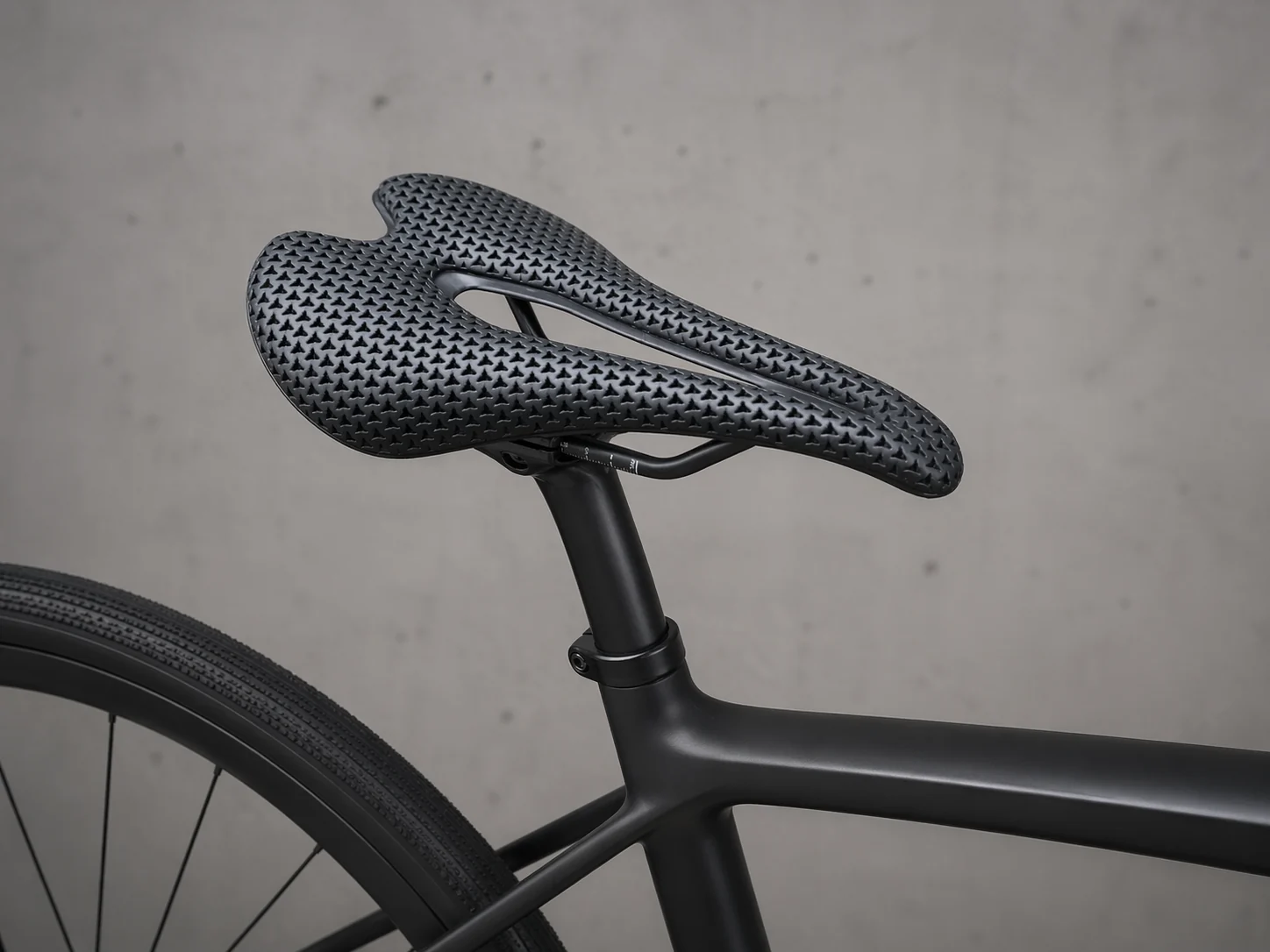
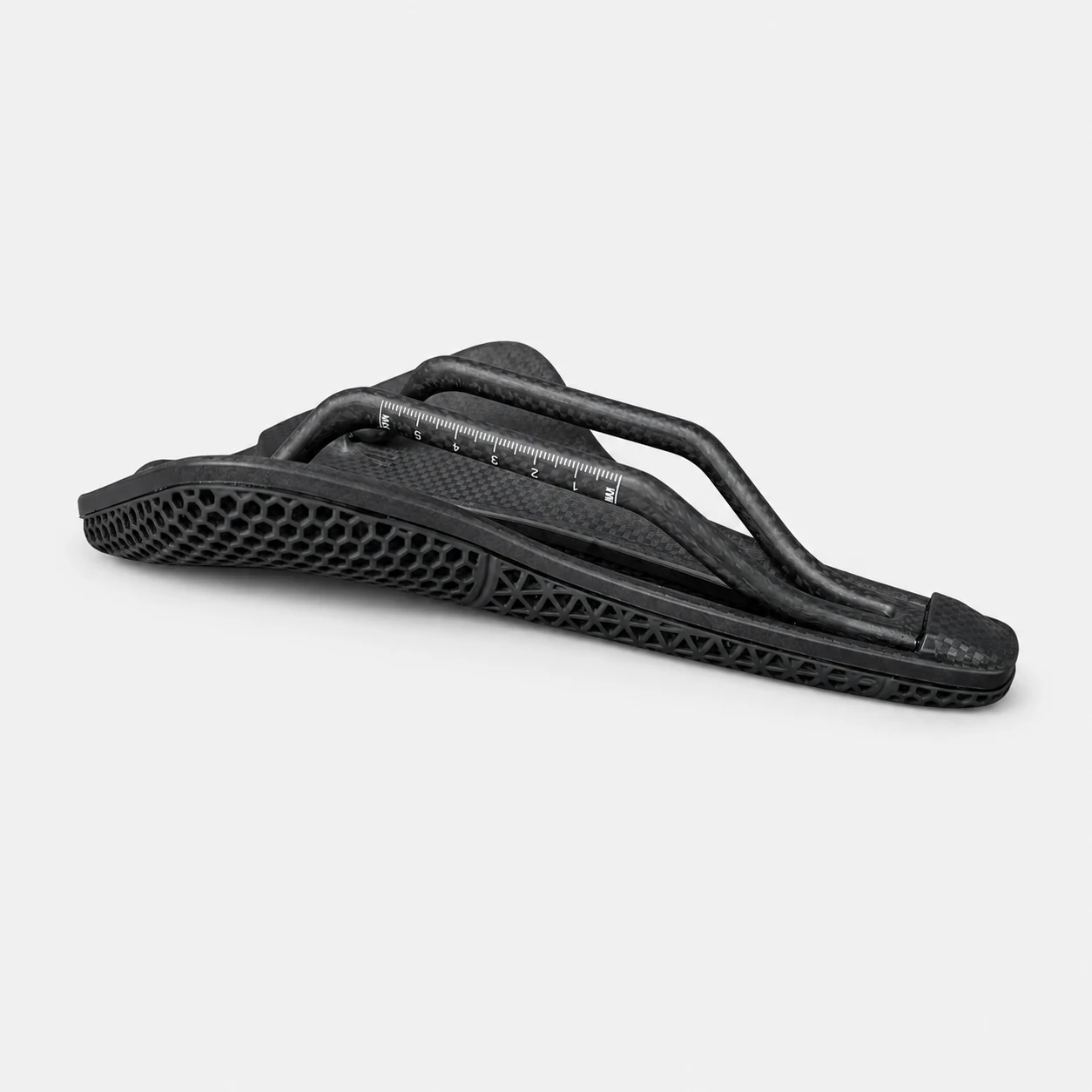
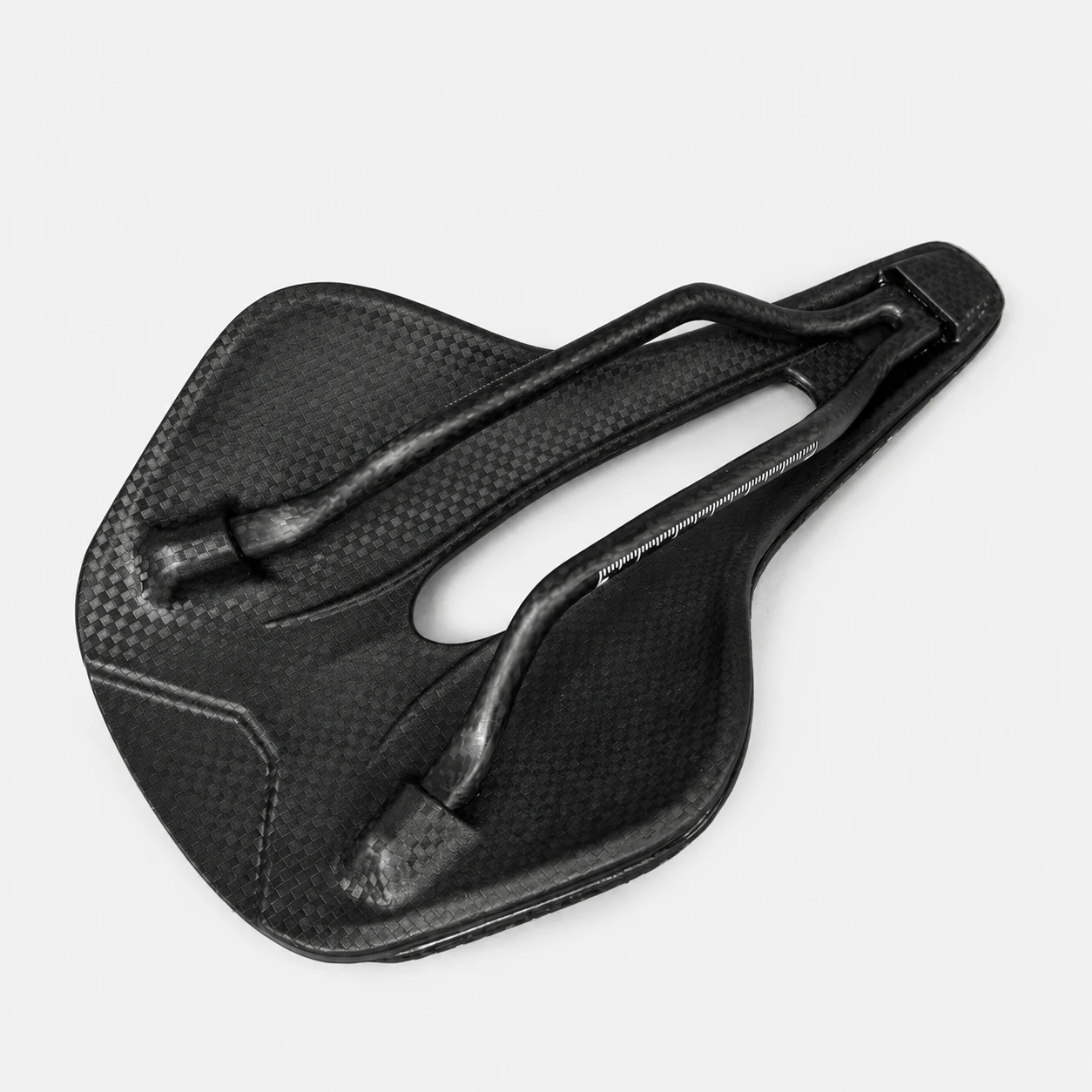
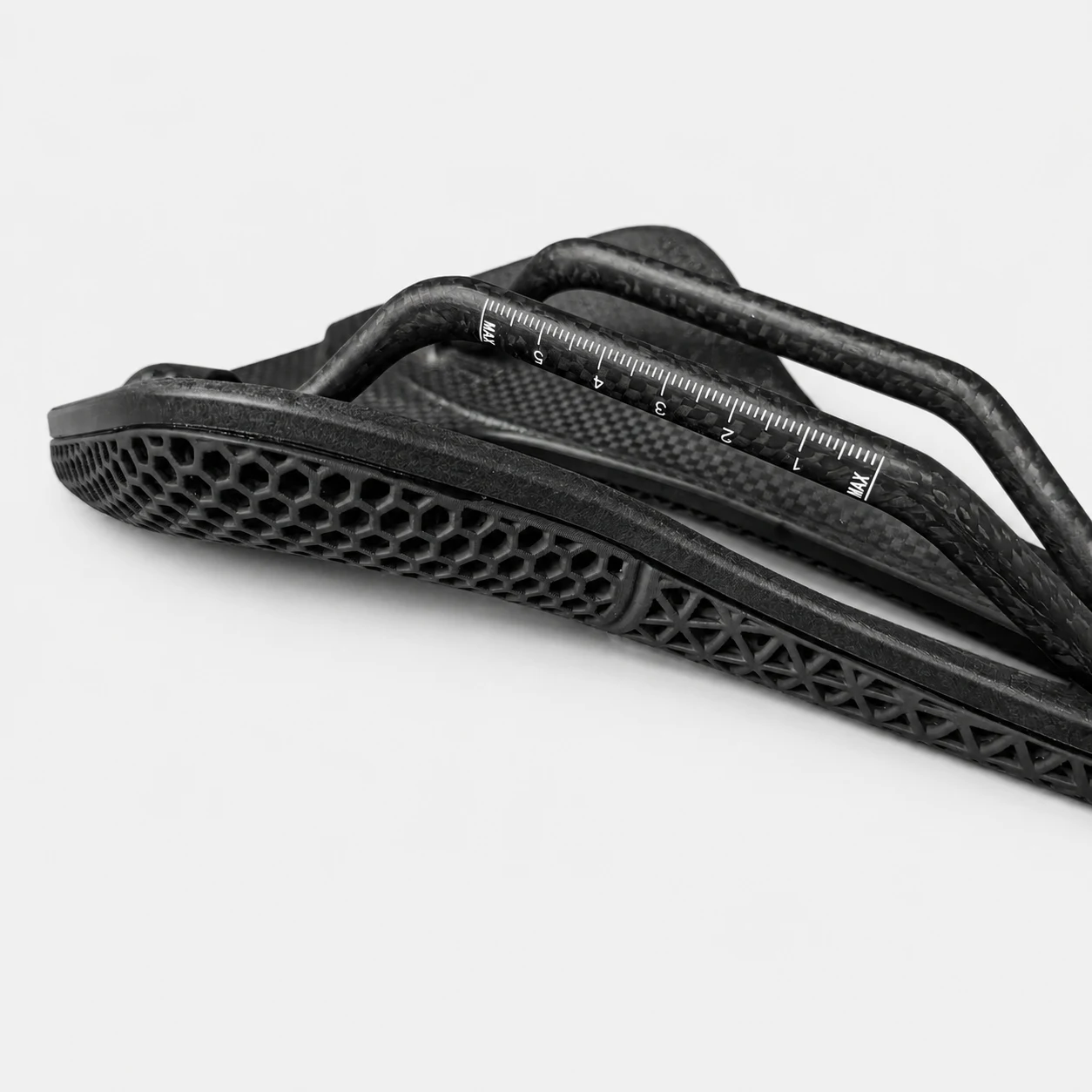
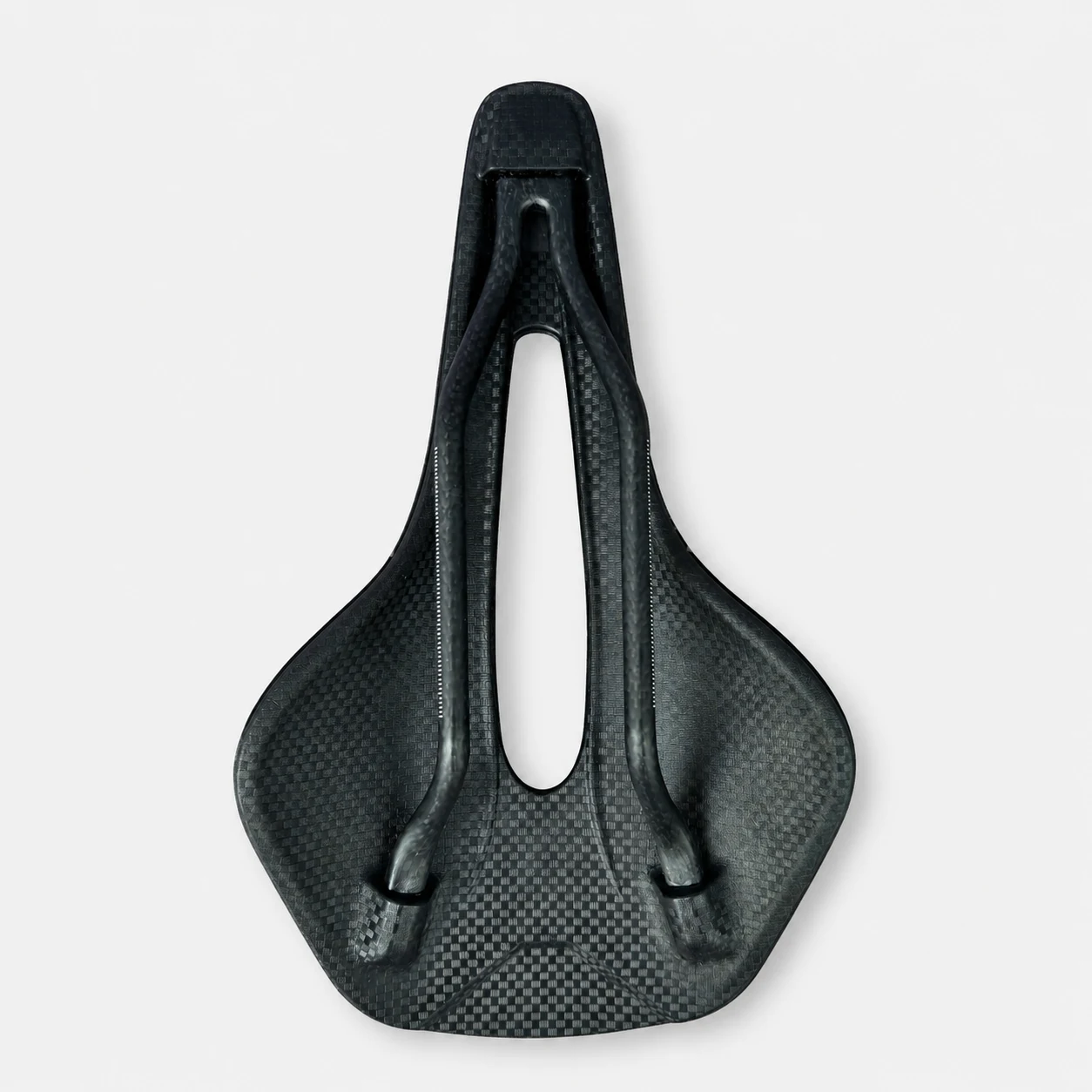
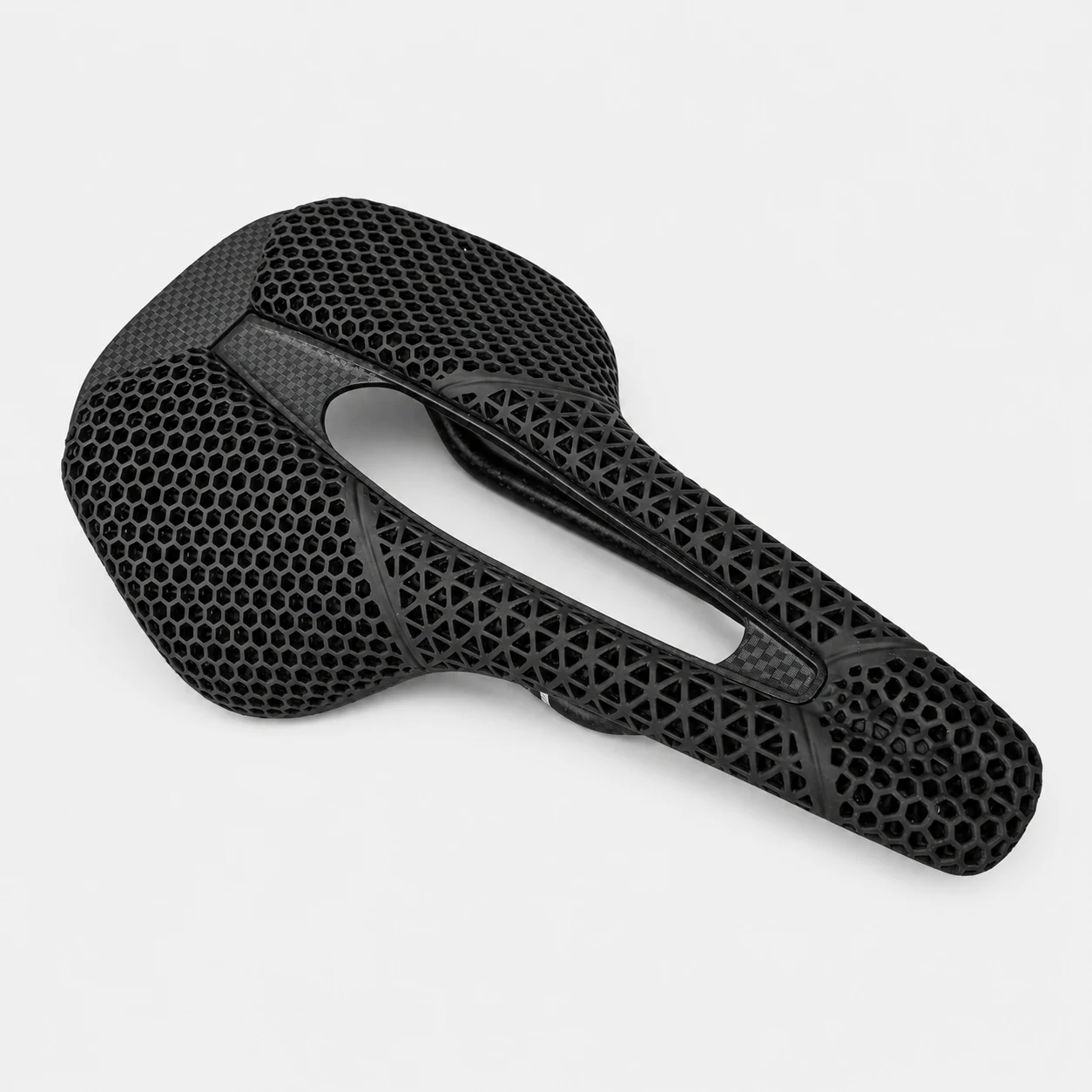
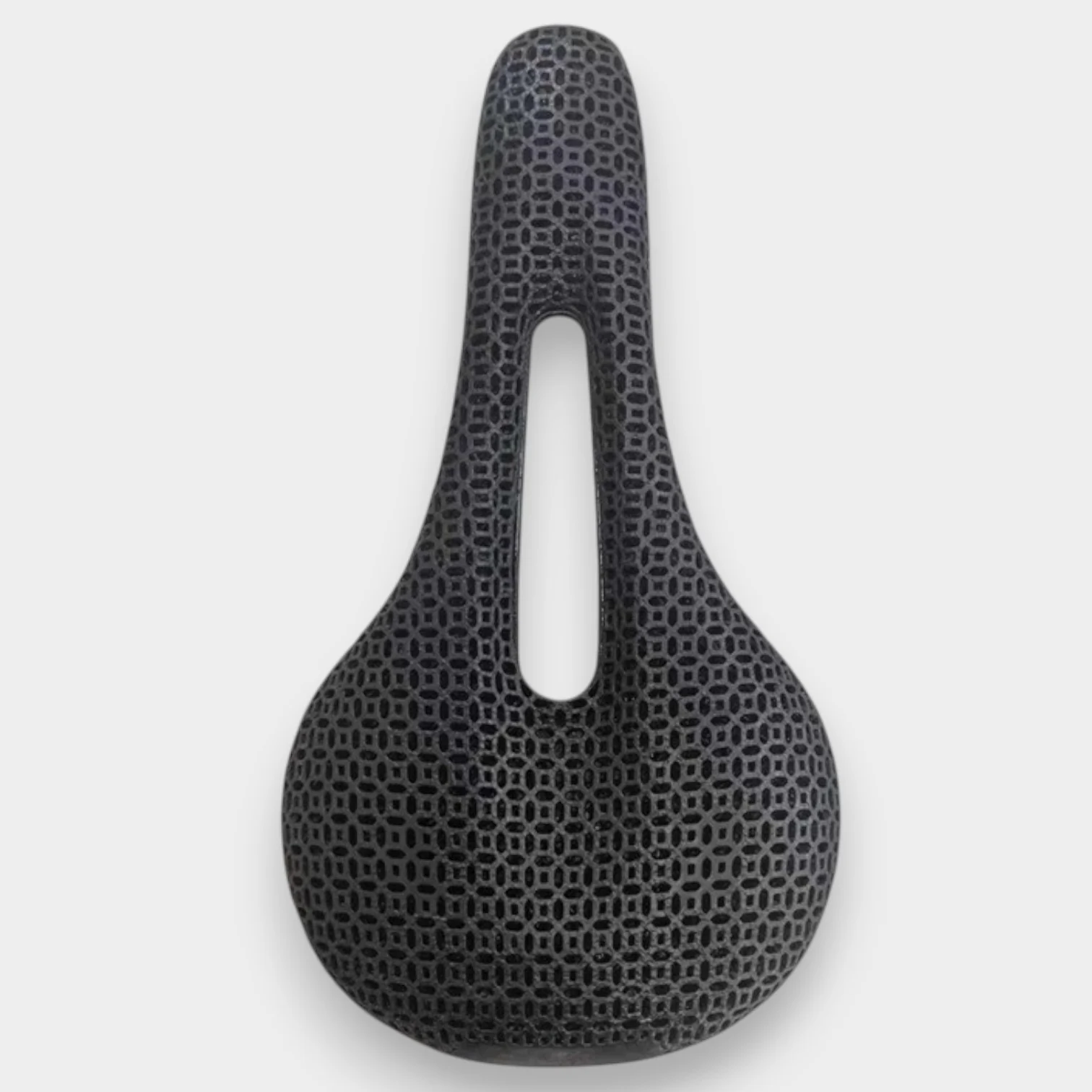
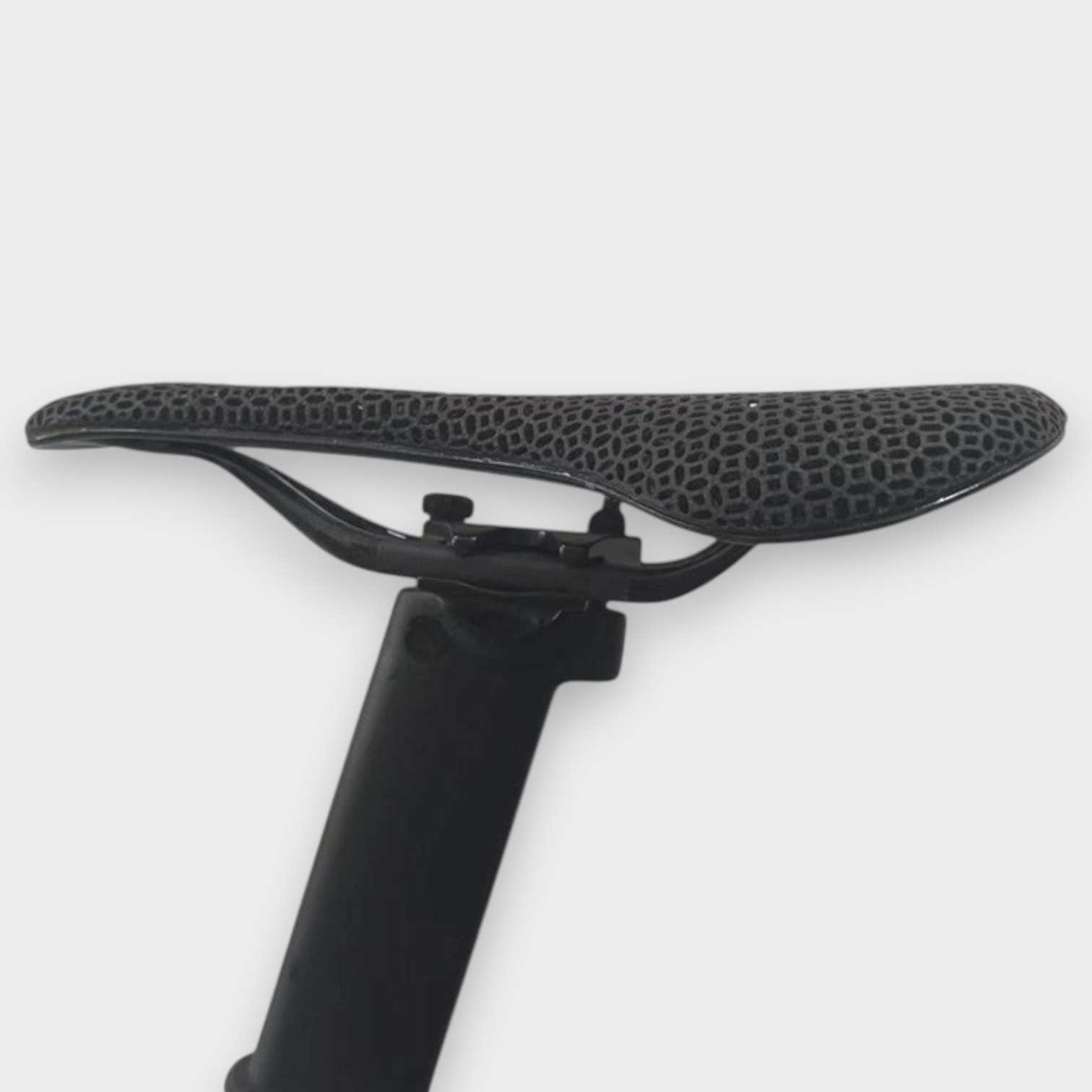
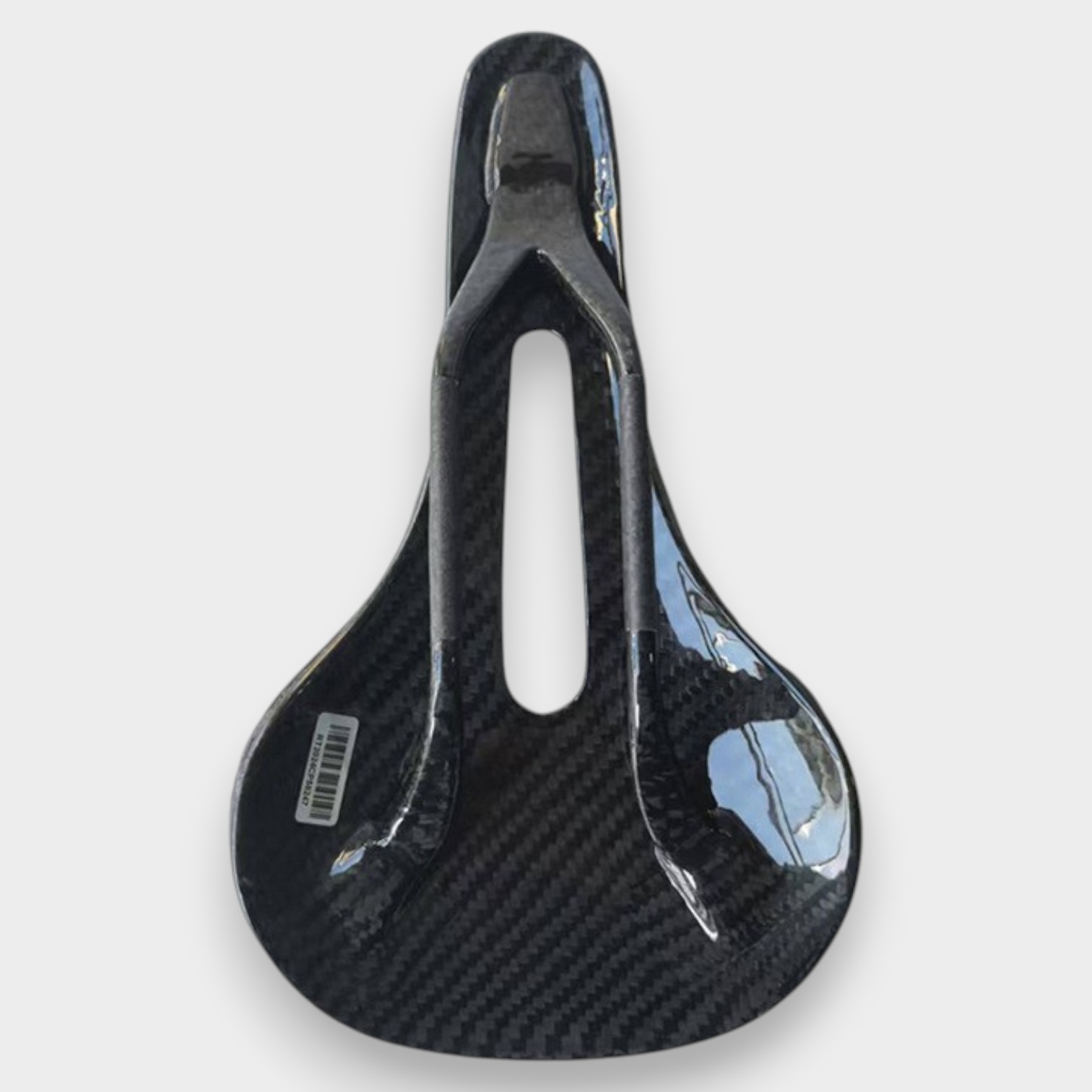
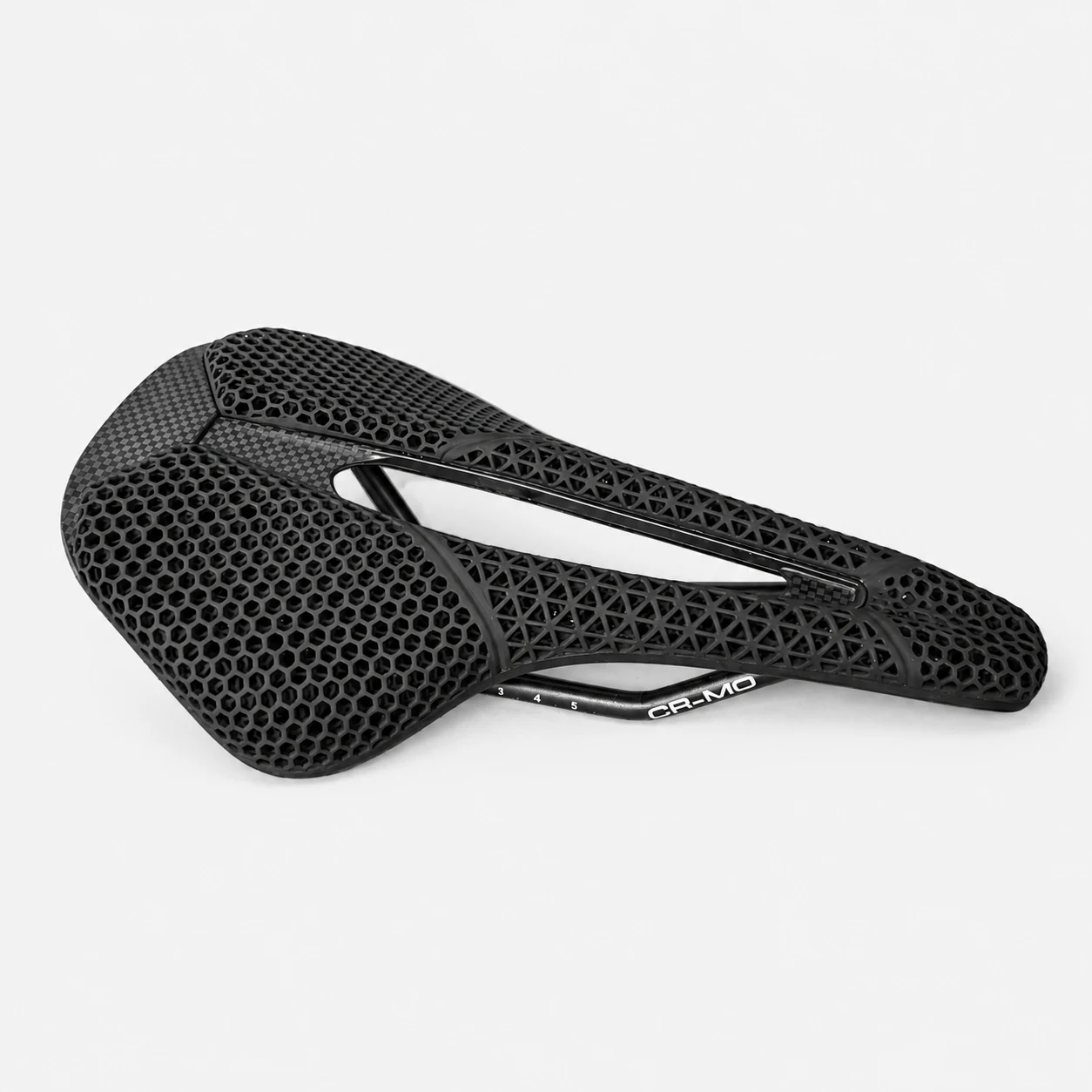
Every model is built around an engineered lattice that replaces traditional foam, with carbon and nylon-fiber base options and shell geometries spanning road racing, endurance and gravel, comfort and e-bike, and value-positioned tiers.
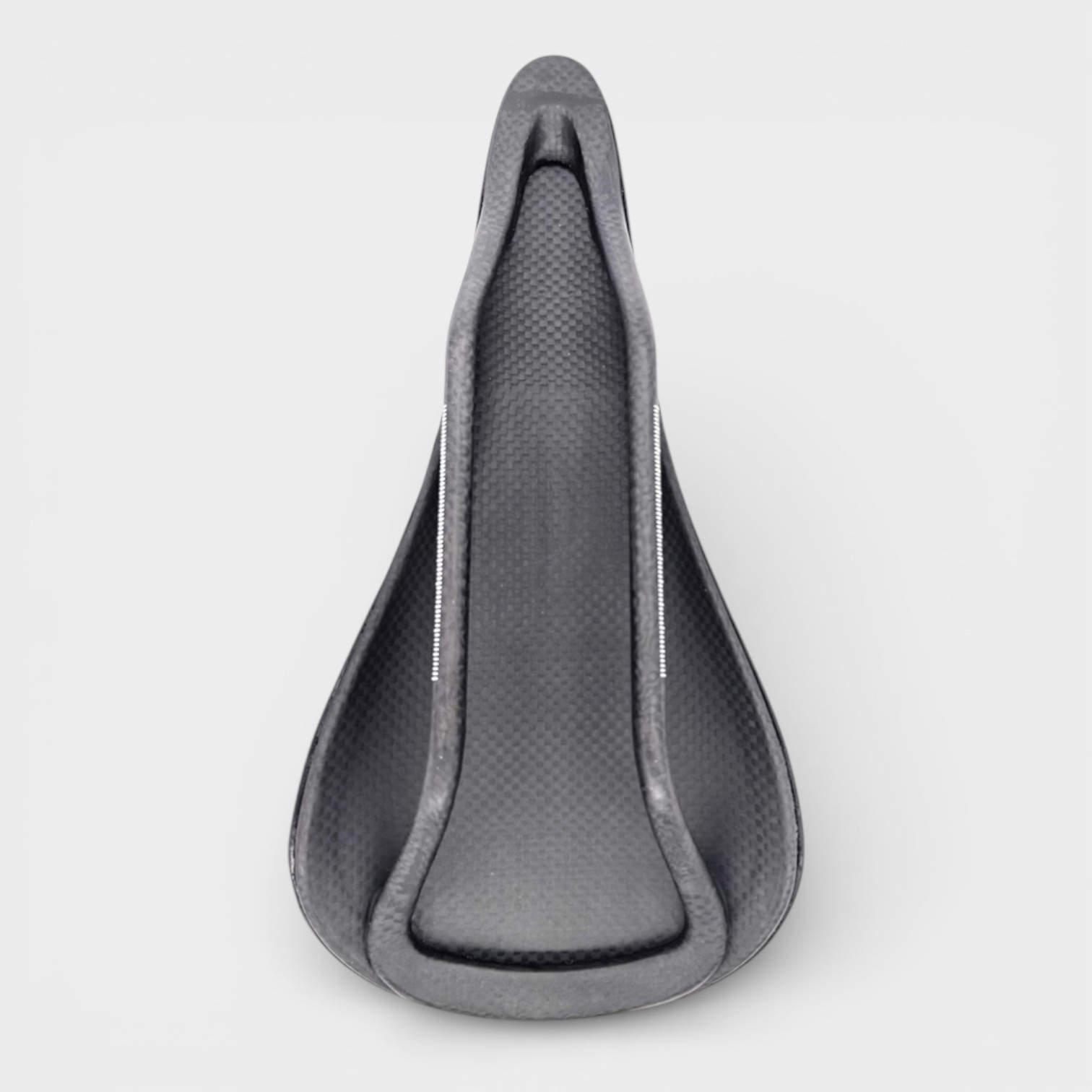
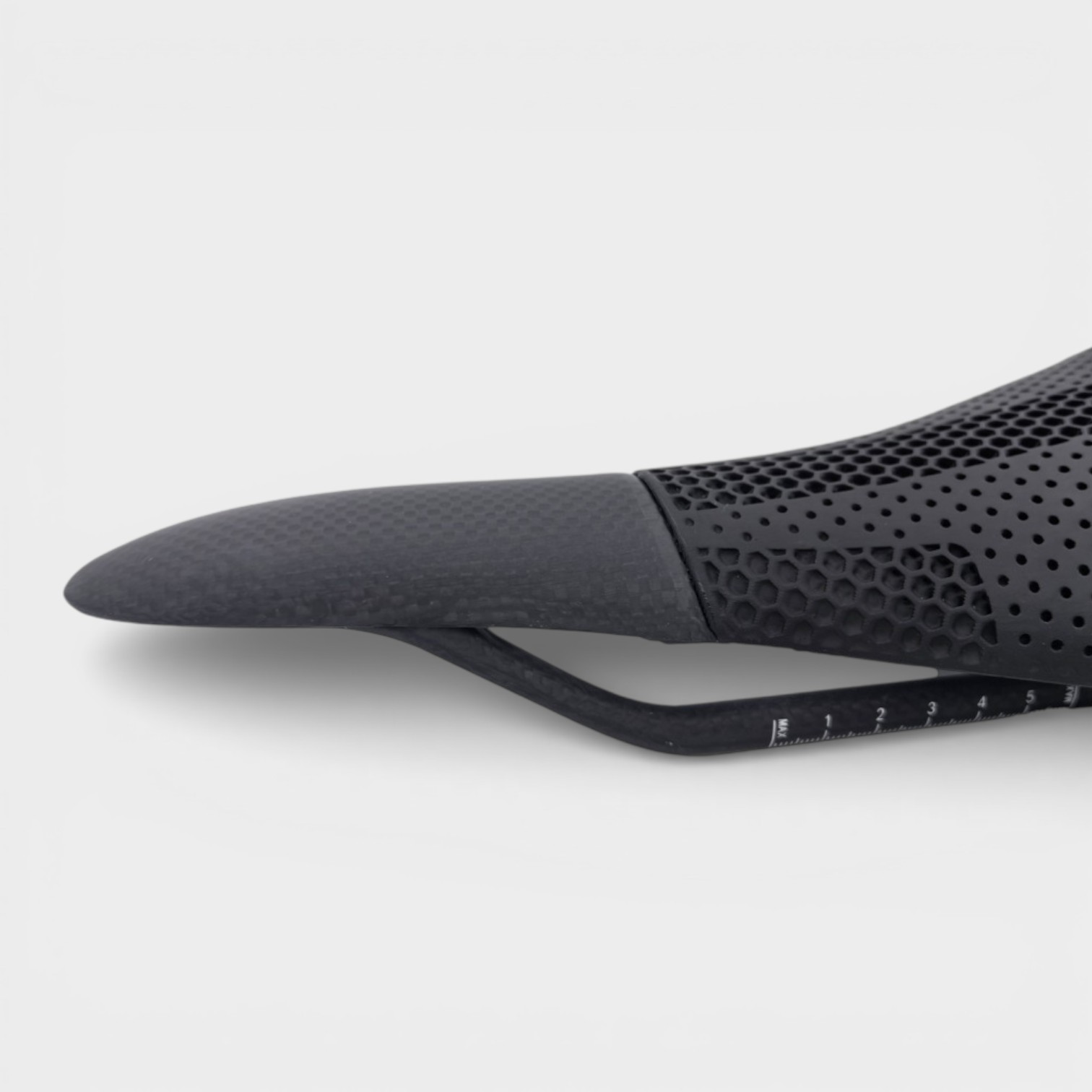
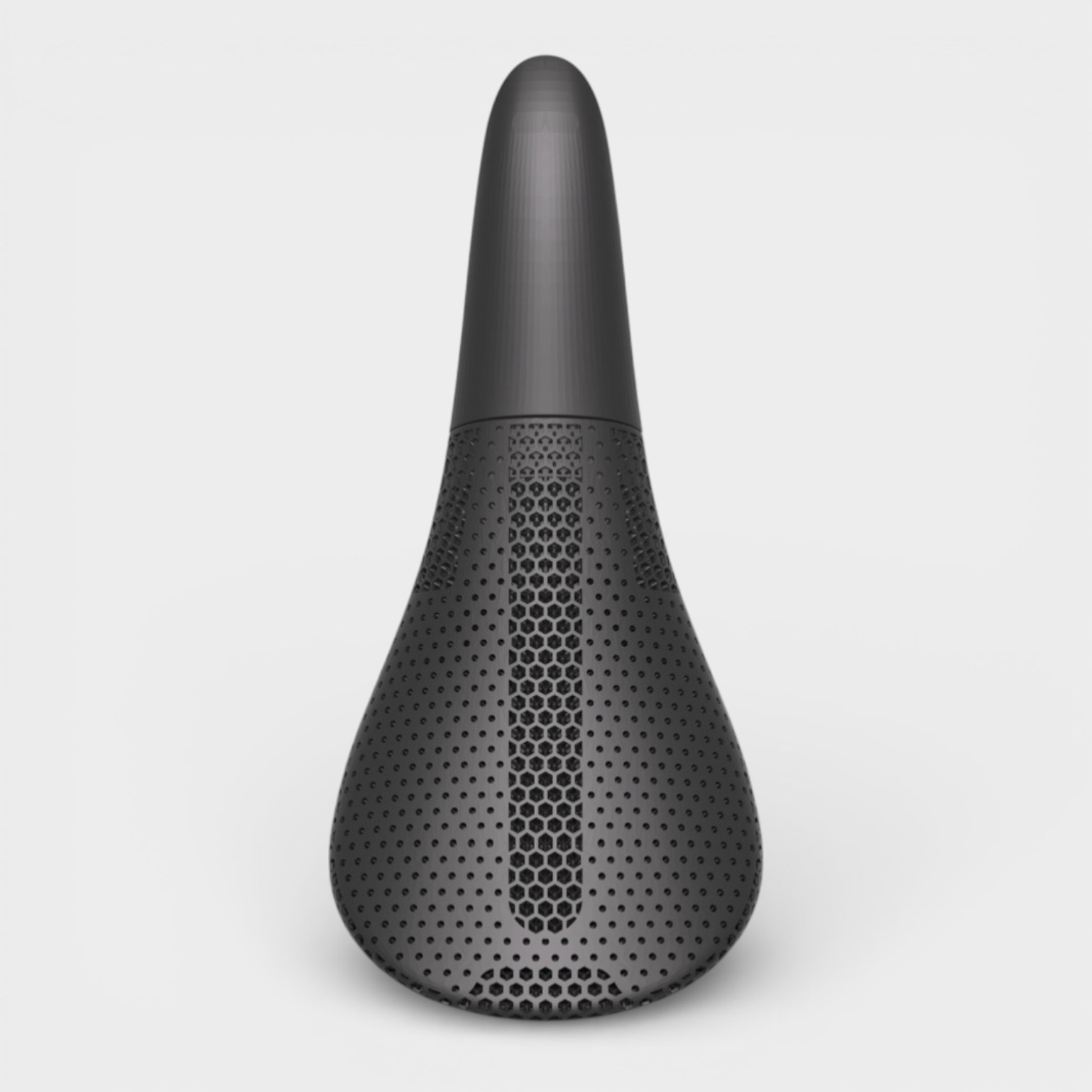
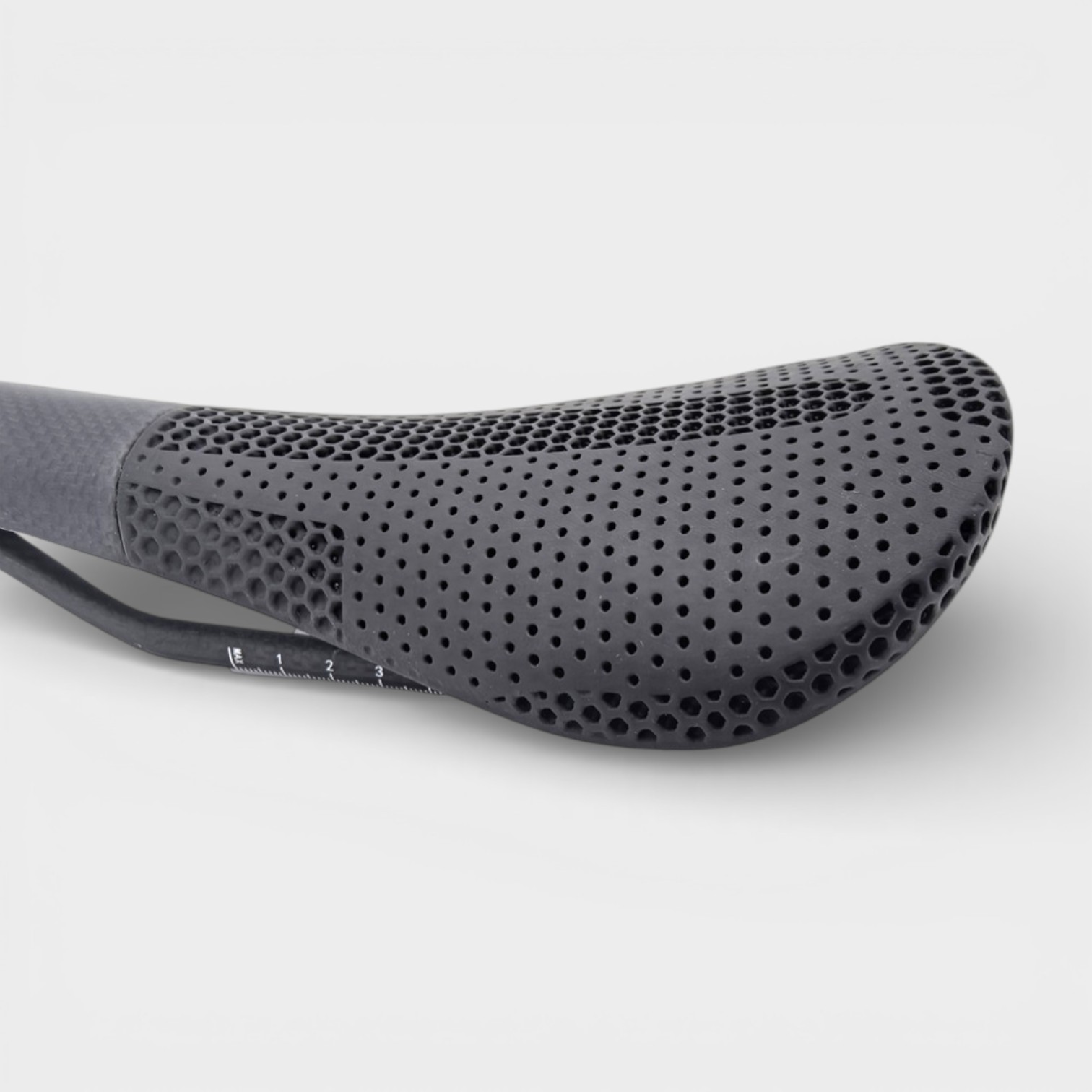
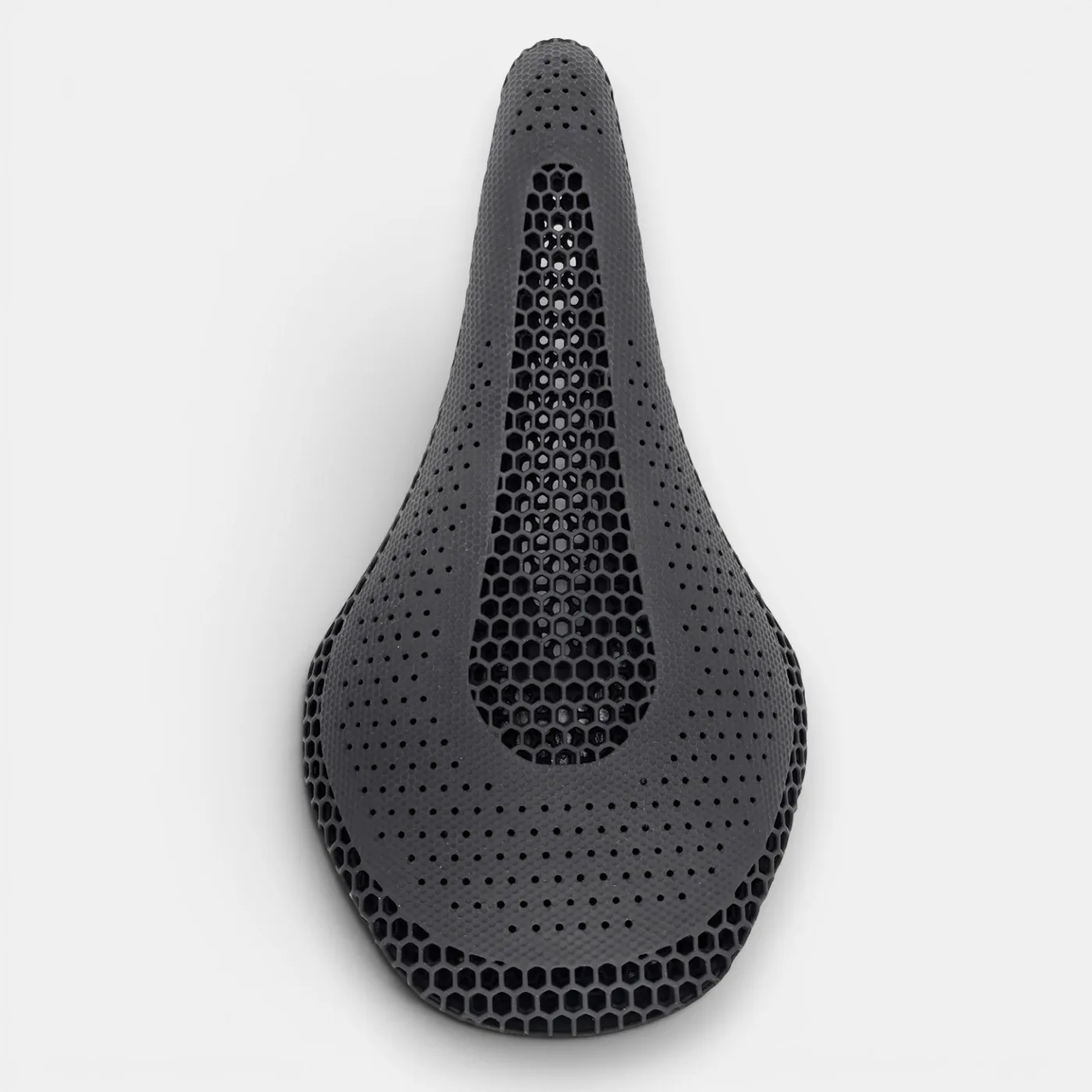
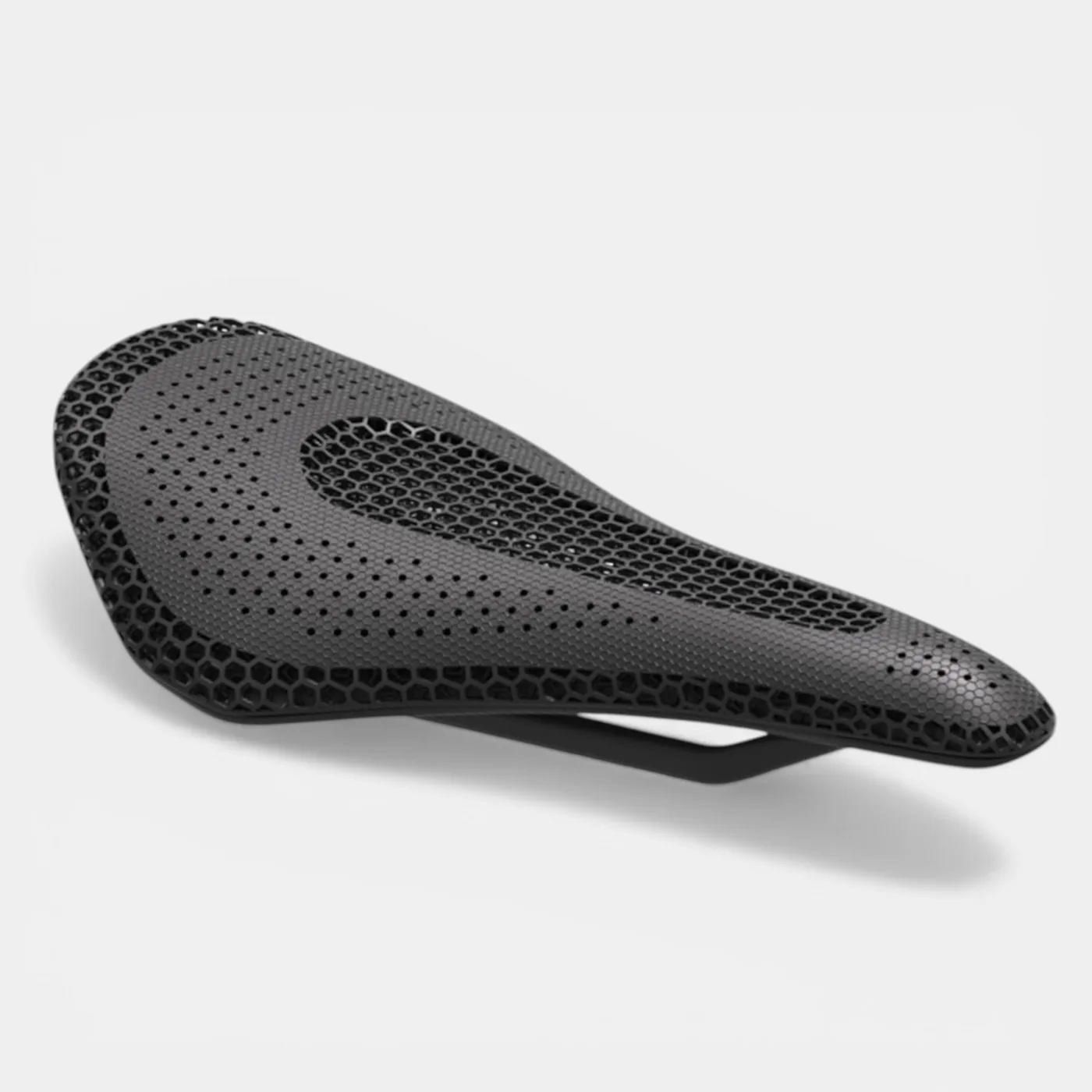
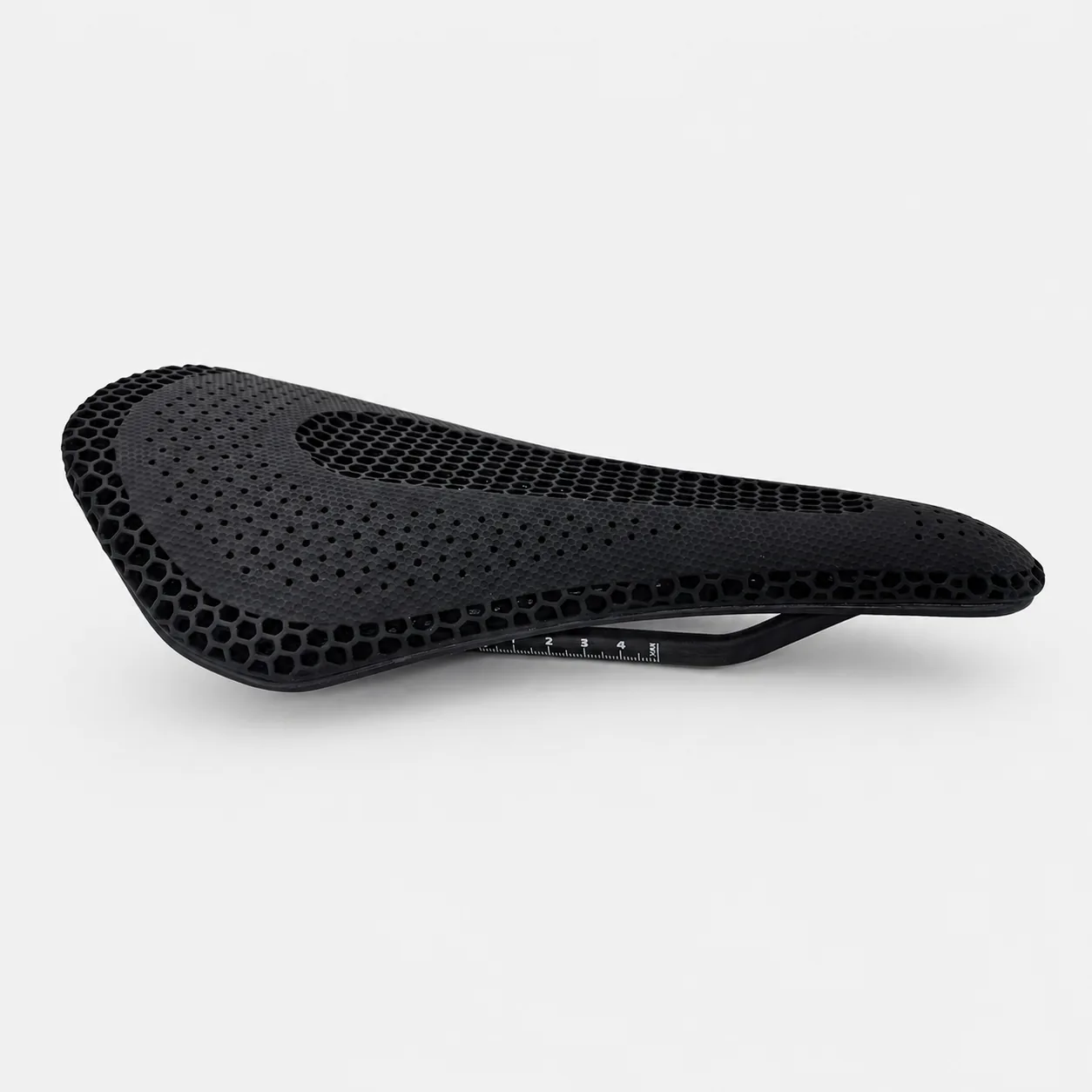
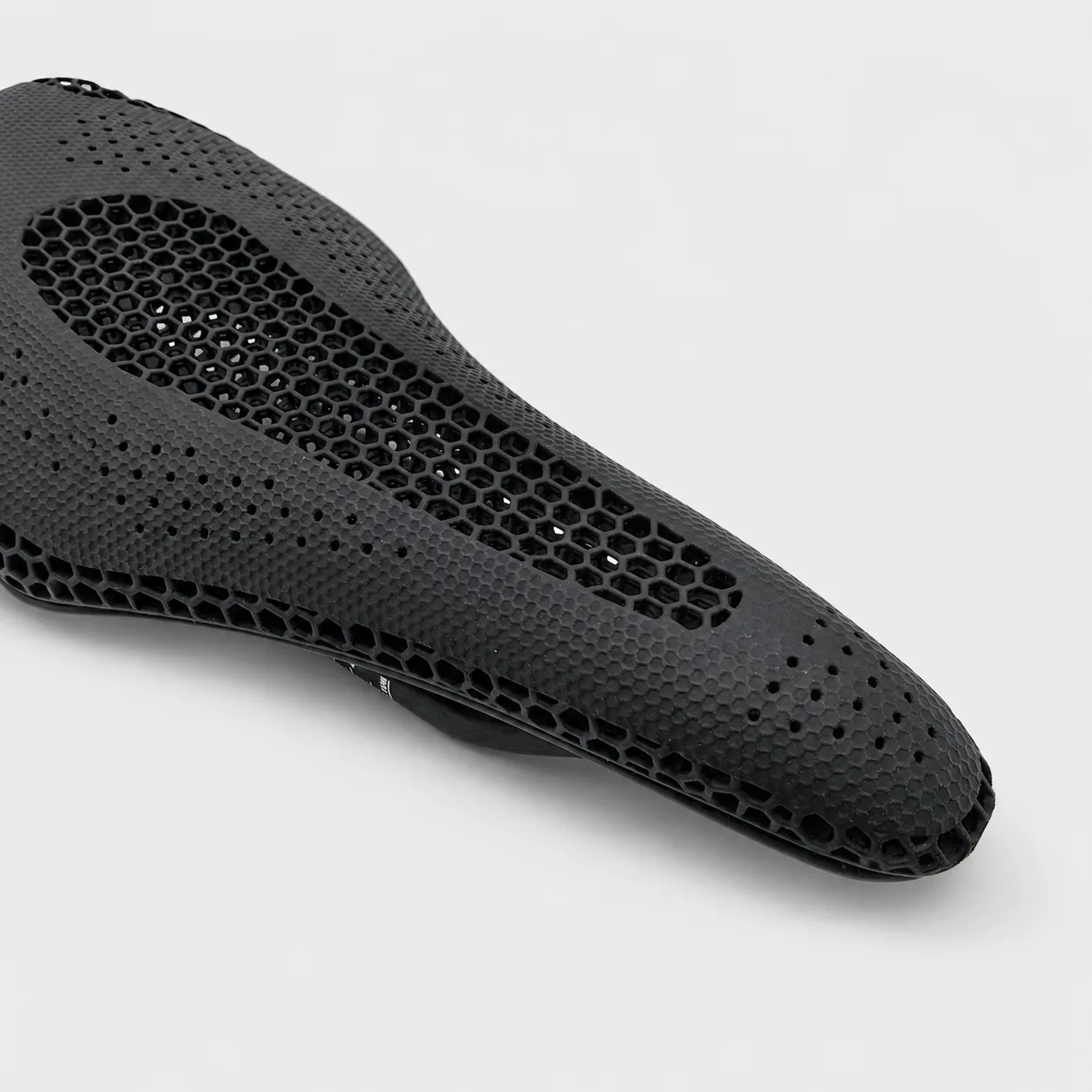
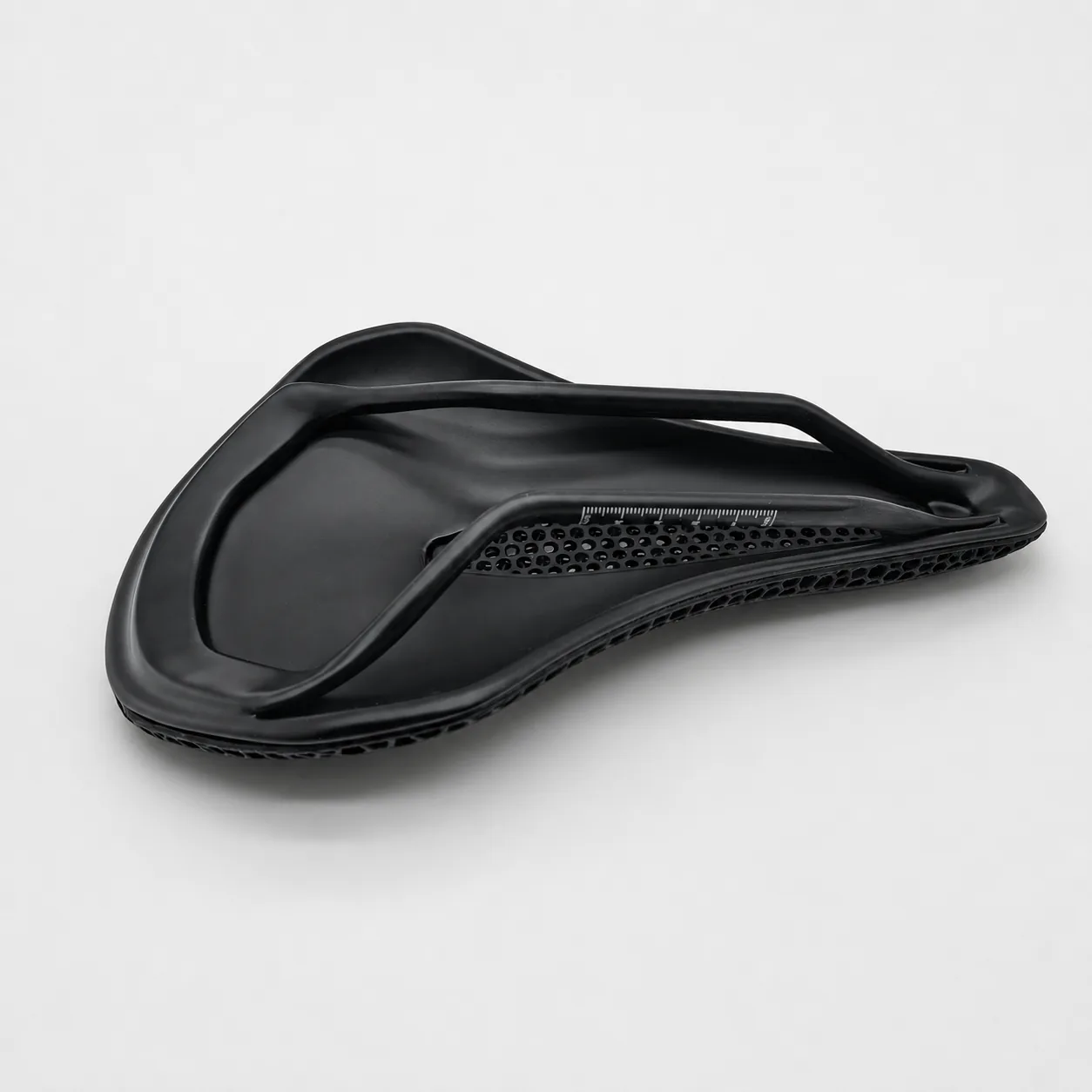
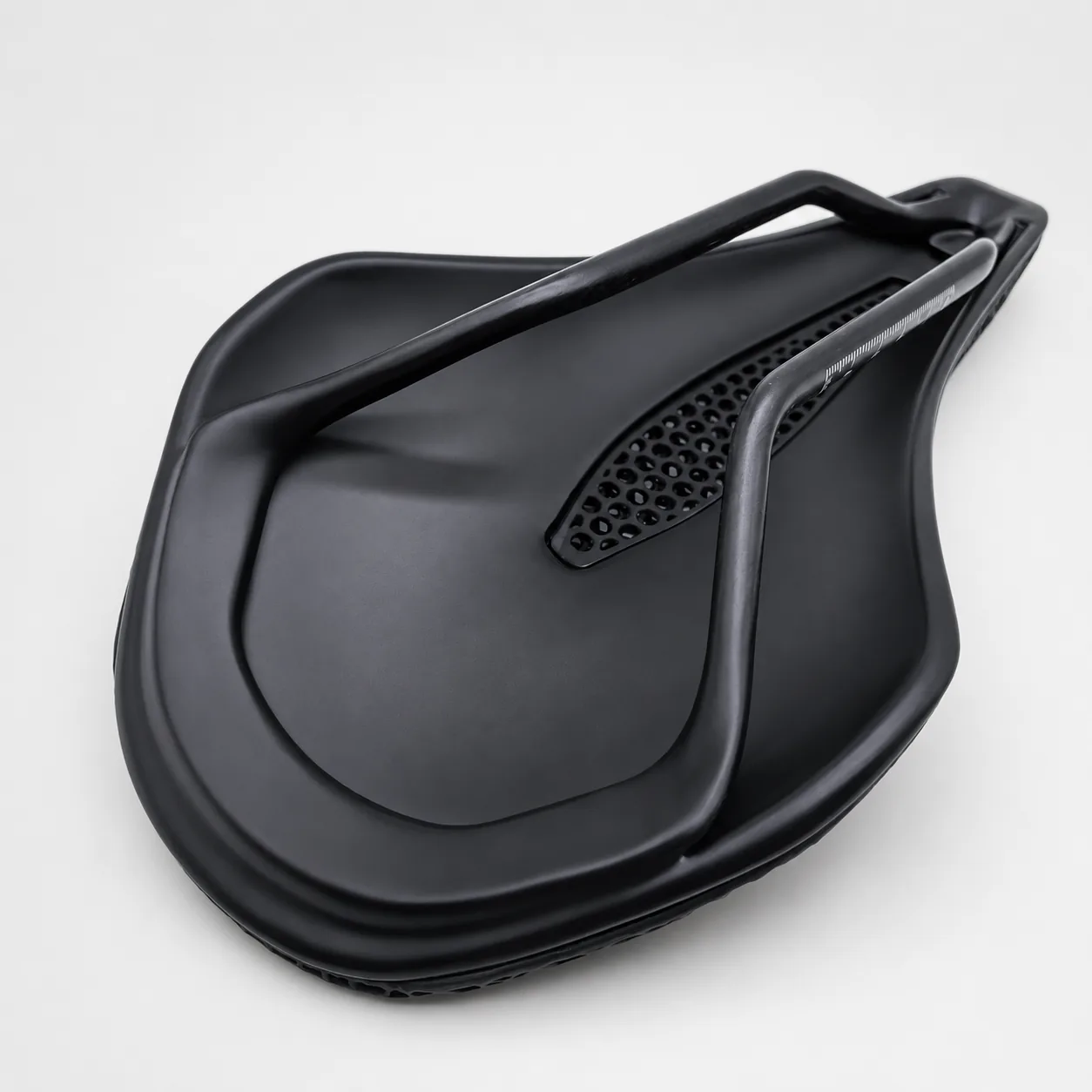
The most frequently shortlisted platforms on this page are the K40 — a 170g full-carbon road platform available as one of SPROKETO’s 3D-printed saddle platform options — alongside the WKL-2401 flagship lightweight road / race build and the S27, a wider value-positioned platform suited to comfort, urban, and e-bike OEM programs.
Who This Range Is For
Built for B2B saddle sourcing teams
Bicycle Brands
For brands building premium, performance, endurance, or e-bike saddle lines.
Distributors
For distributors comparing models by rider segment, channel positioning, and reorder potential.
Private-Label Buyers
For buyers requiring model selection, logo, packaging, sampling, and production support.
Full Range
All 3D printed saddle models
Complete catalogue of currently available 3D printed bicycle saddle platforms. Click any model to view full specifications, OEM customisation scope, and to start a project inquiry for that specific model.
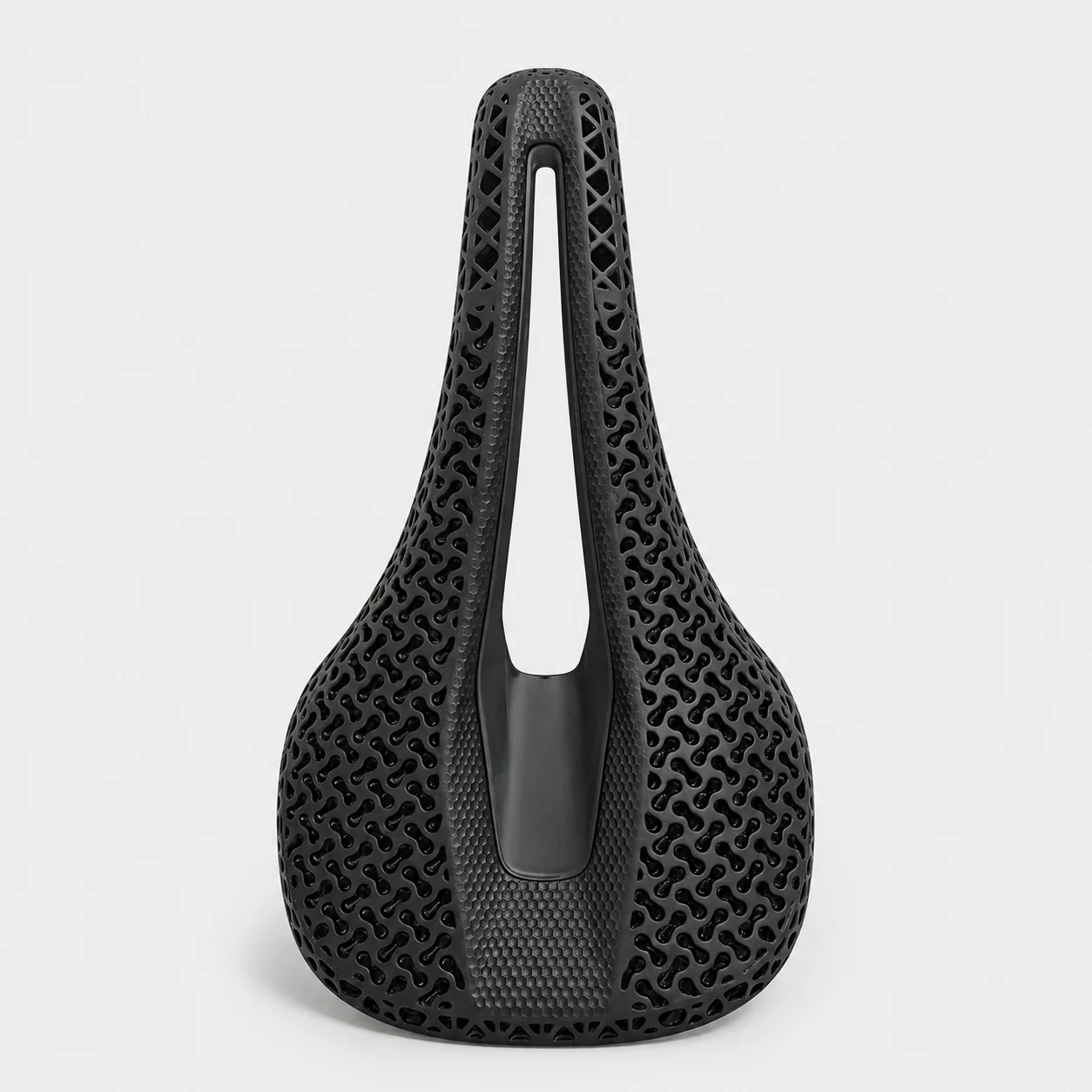
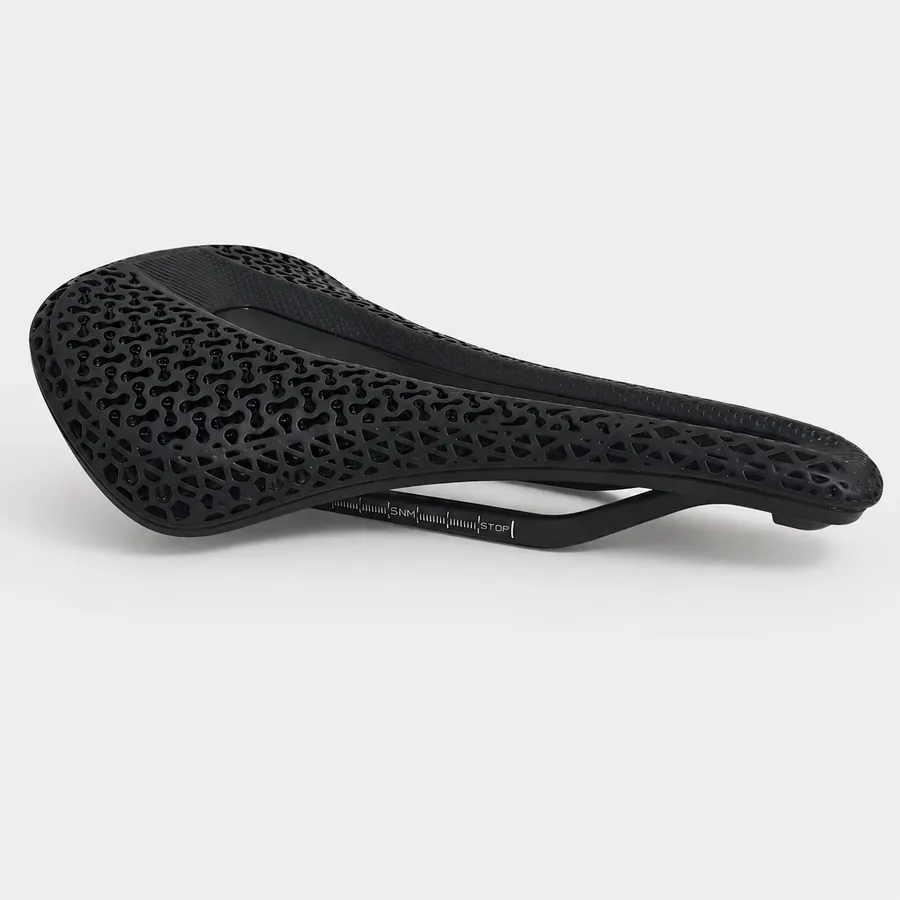
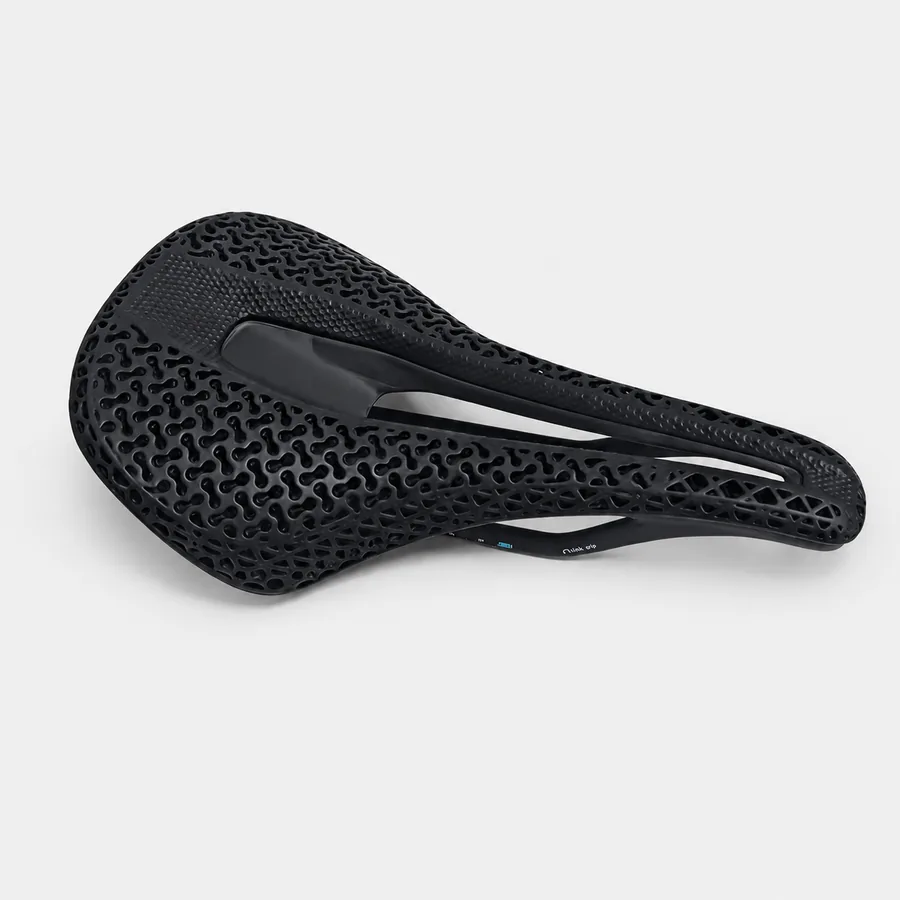
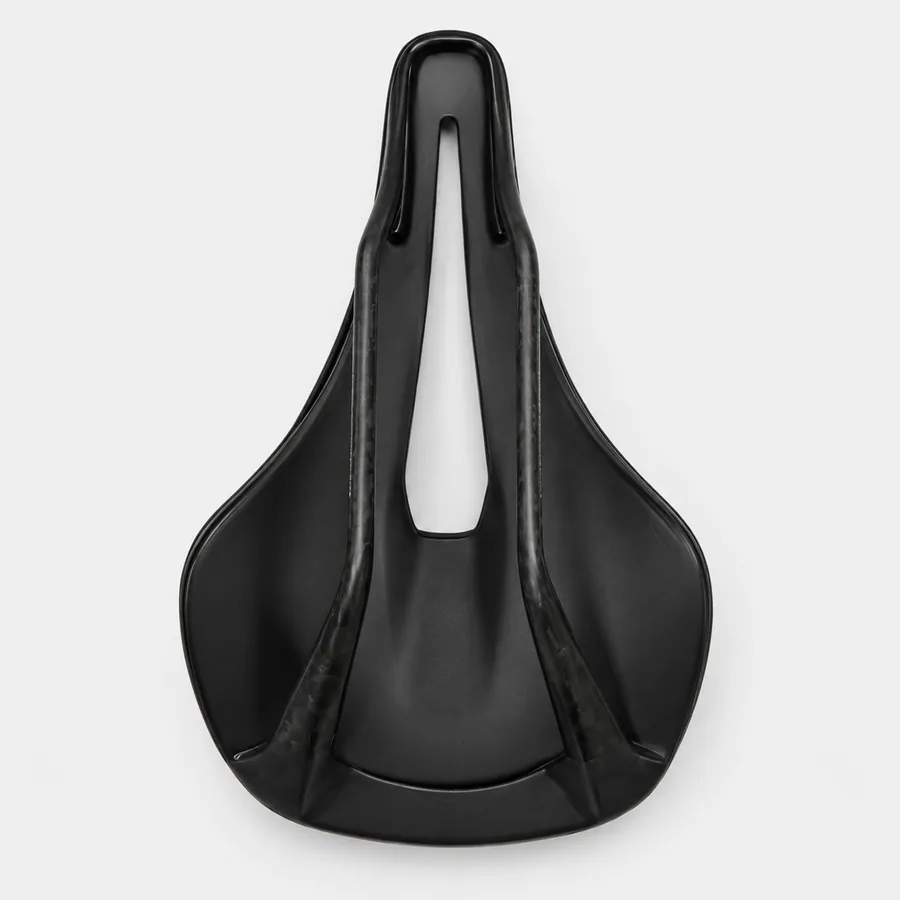
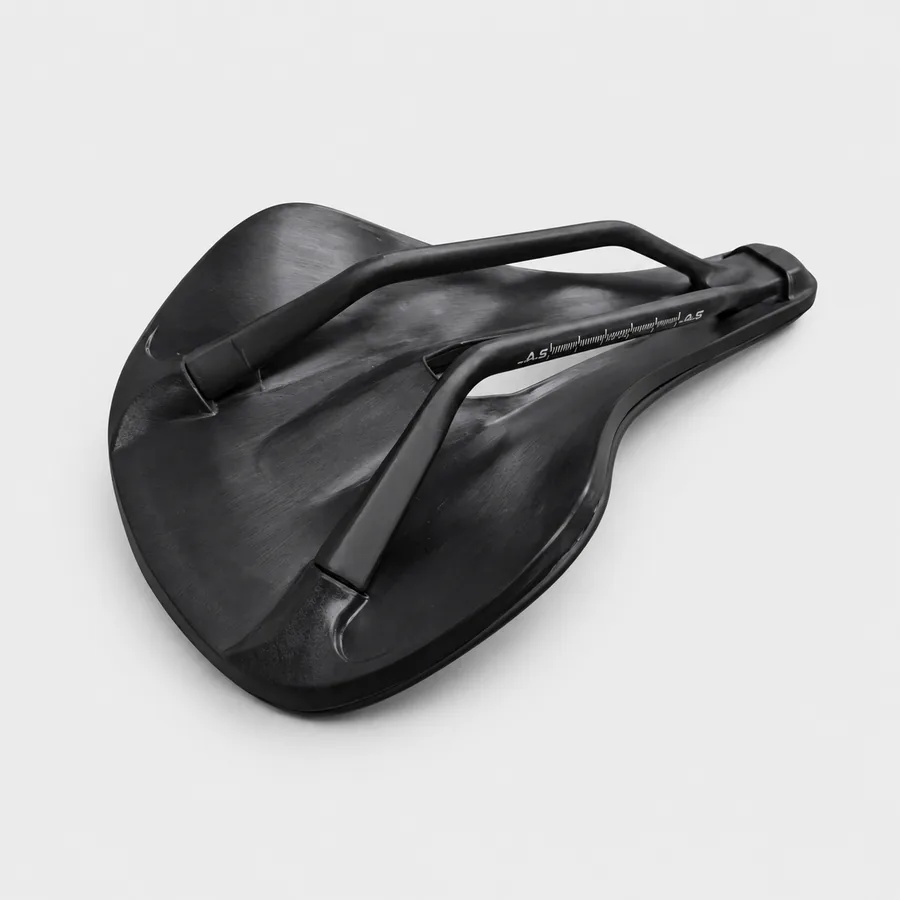
3D Printed Saddle
S160
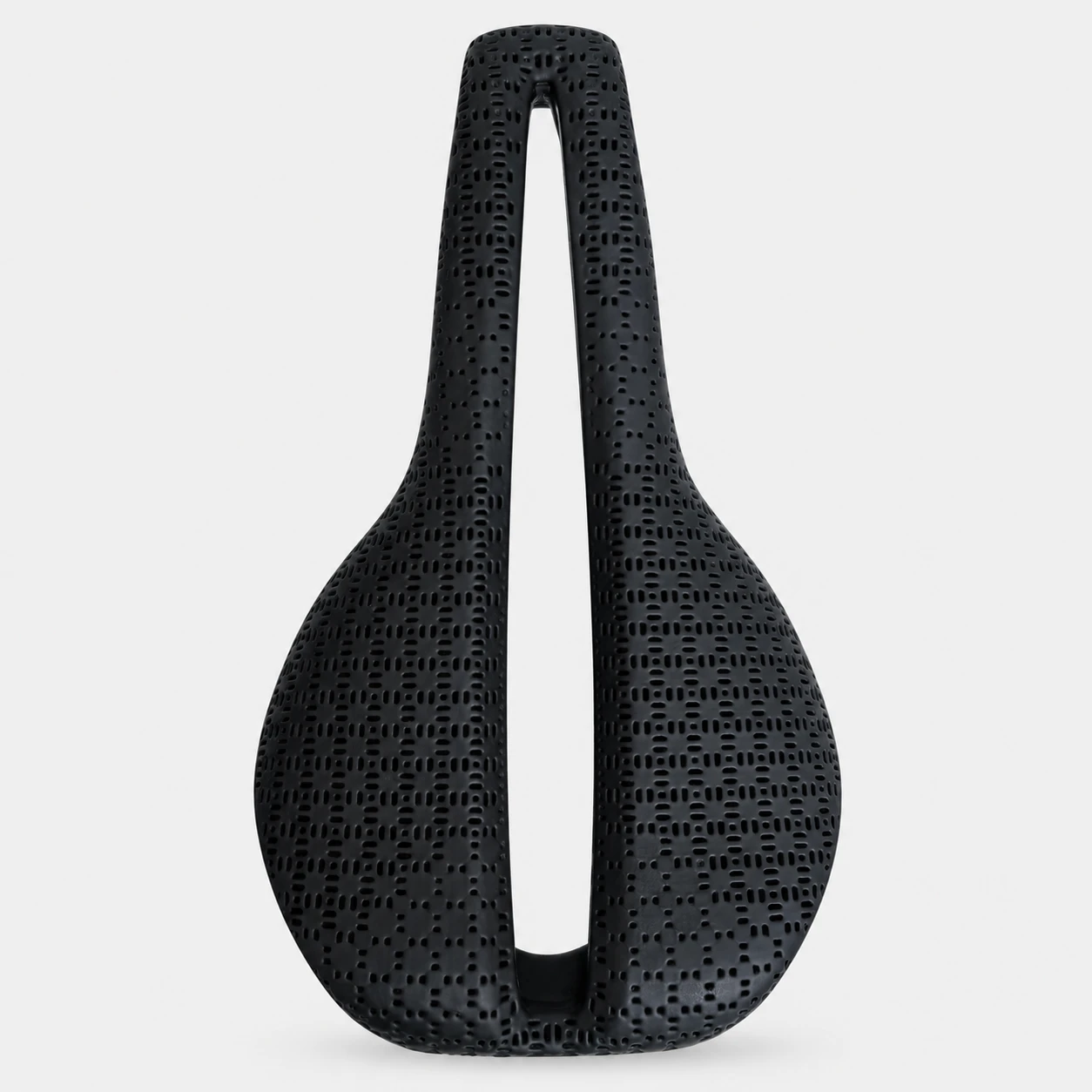
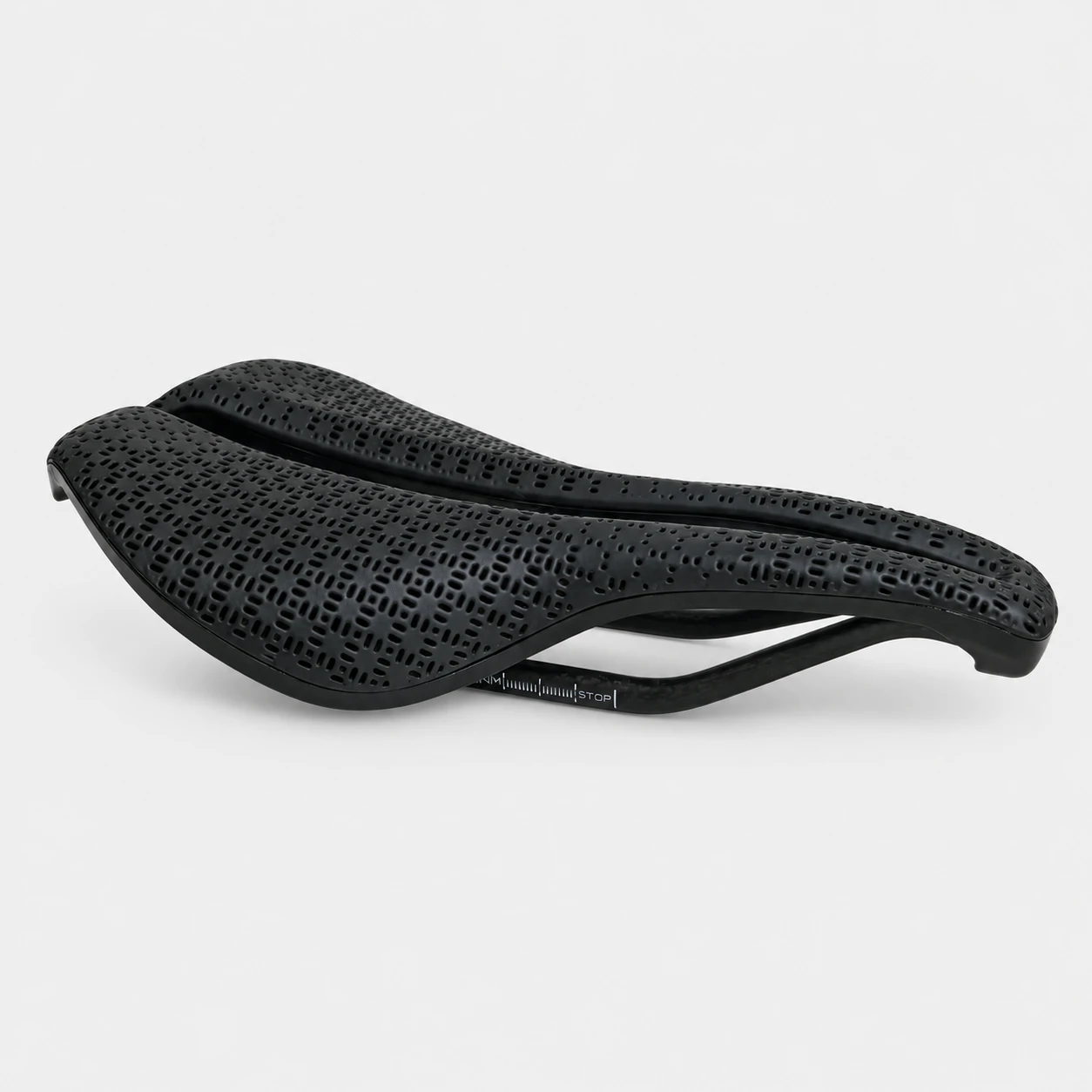
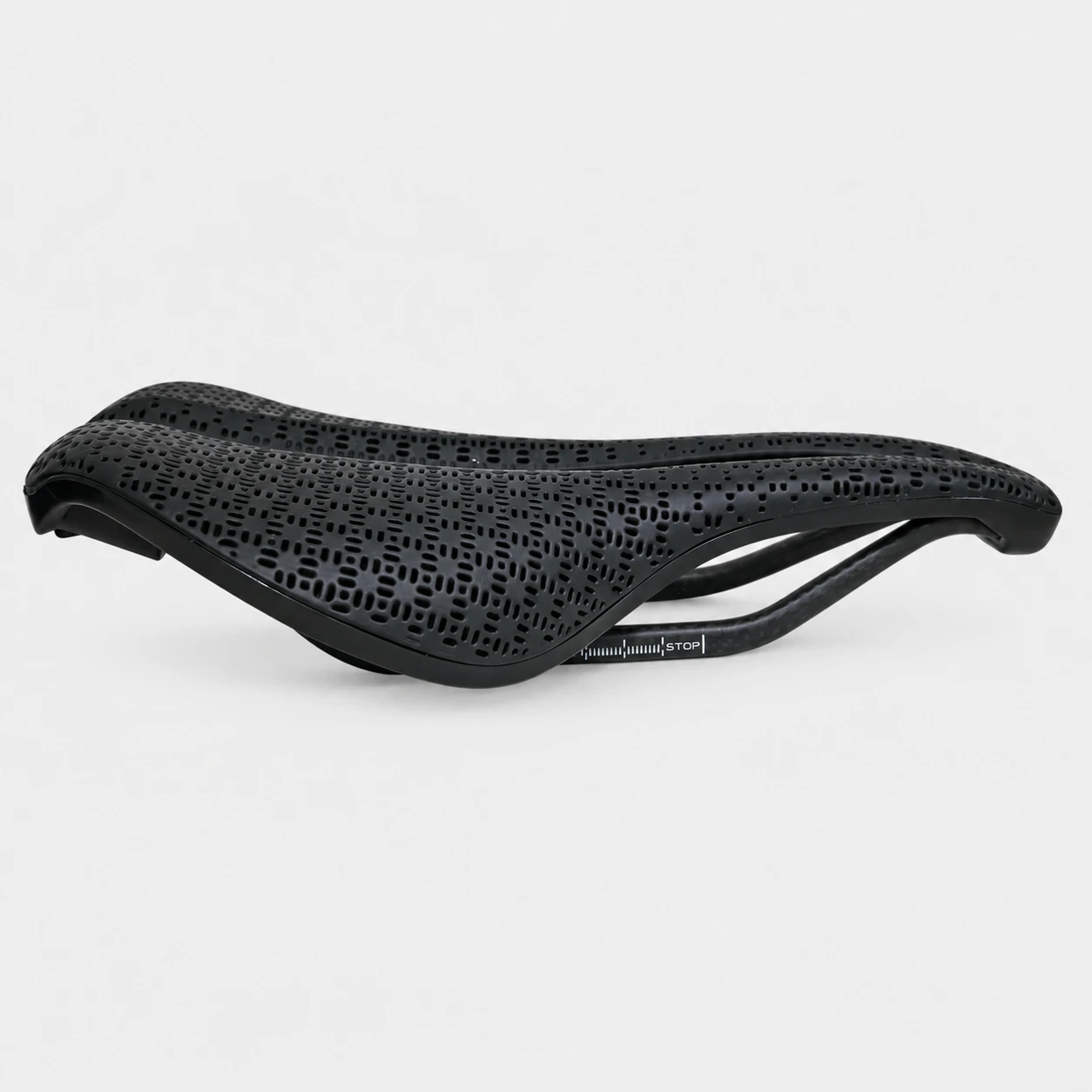
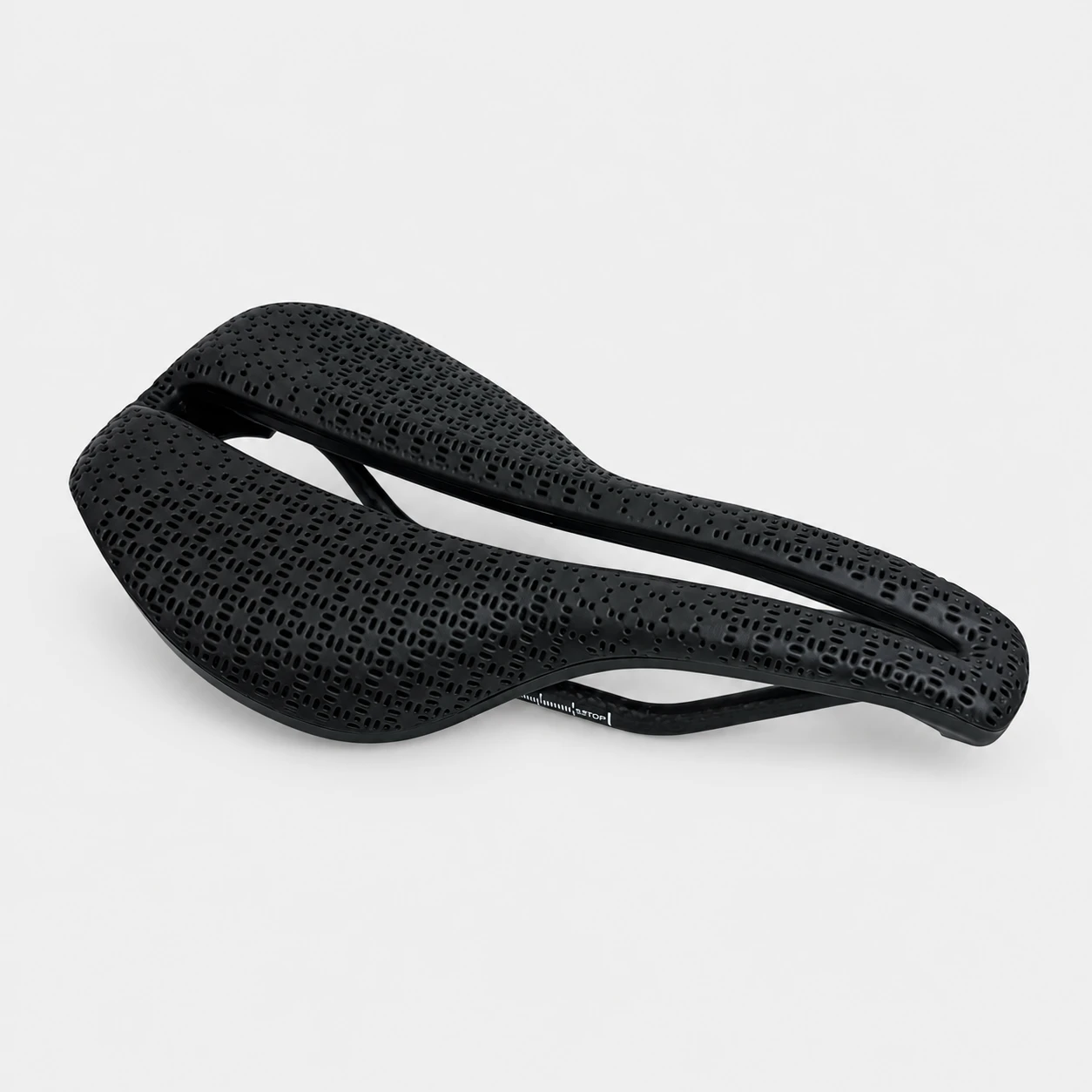
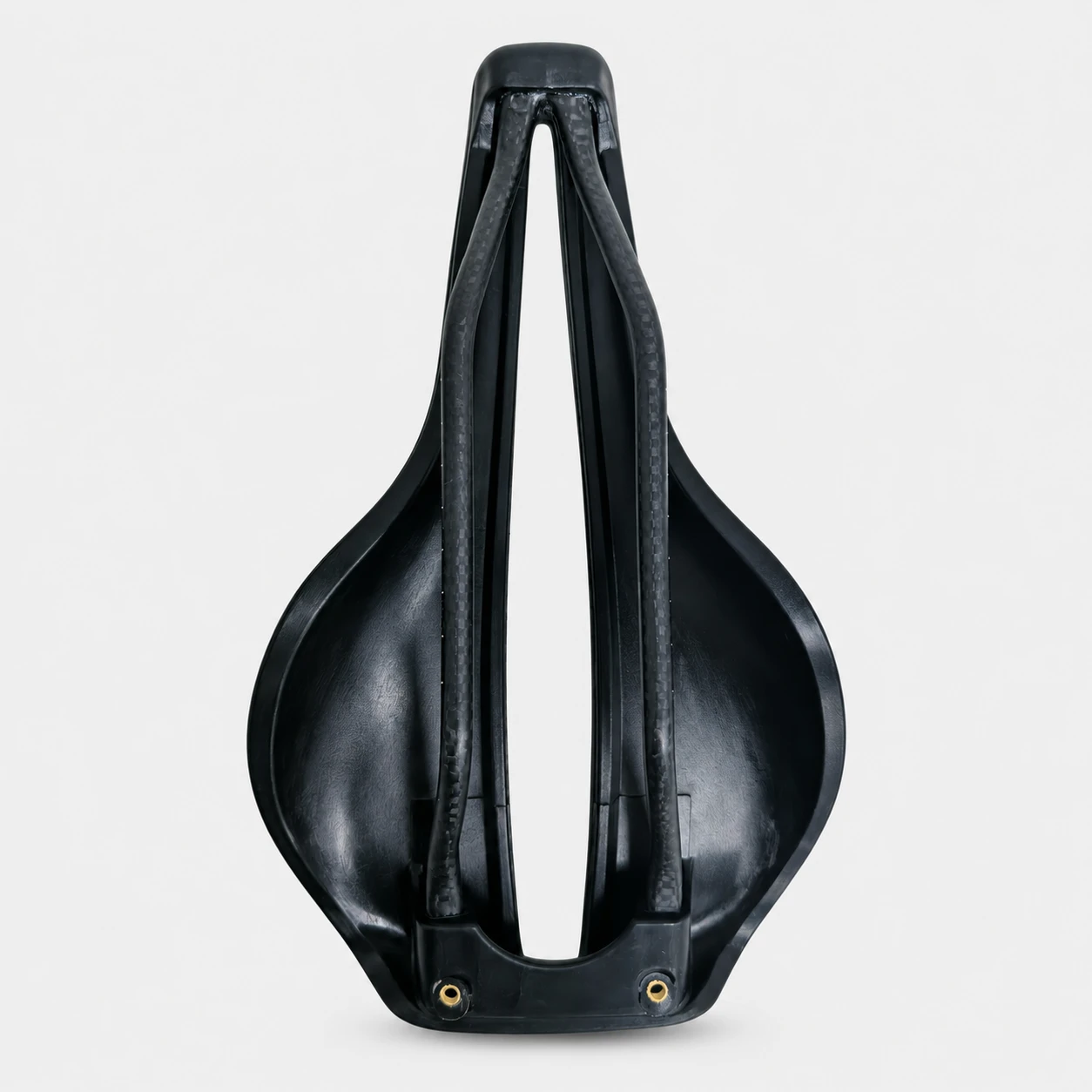
3D Printed Saddle
V-S007
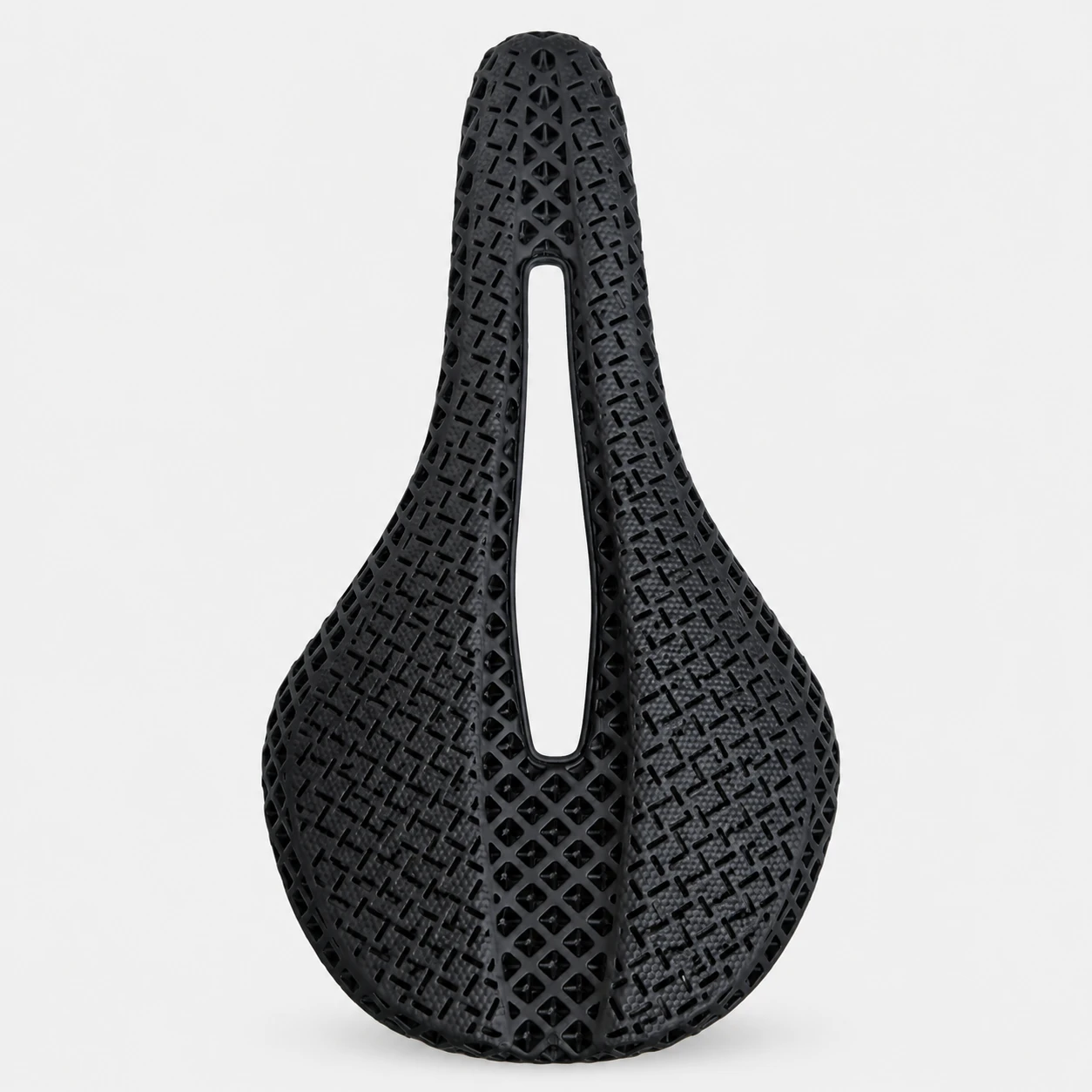
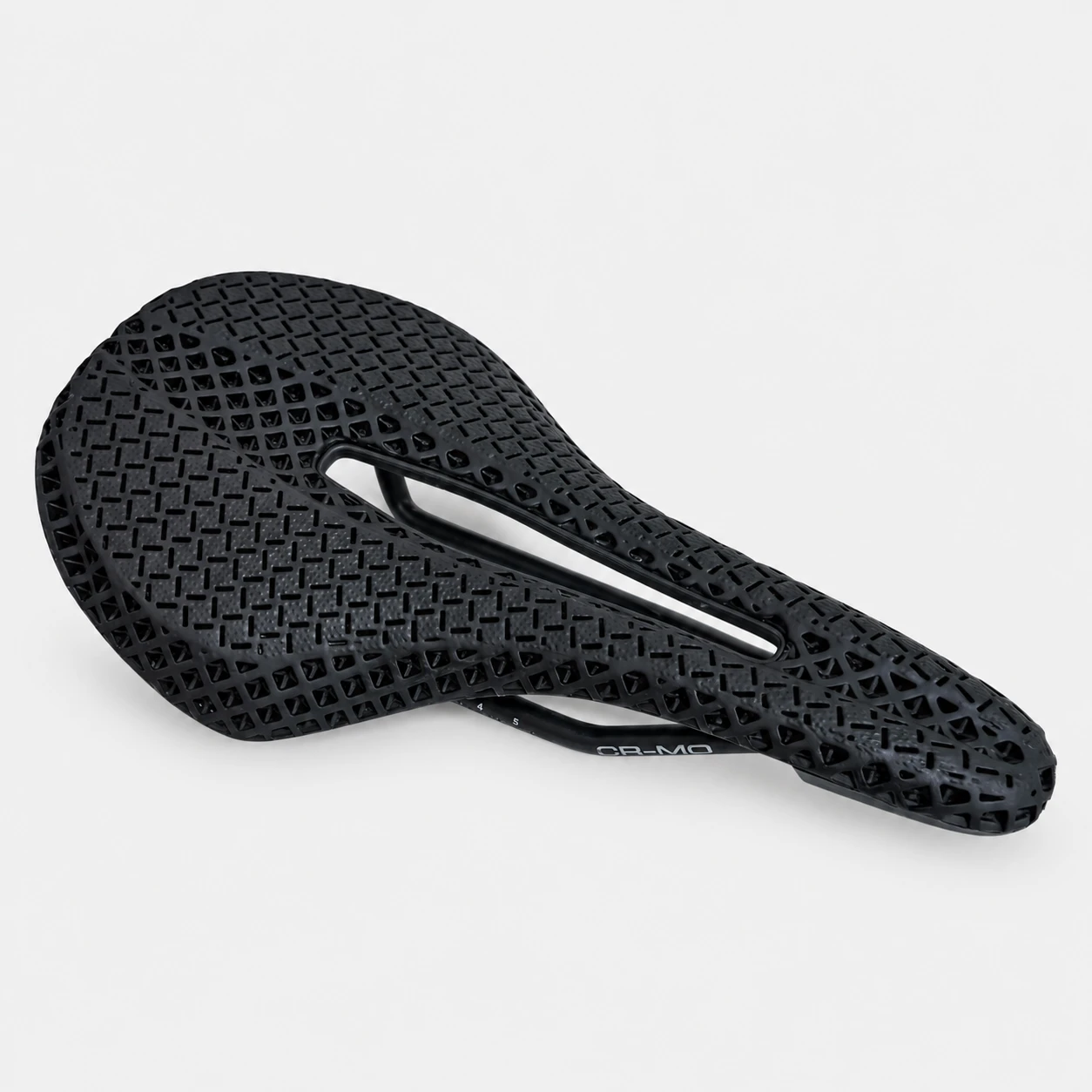
3D Printed Saddle
S181 BP-150
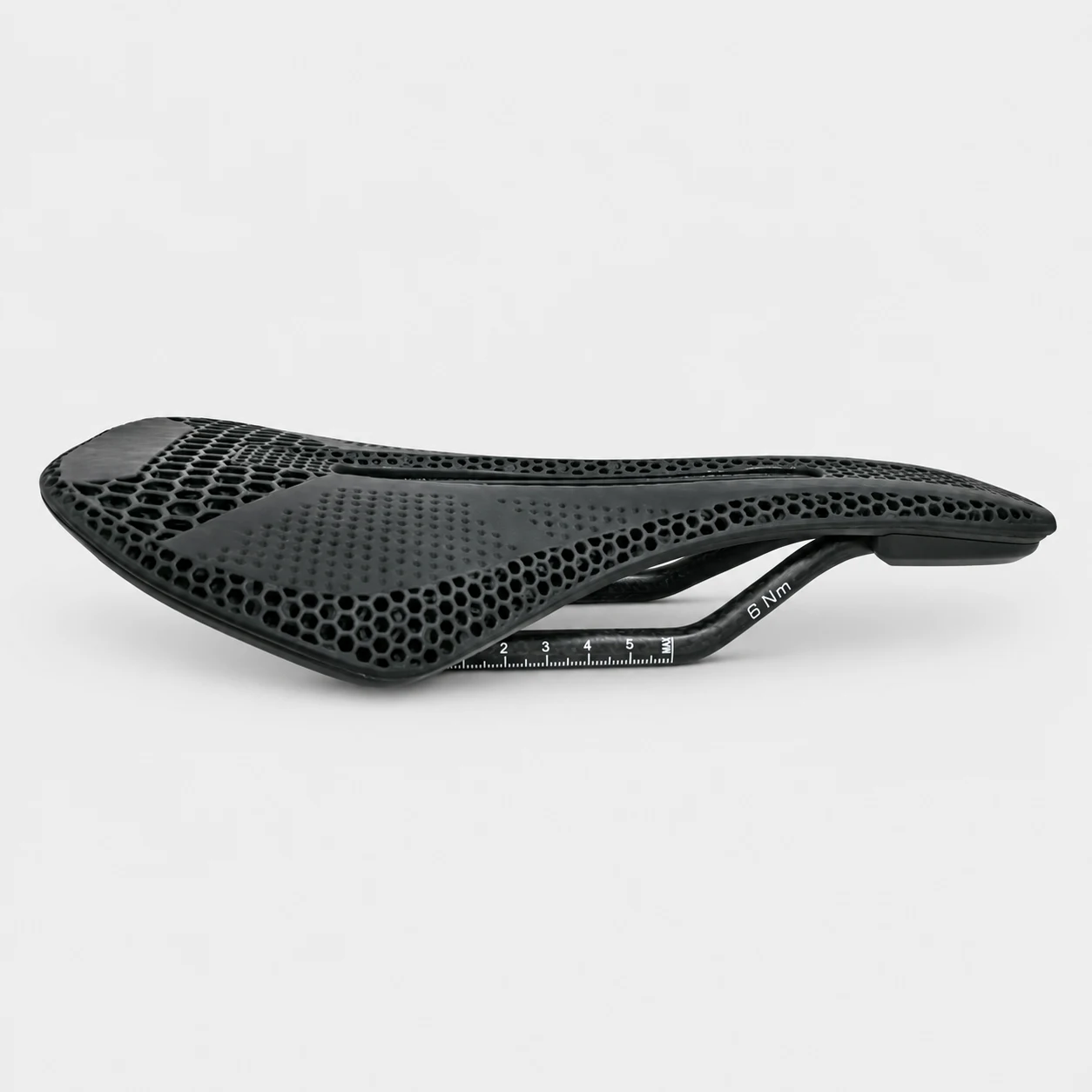
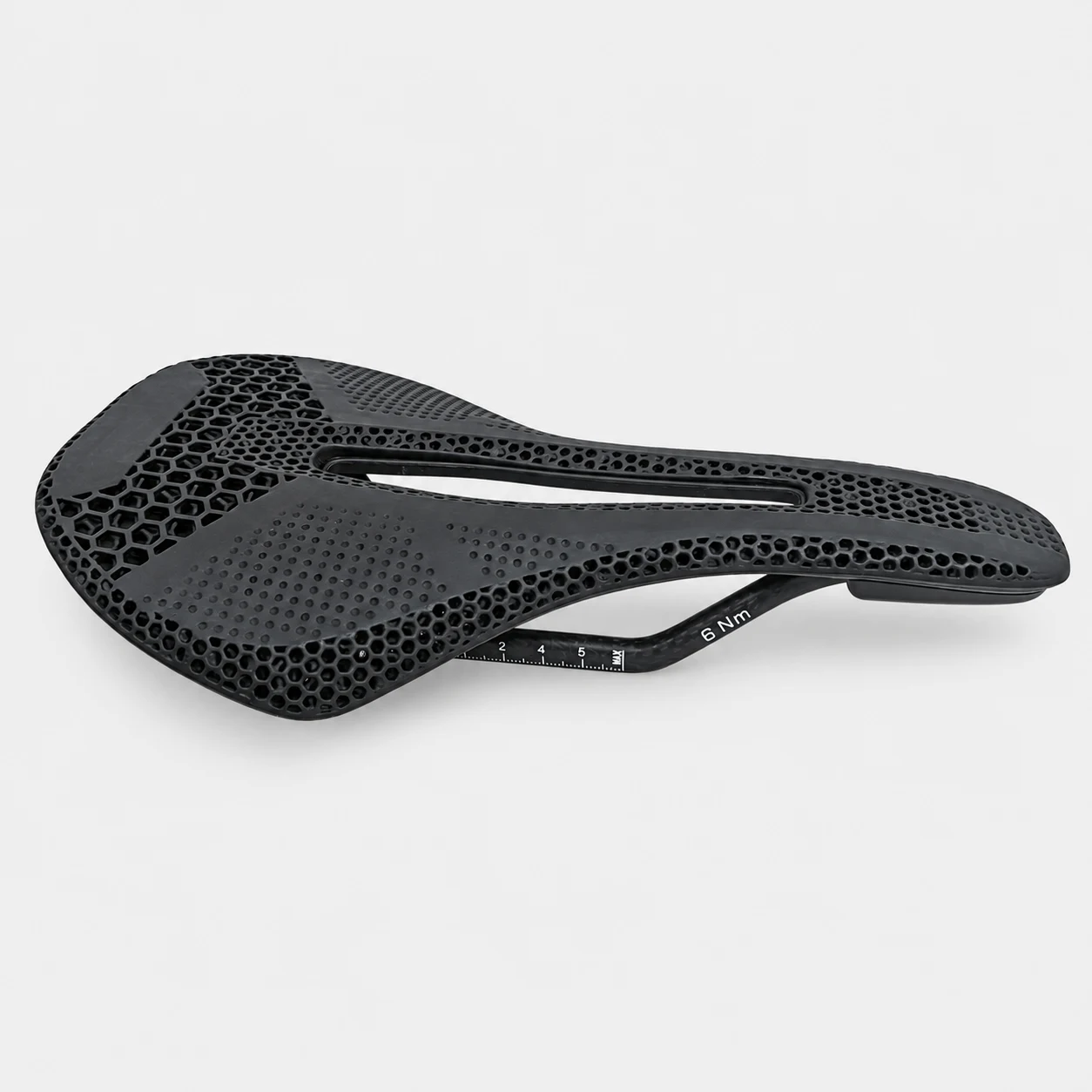
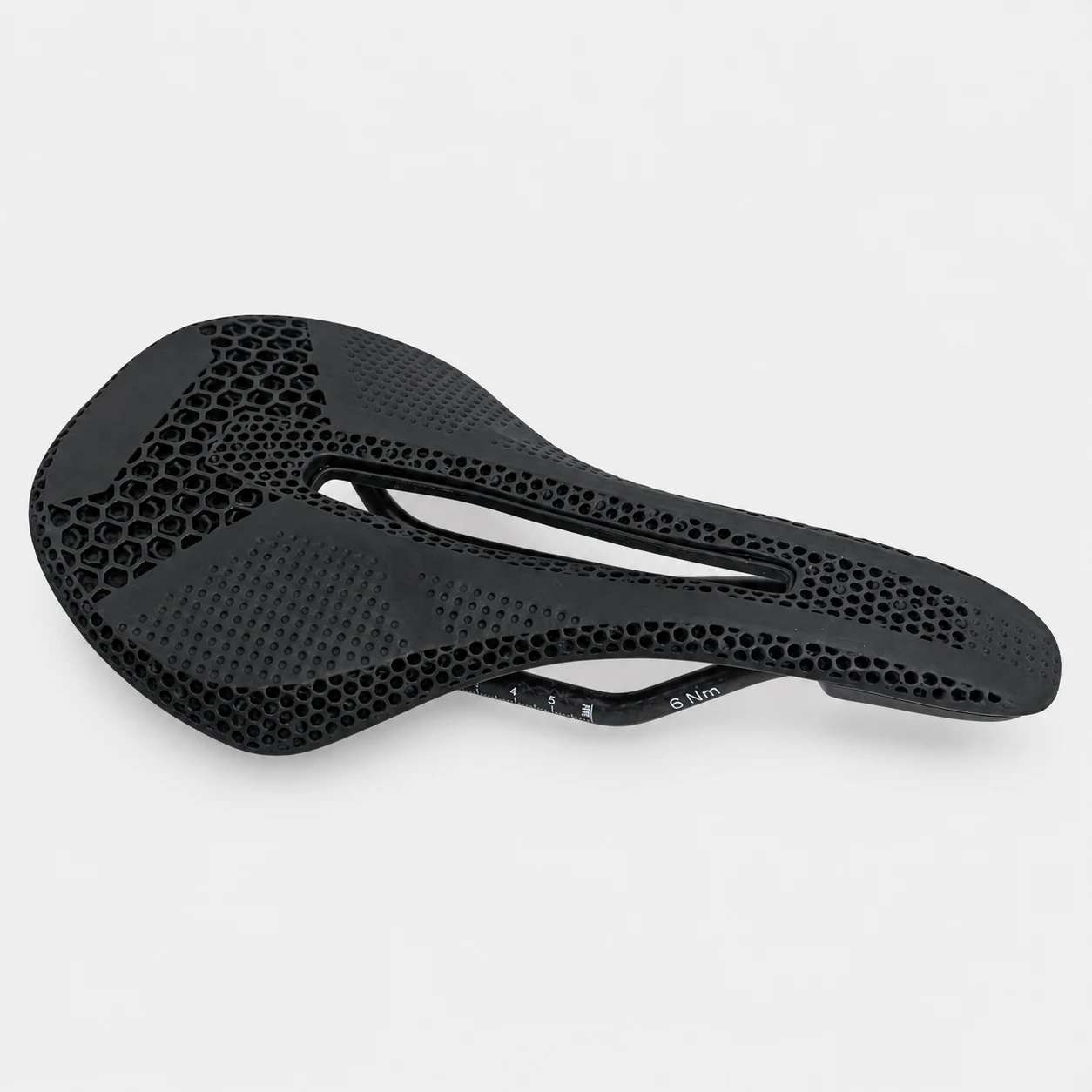
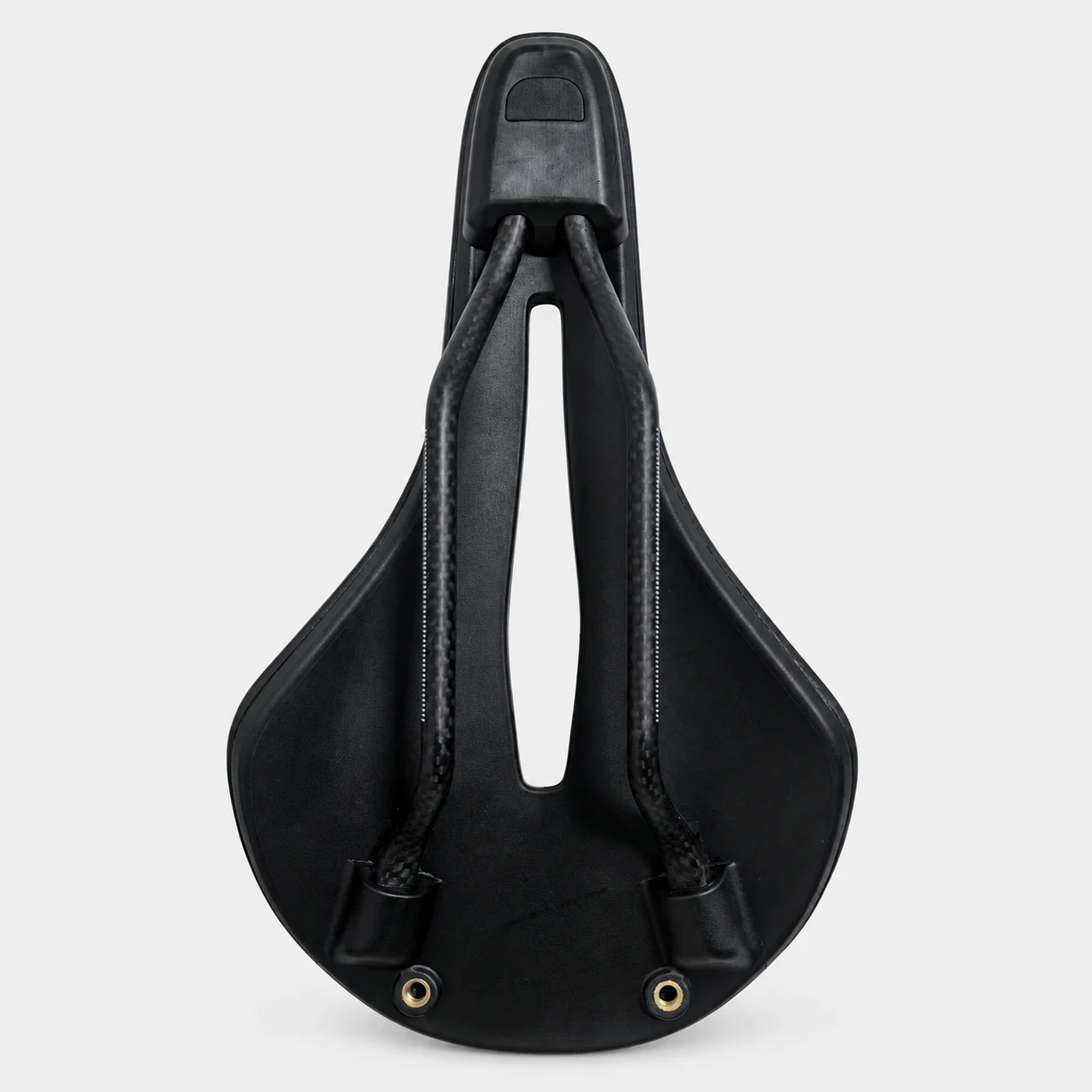
3D Printed Saddle
S181 AP-150
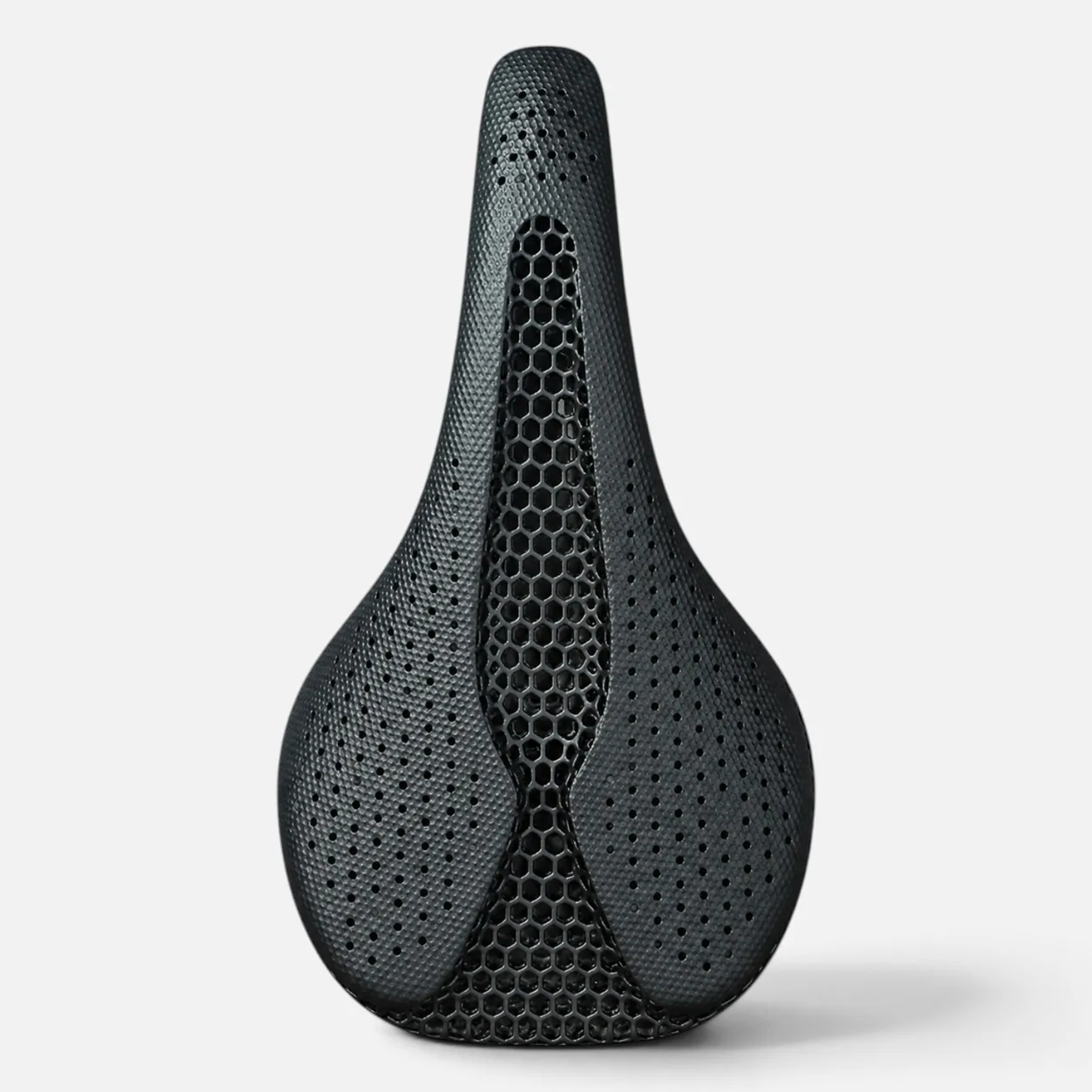
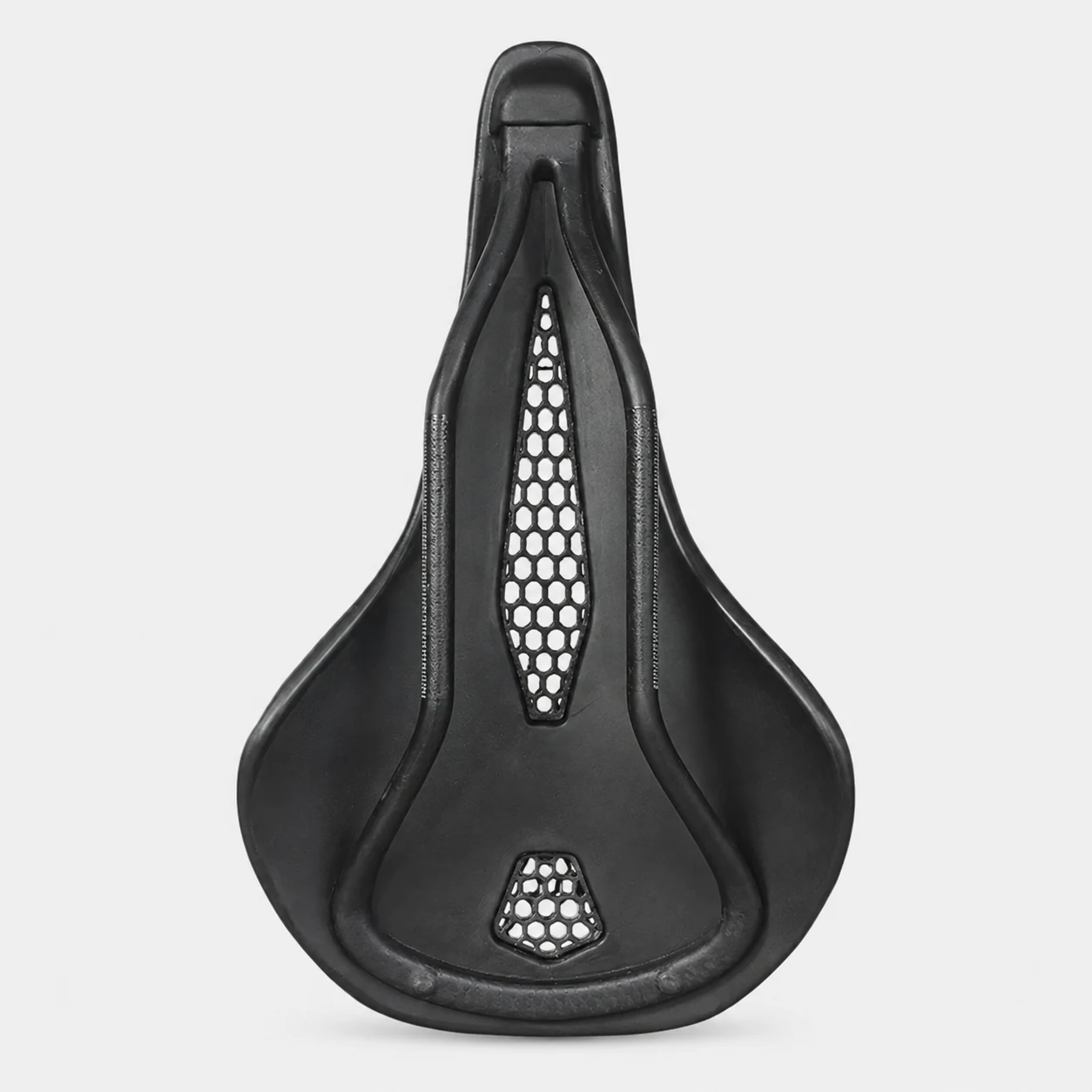
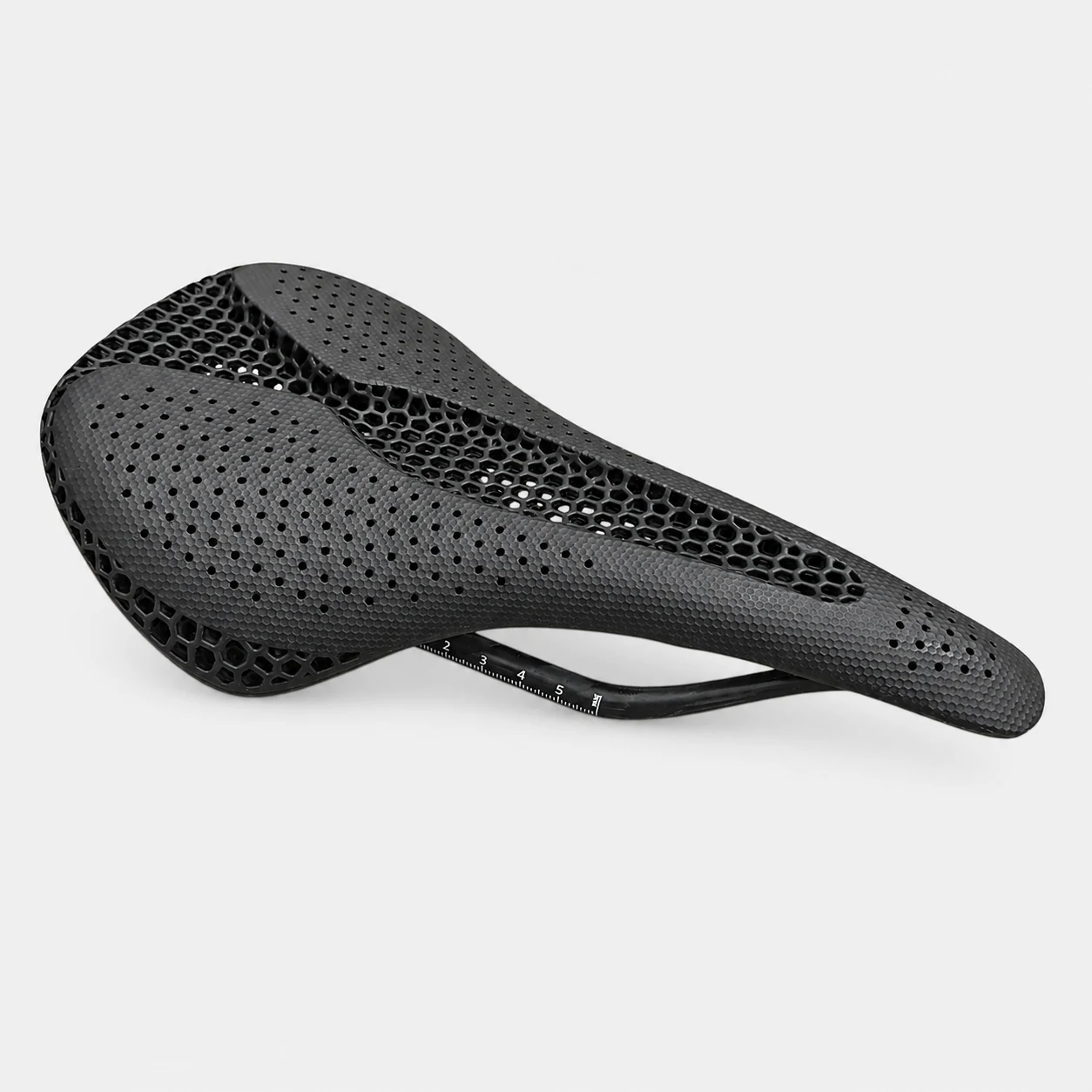
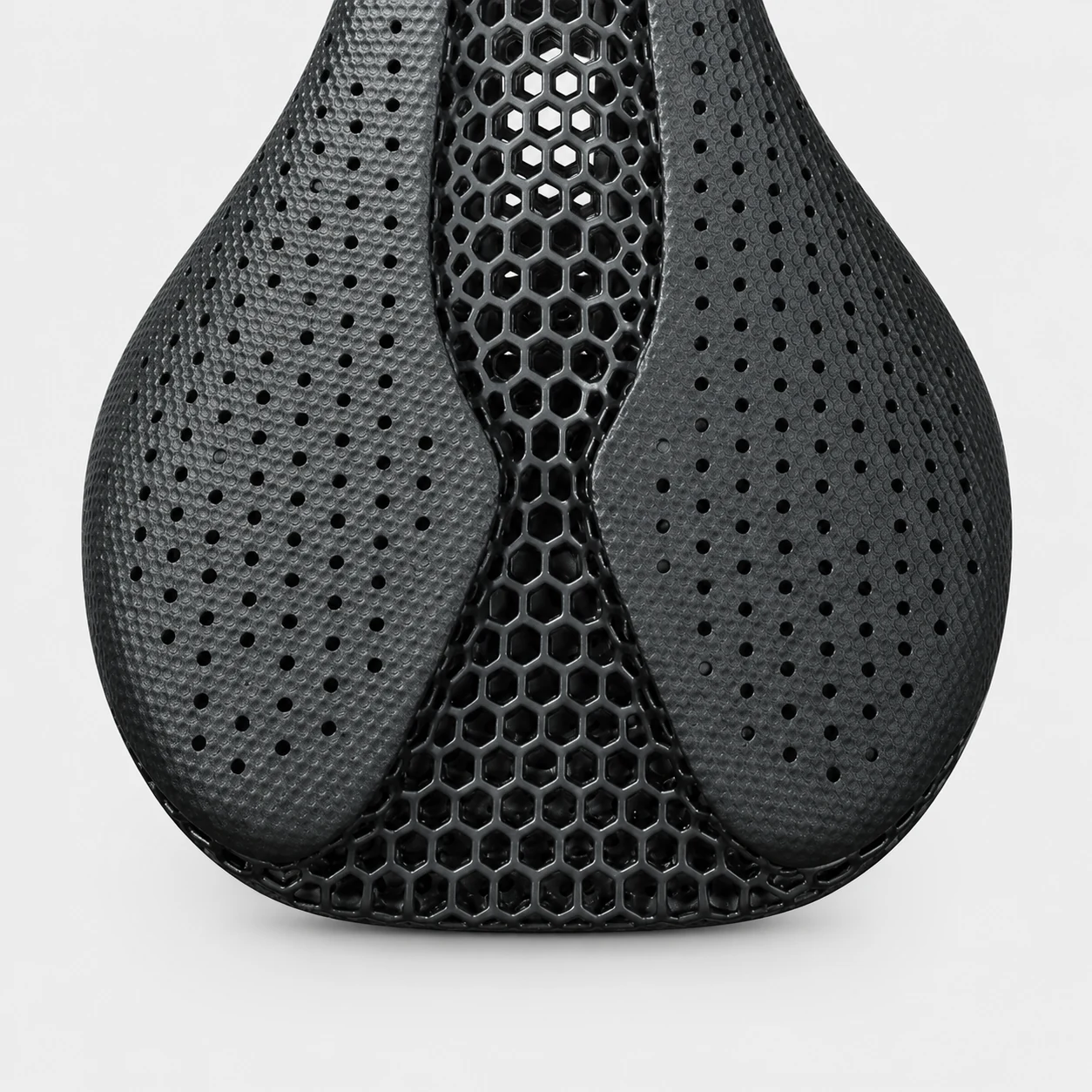
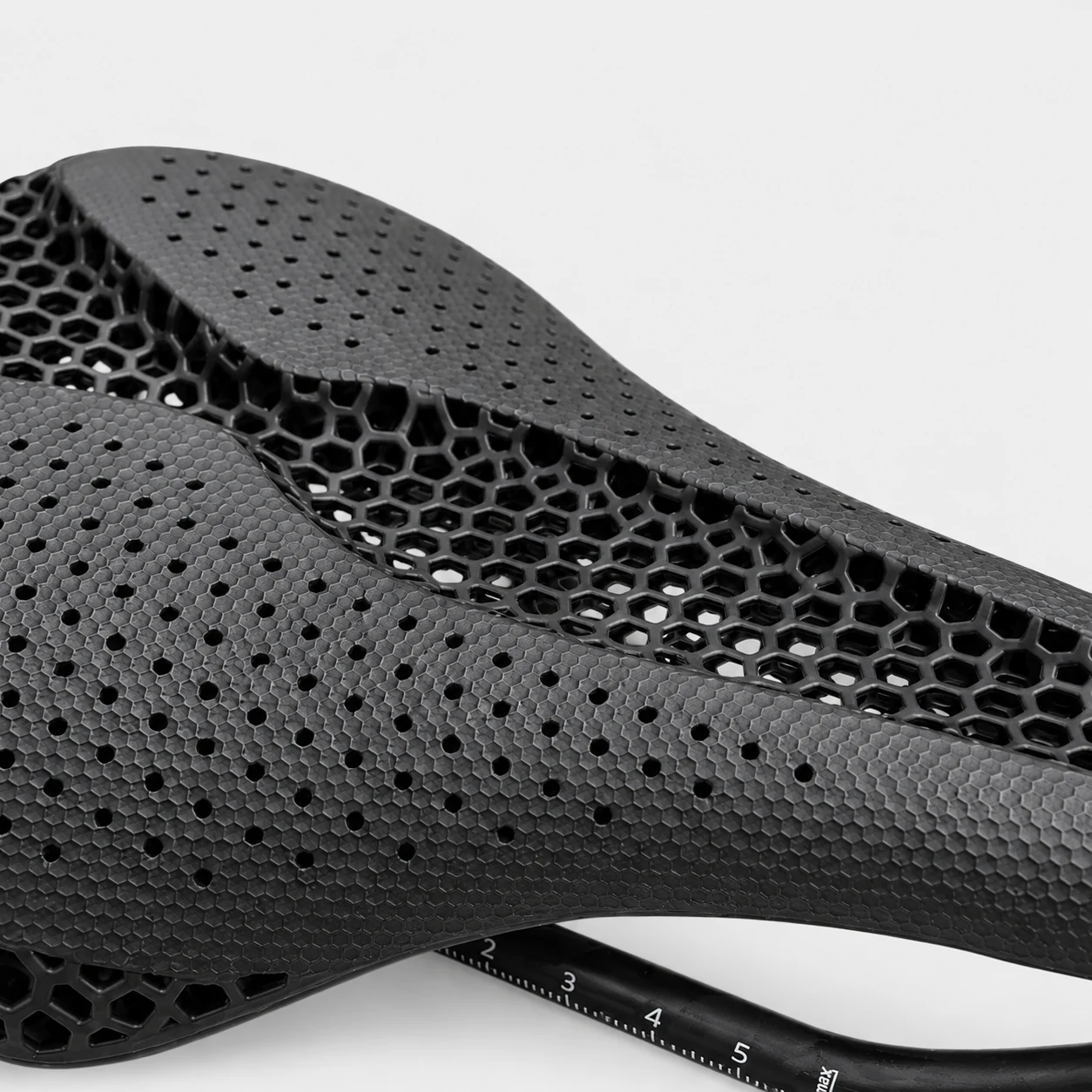
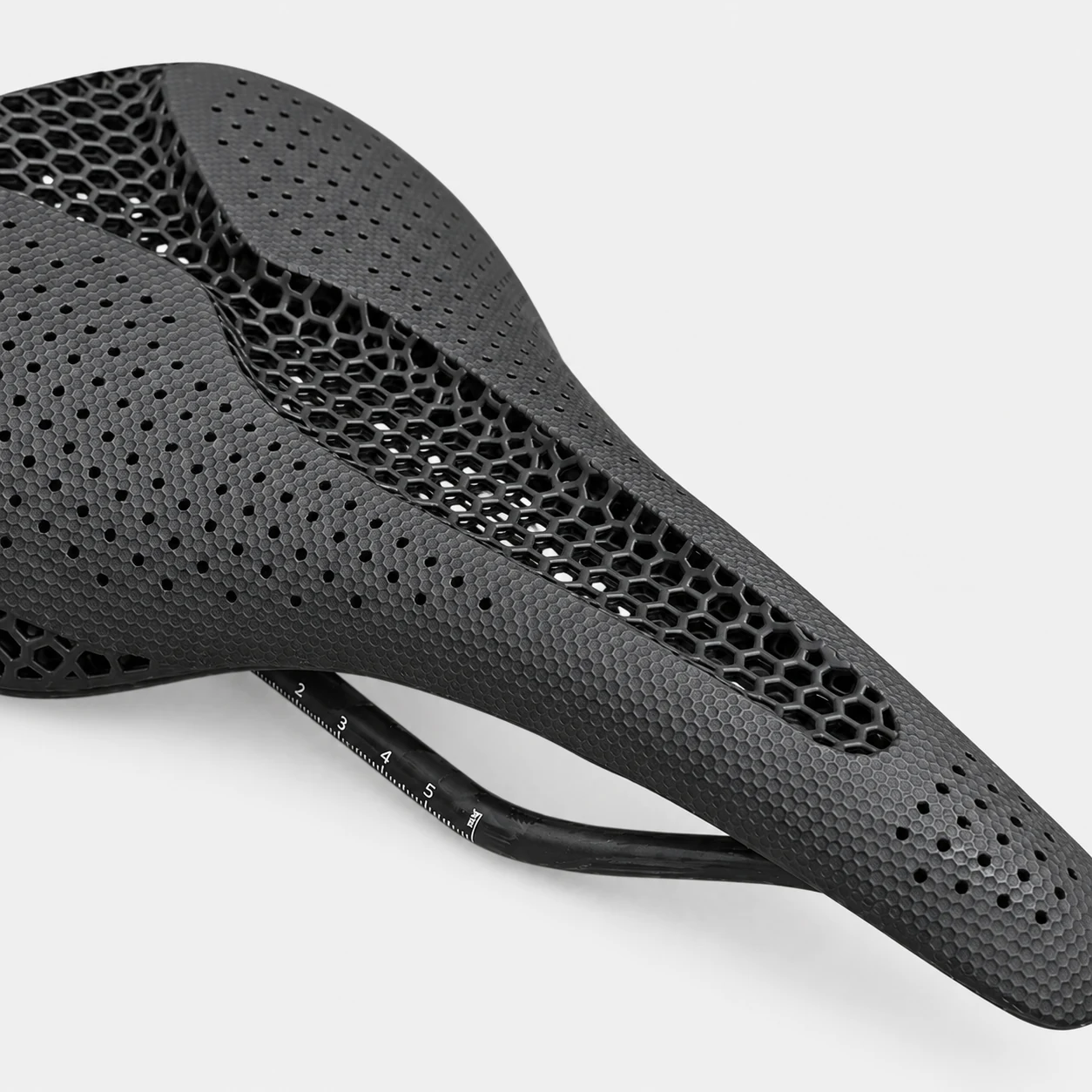
3D Printed Saddle
619
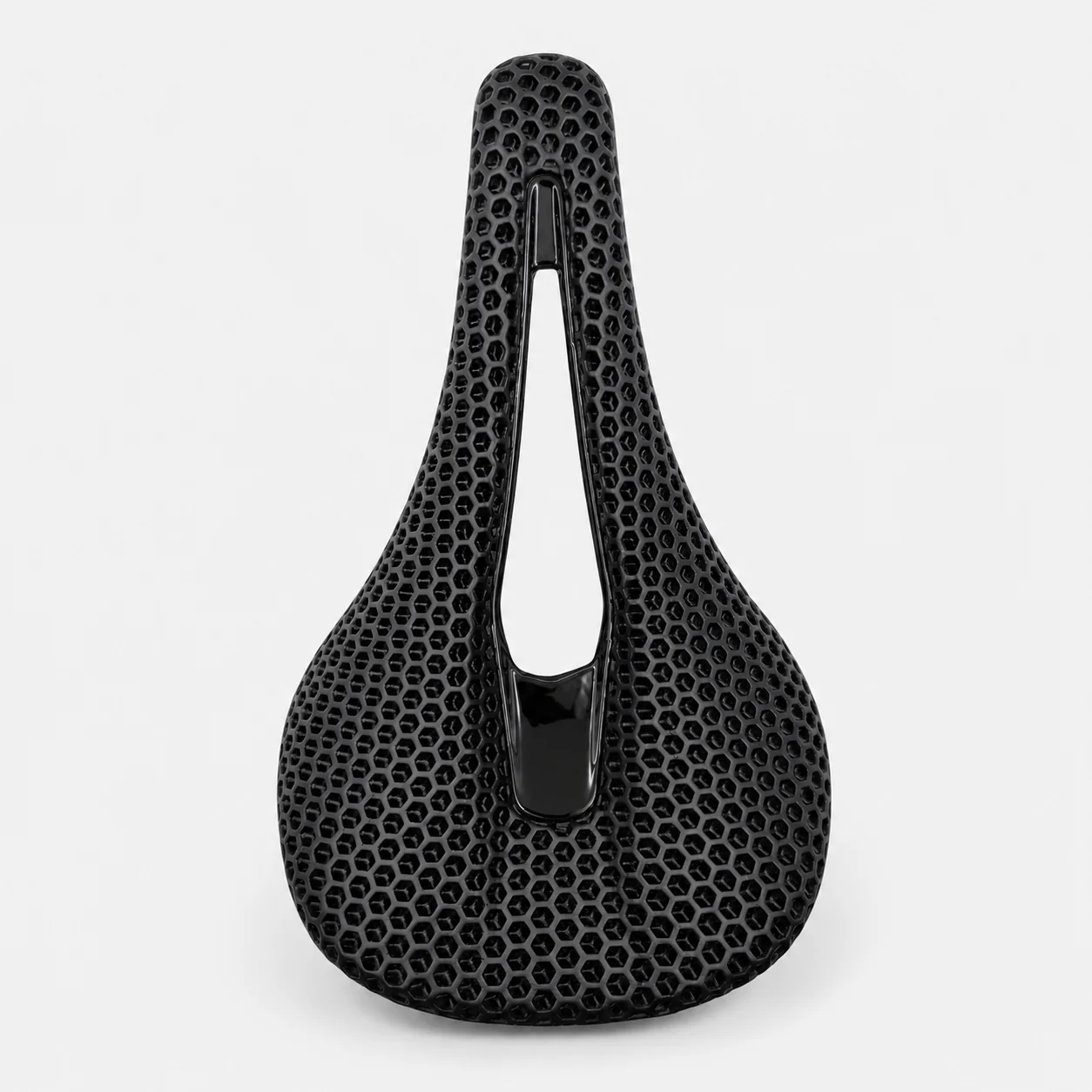
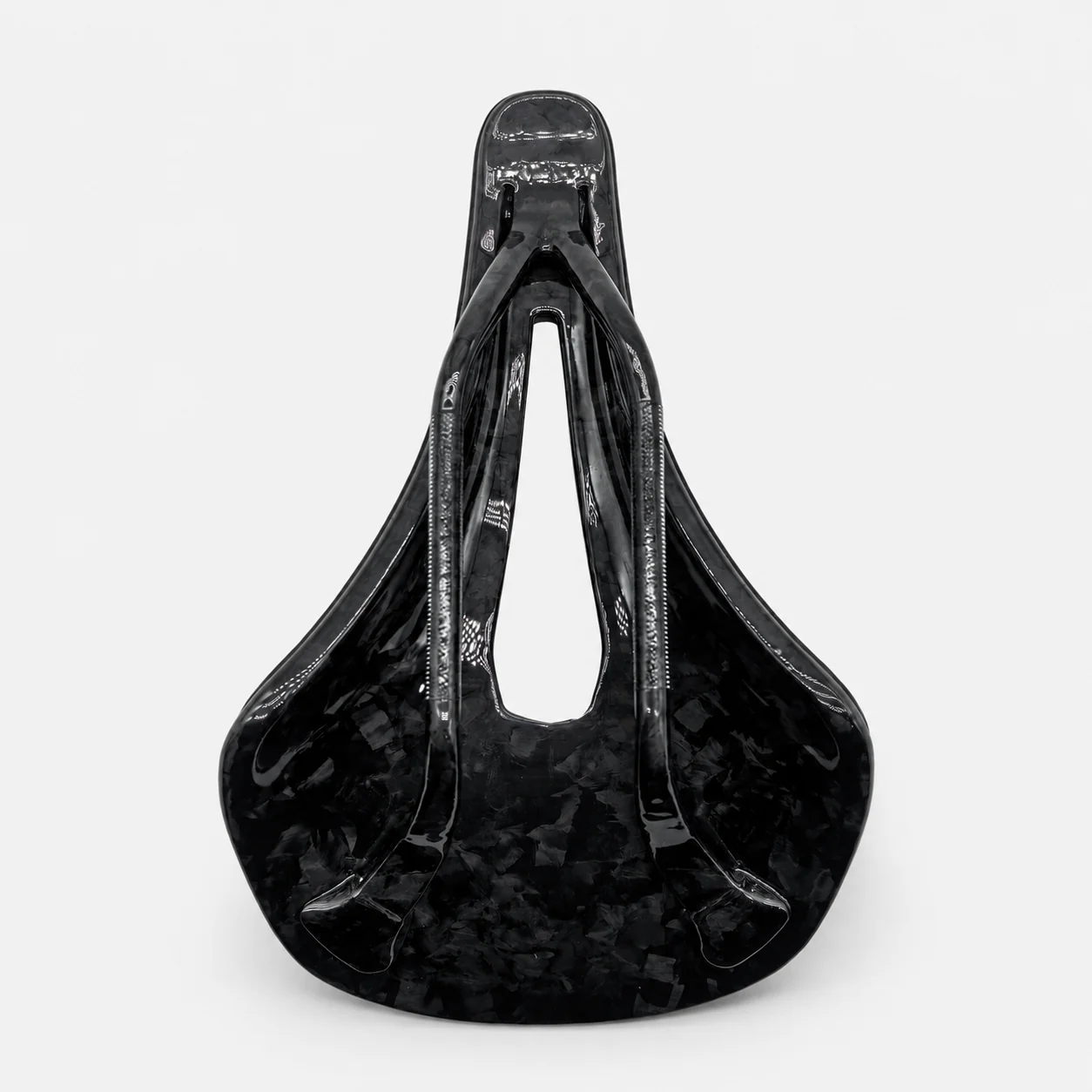
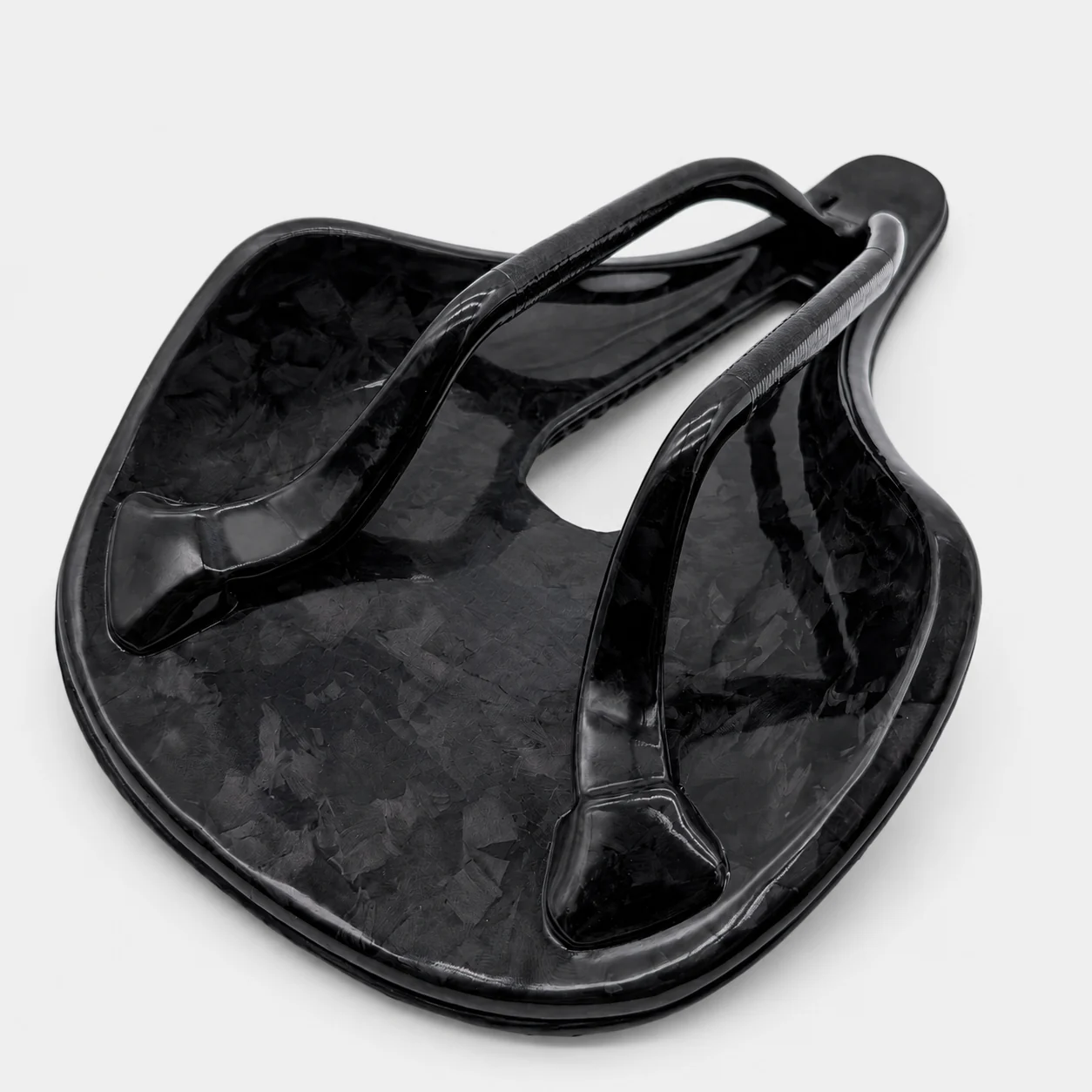
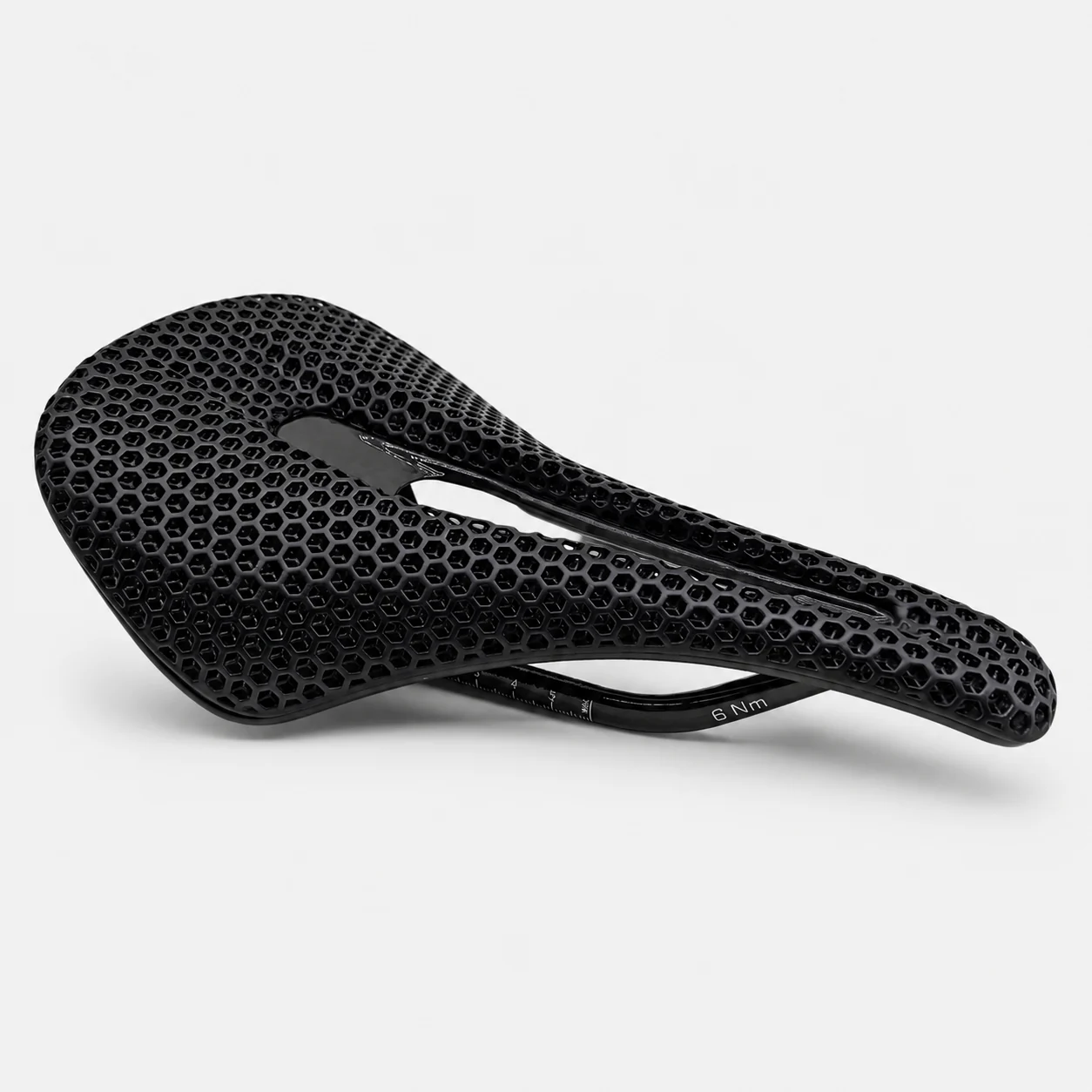
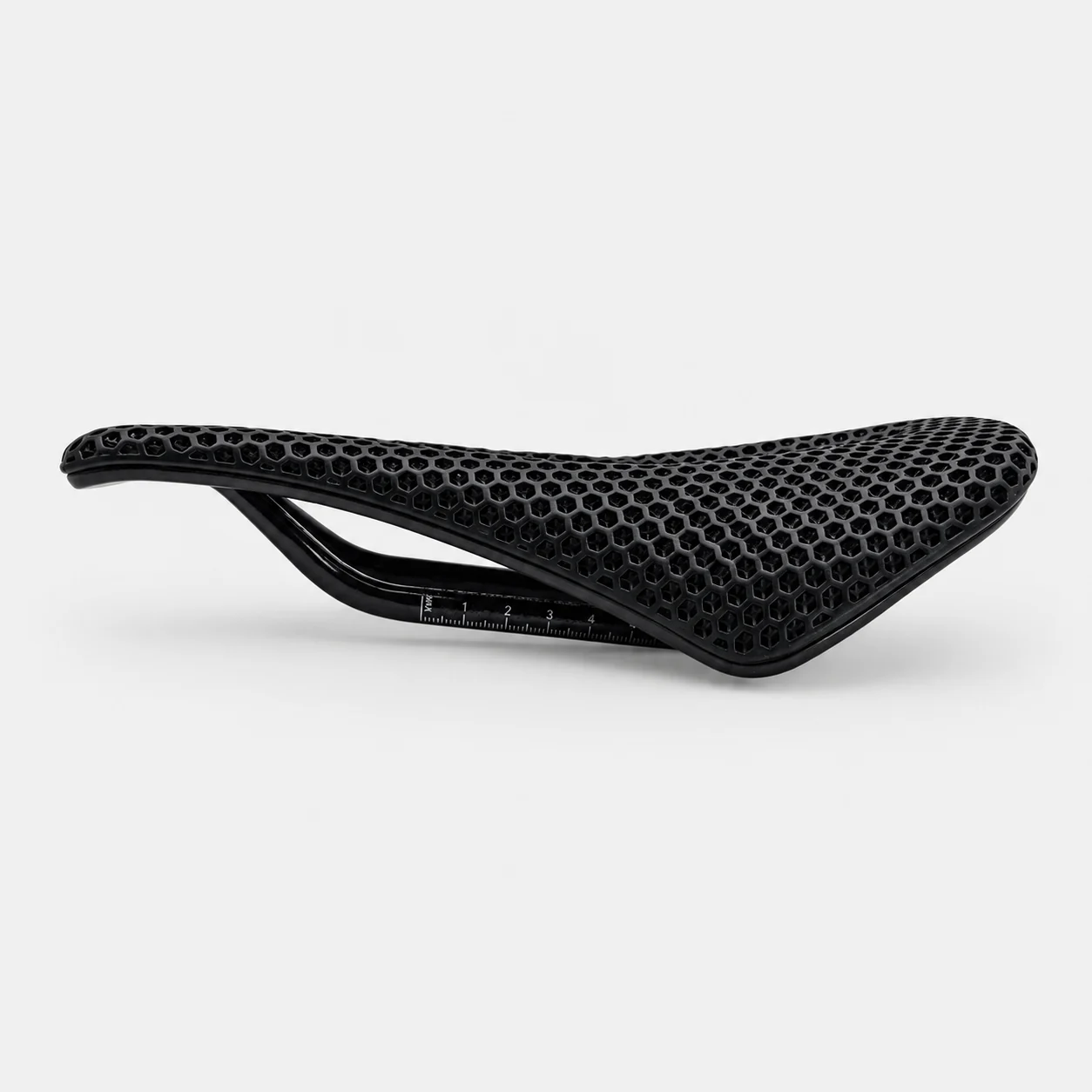
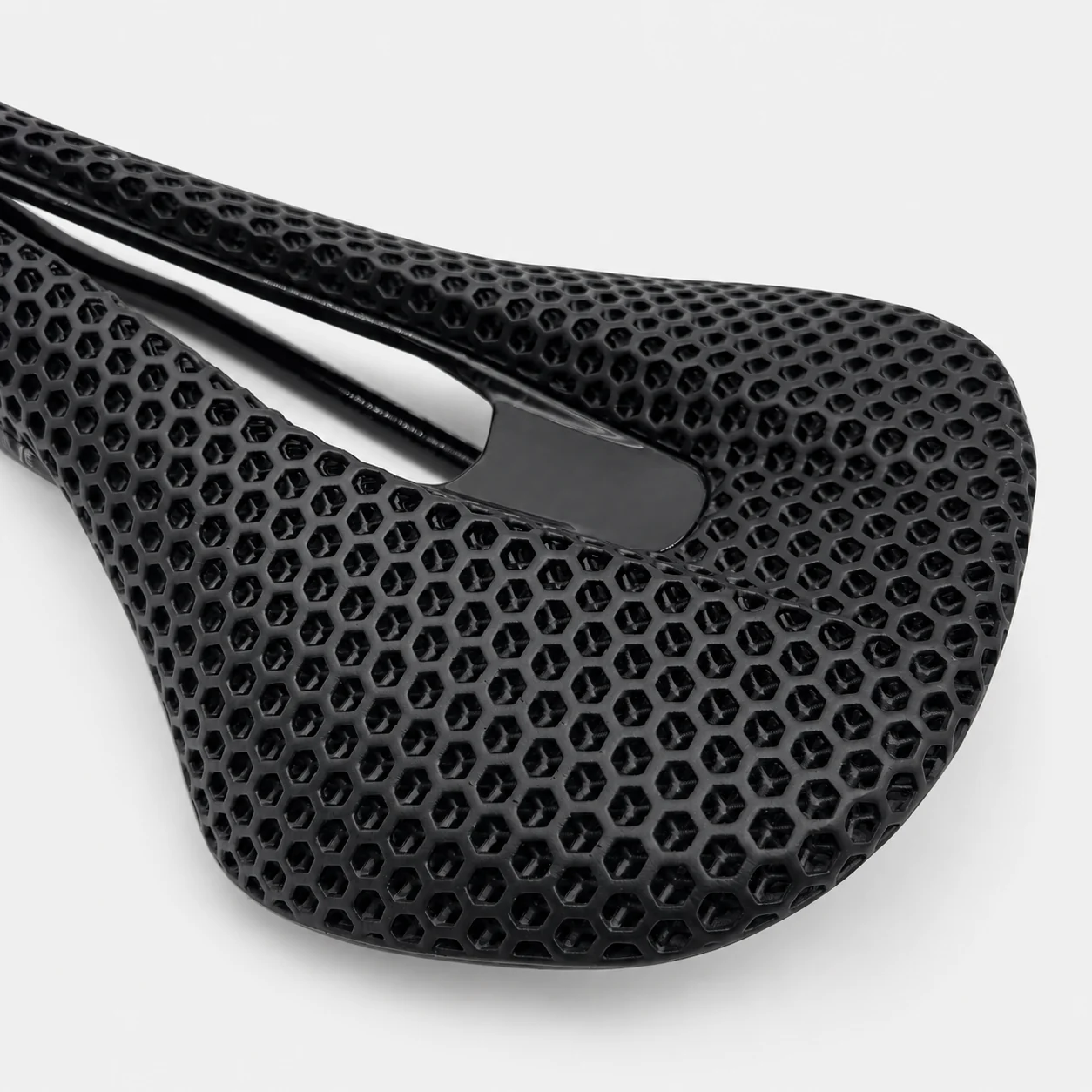
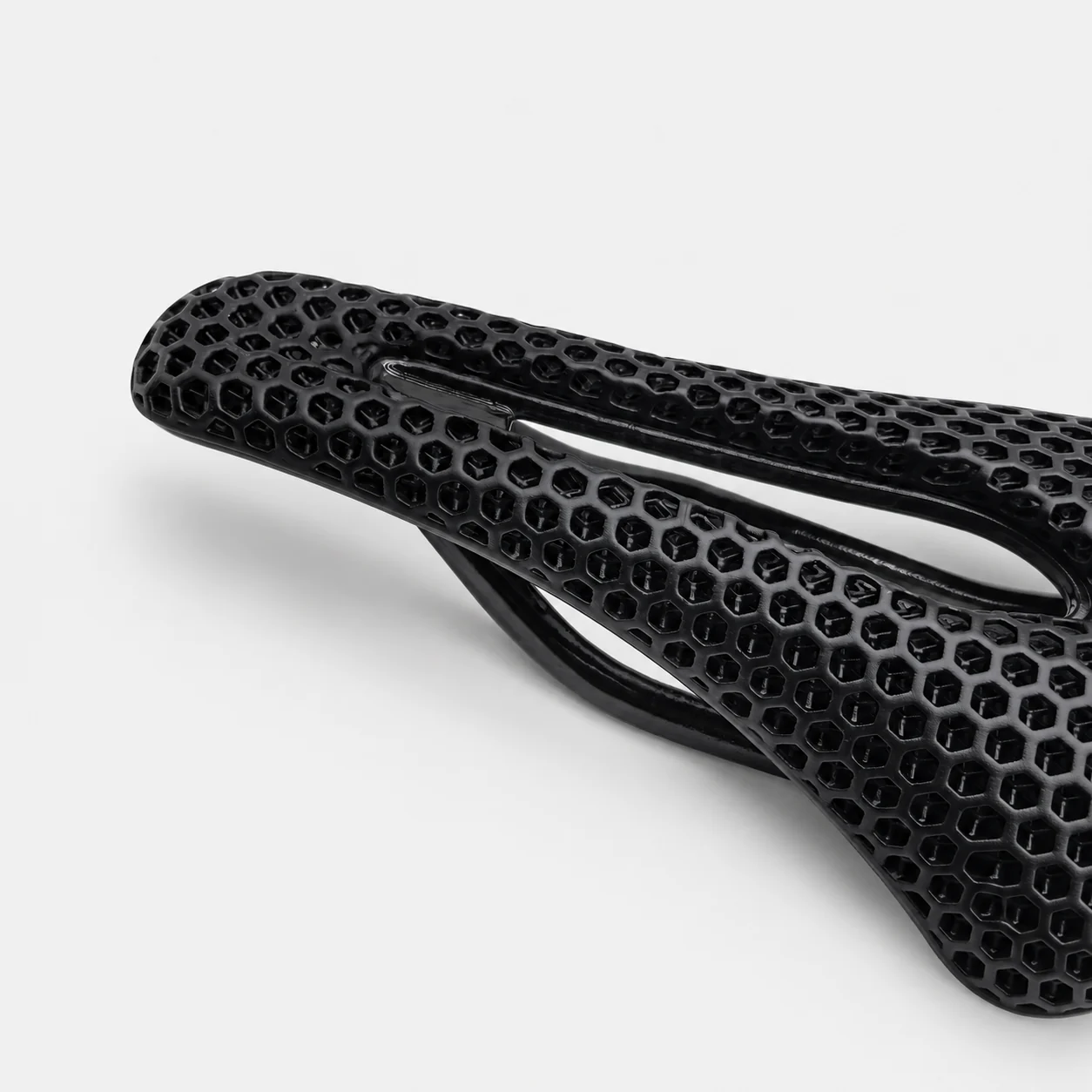
3D Printed Saddle
K14
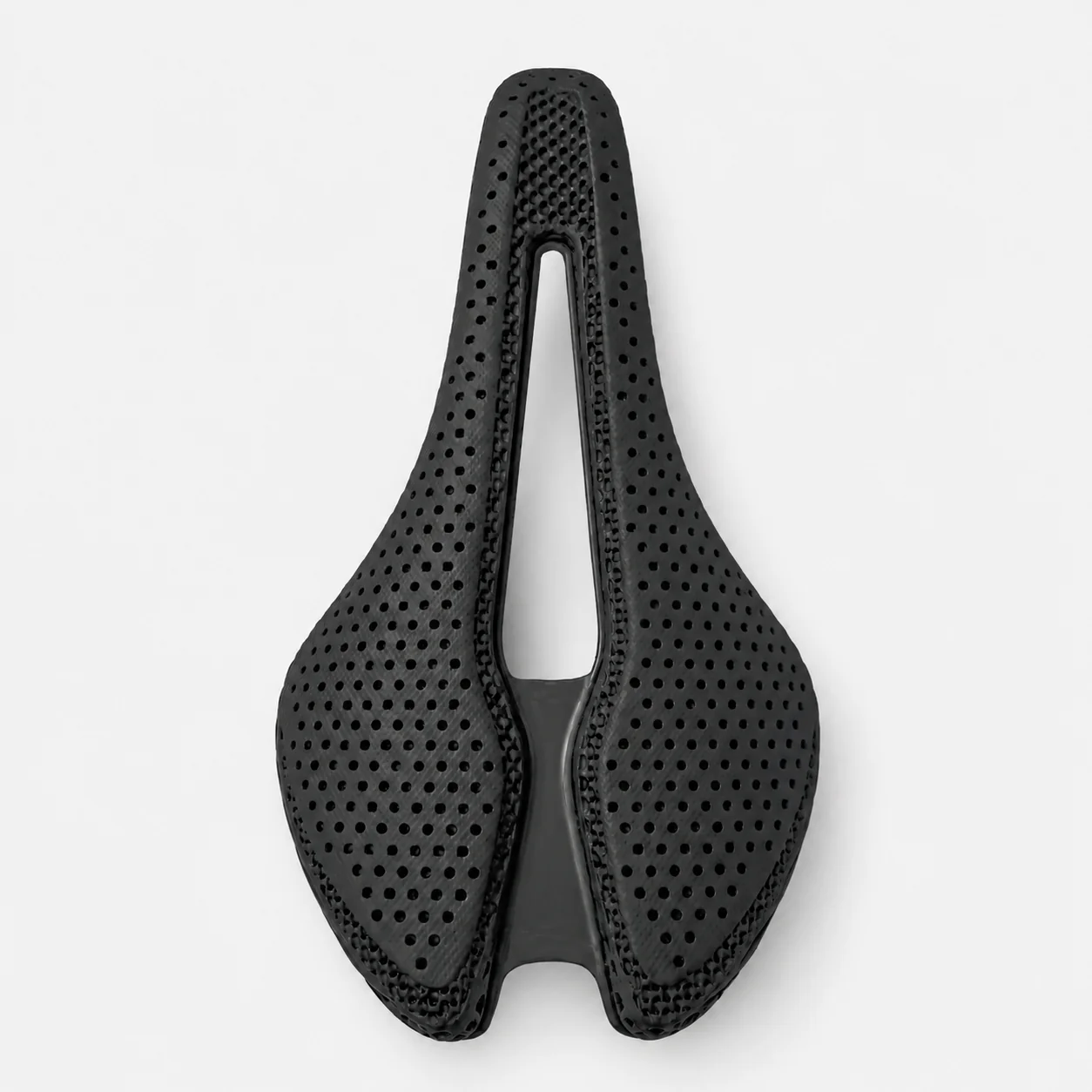
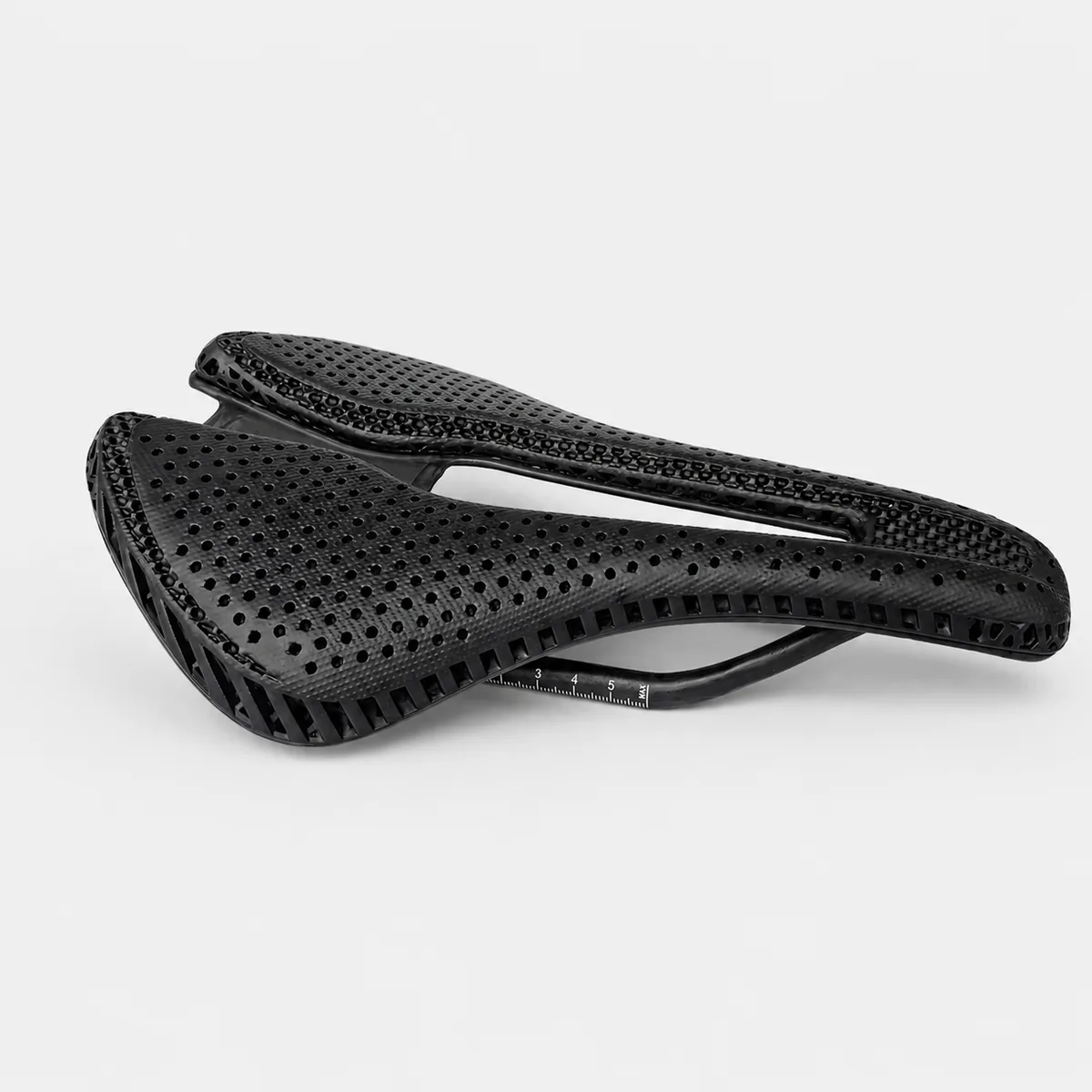
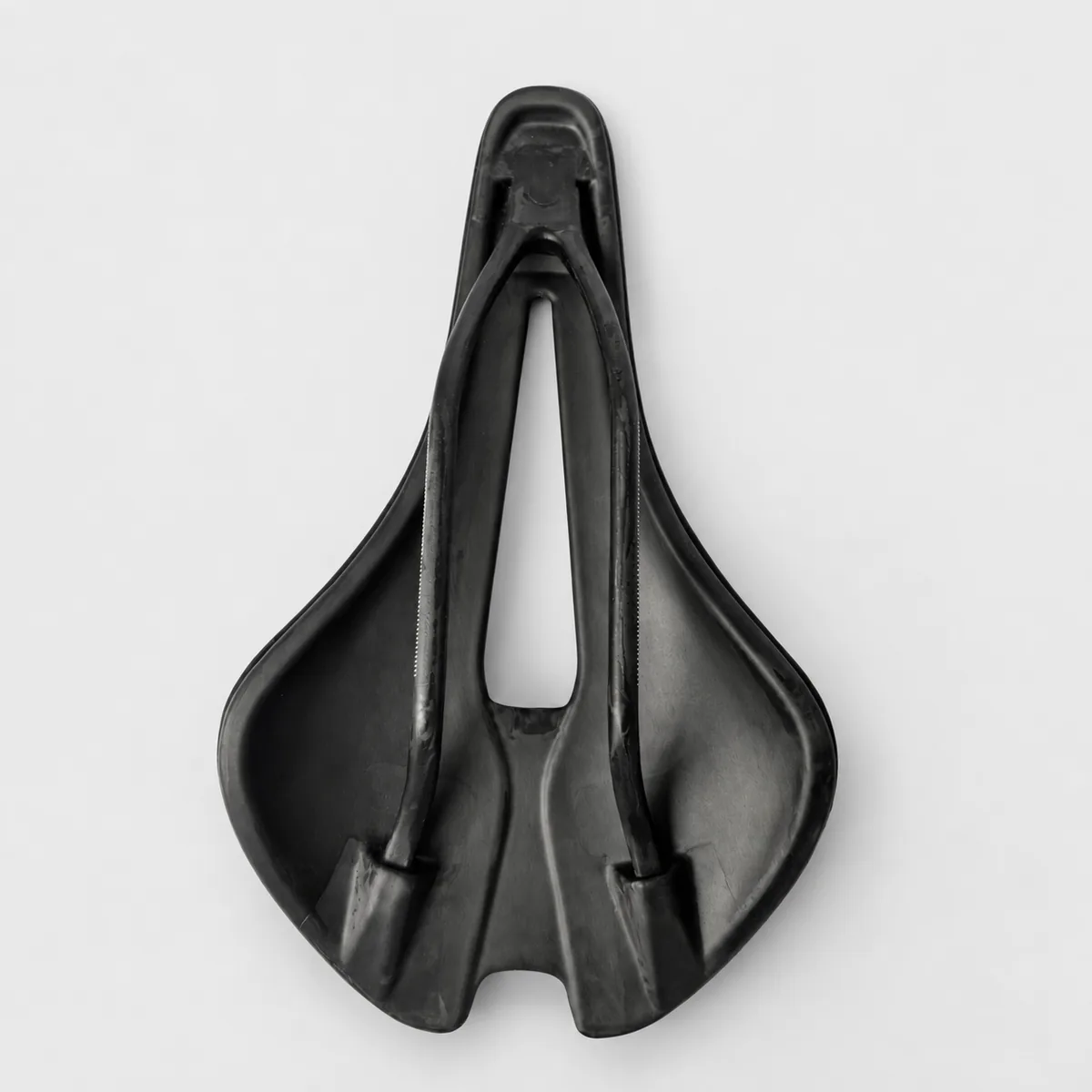
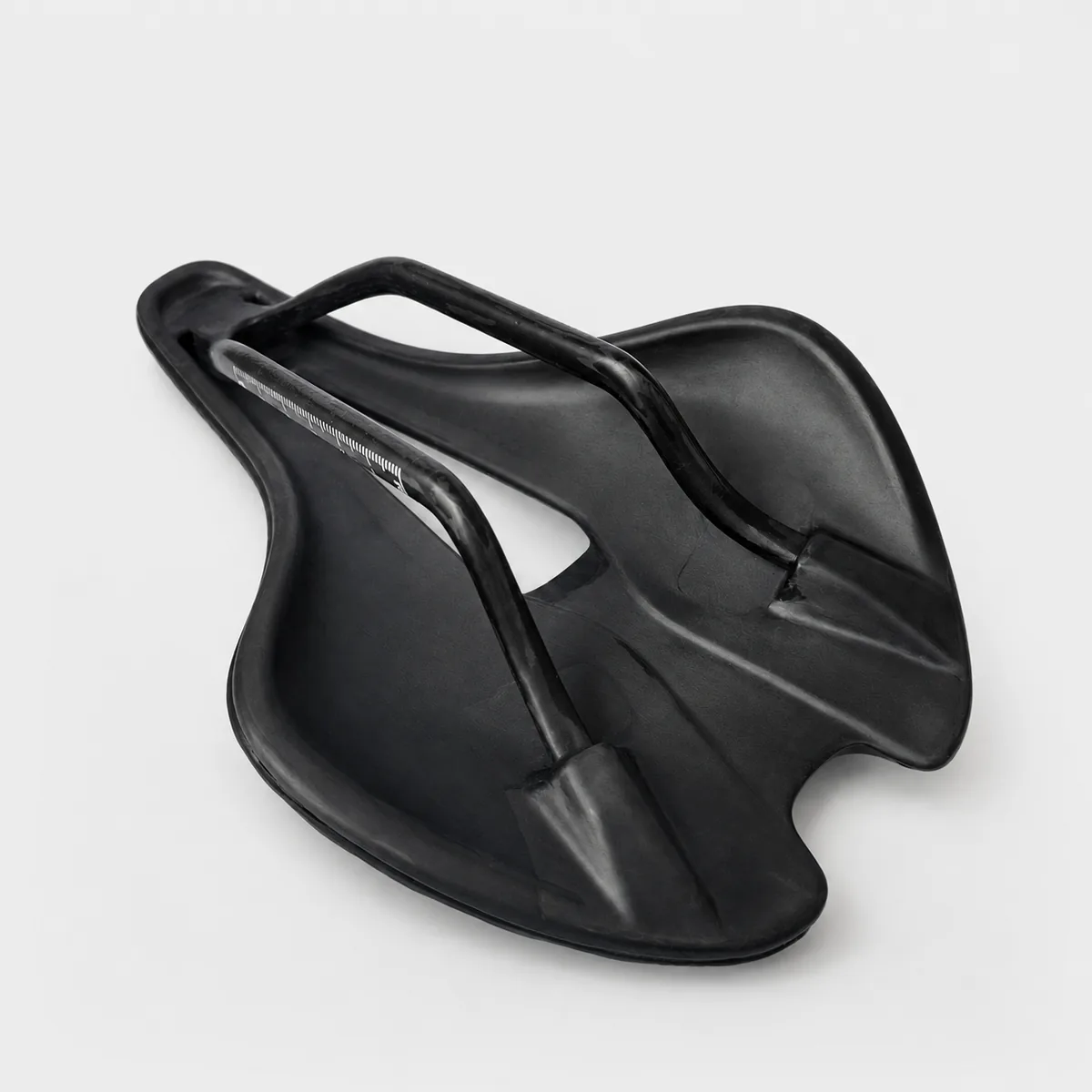
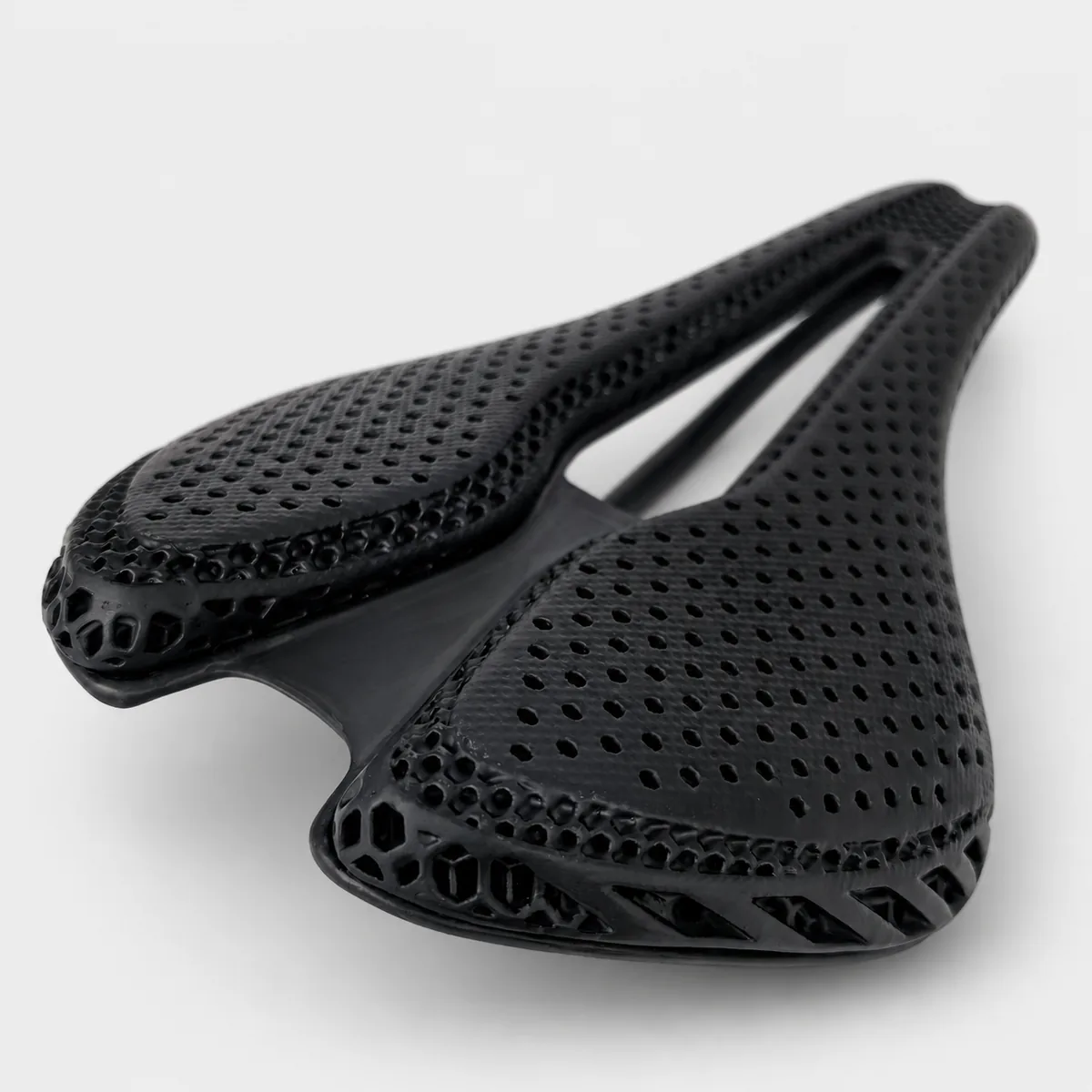
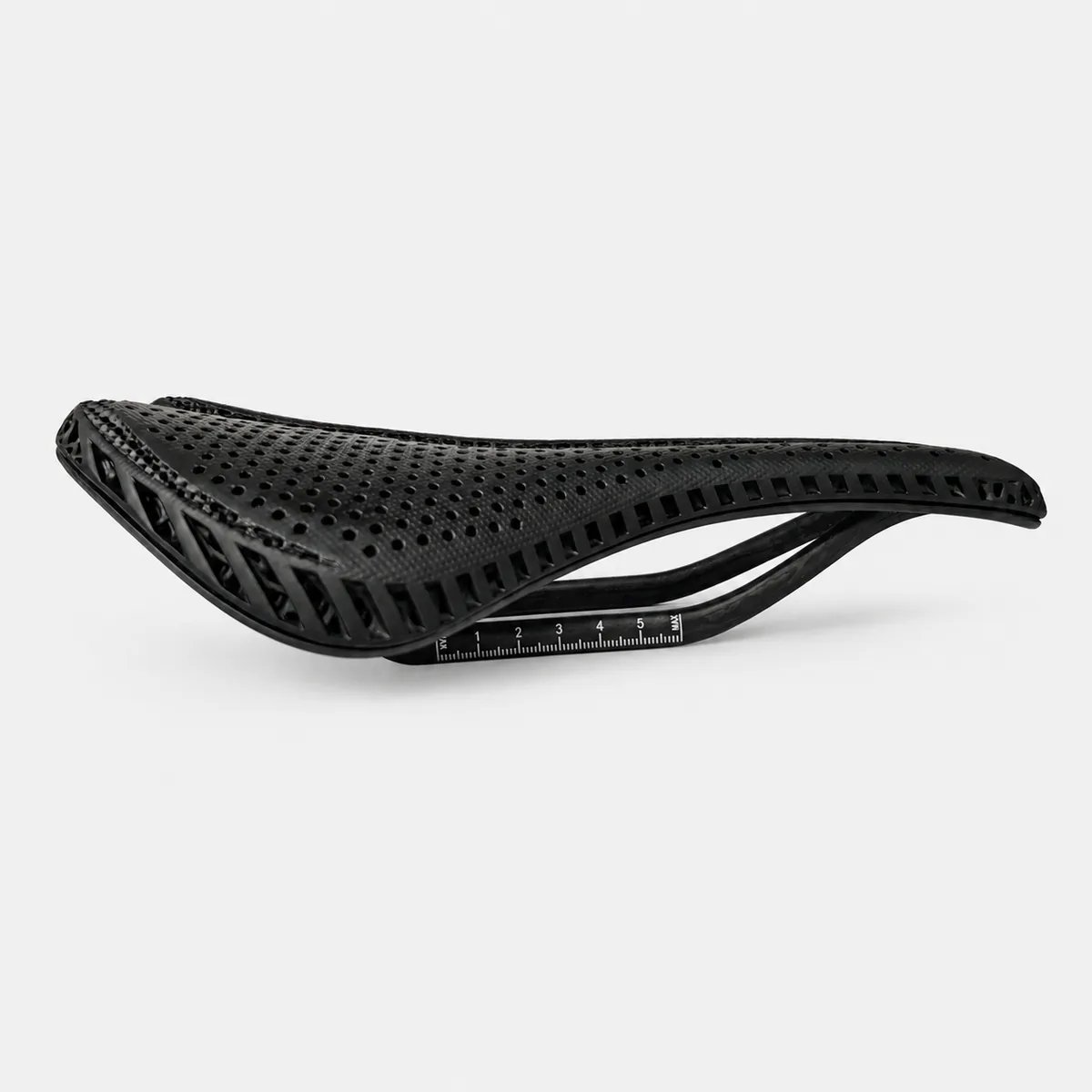
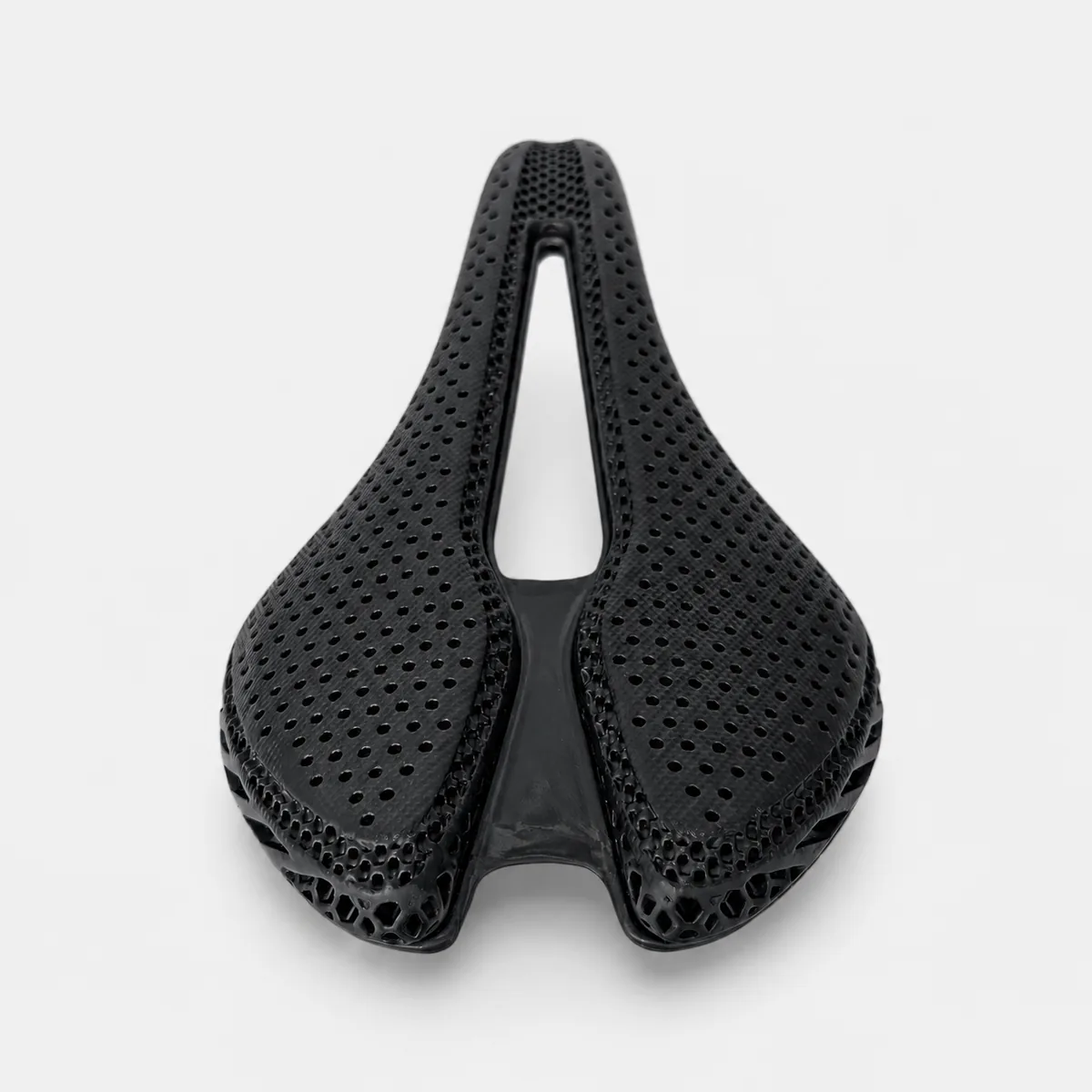
3D Printed Saddle
K15
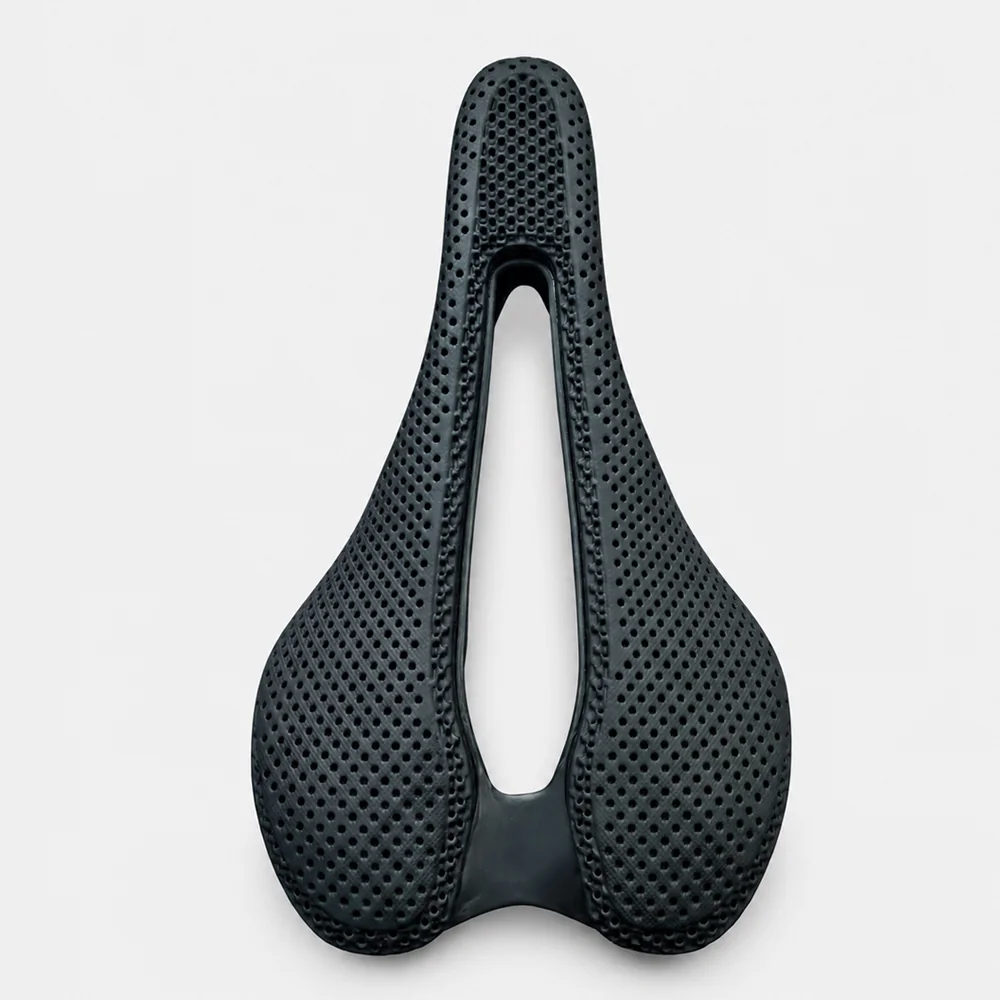
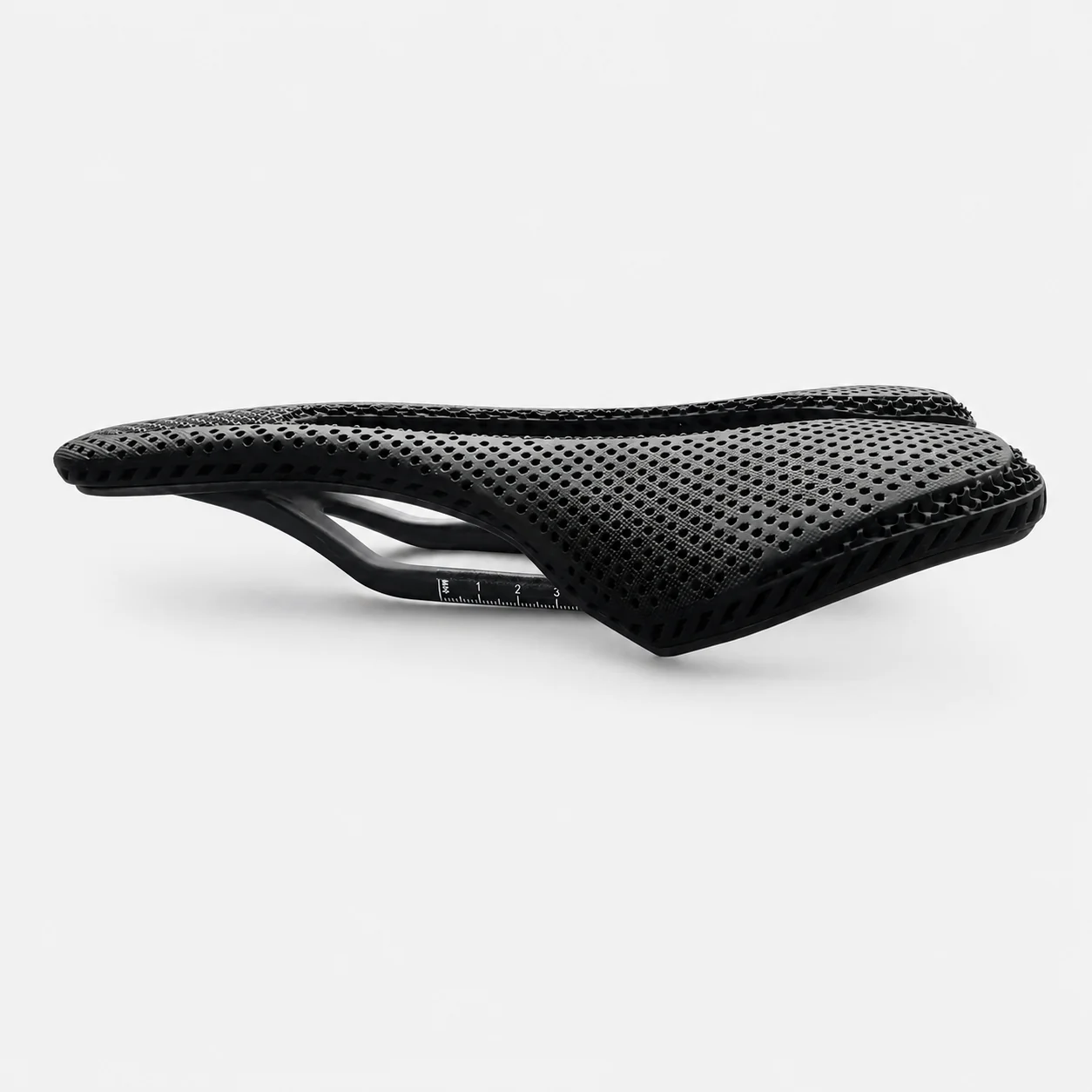
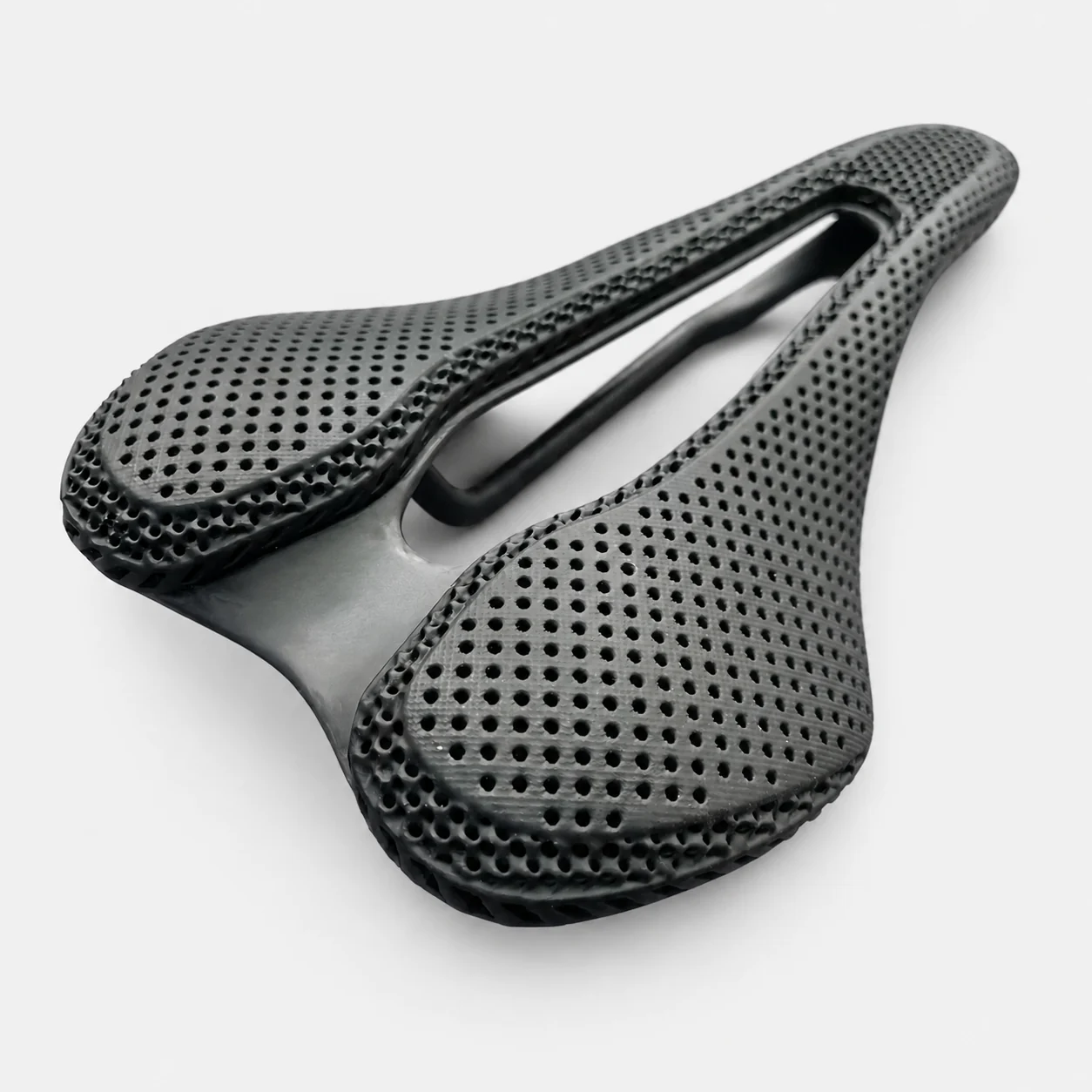
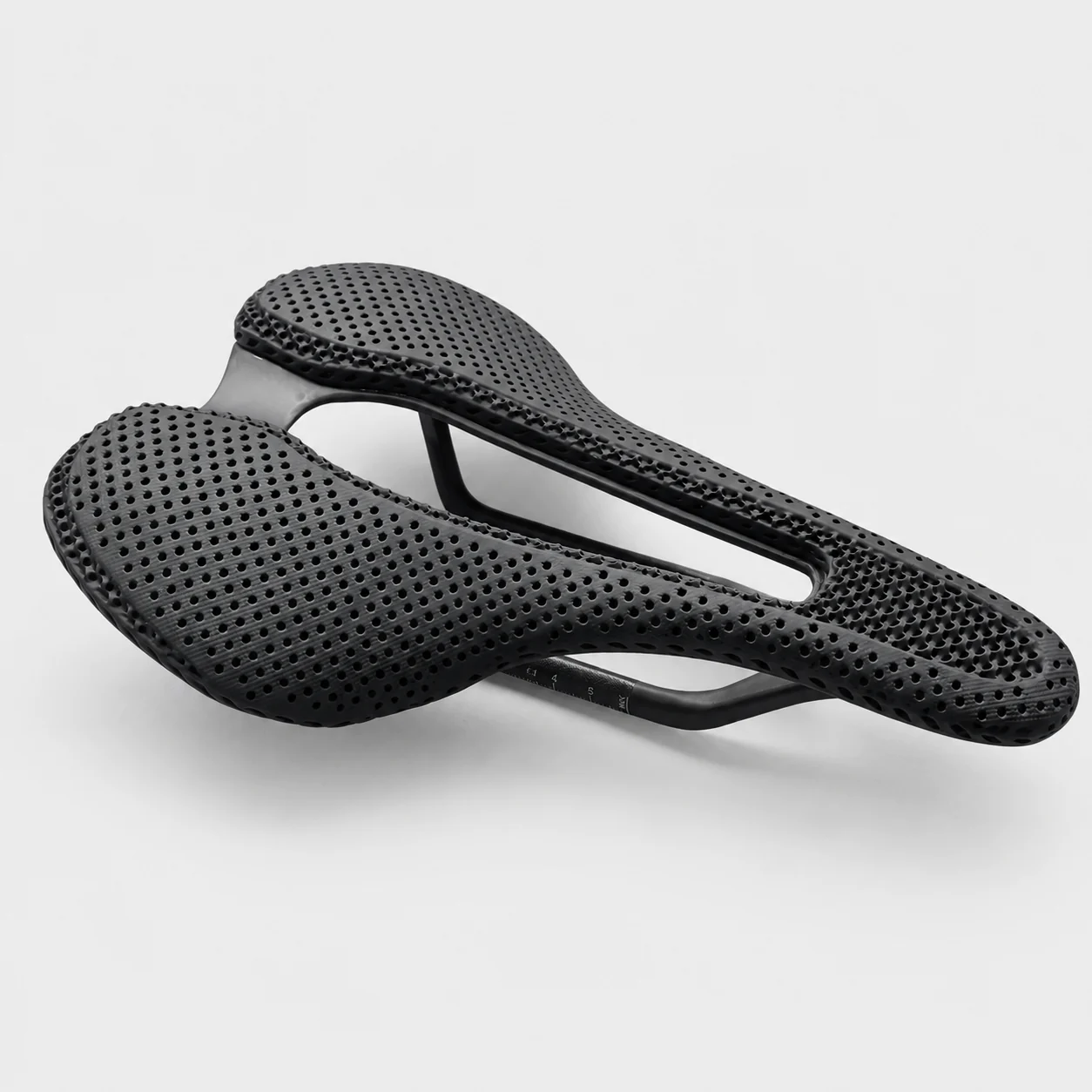
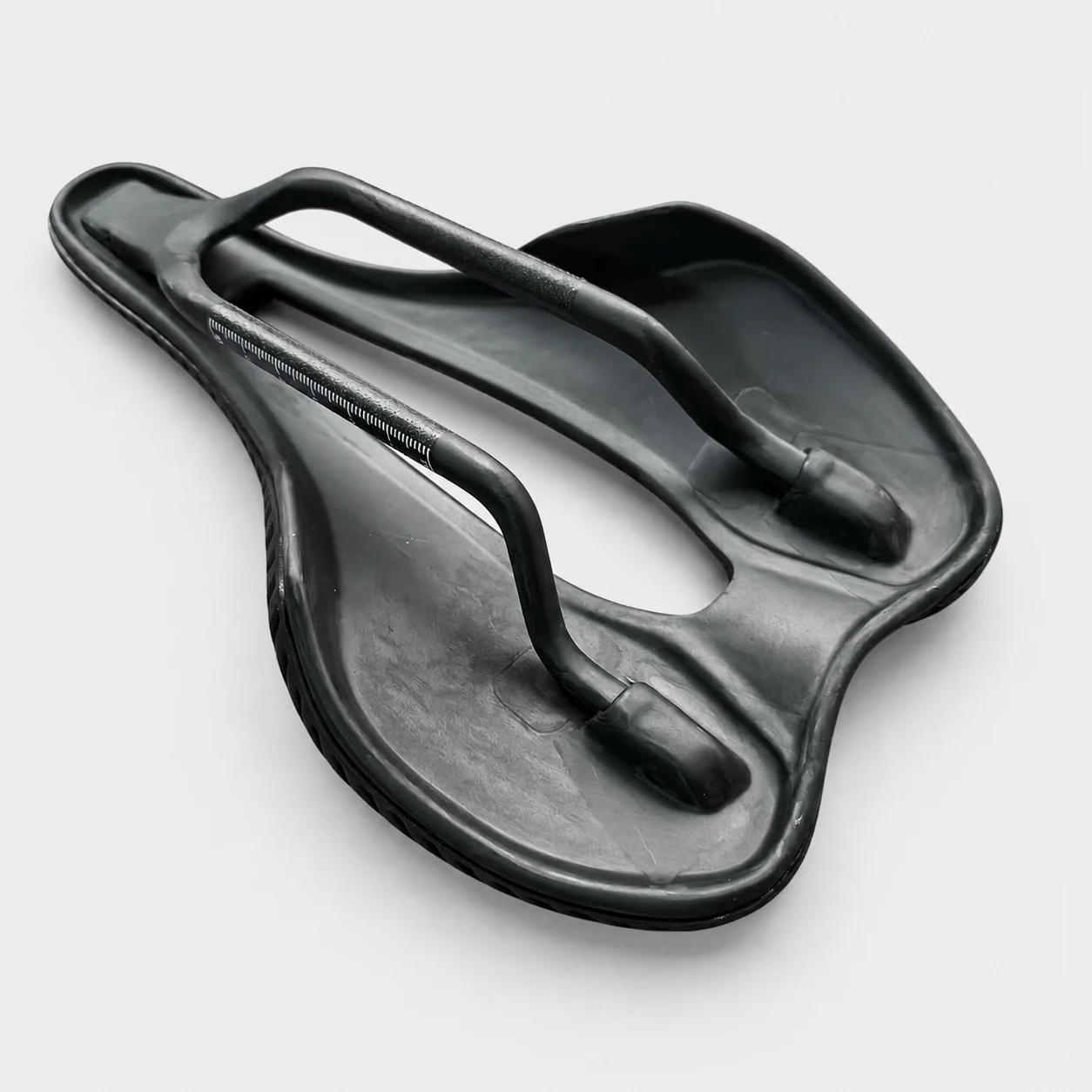
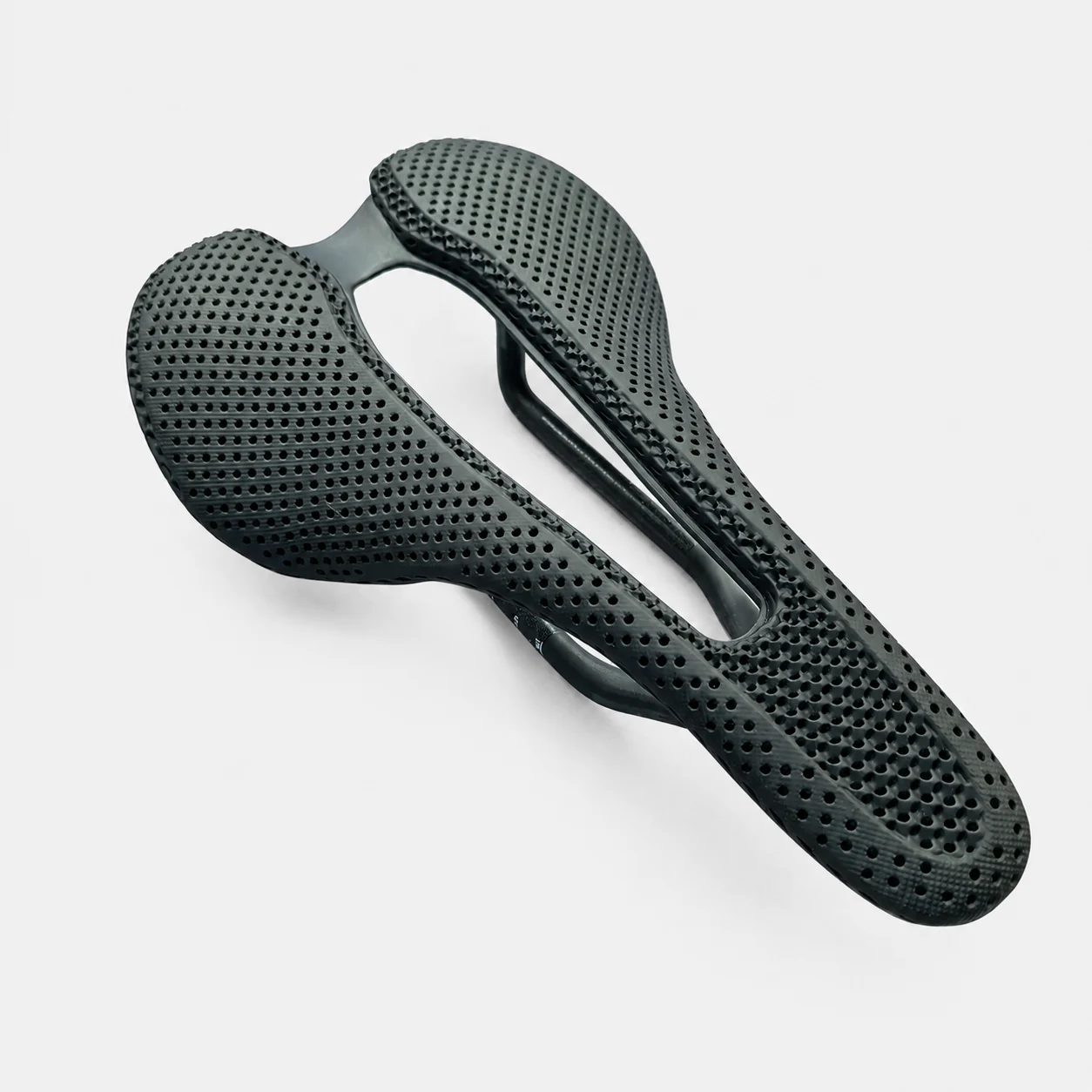
3D Printed Saddle
K16
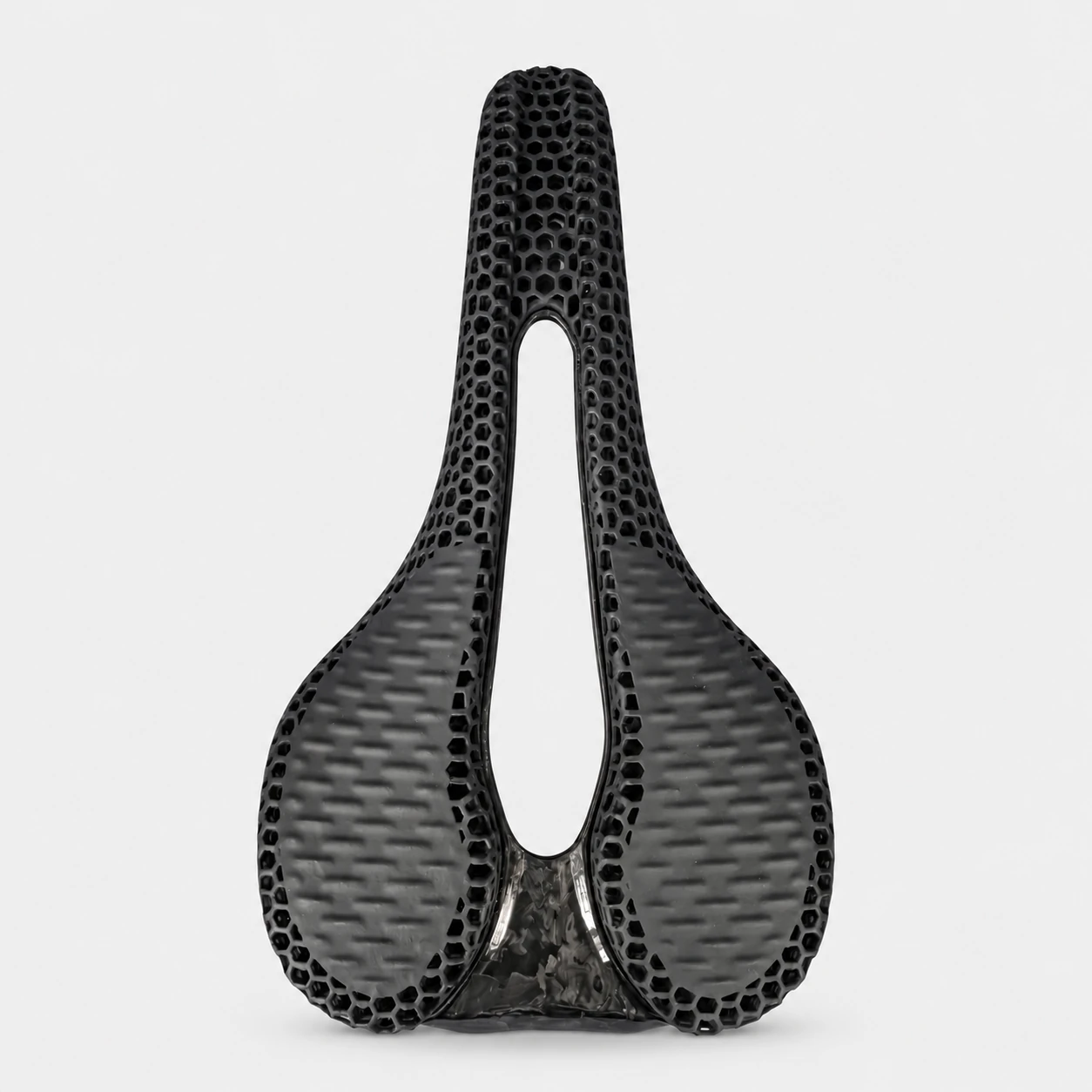
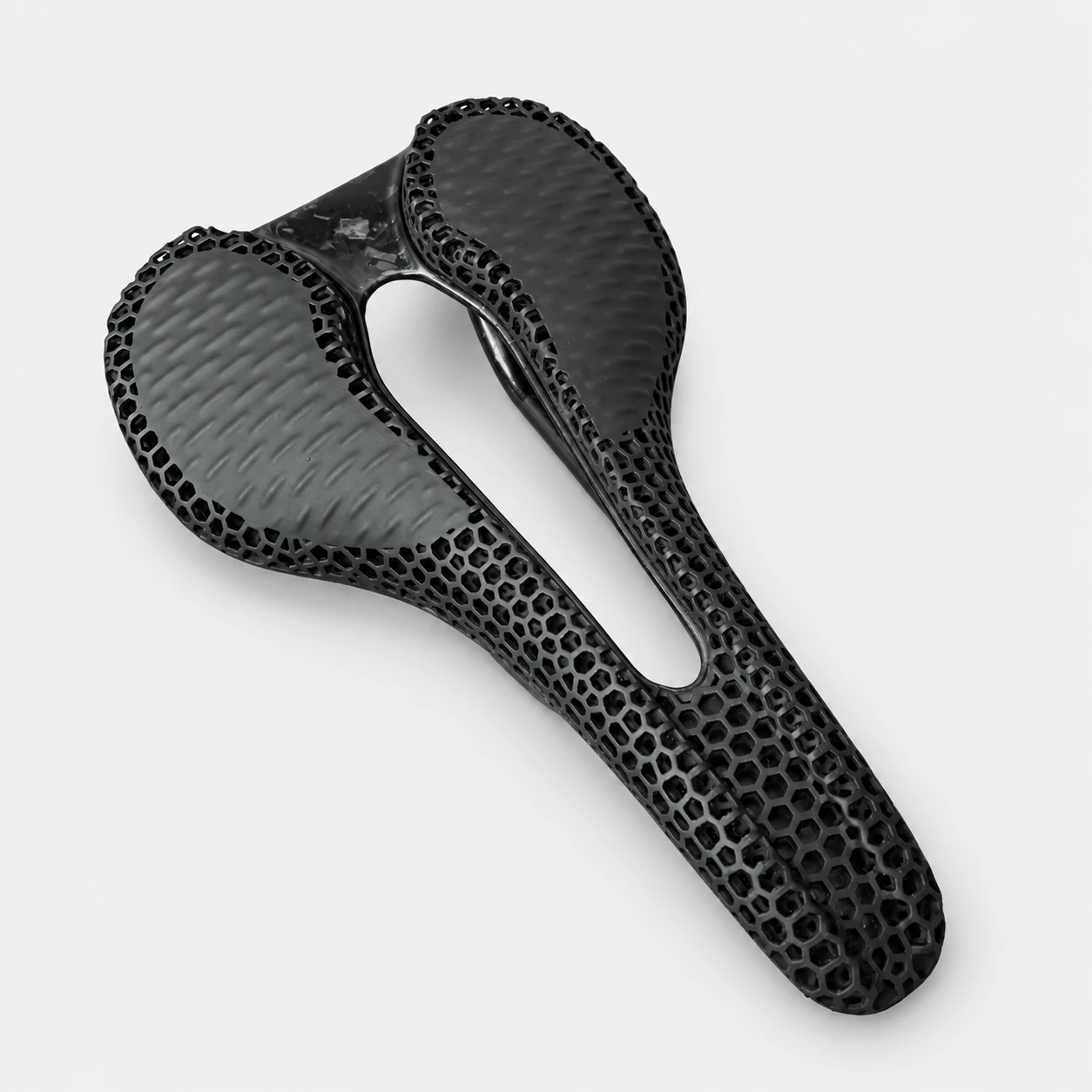
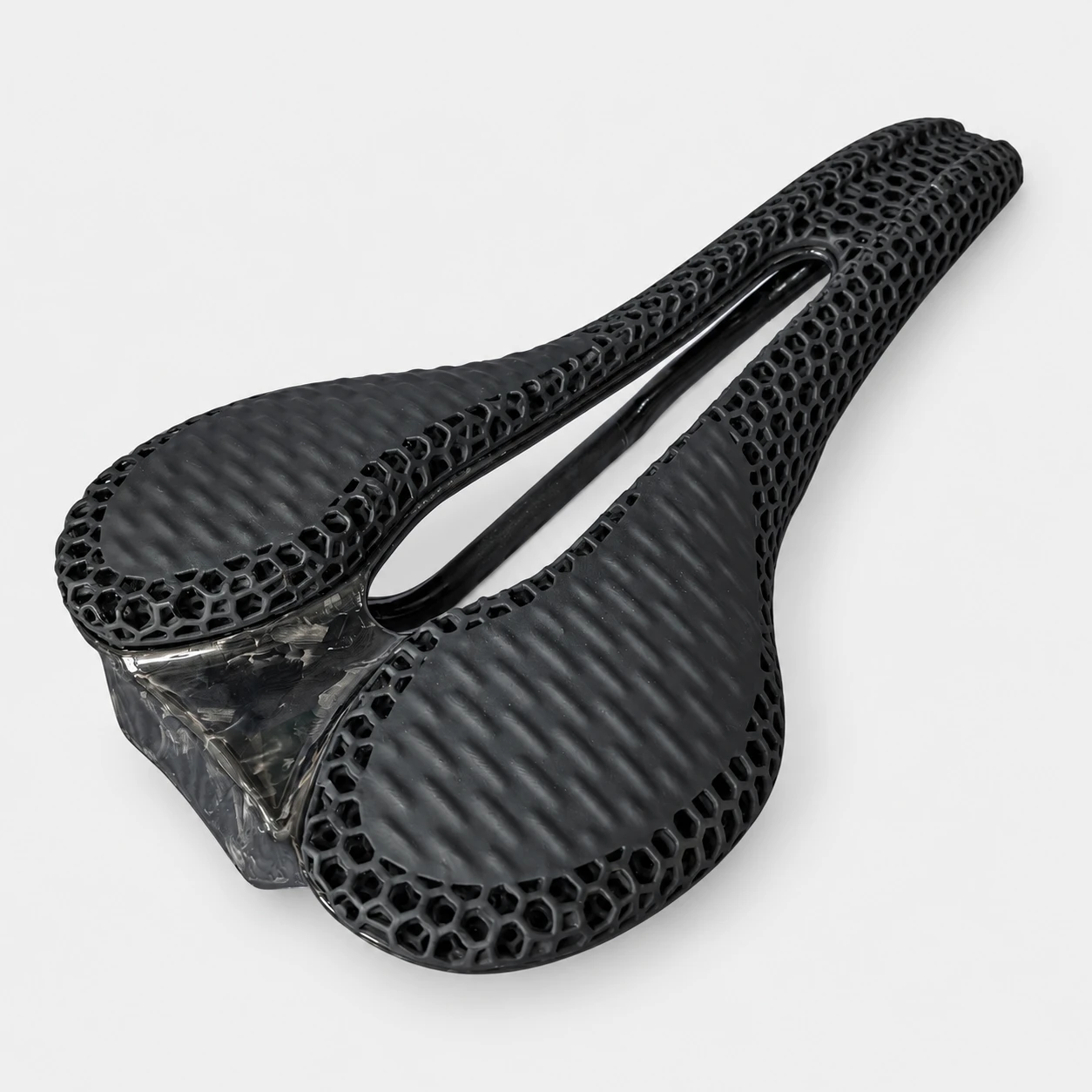
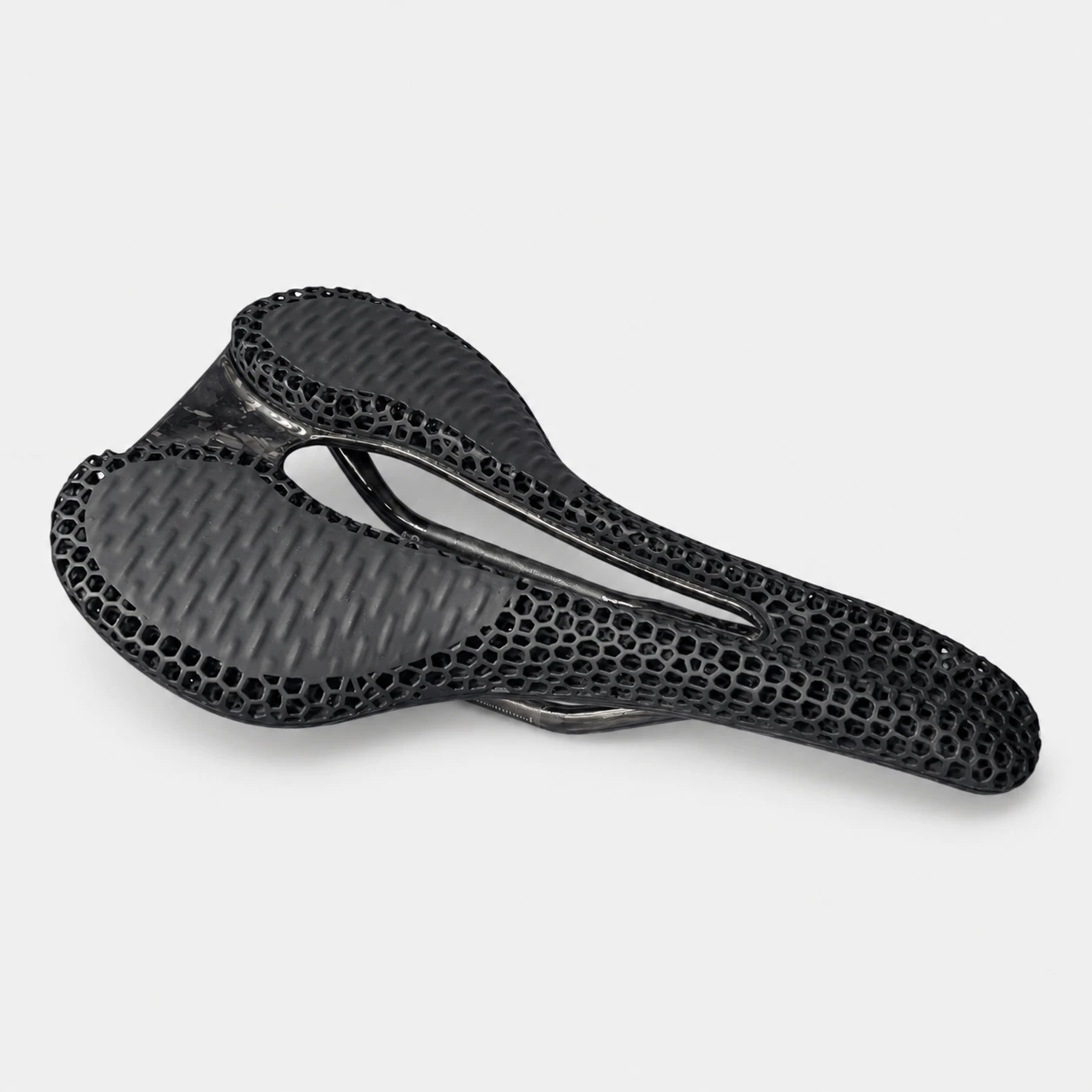
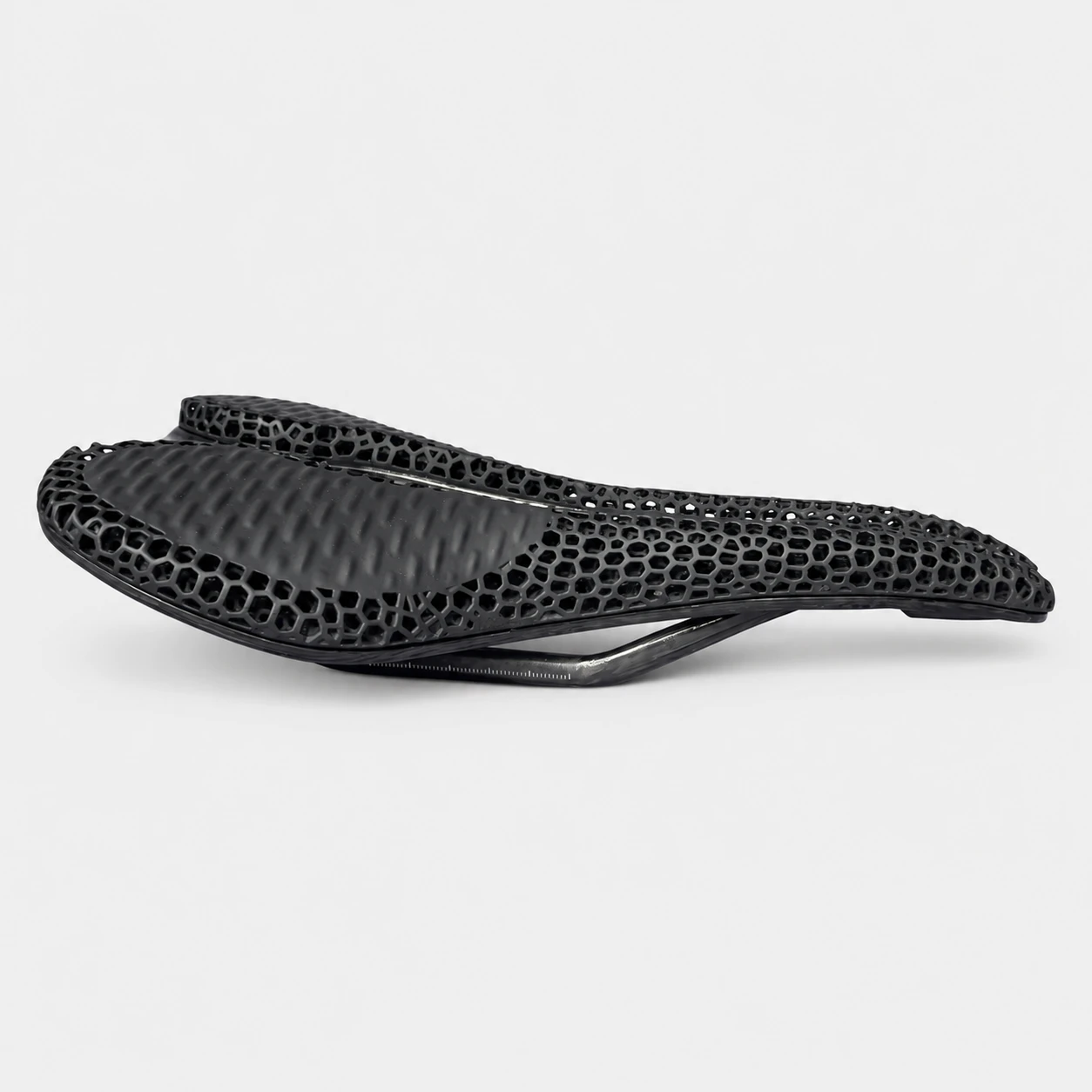
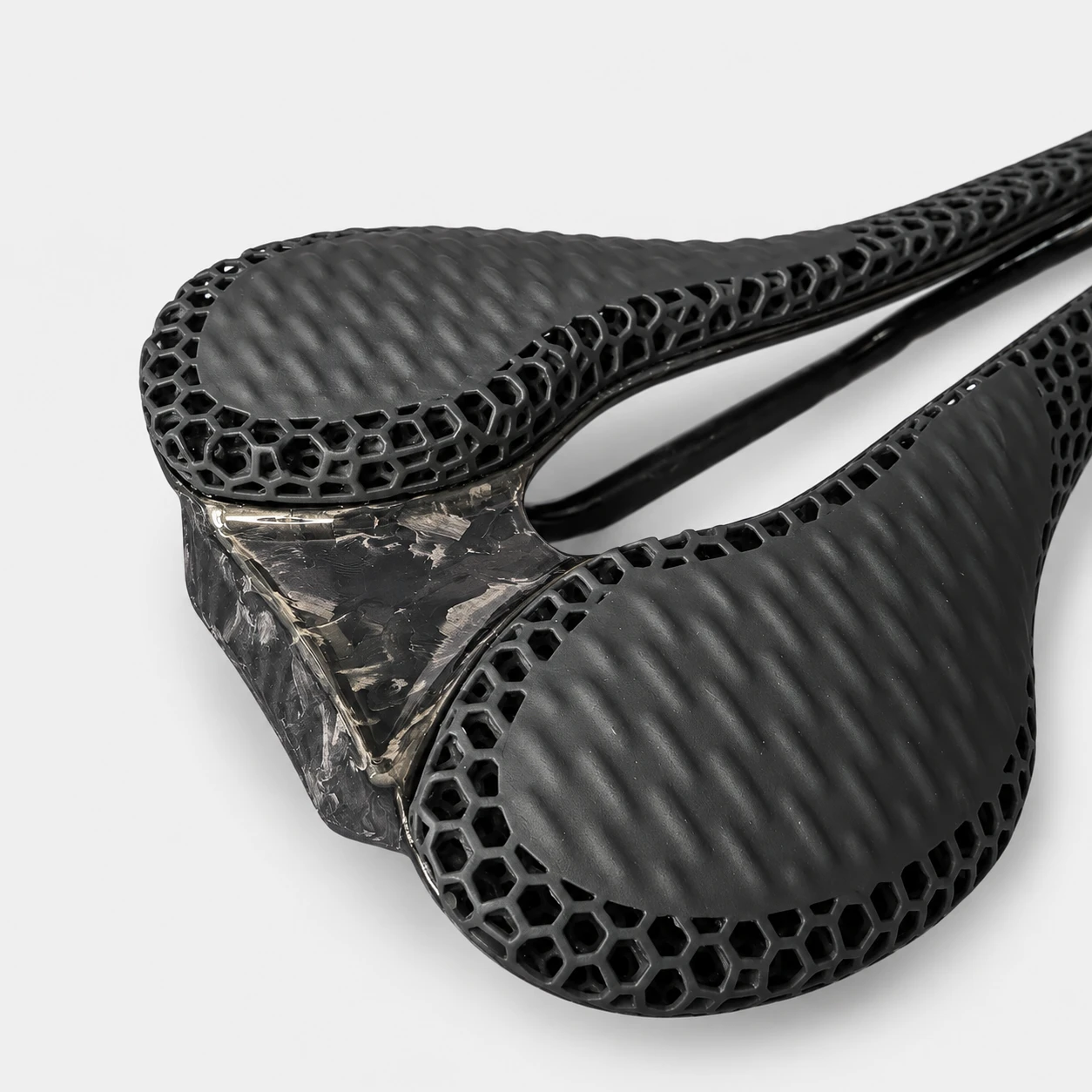
3D Printed Saddle
665
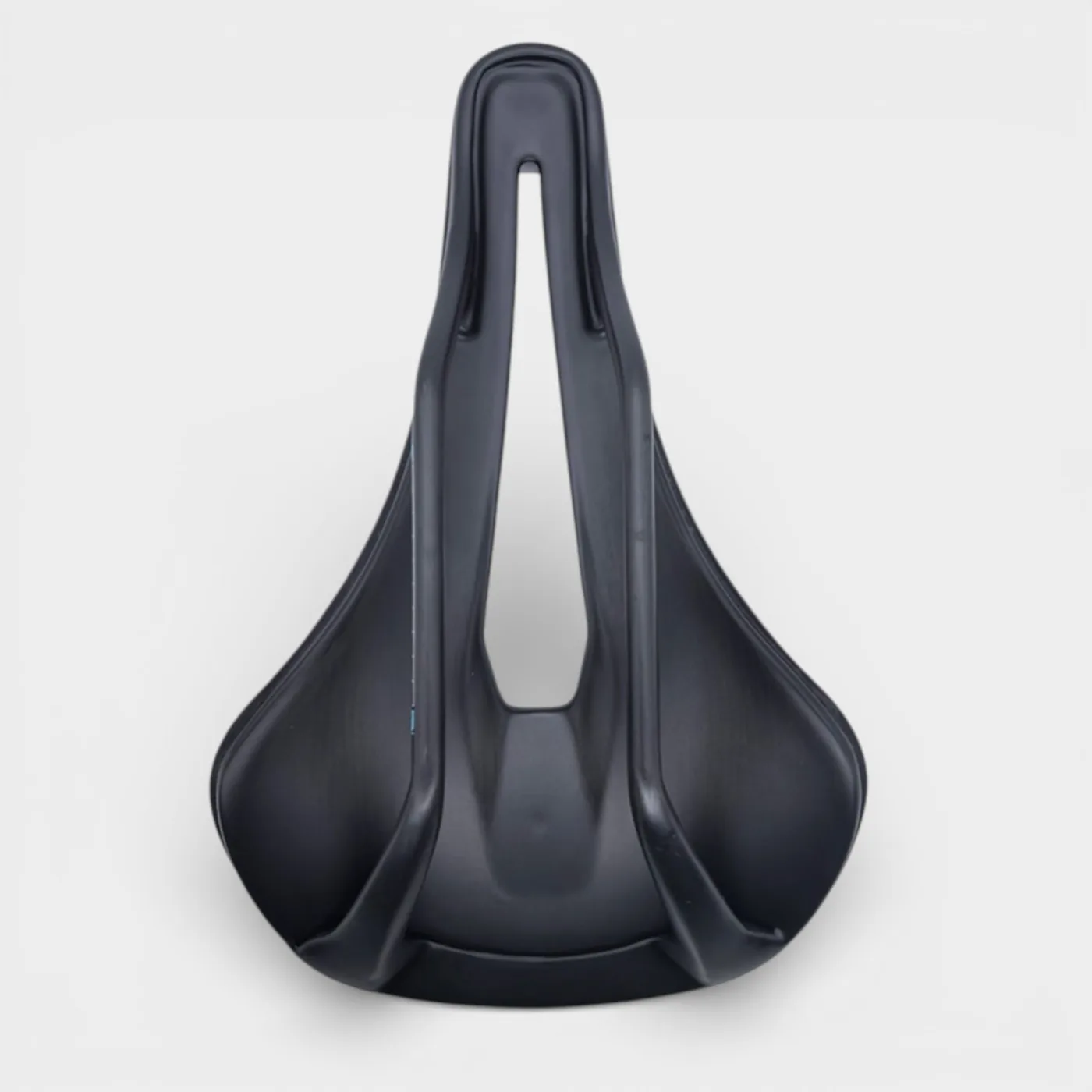
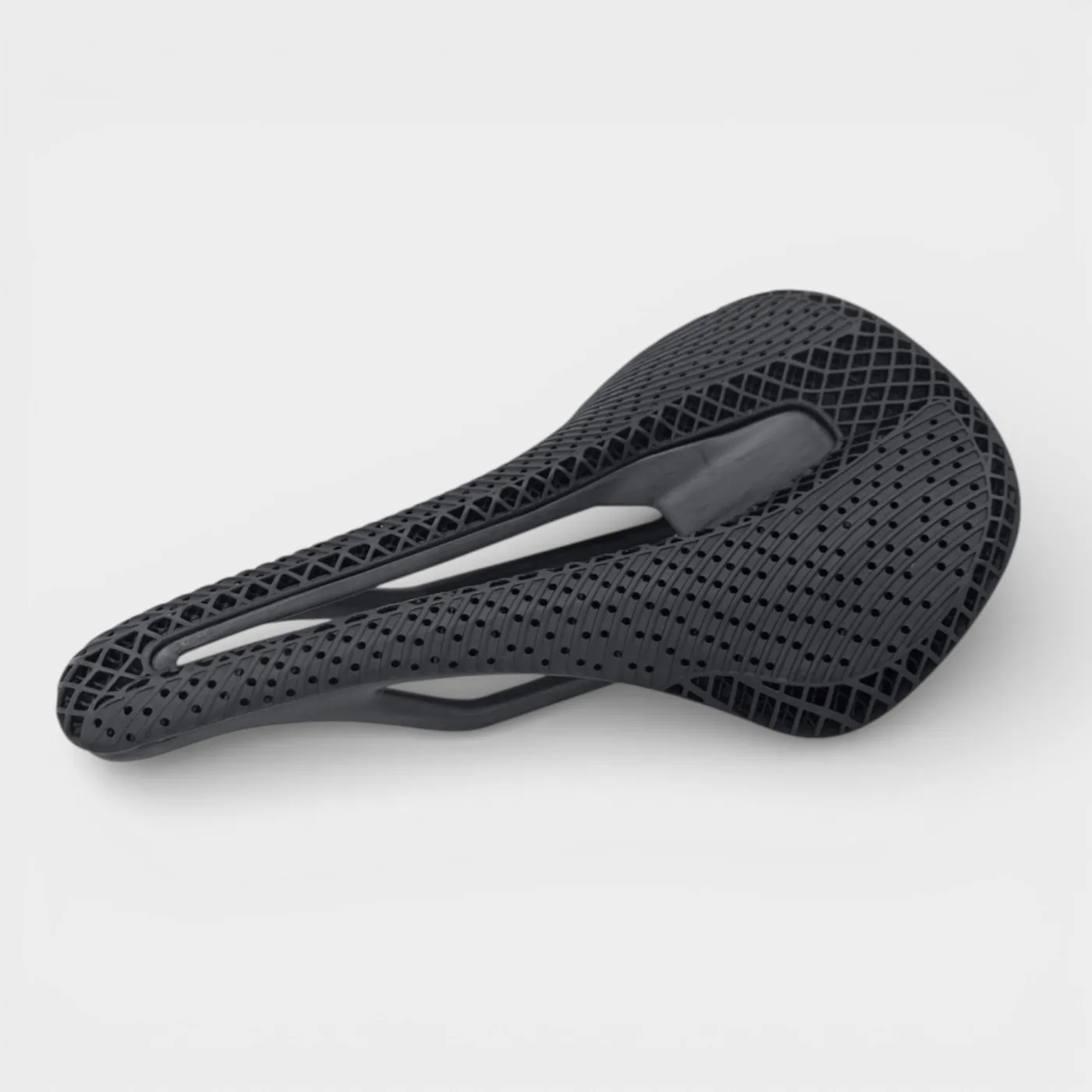
3D Printed Saddle
K106
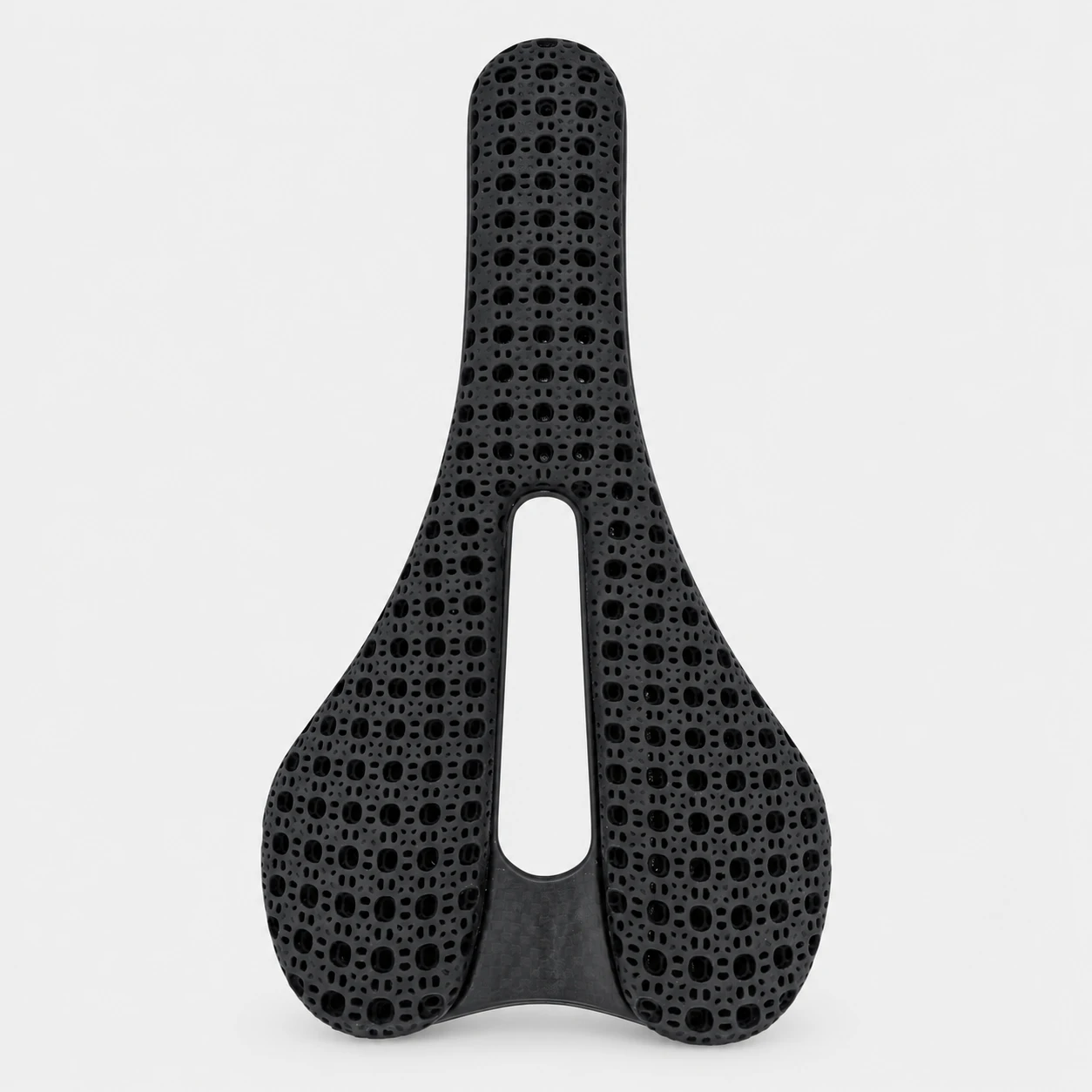
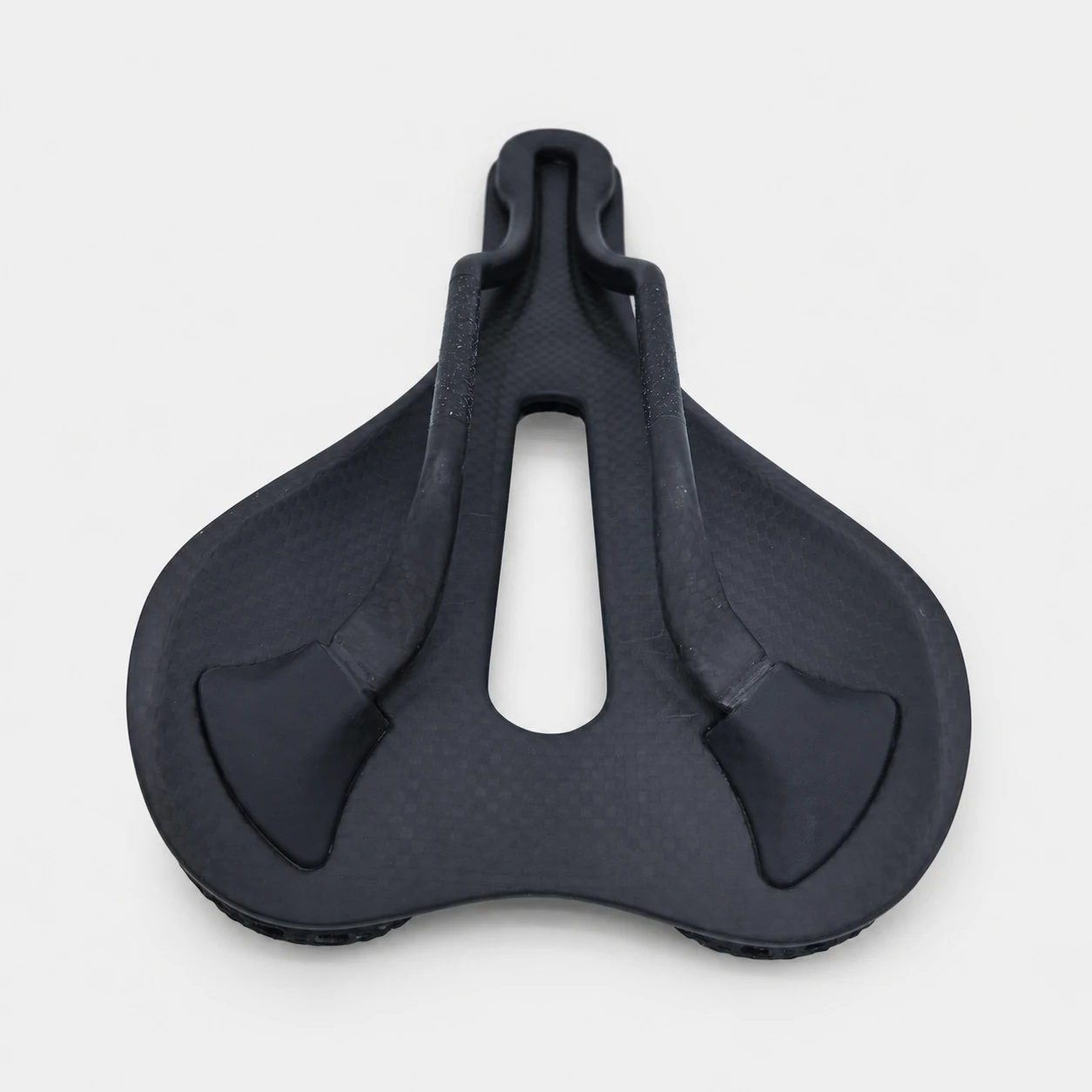
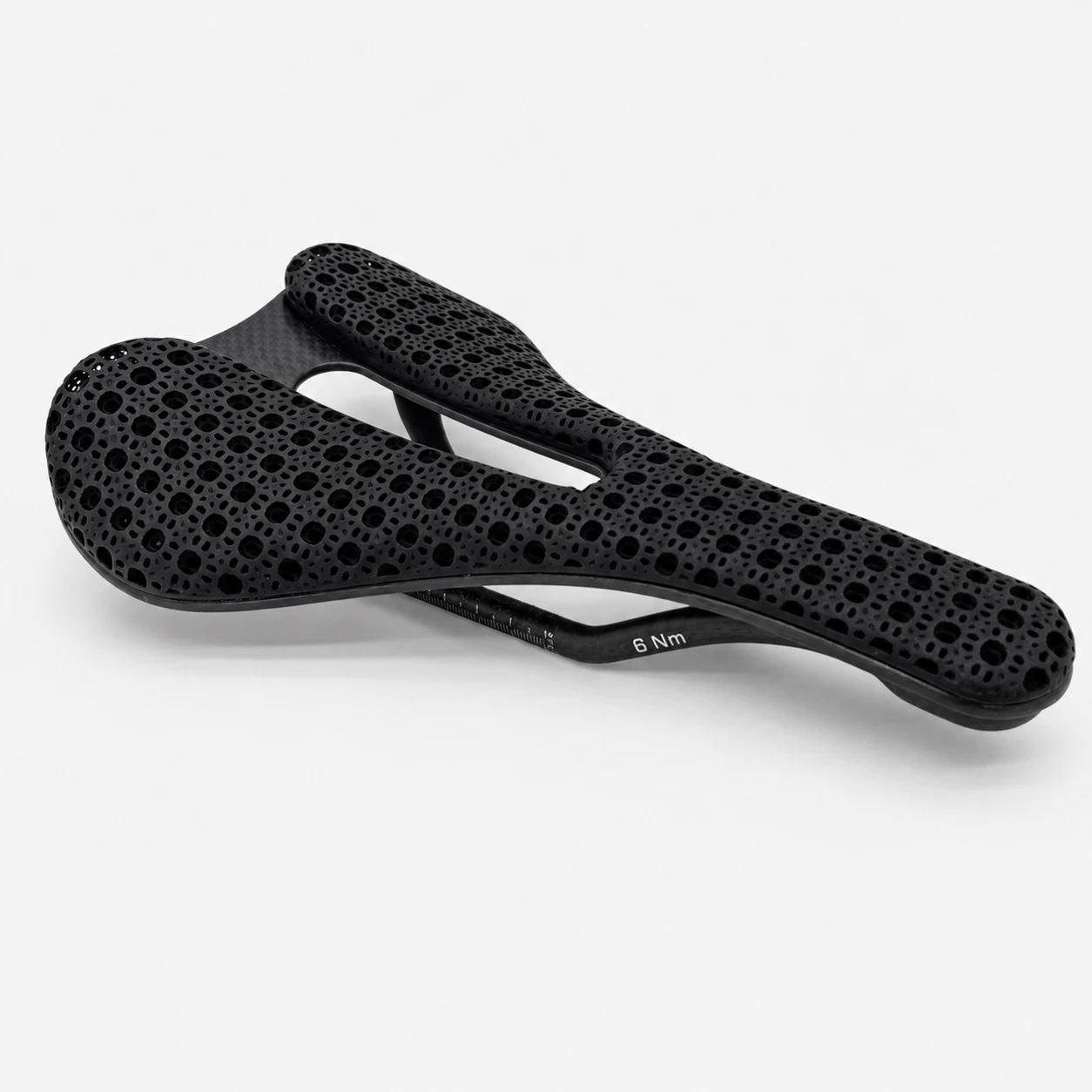
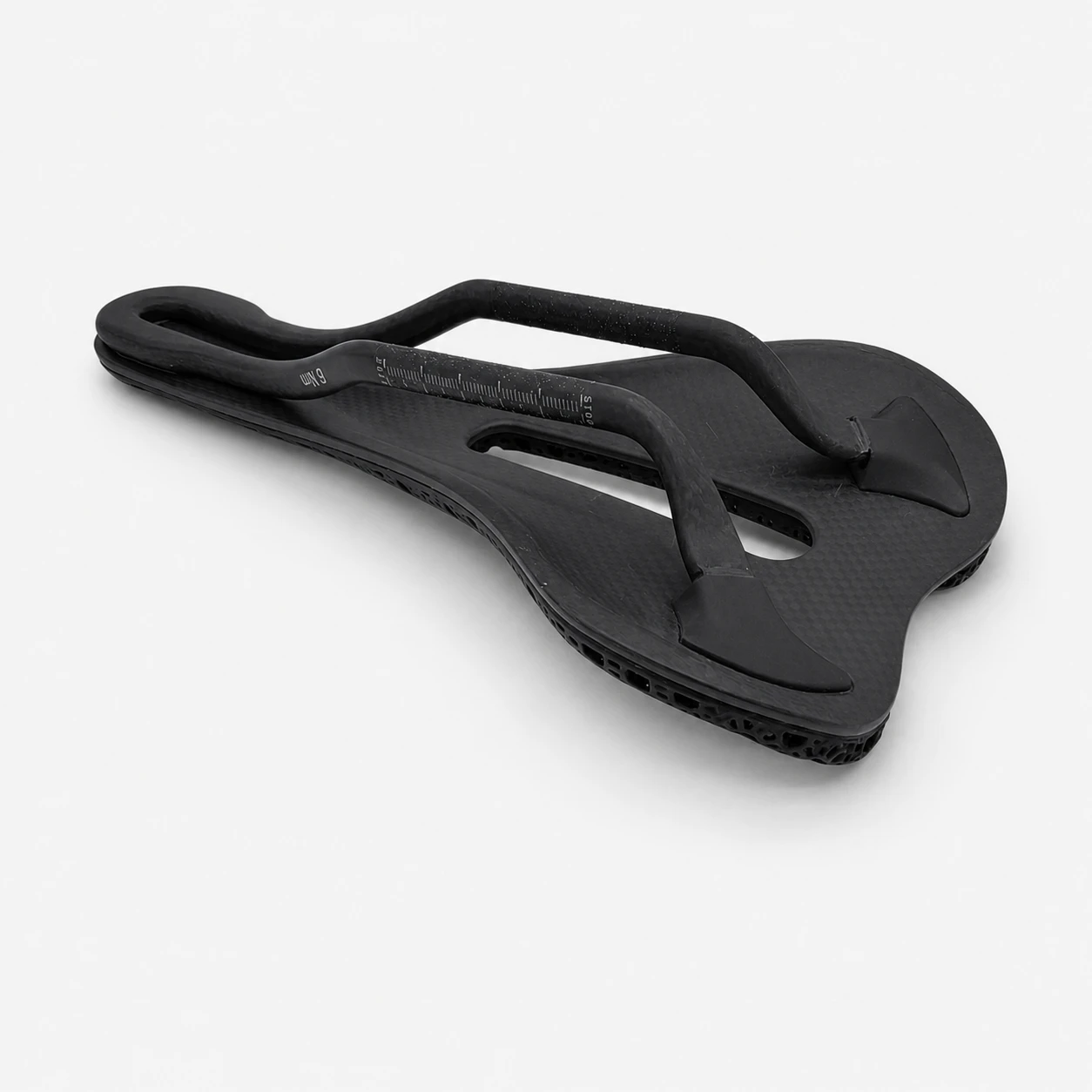
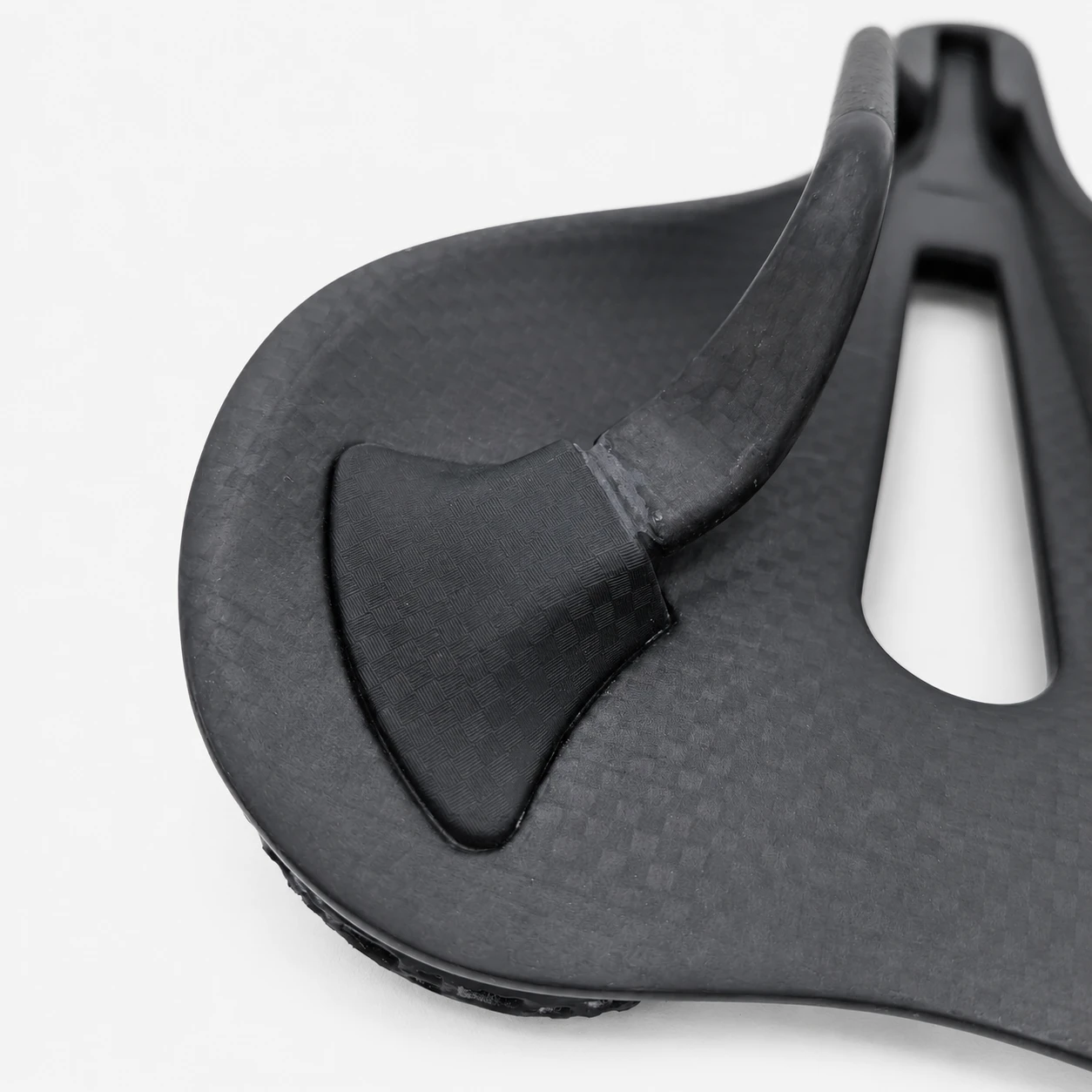
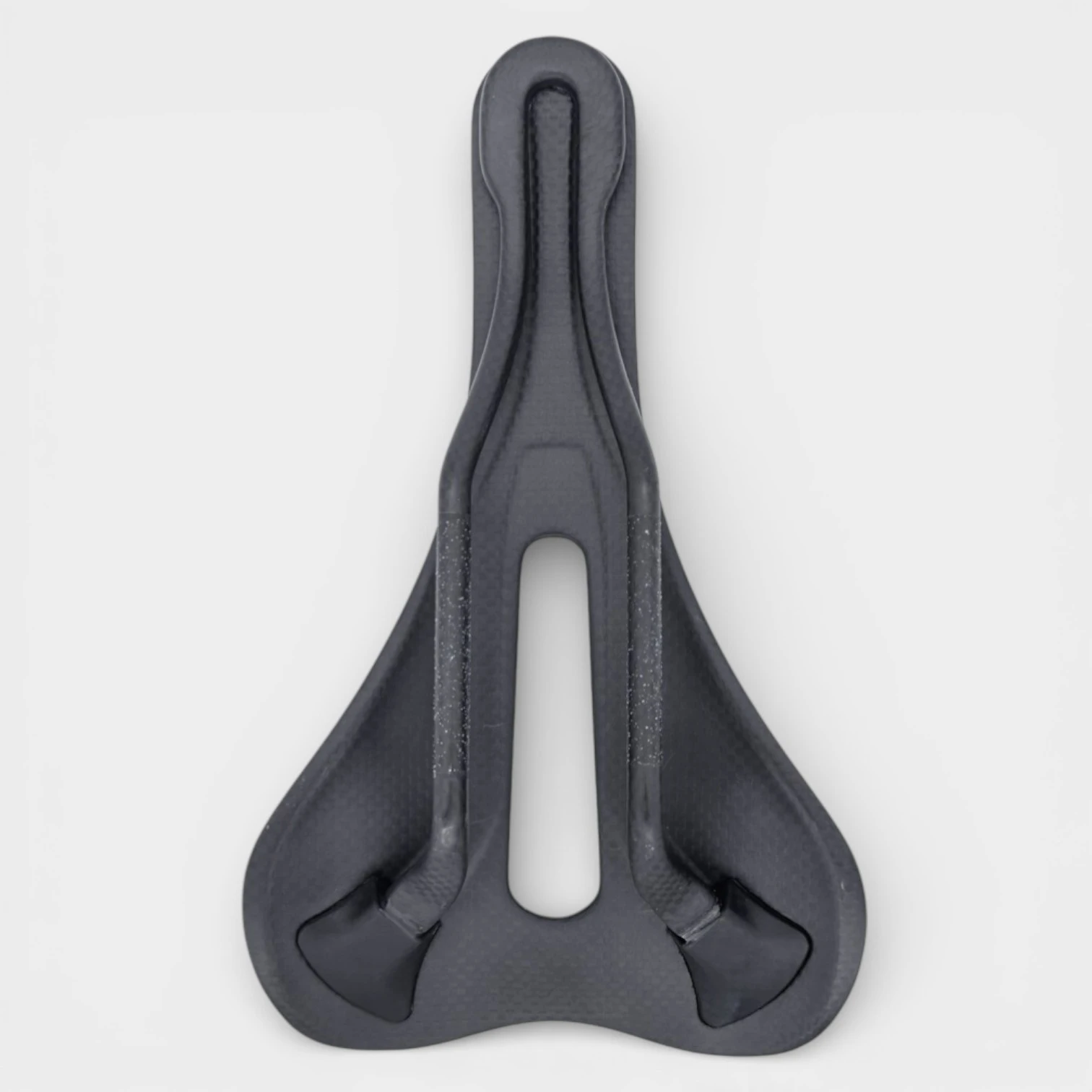
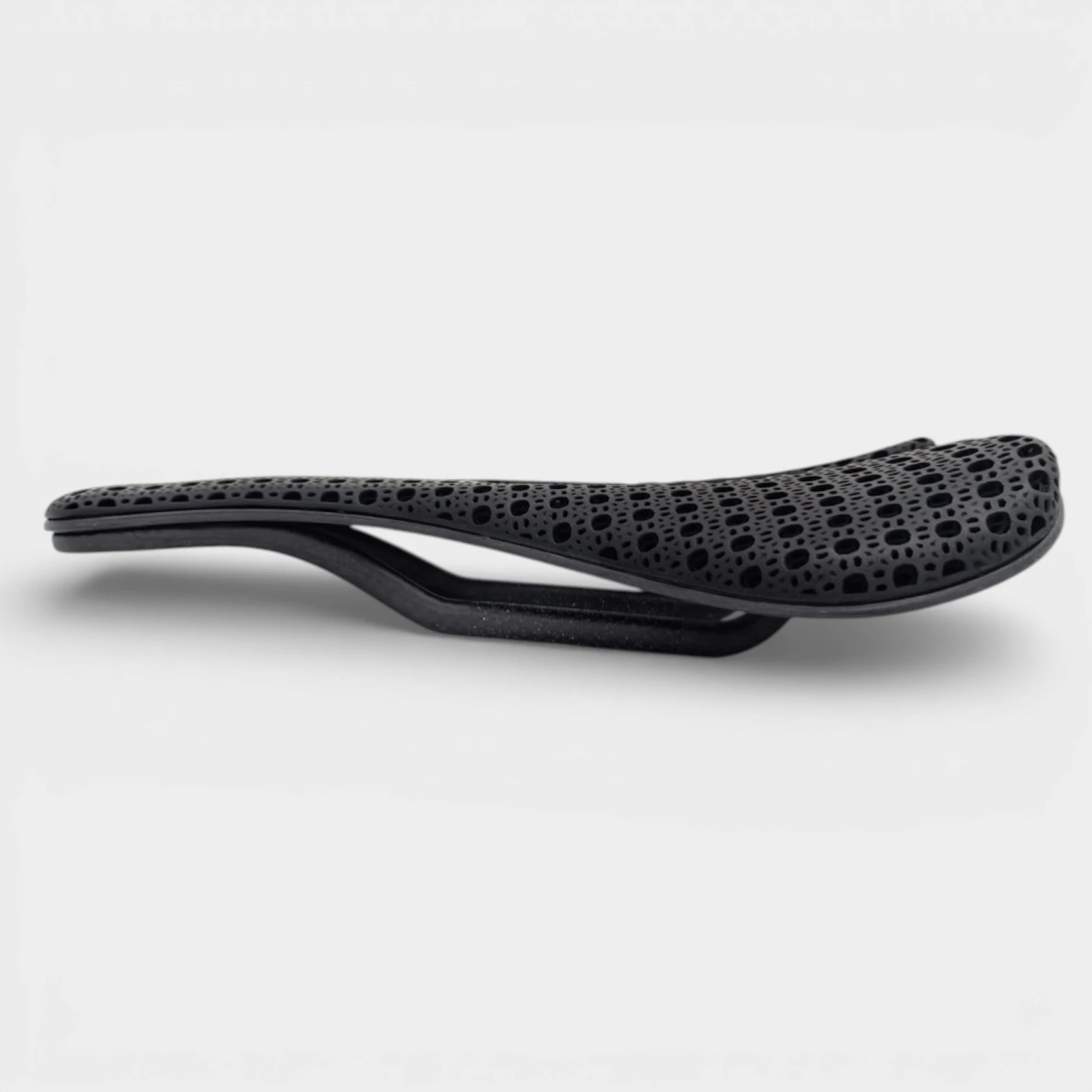
3D Printed Saddle
K90
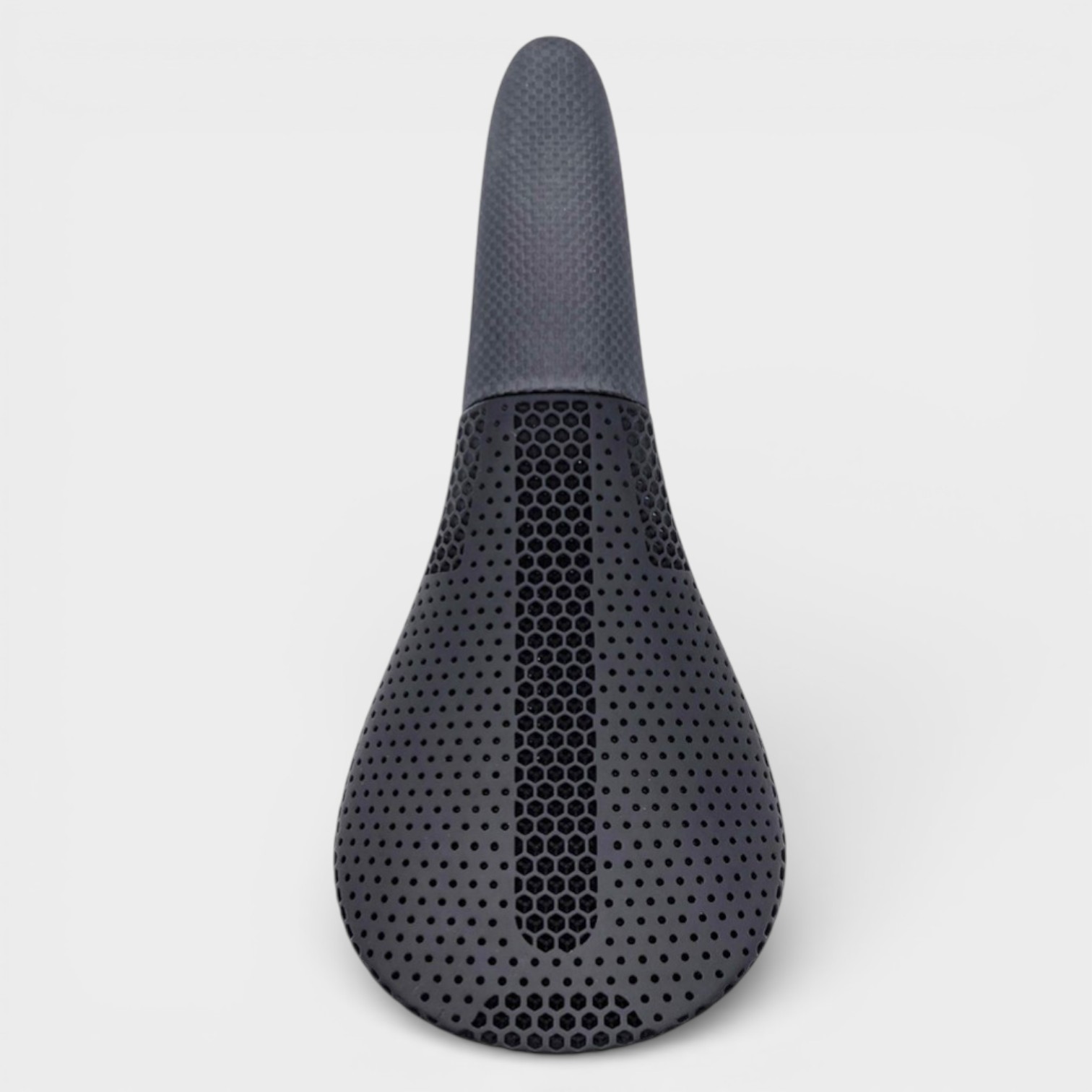
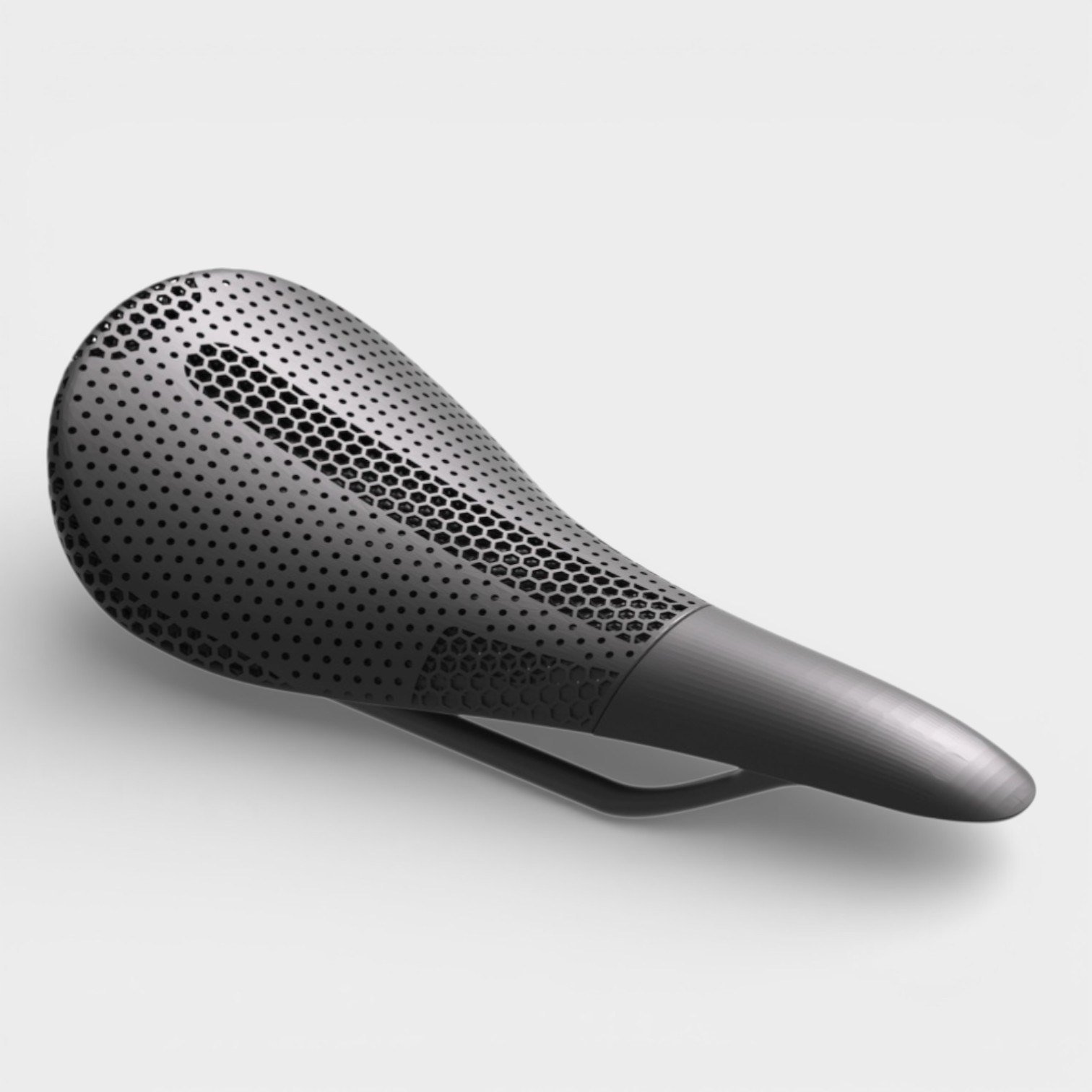
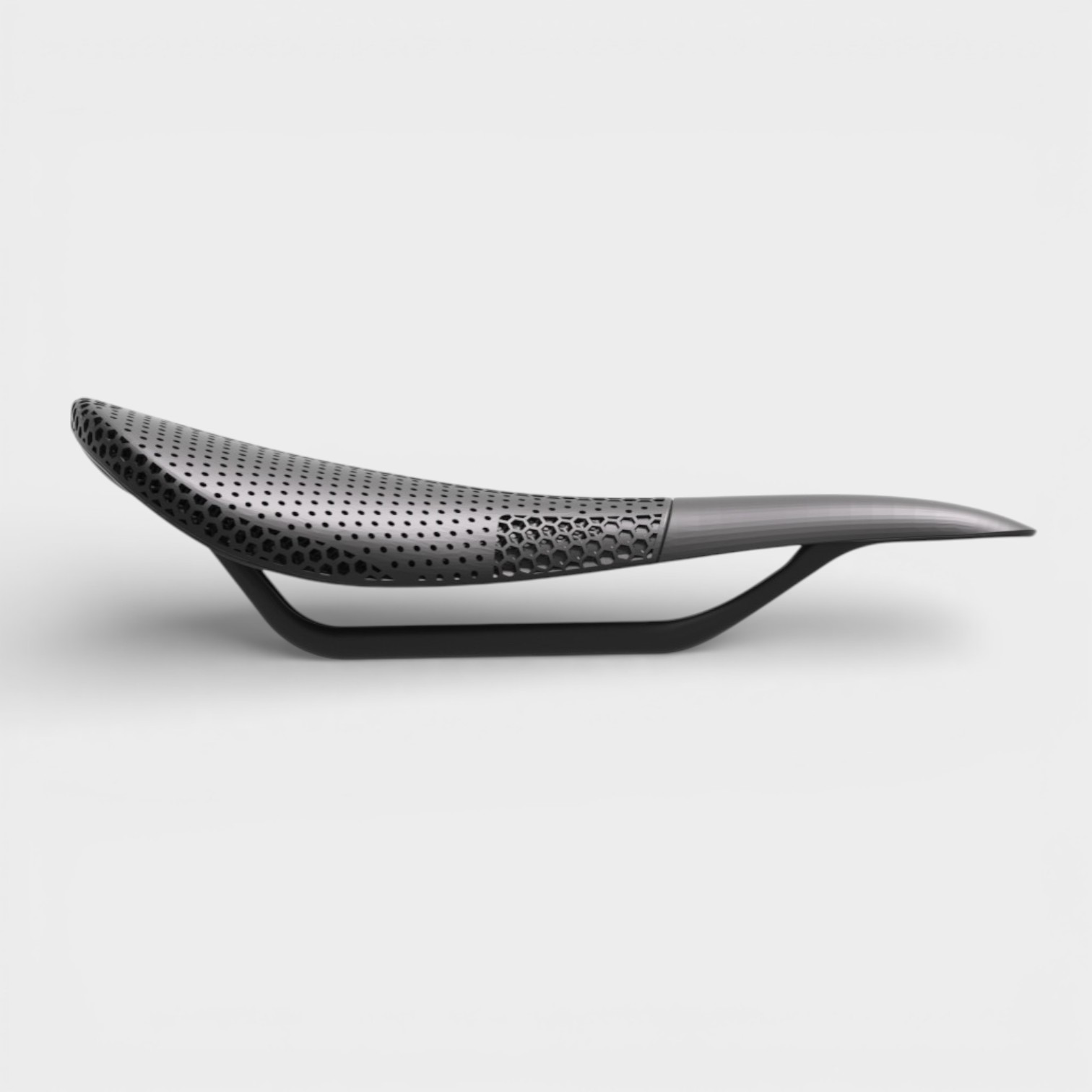
3D Printed Saddle
K40
3D Printed Saddle
K03
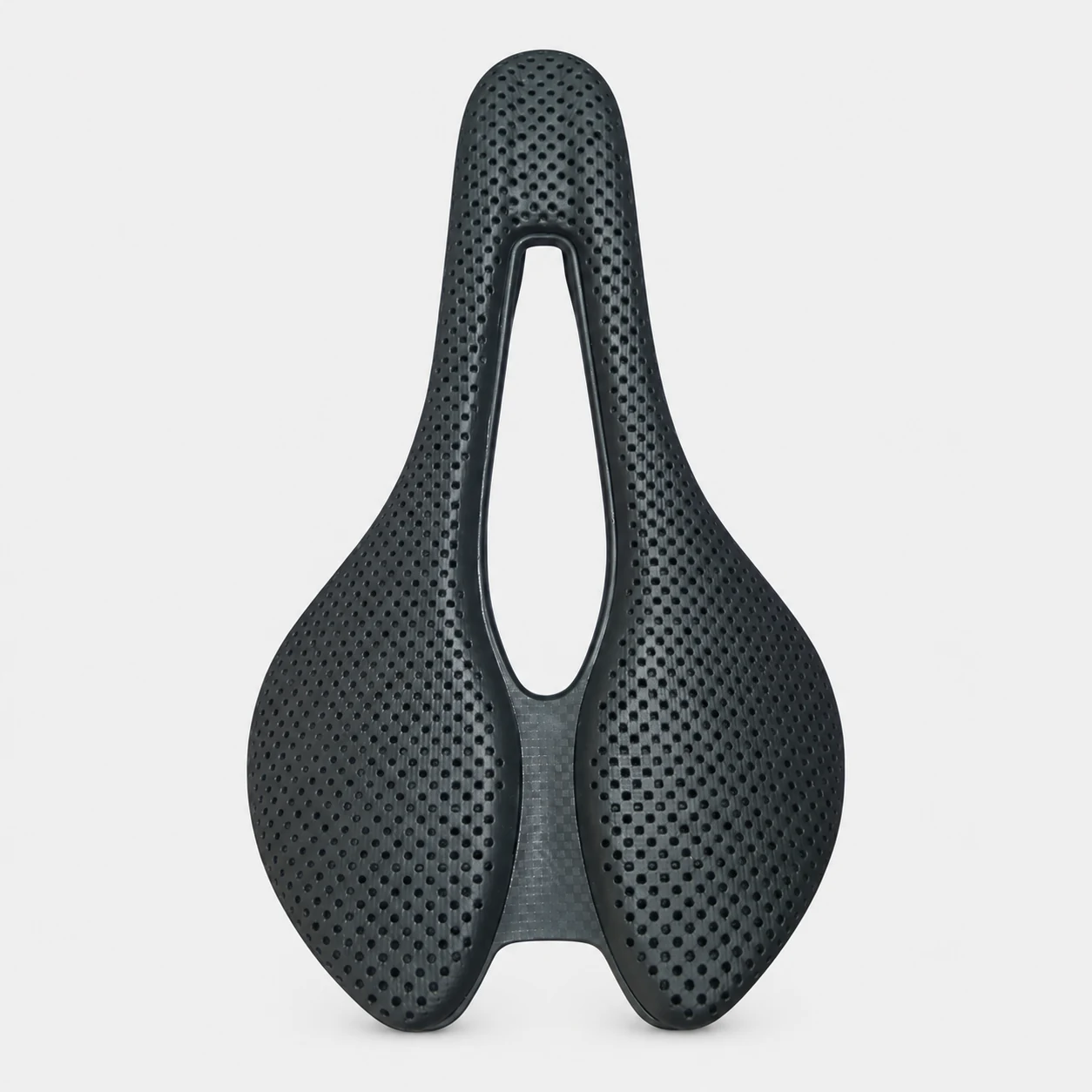
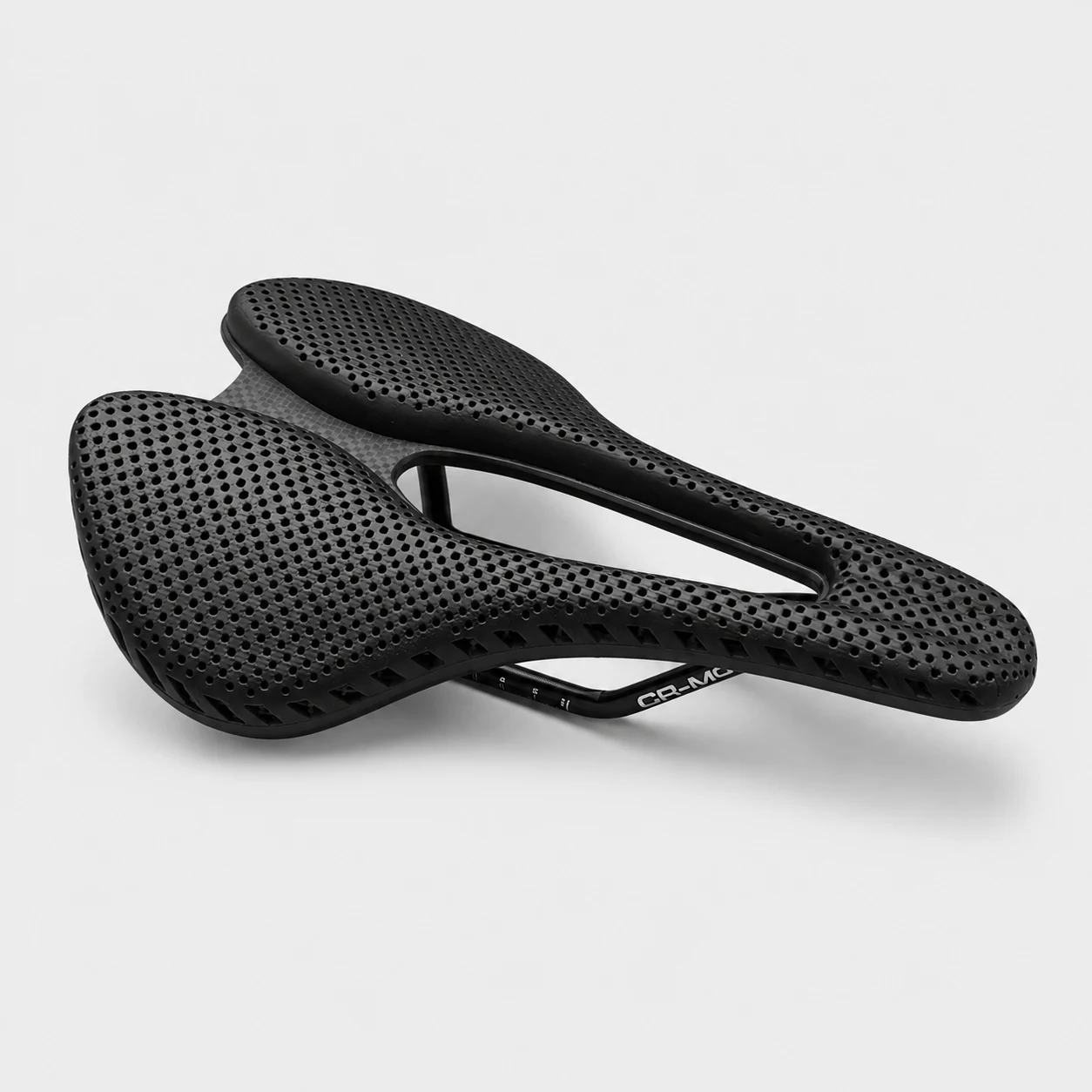
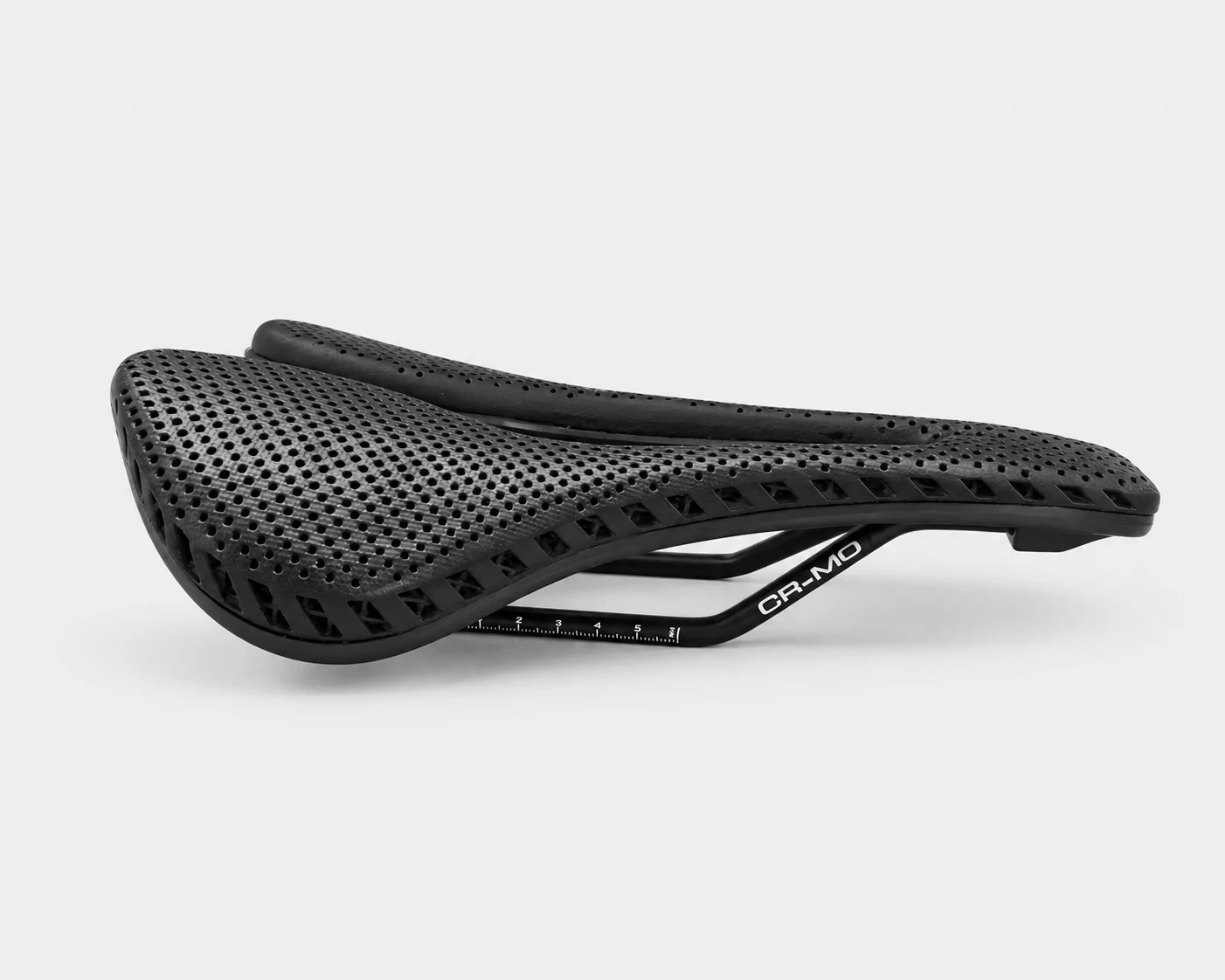
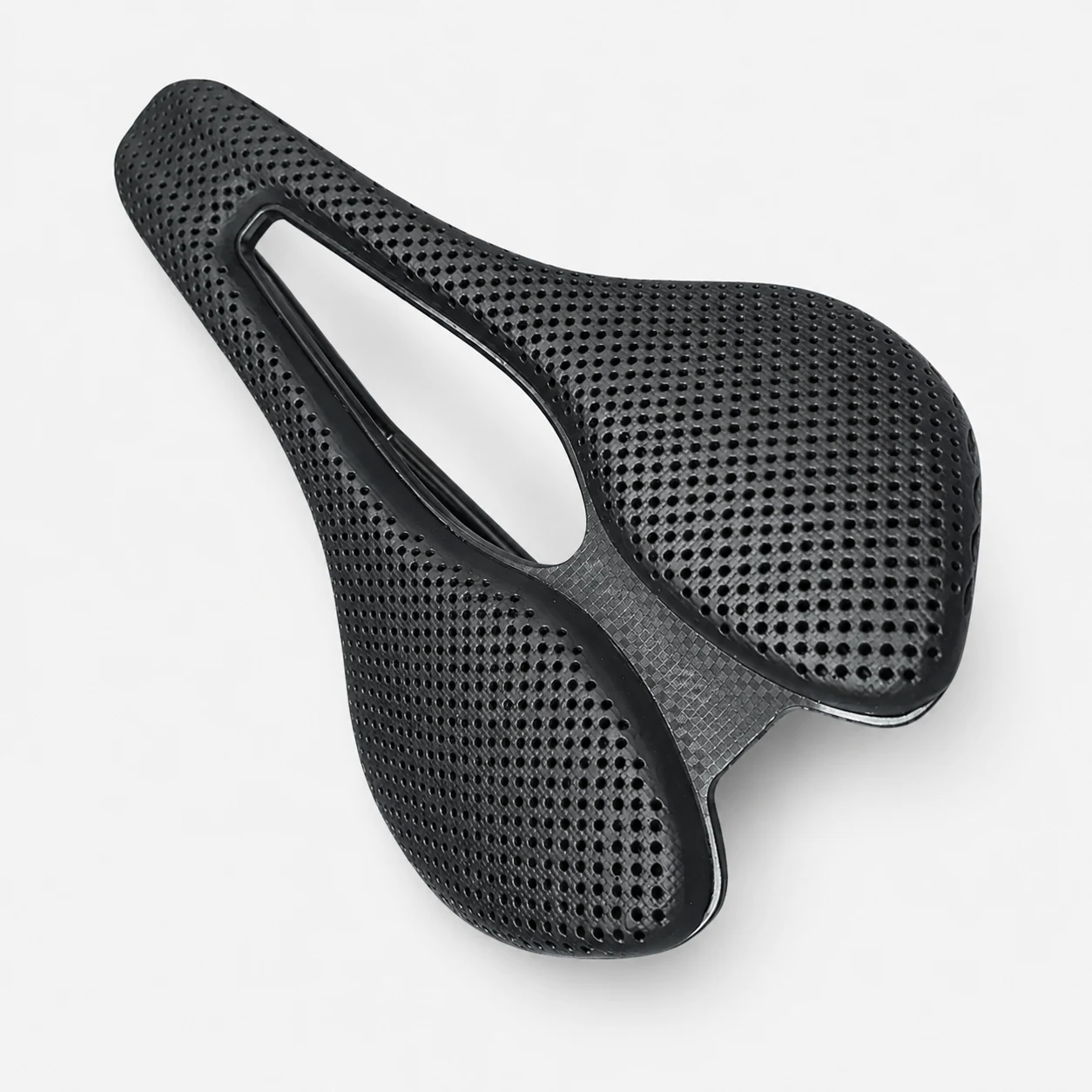
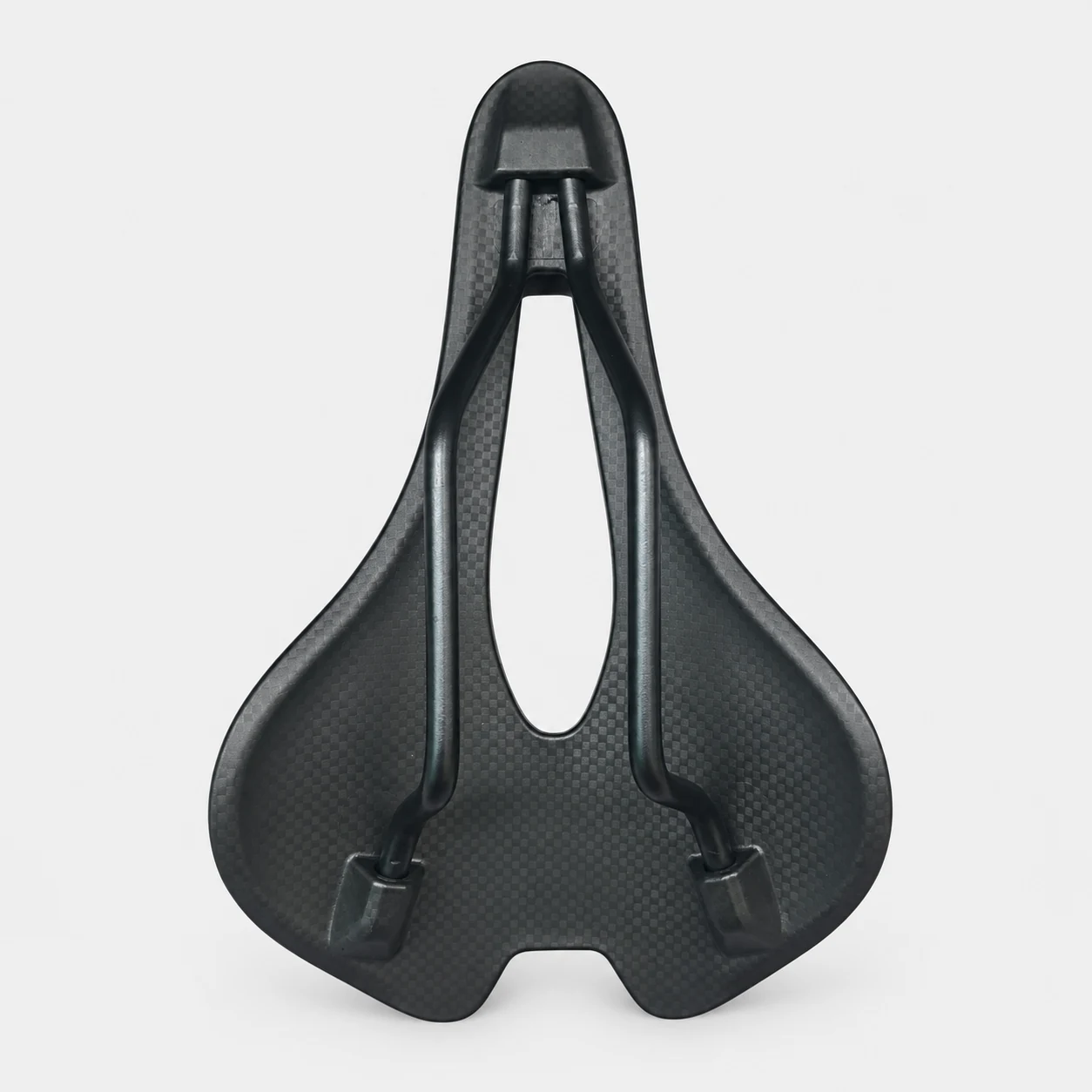
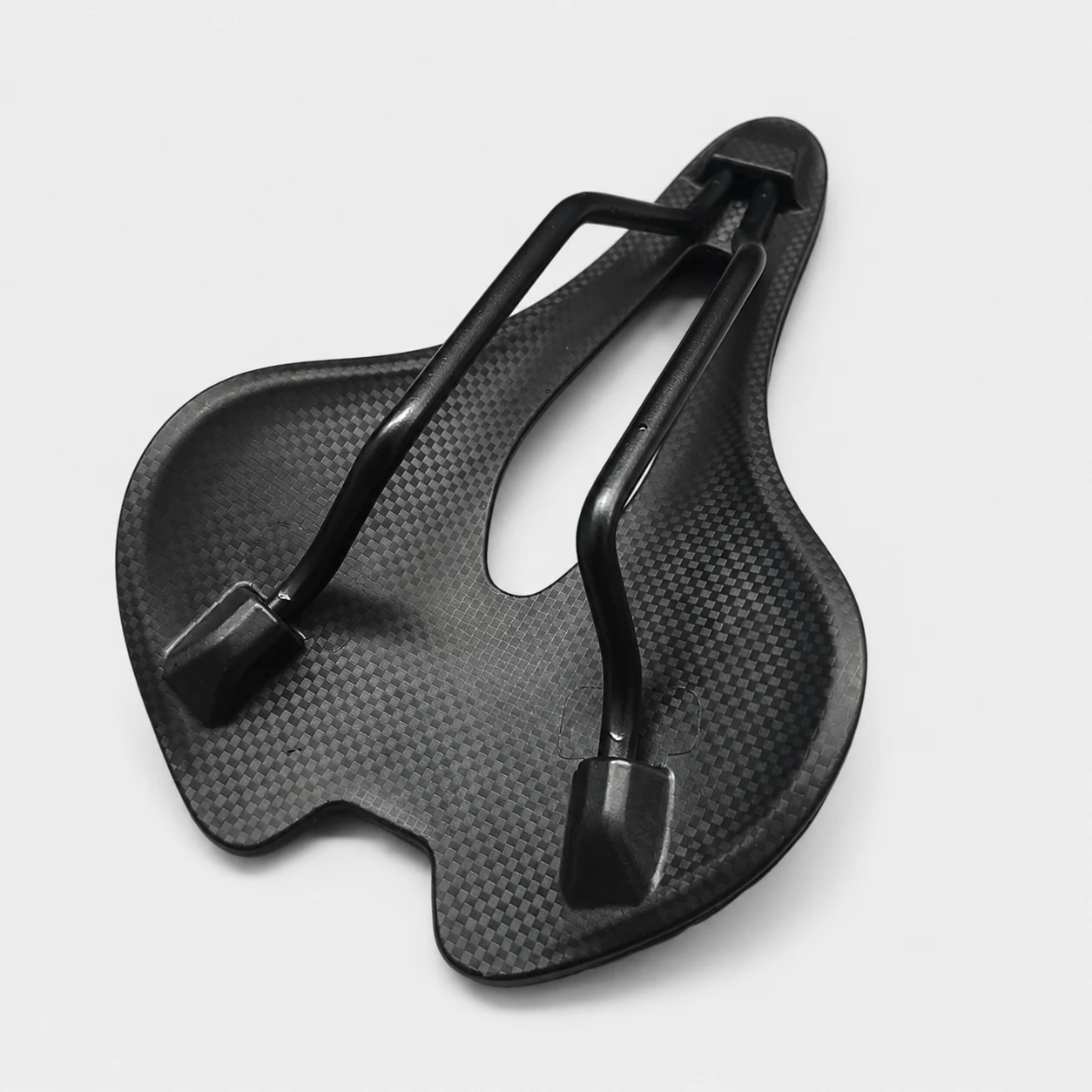
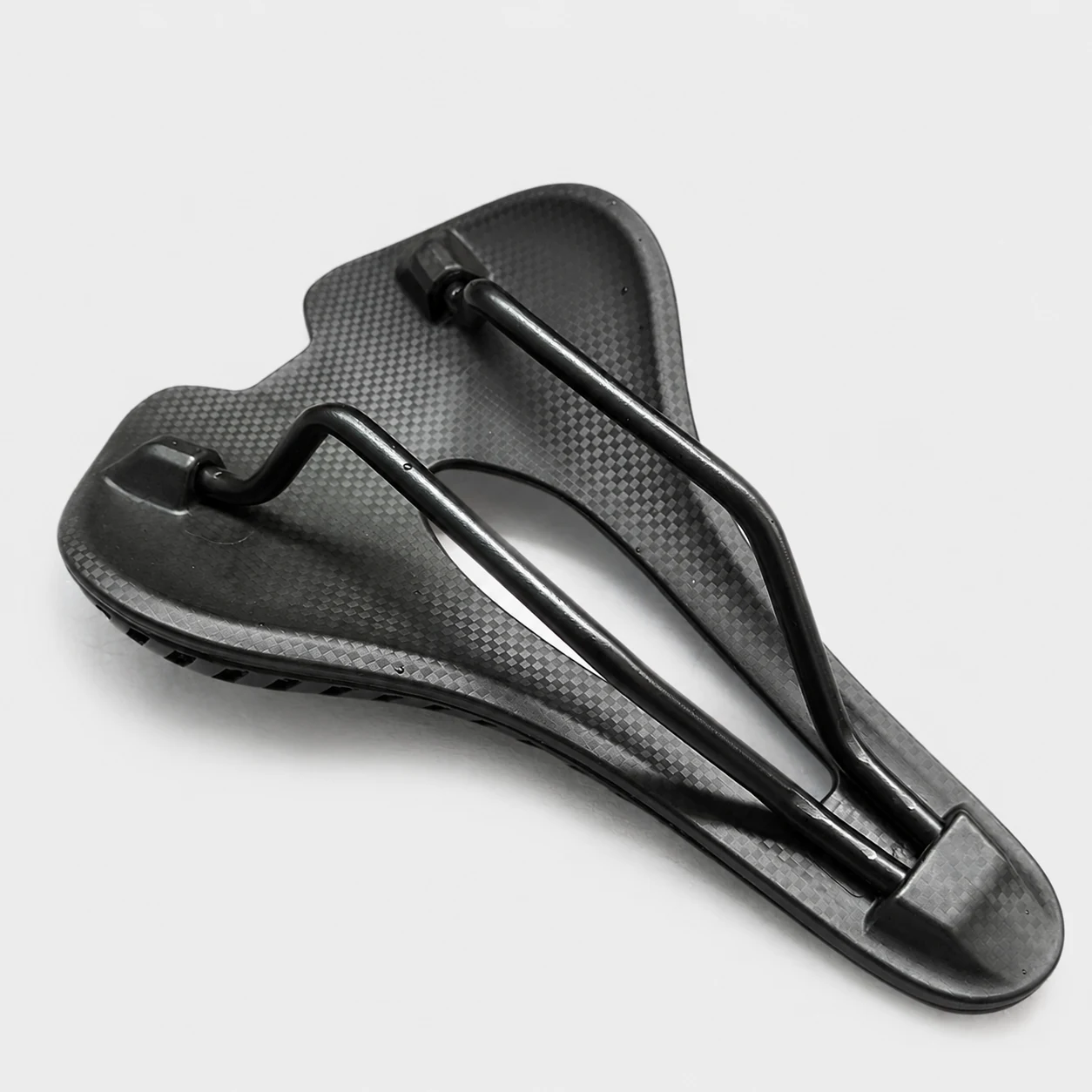
3D Printed Saddle
K80
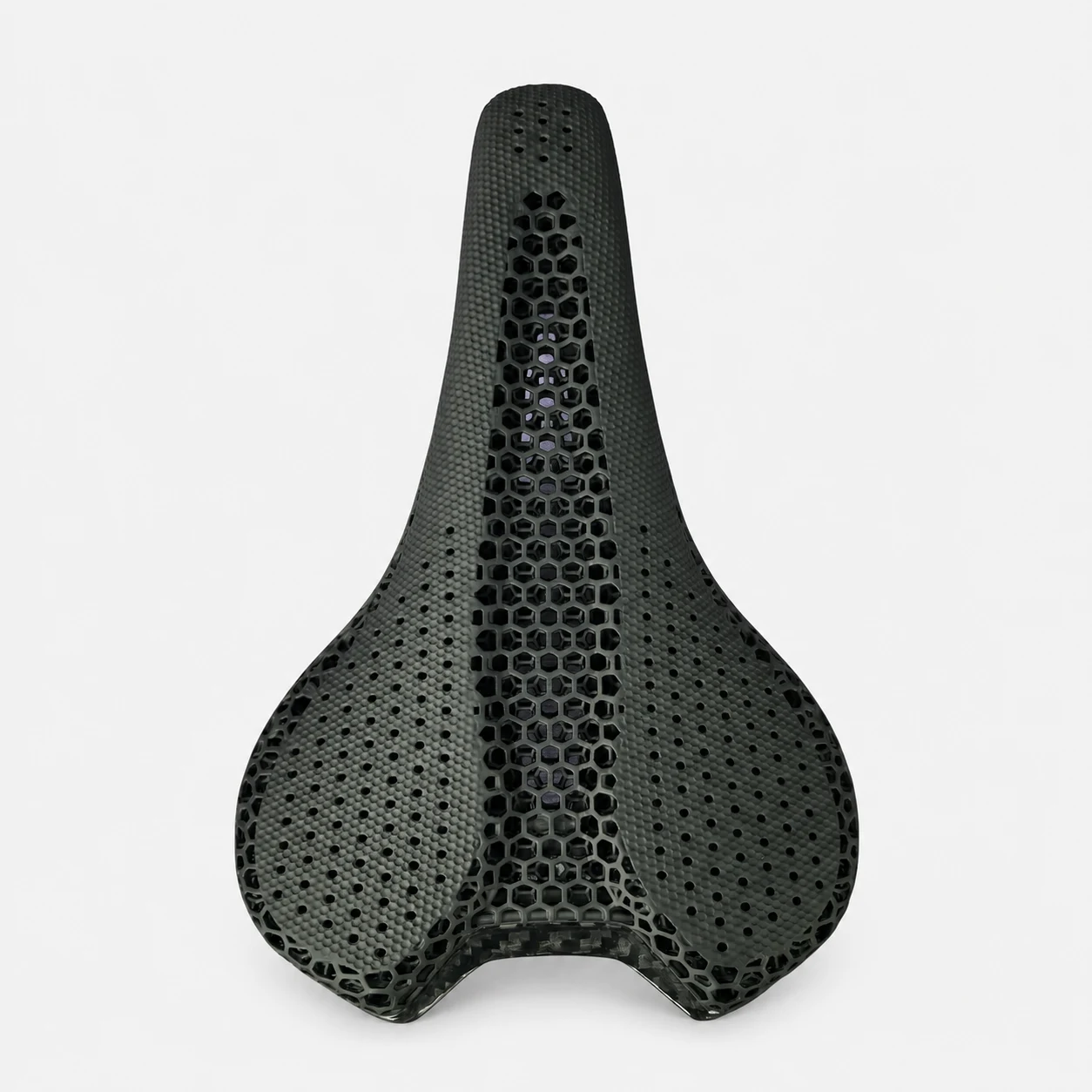
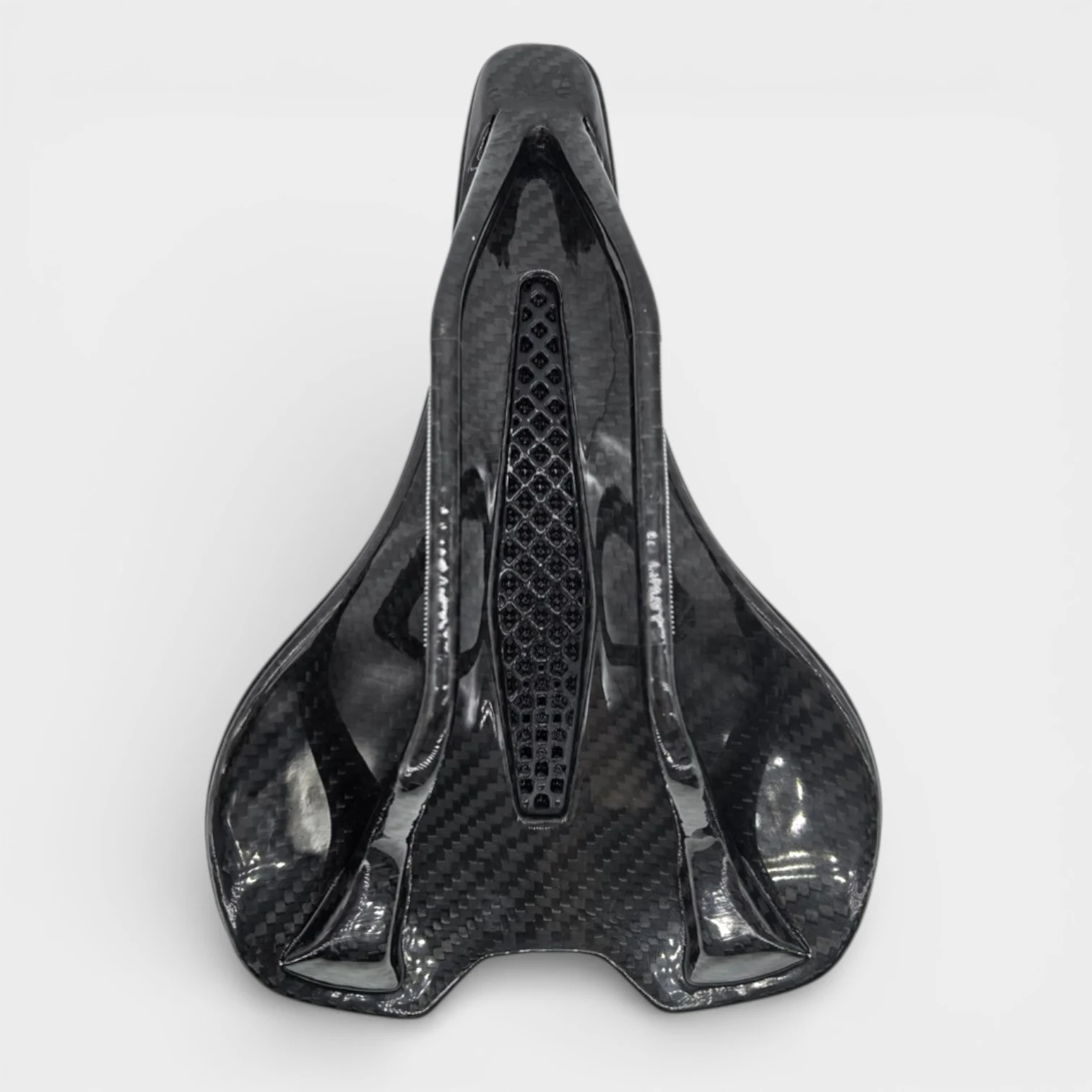
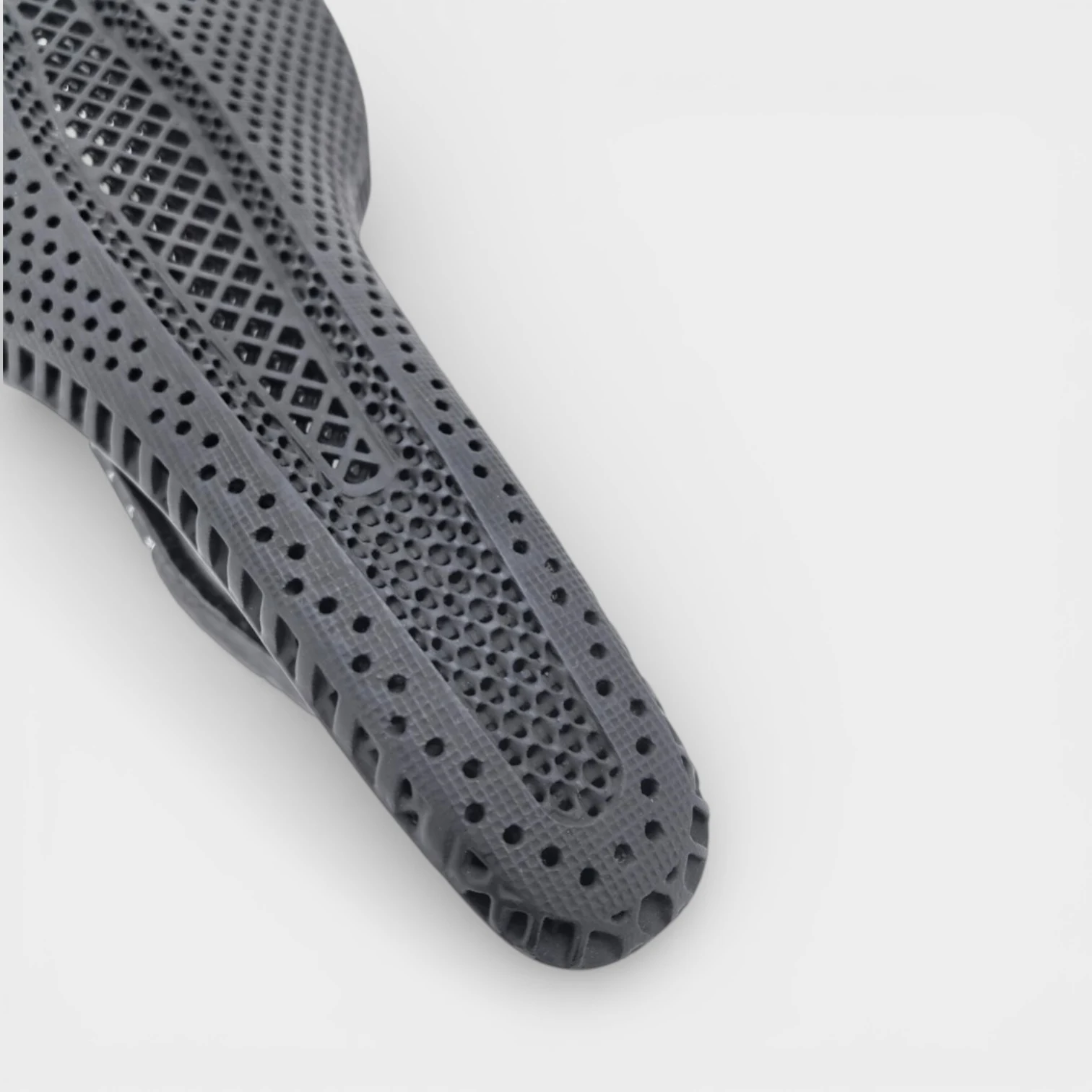
3D Printed Saddle
K70
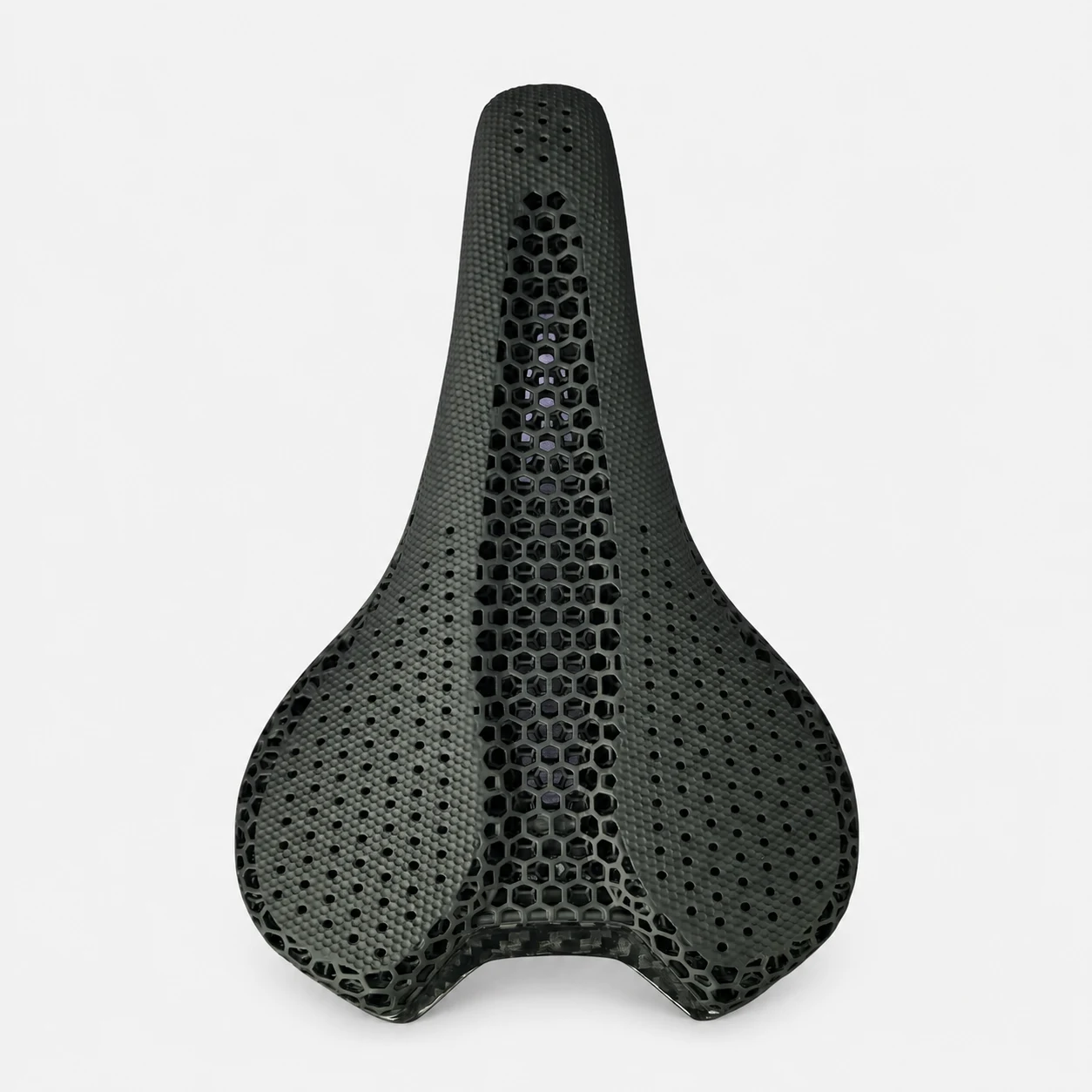
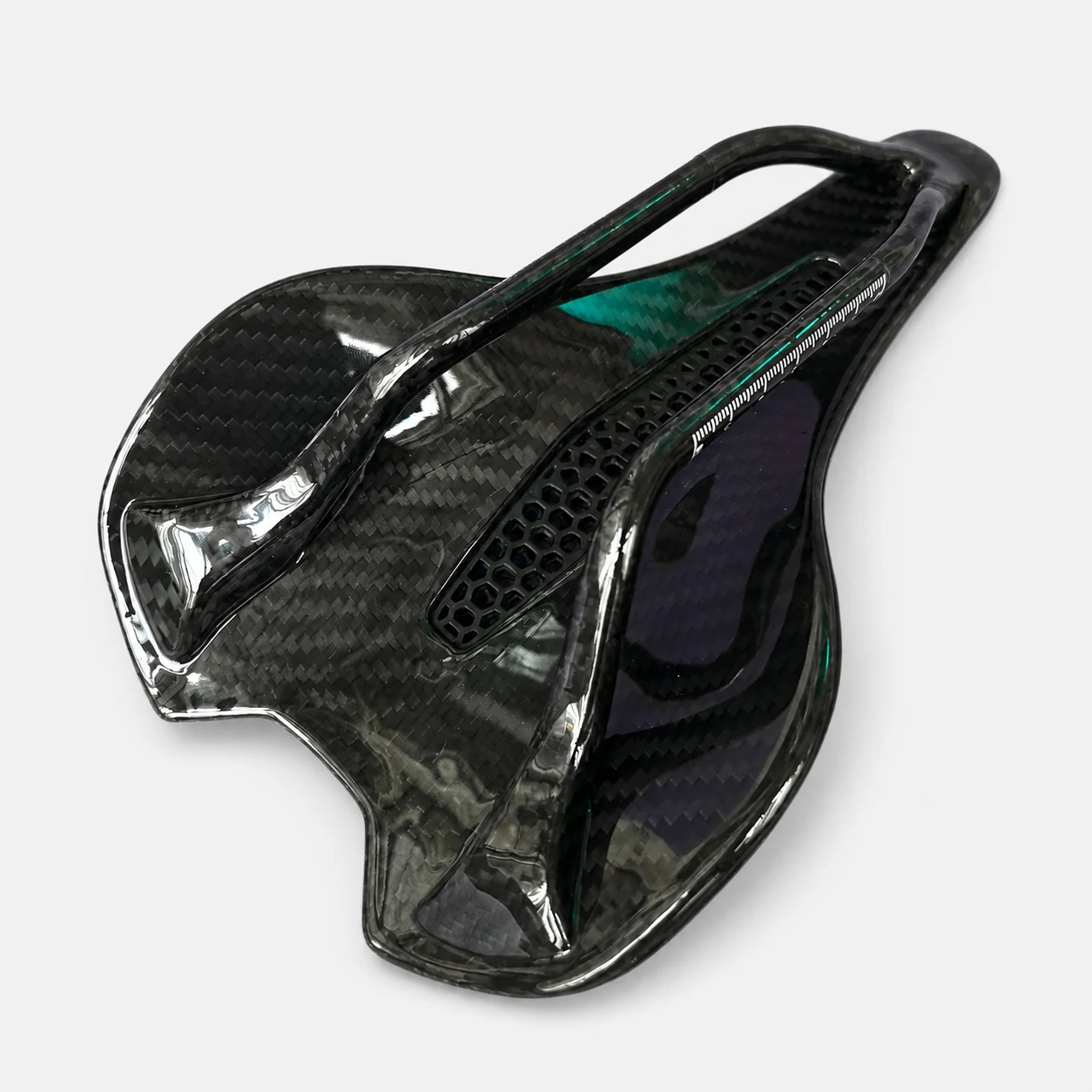
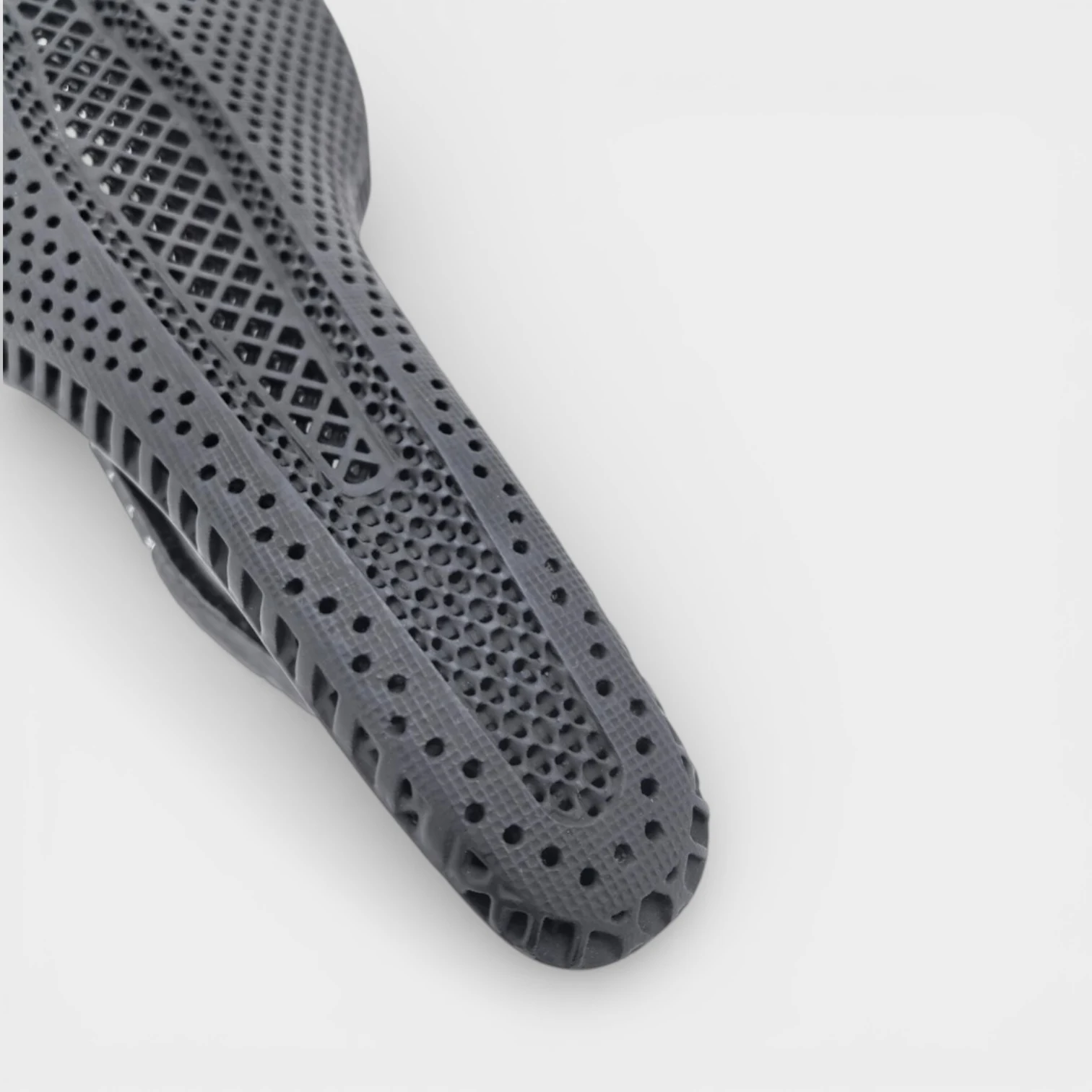
3D Printed Saddle
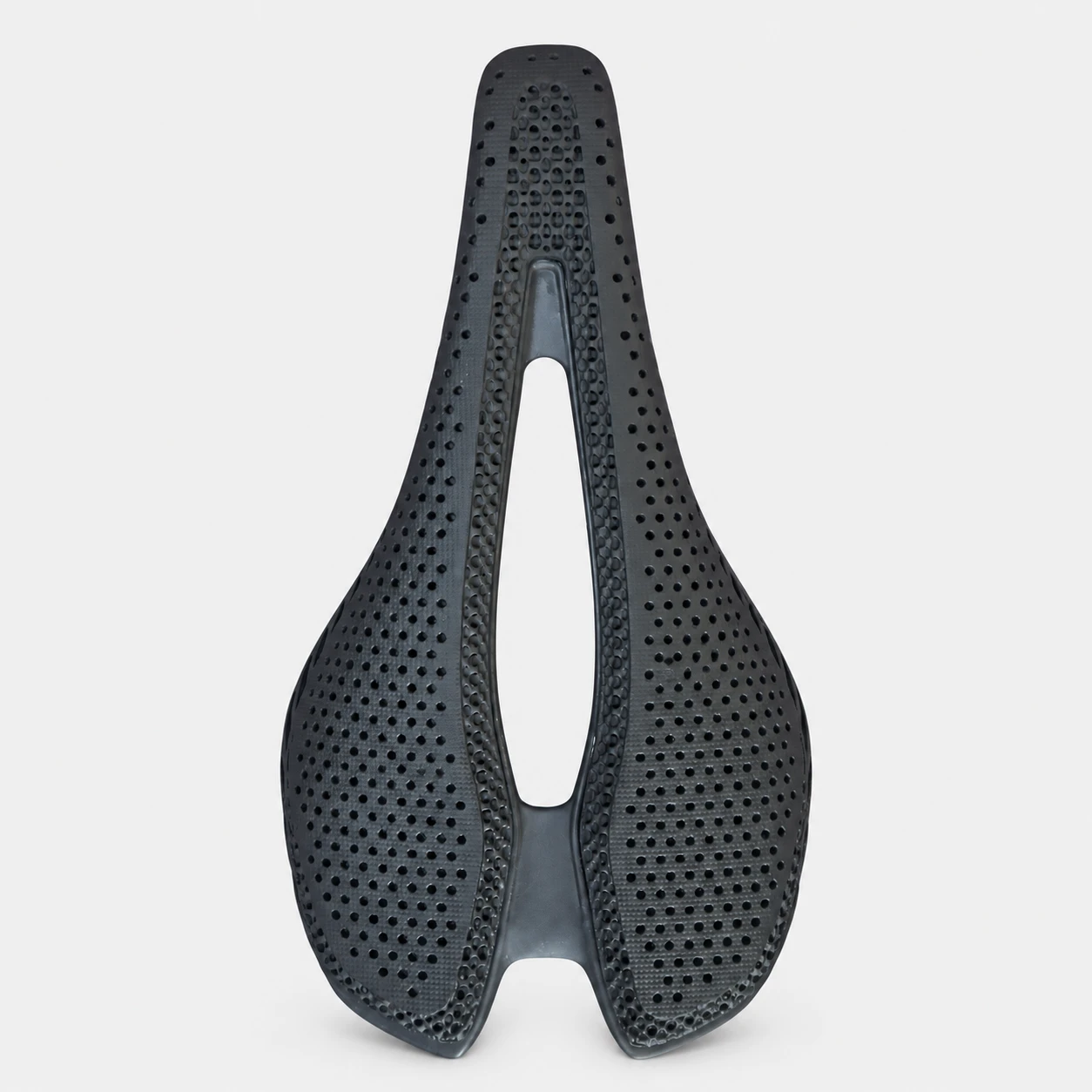
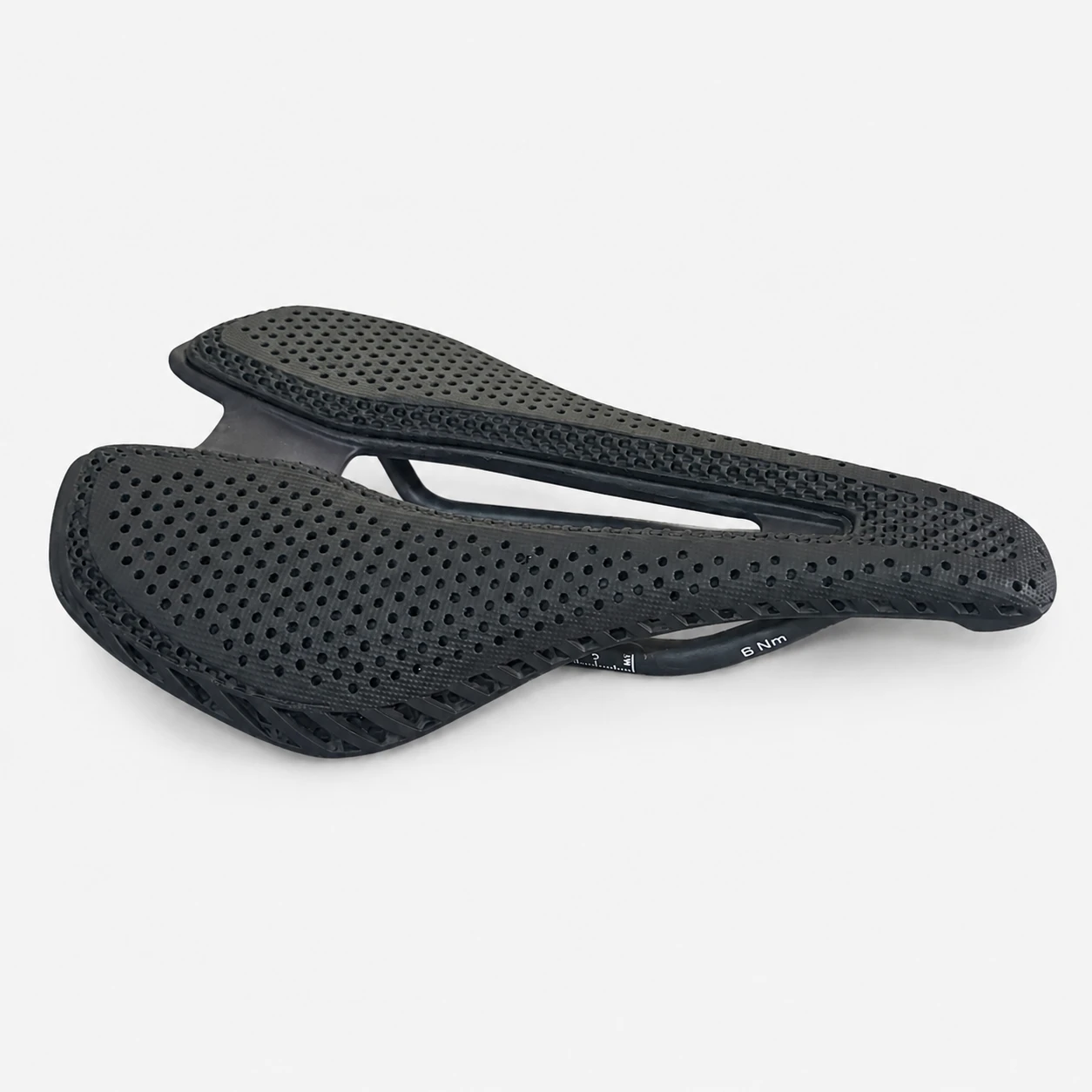
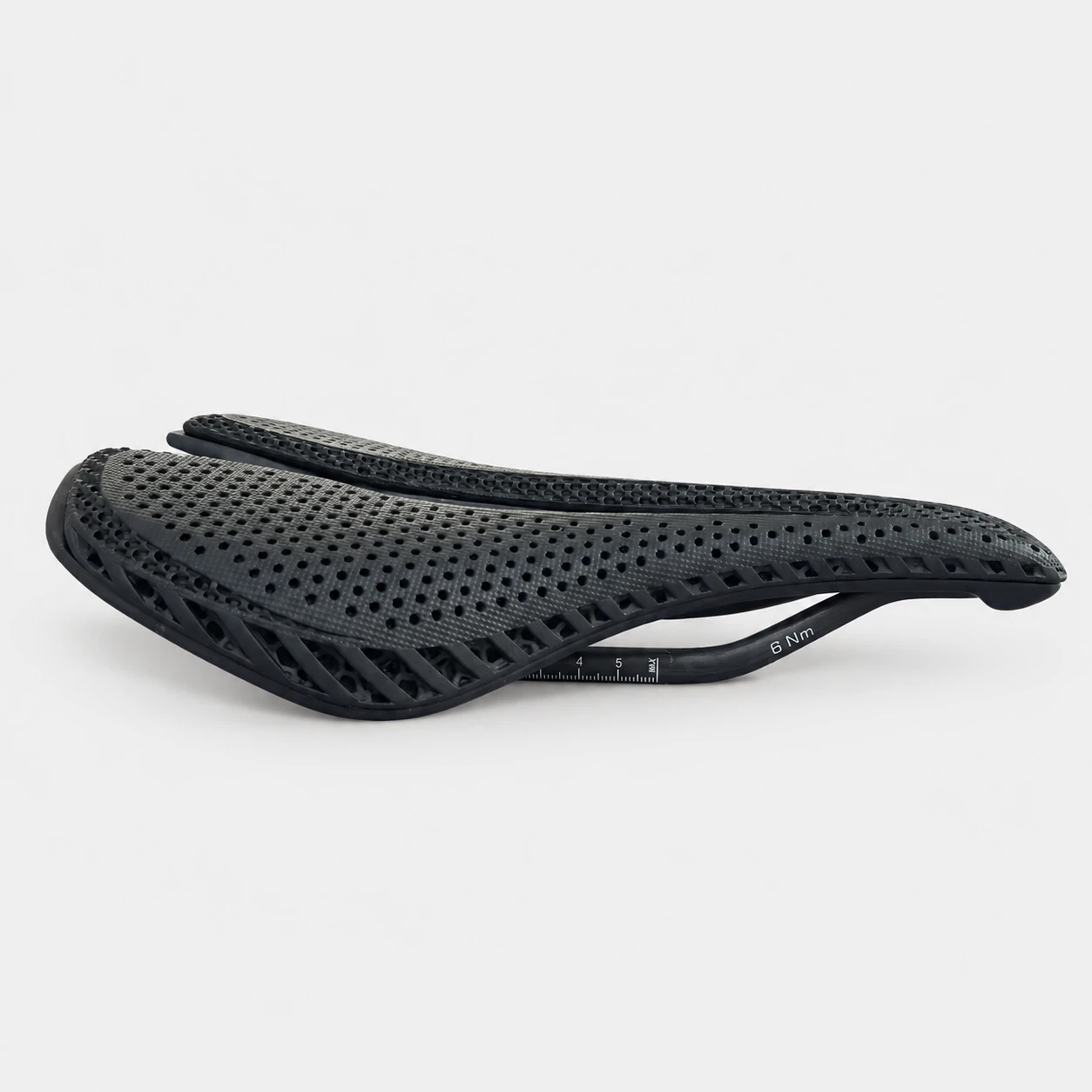
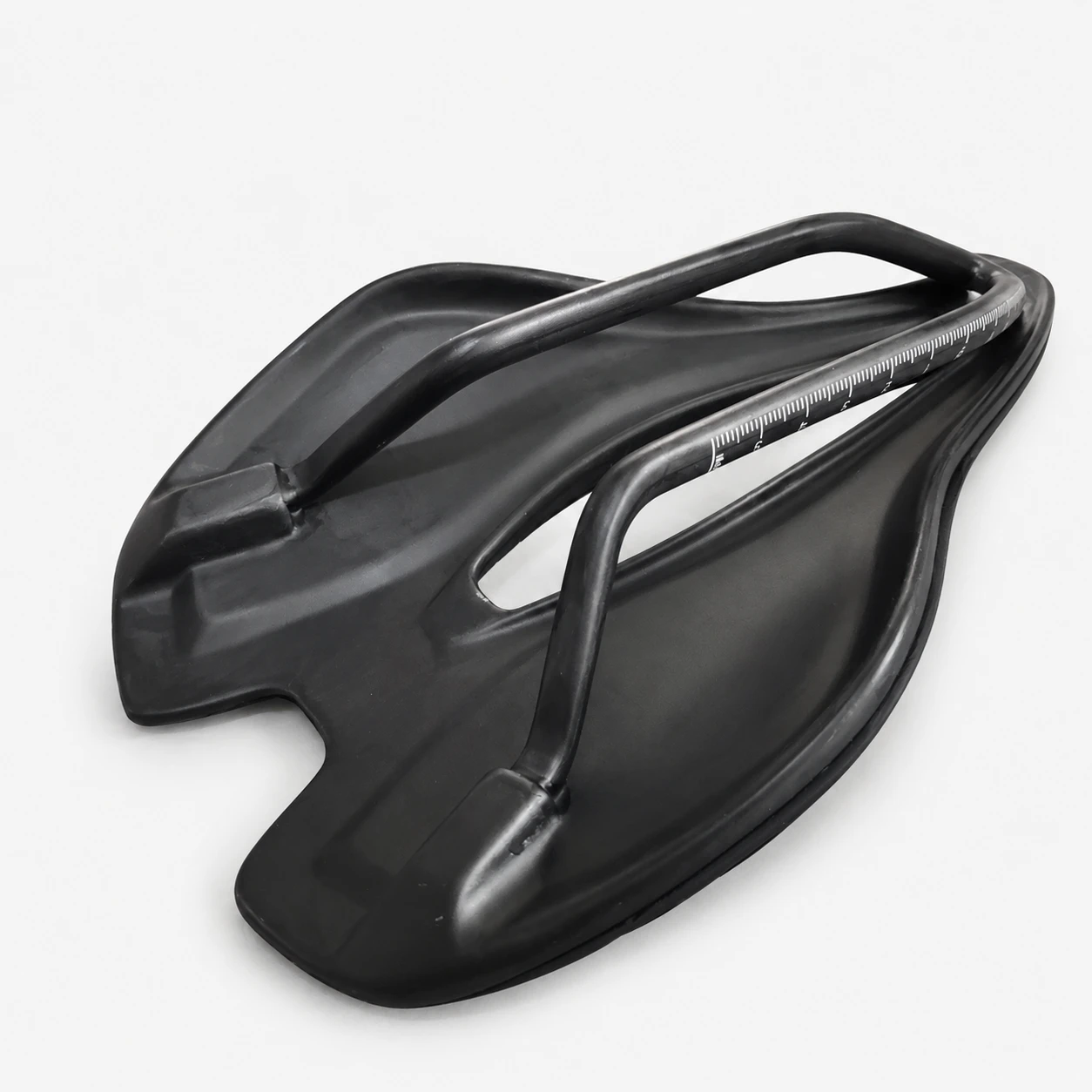
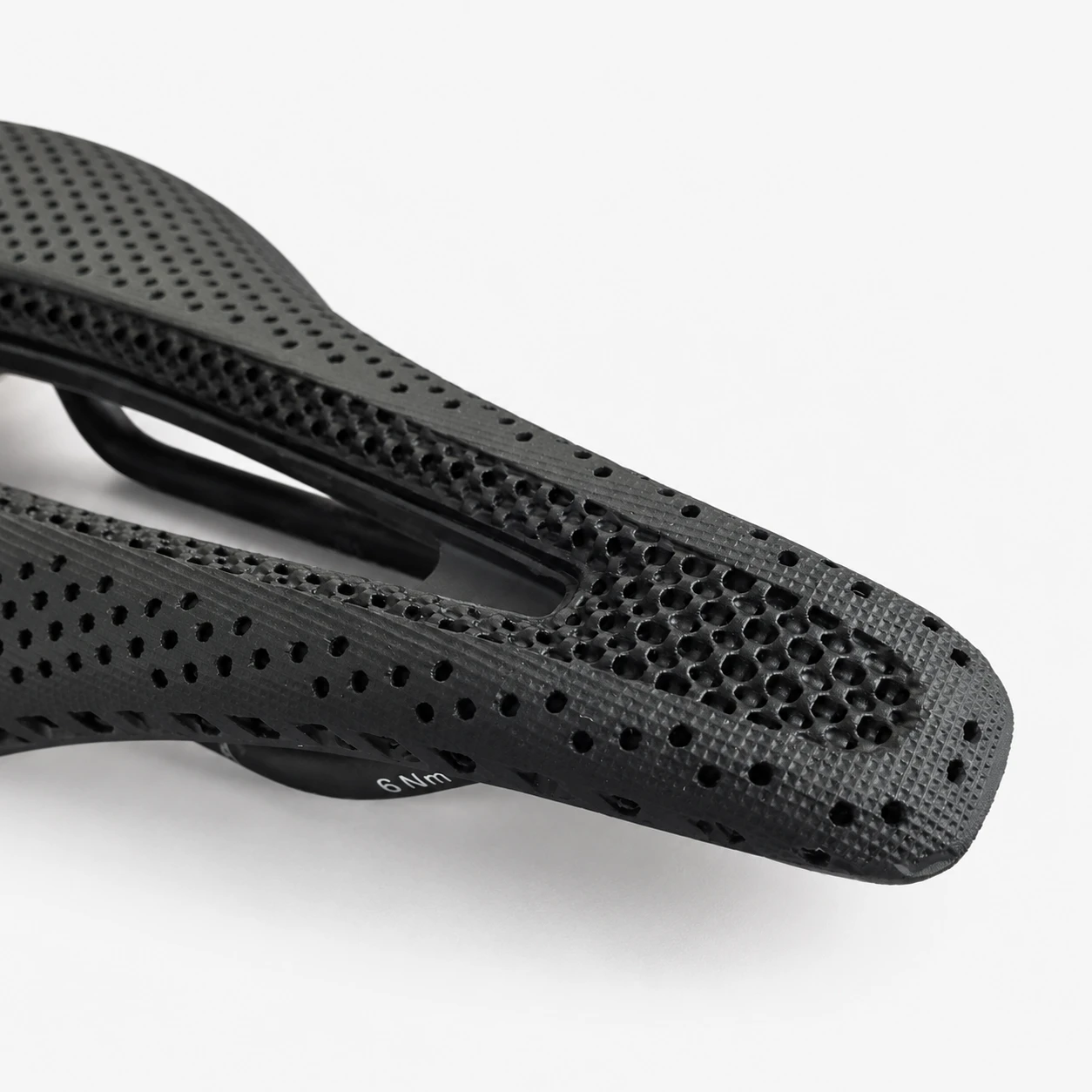
K69
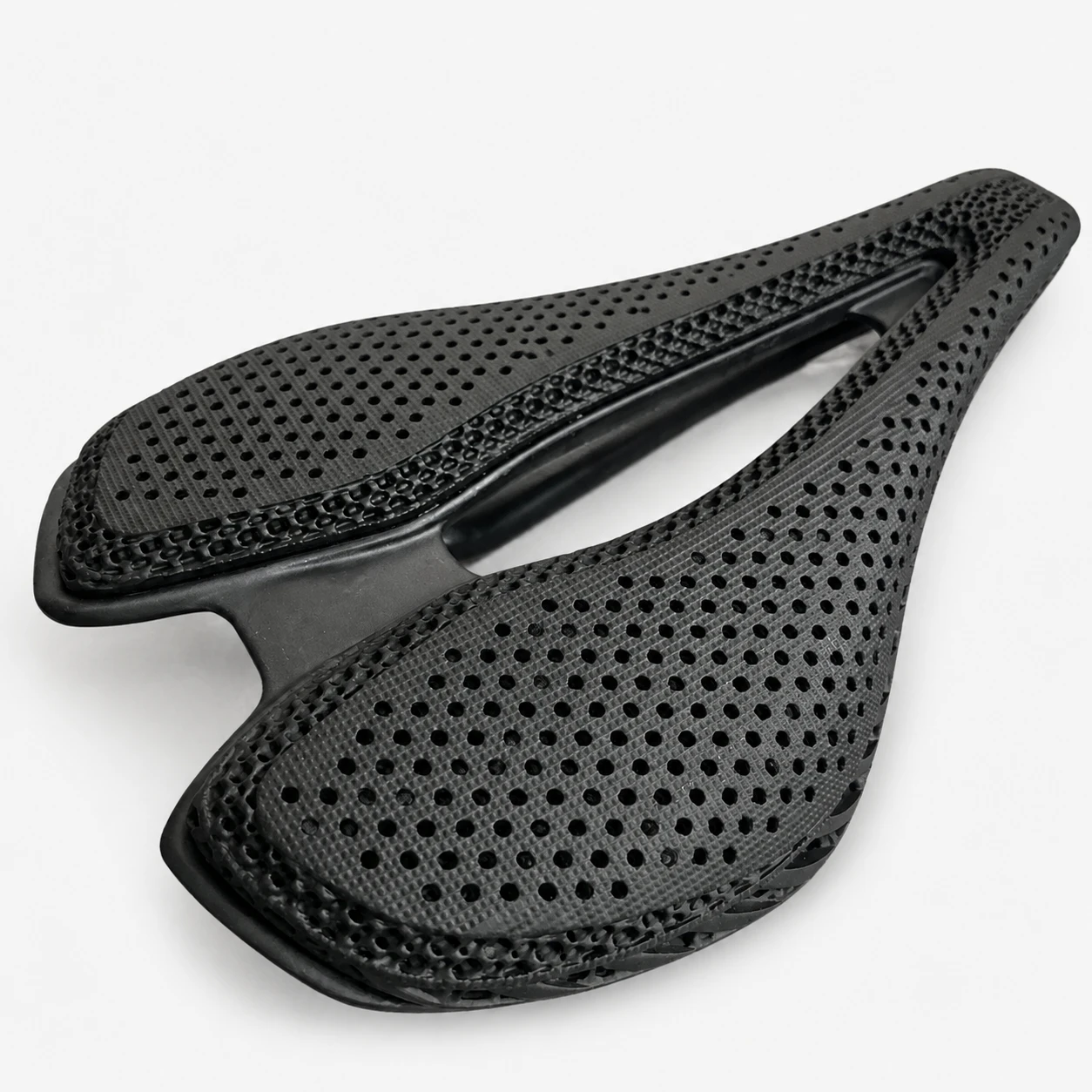
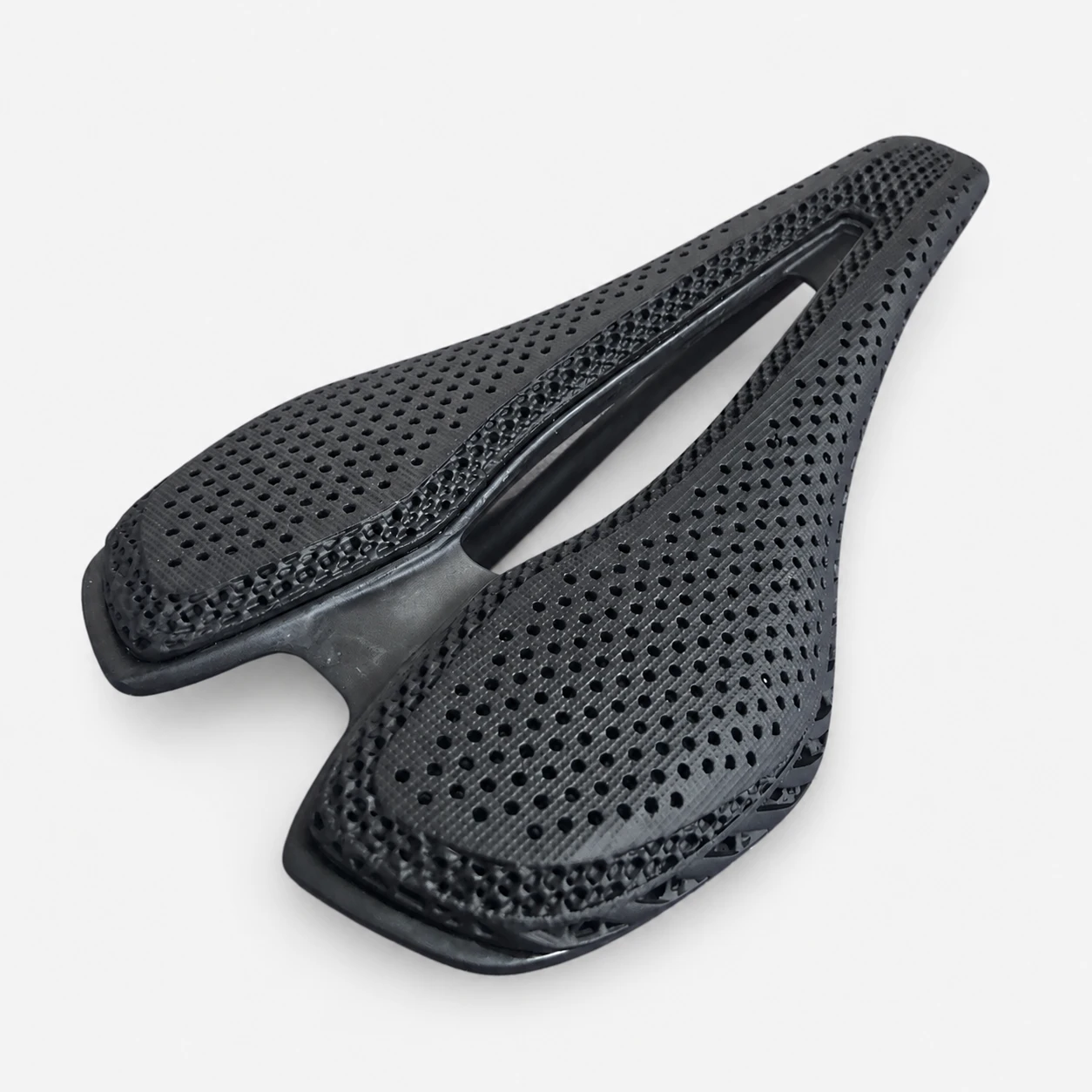
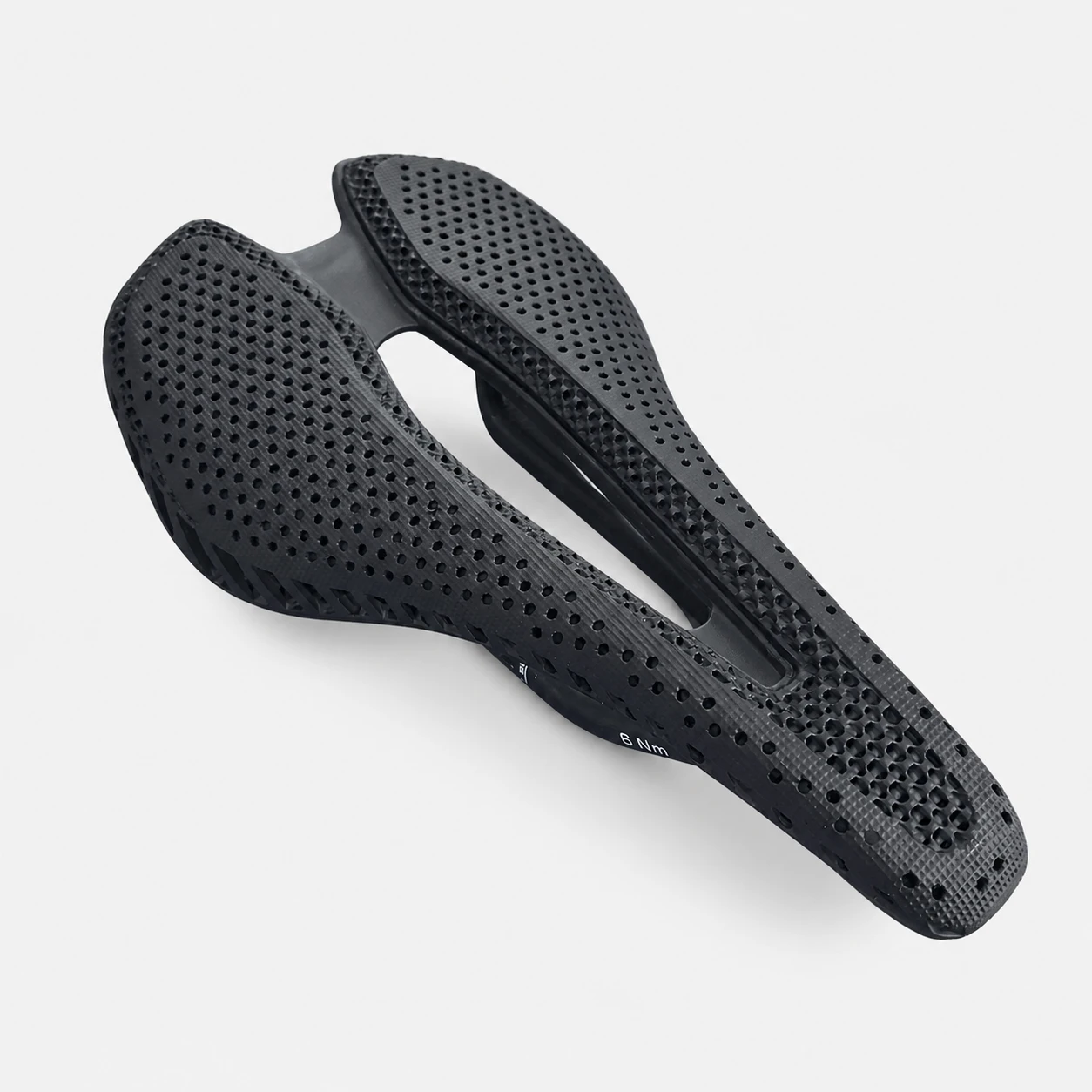
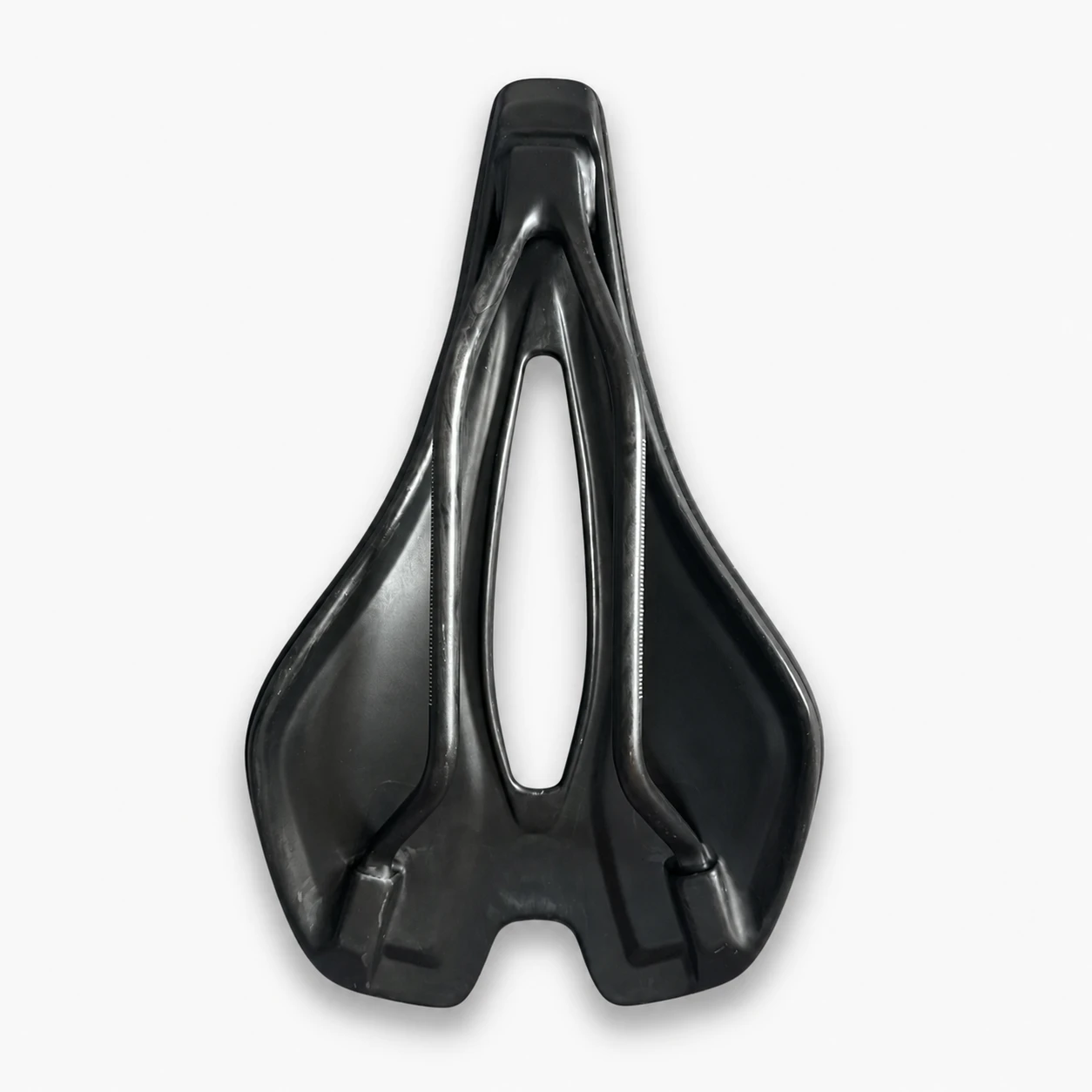
3D Printed Saddle
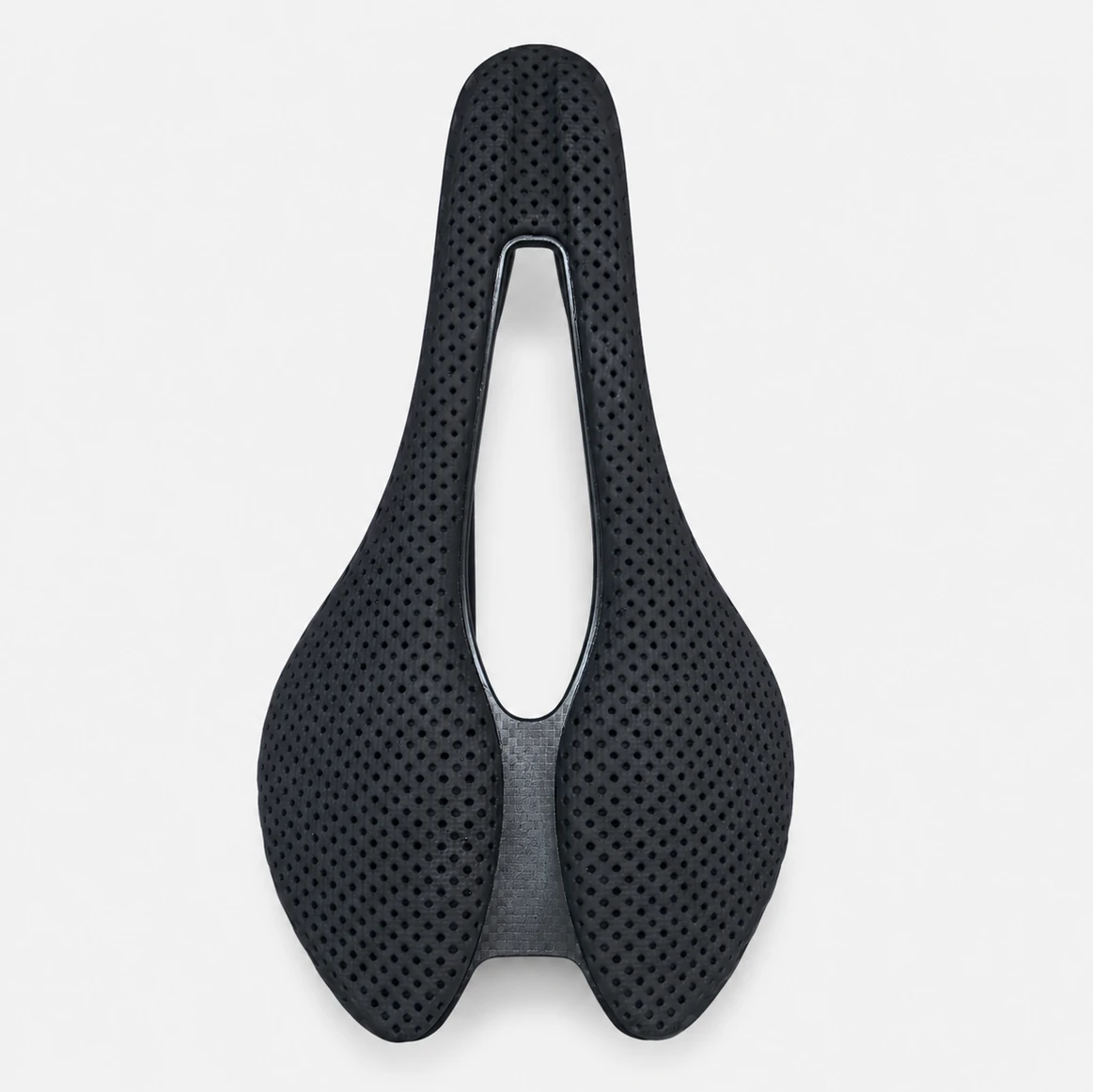
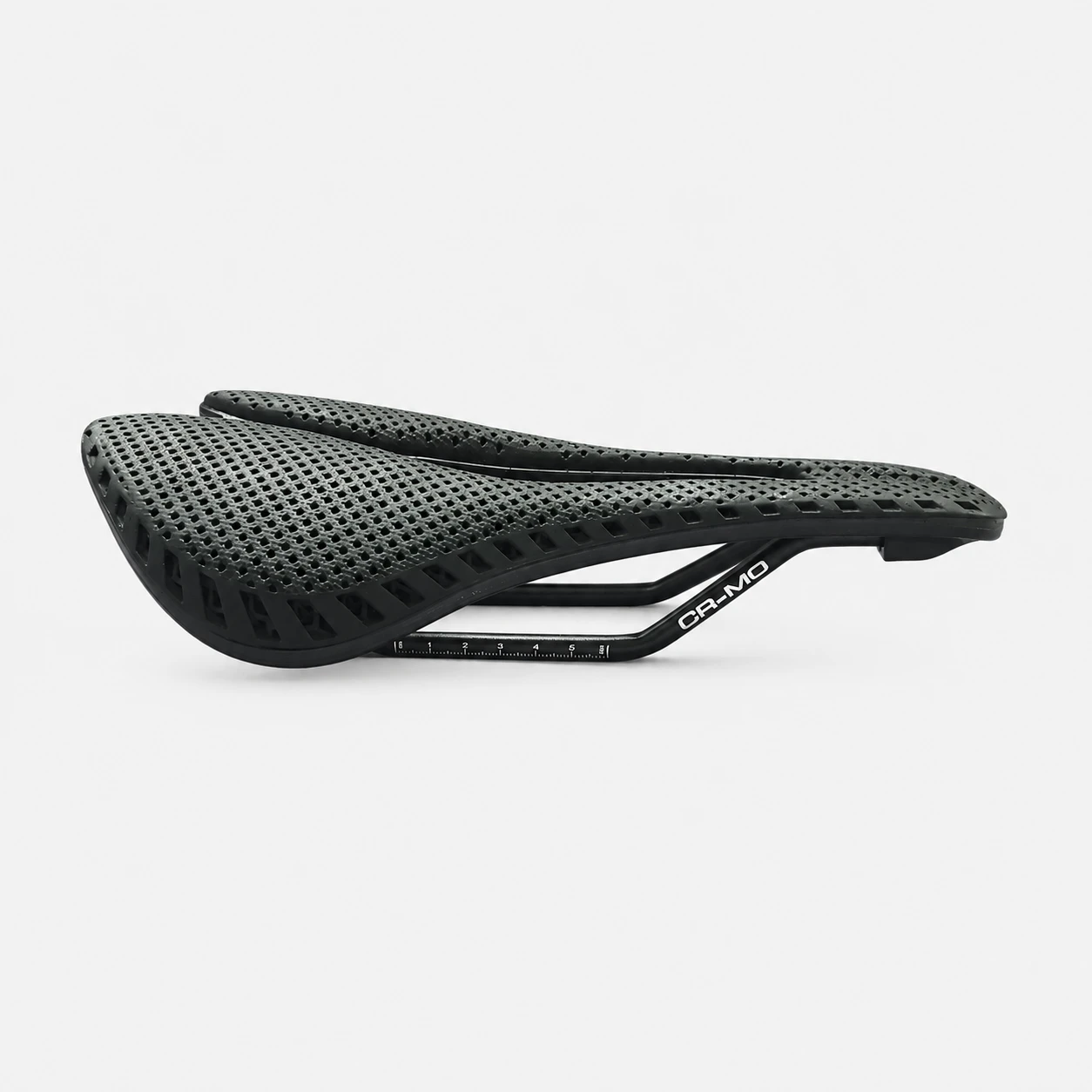
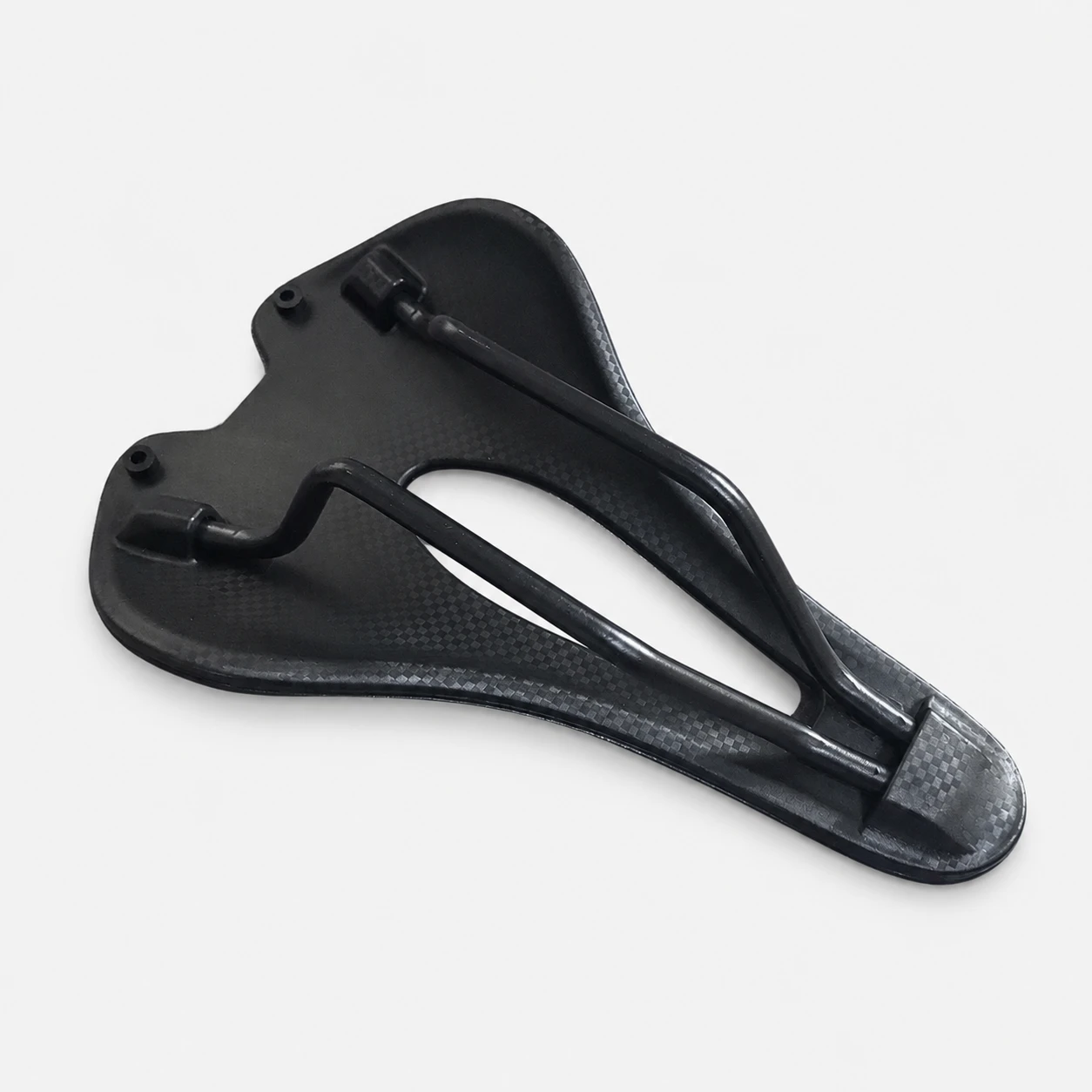
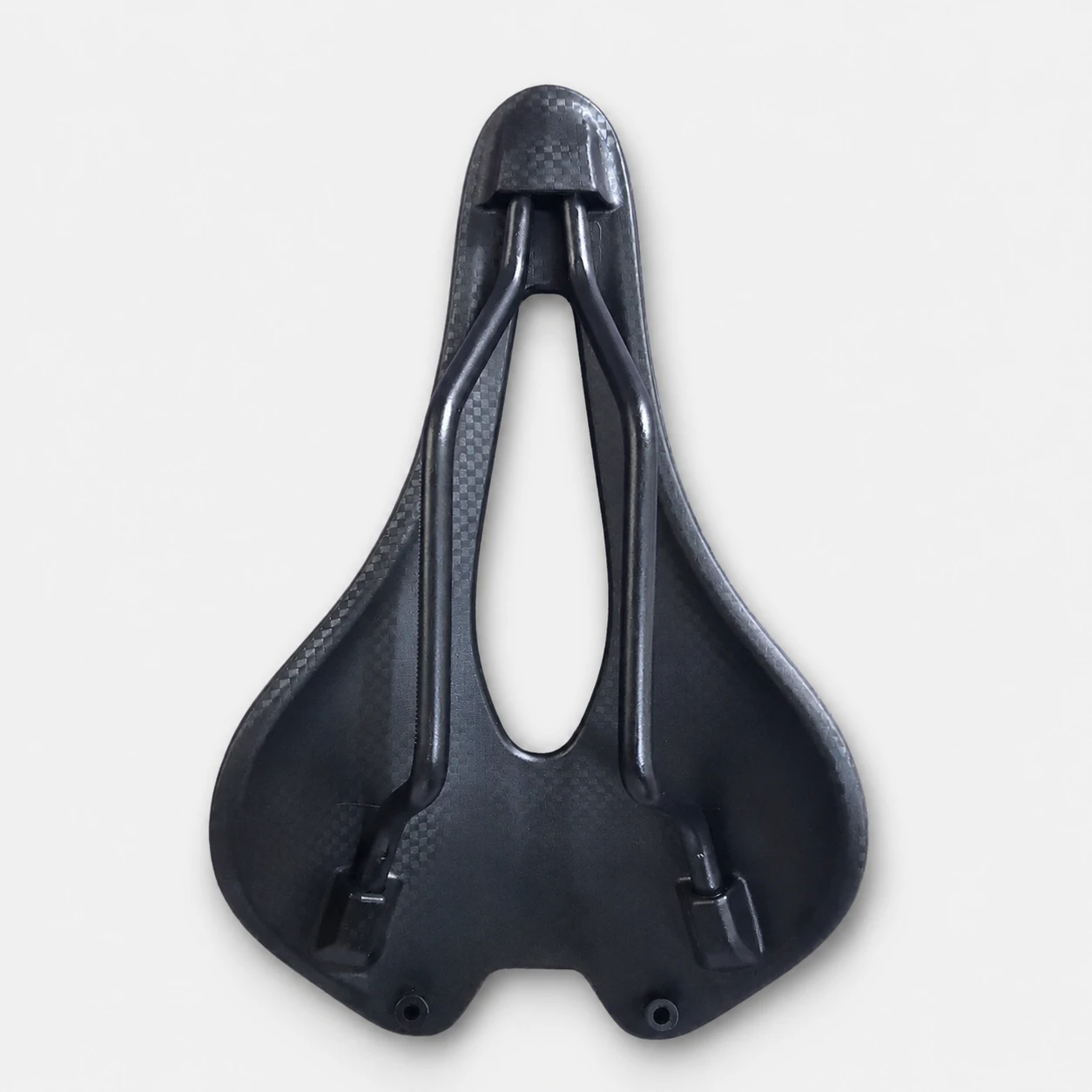
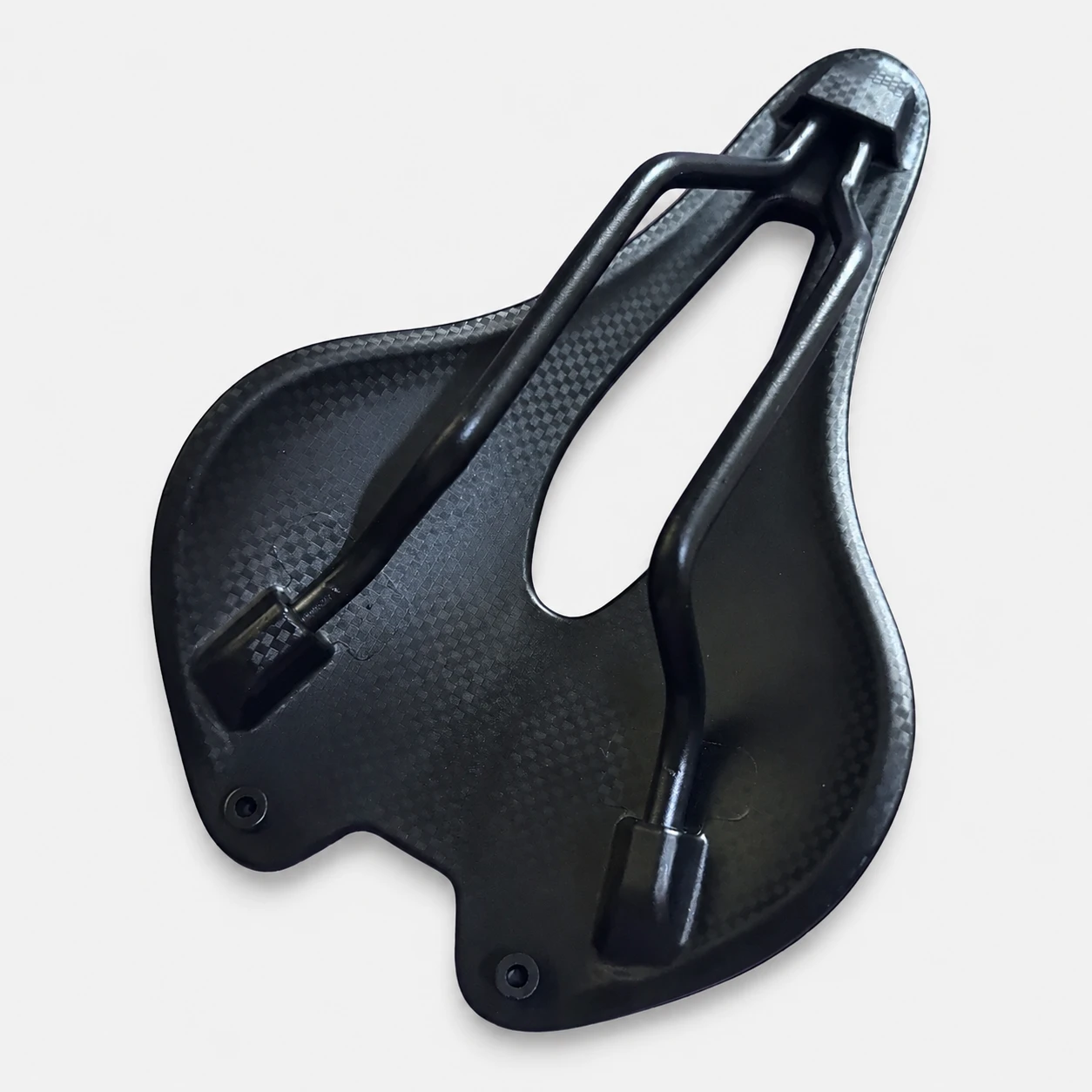
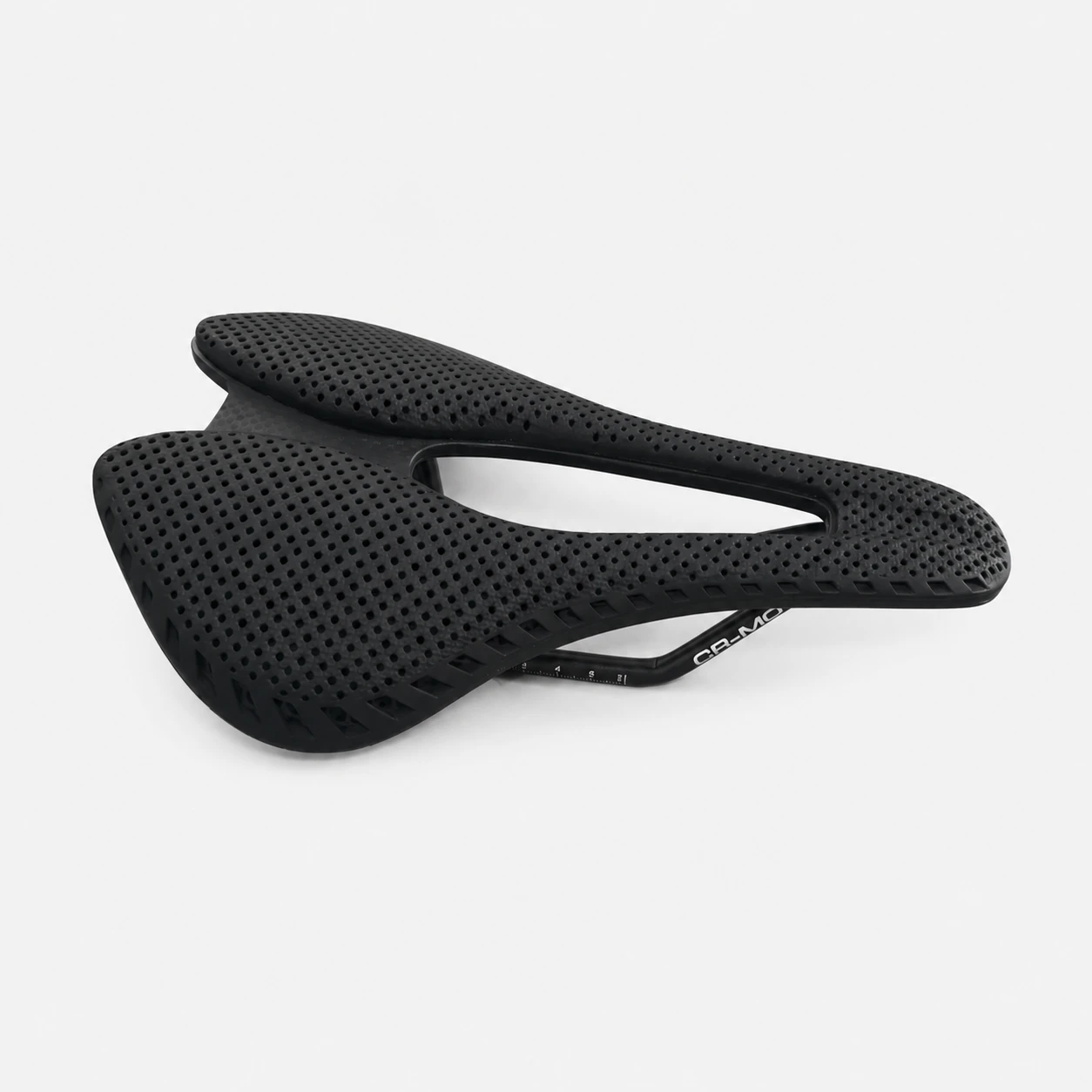
K06
3D Printed Saddle
K08
3D Printed Saddle
WKL-2403
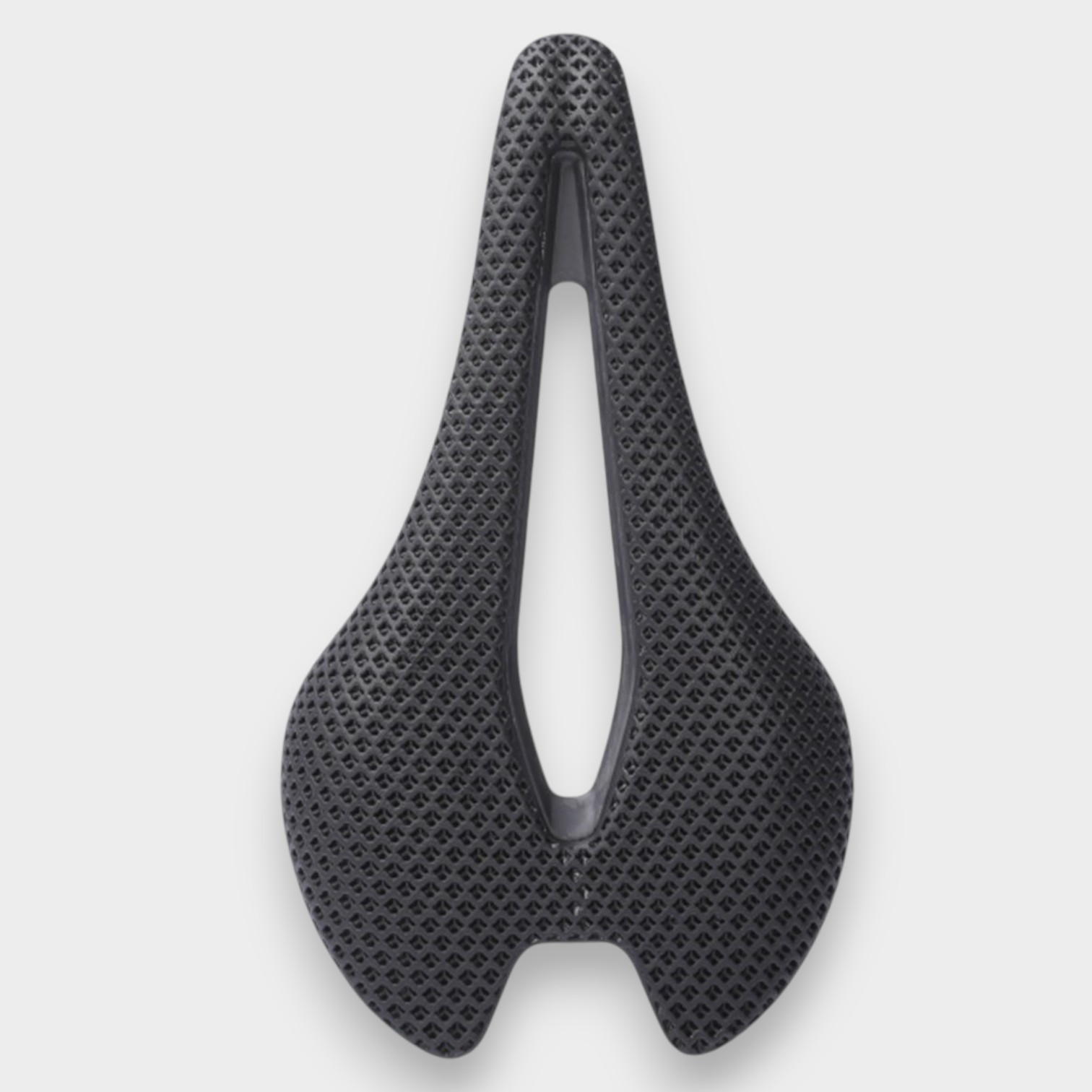
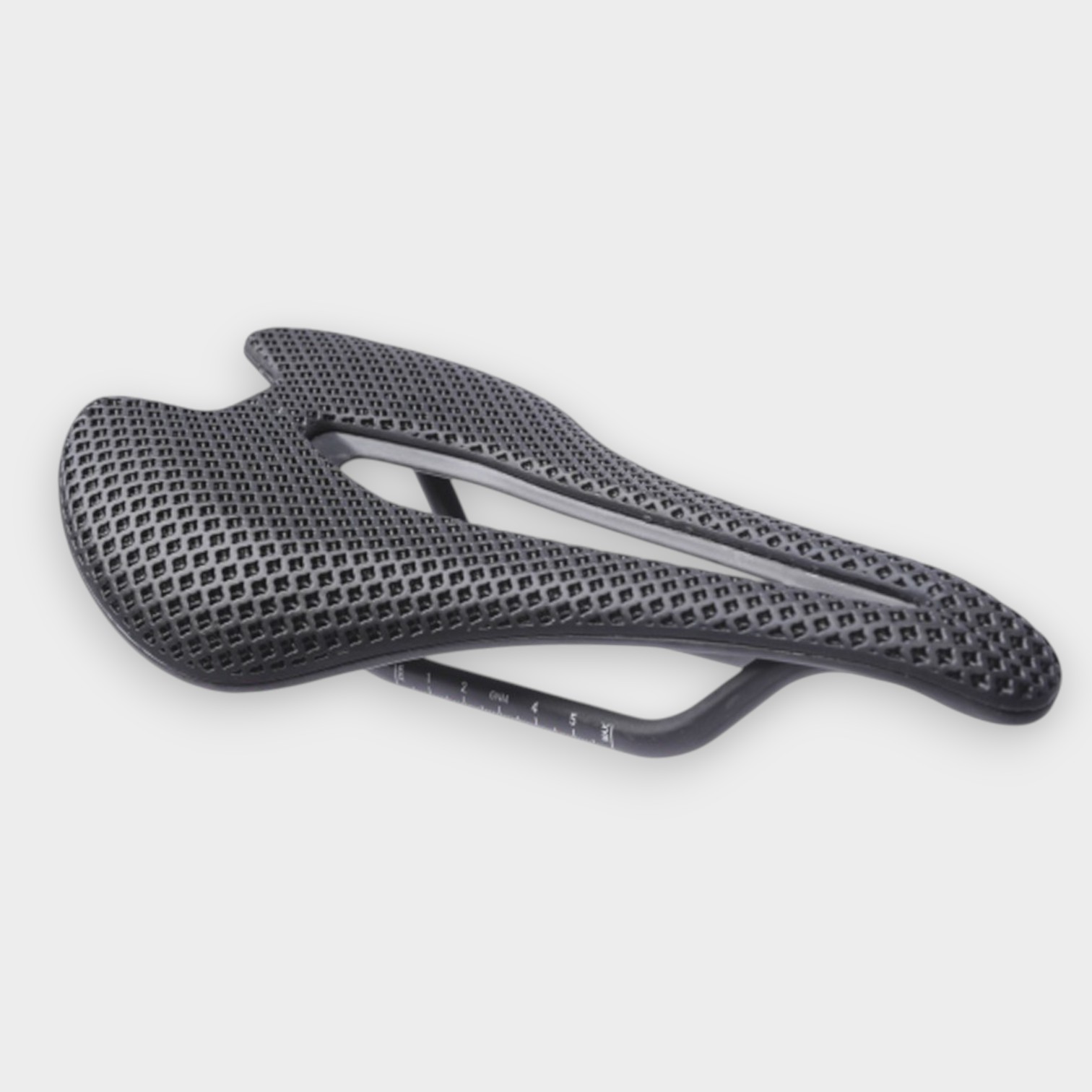
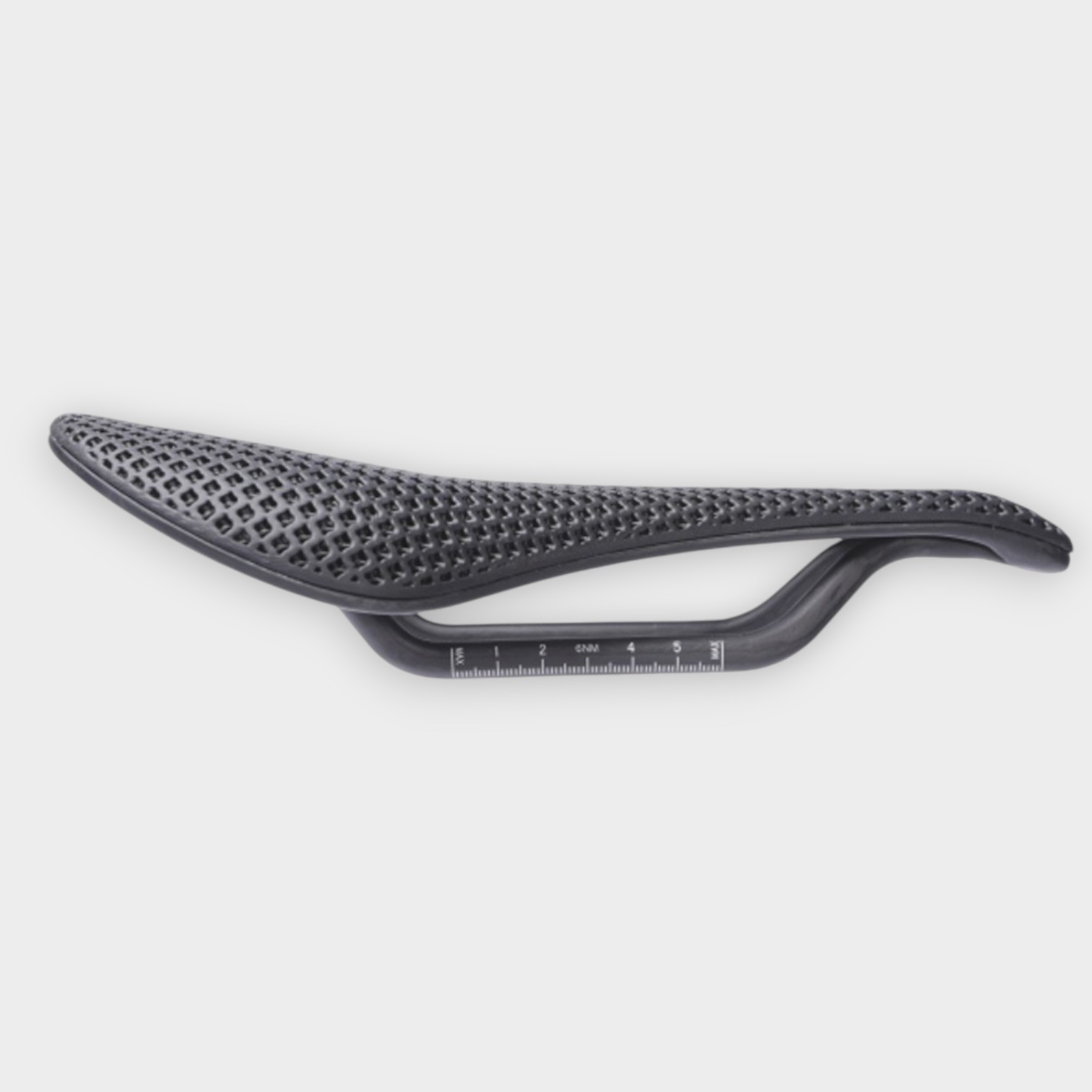
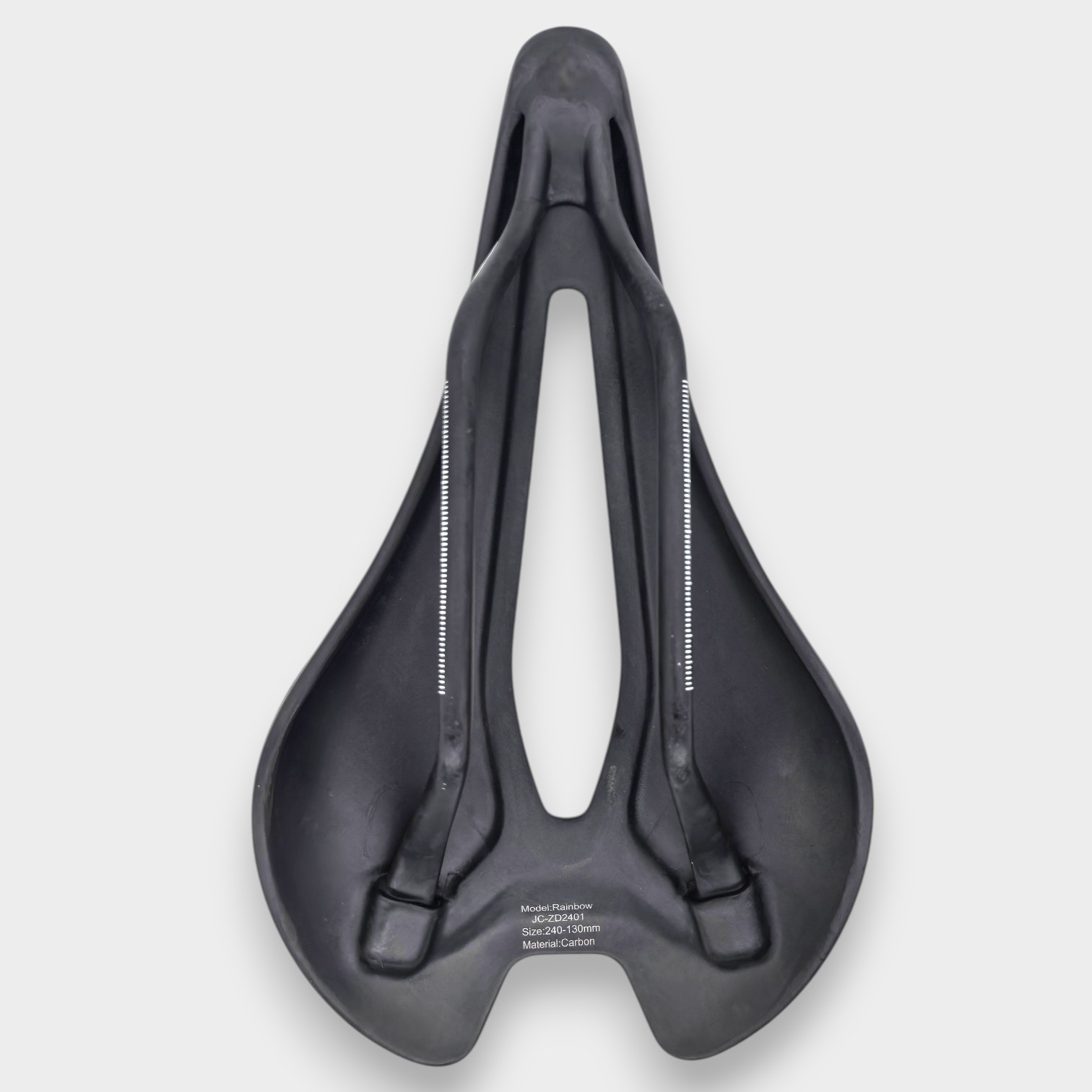
3D Printed Saddle
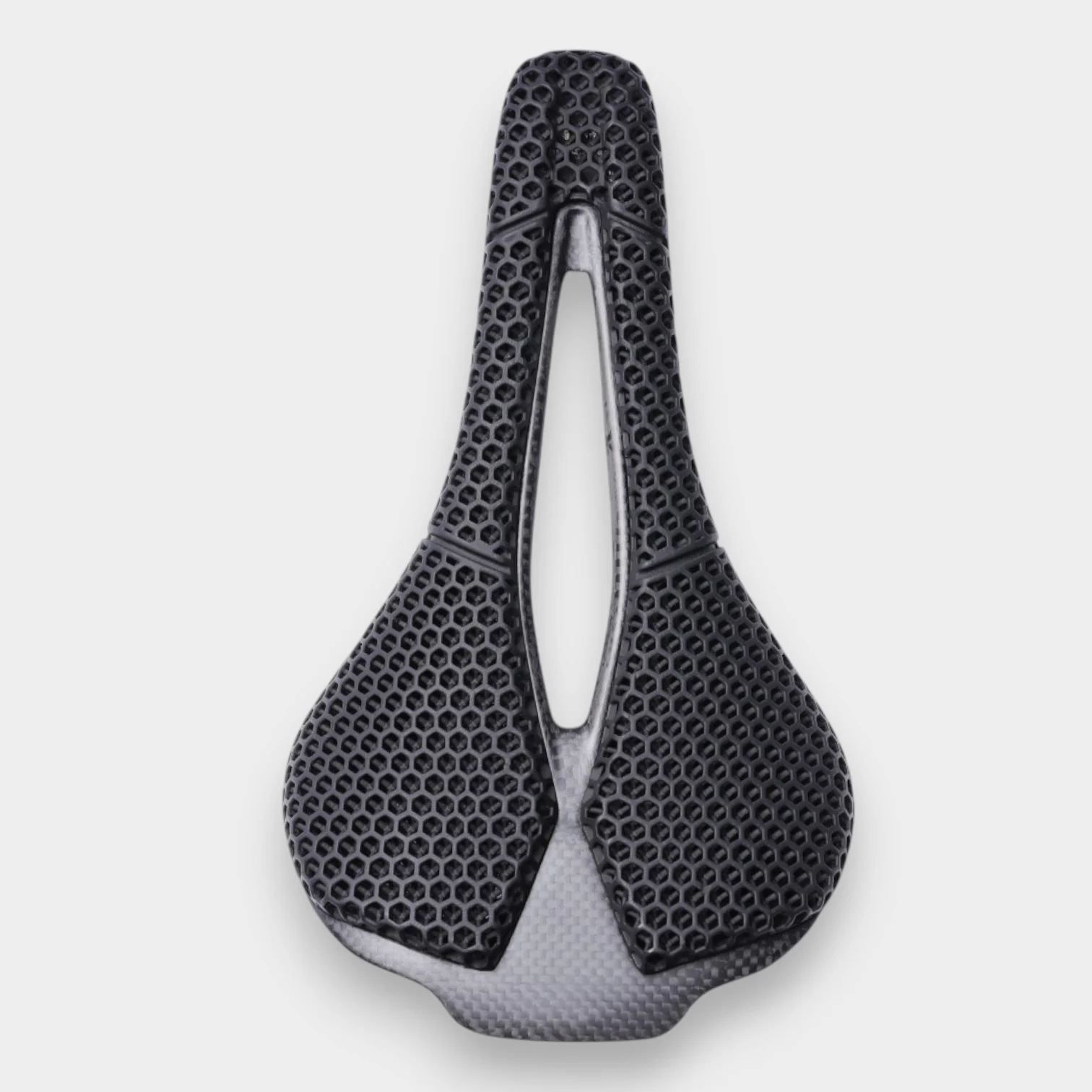
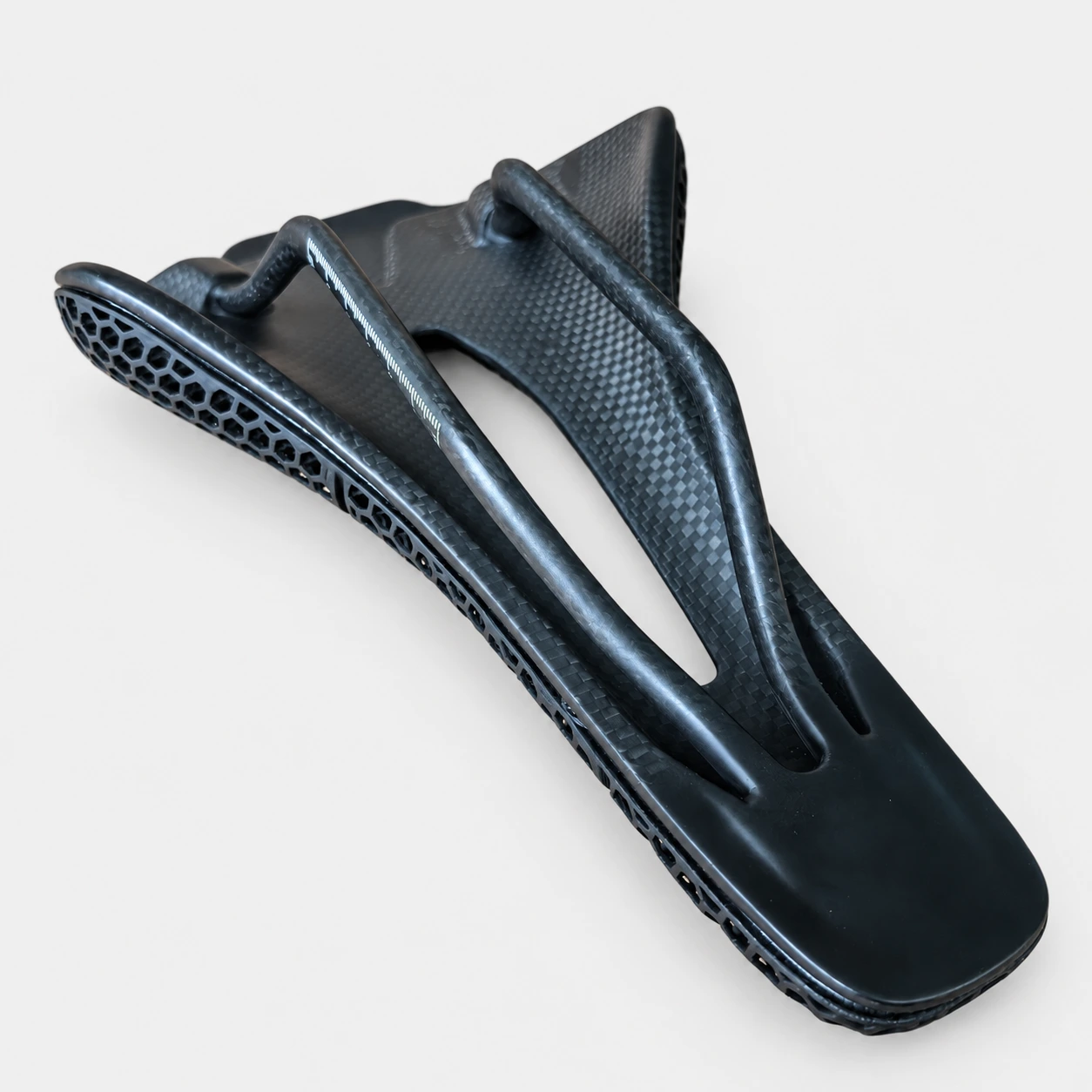
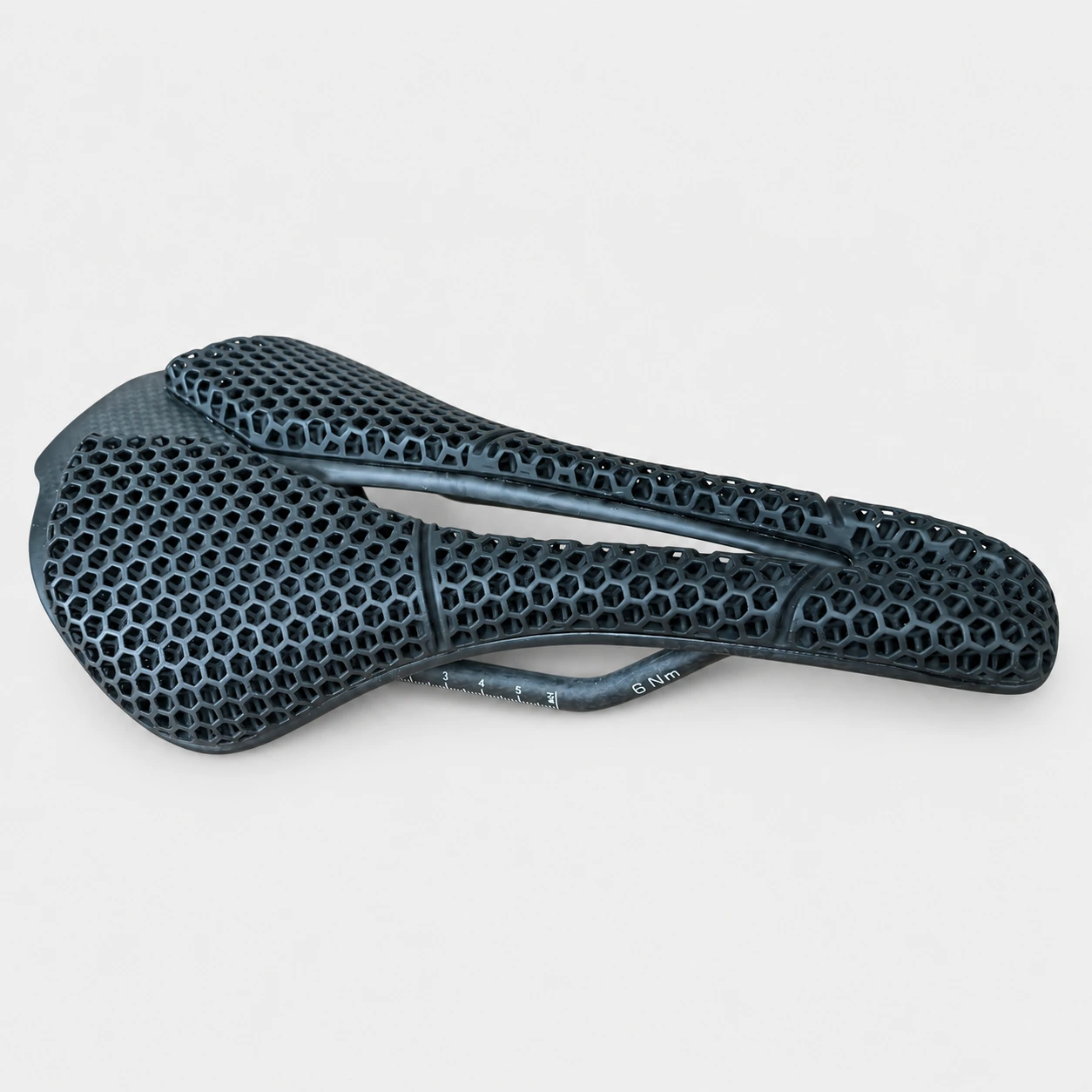
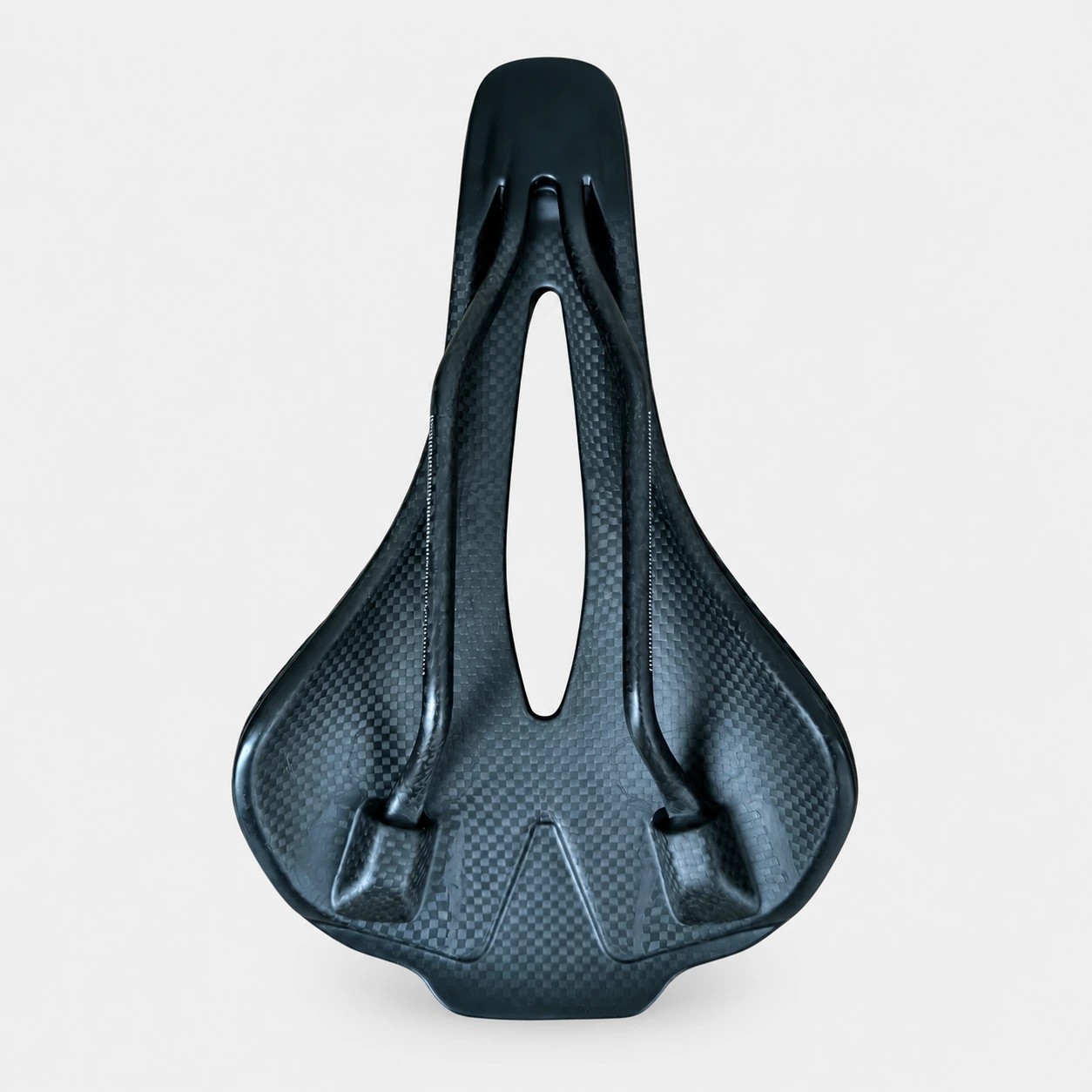
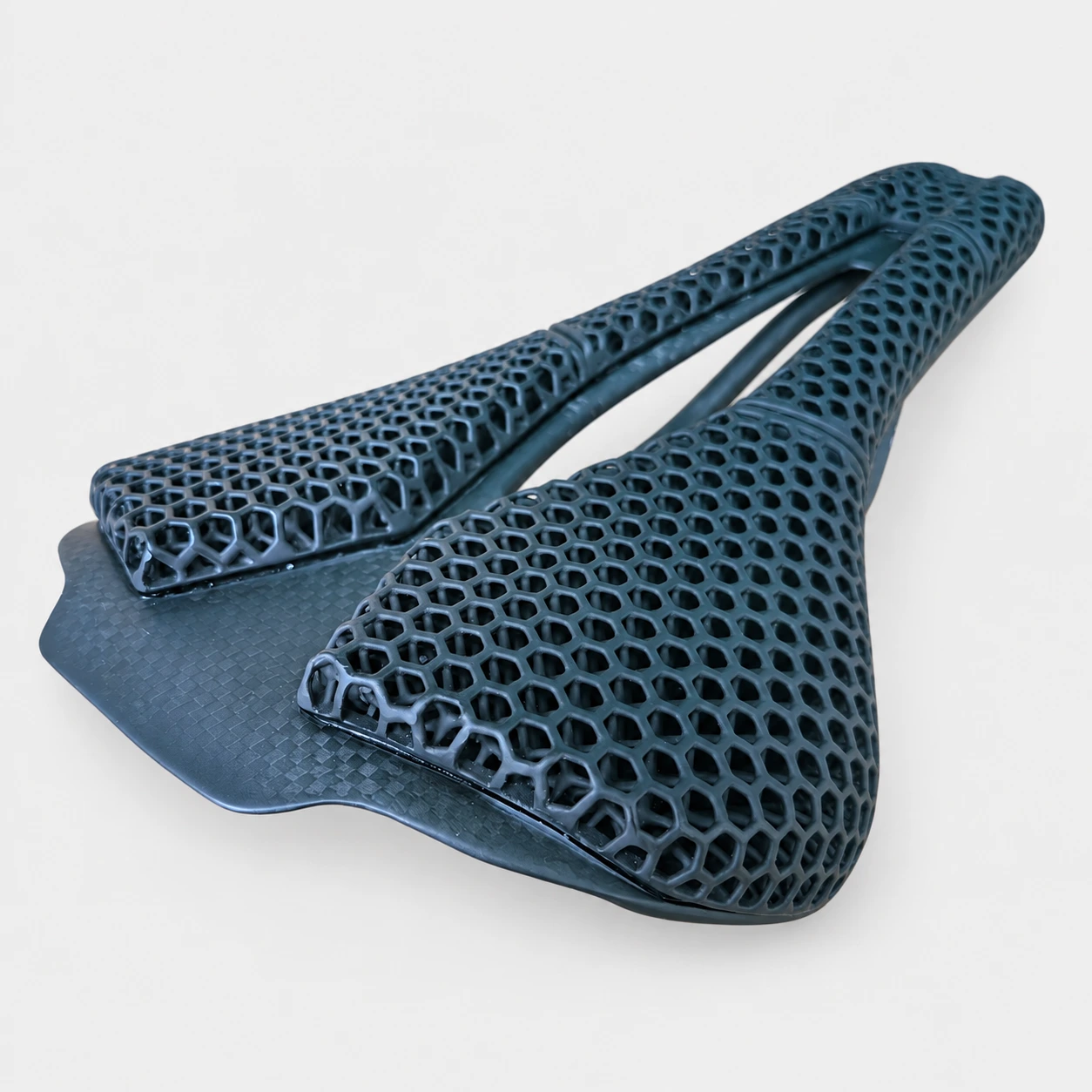
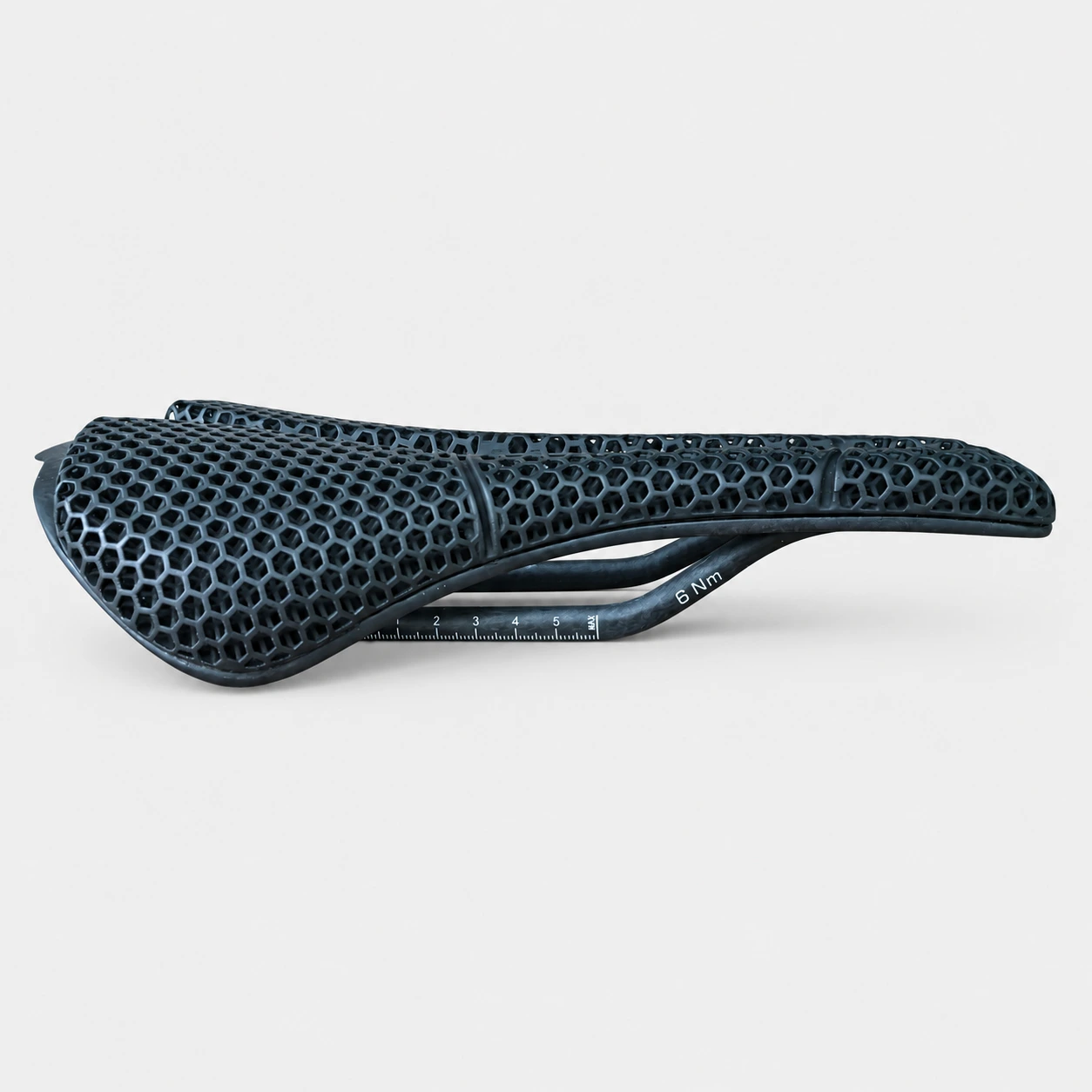
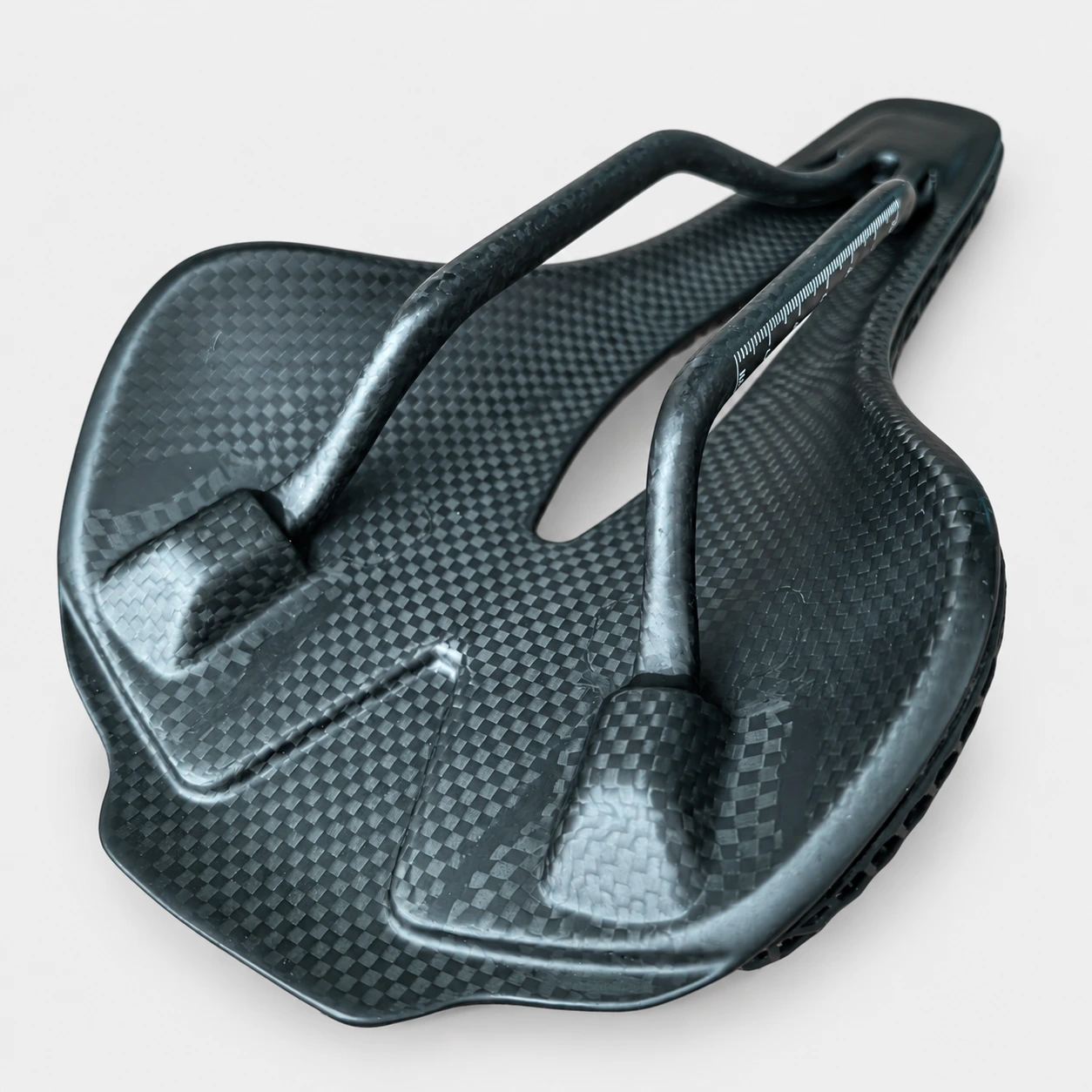
WKL-2401
3D Printed Saddle
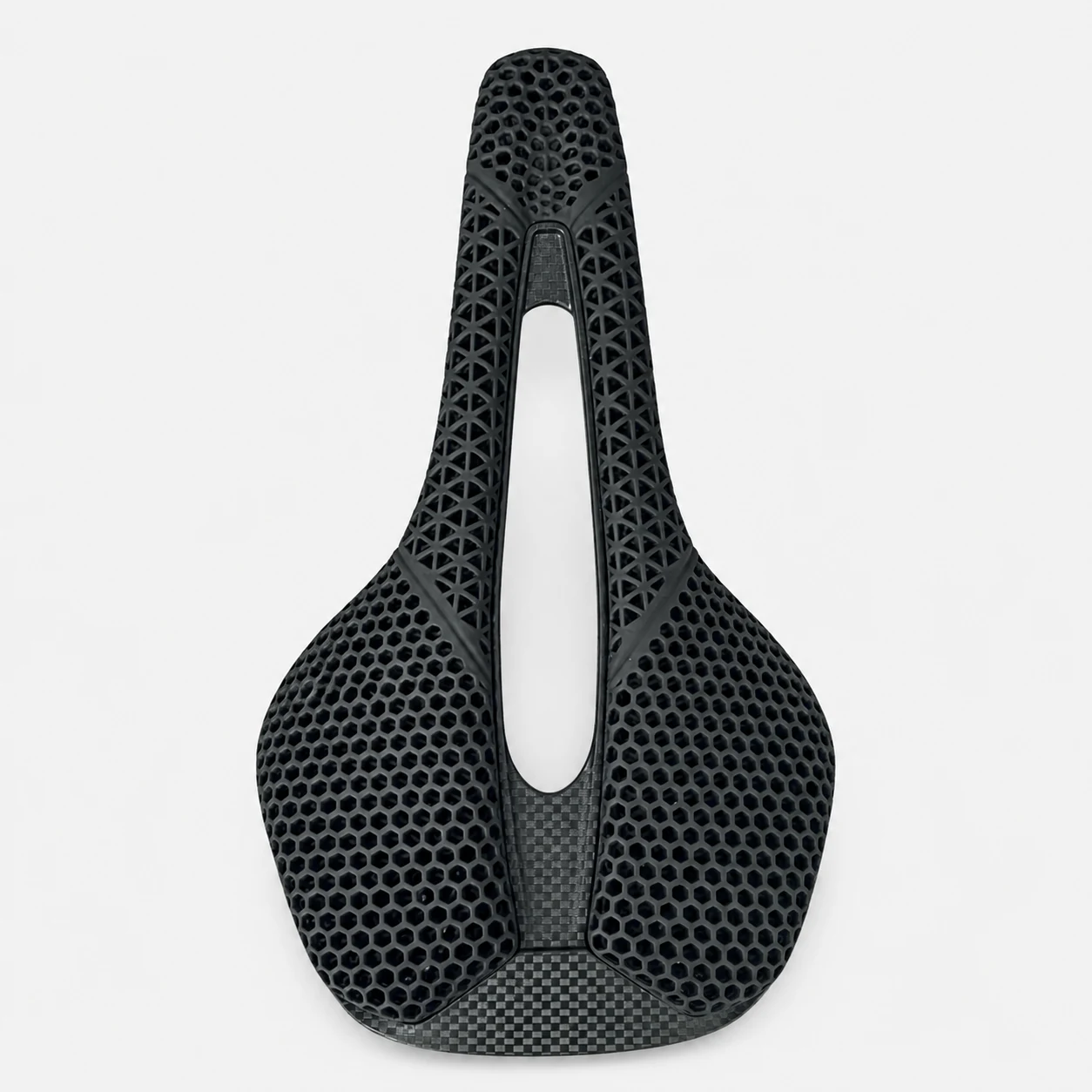
VT-108
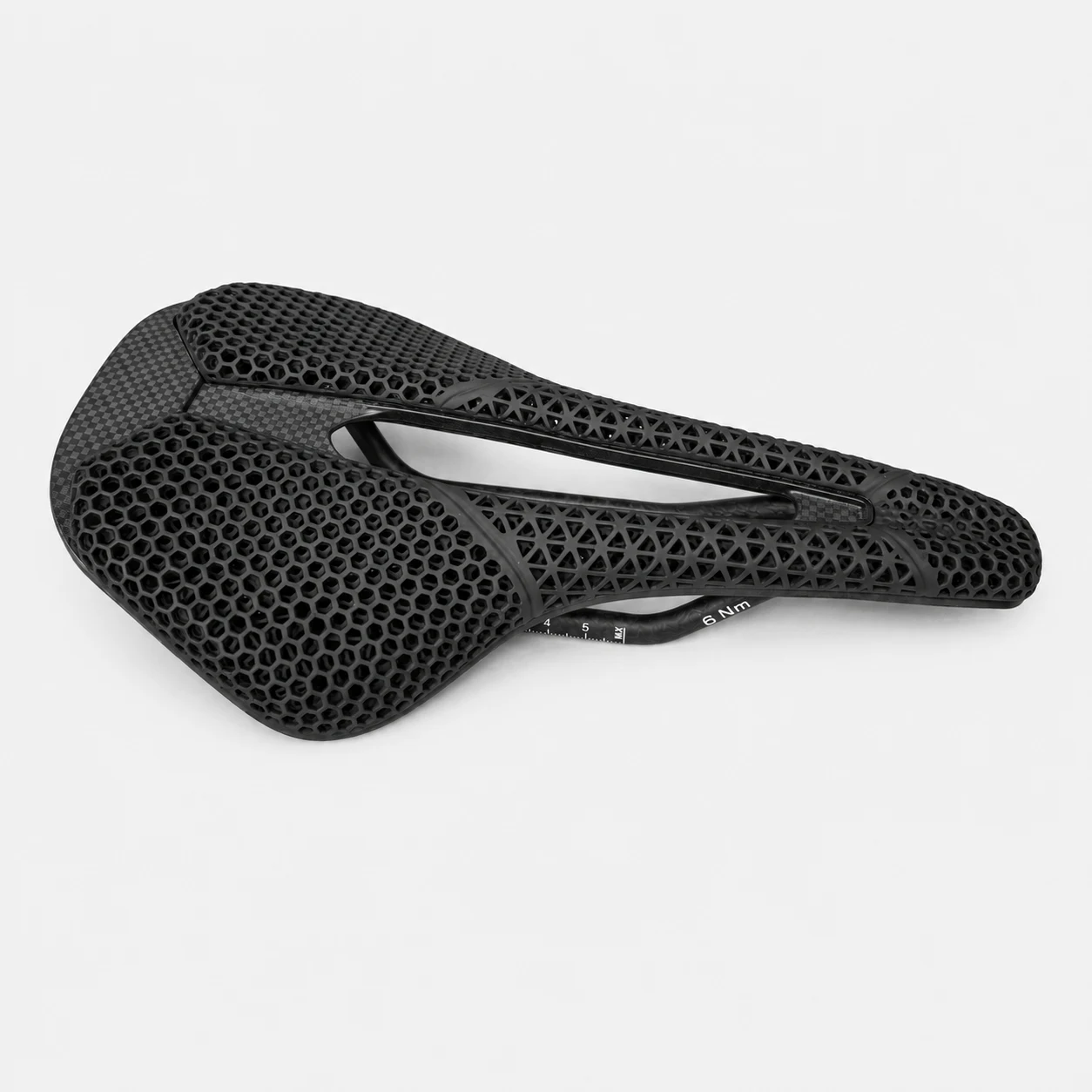
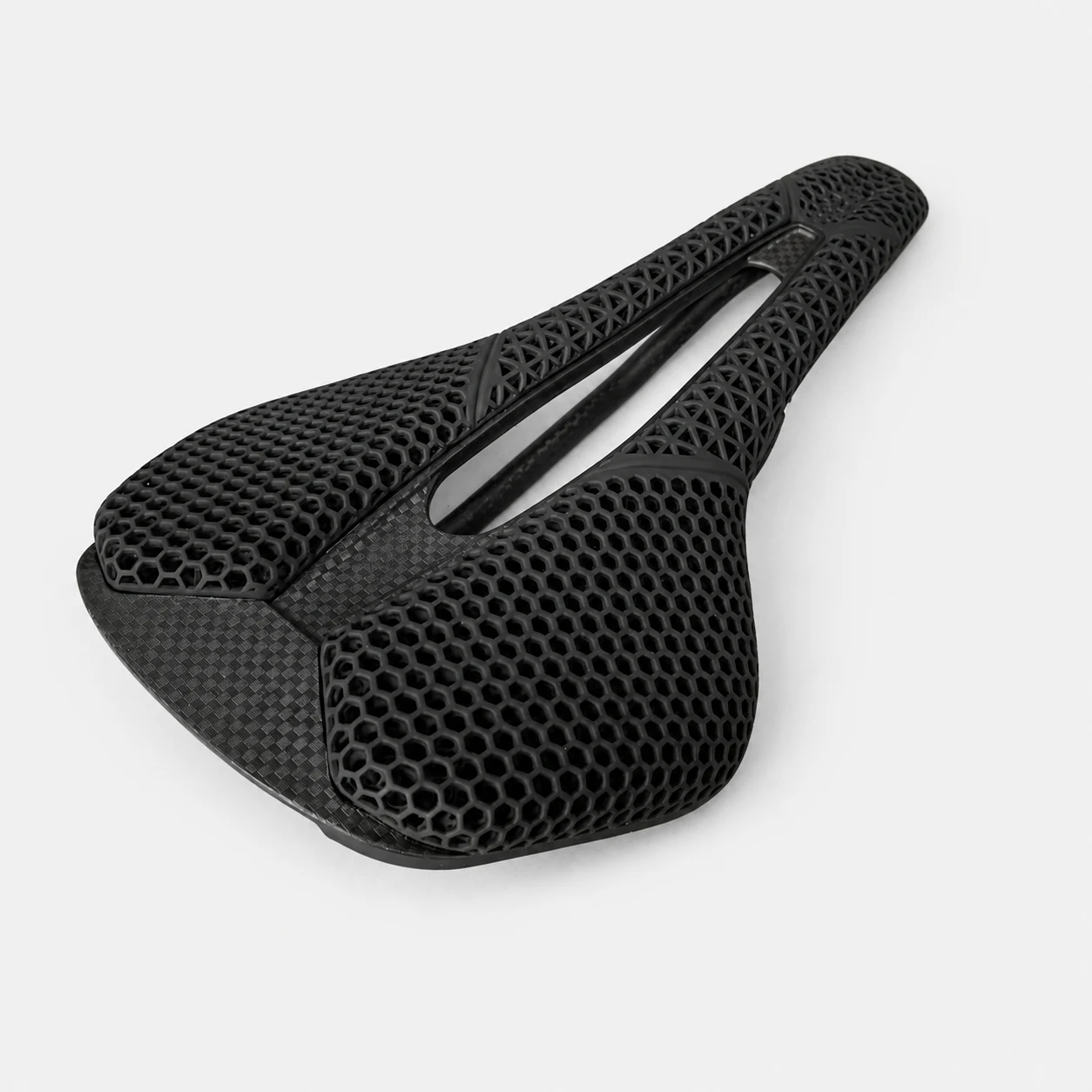
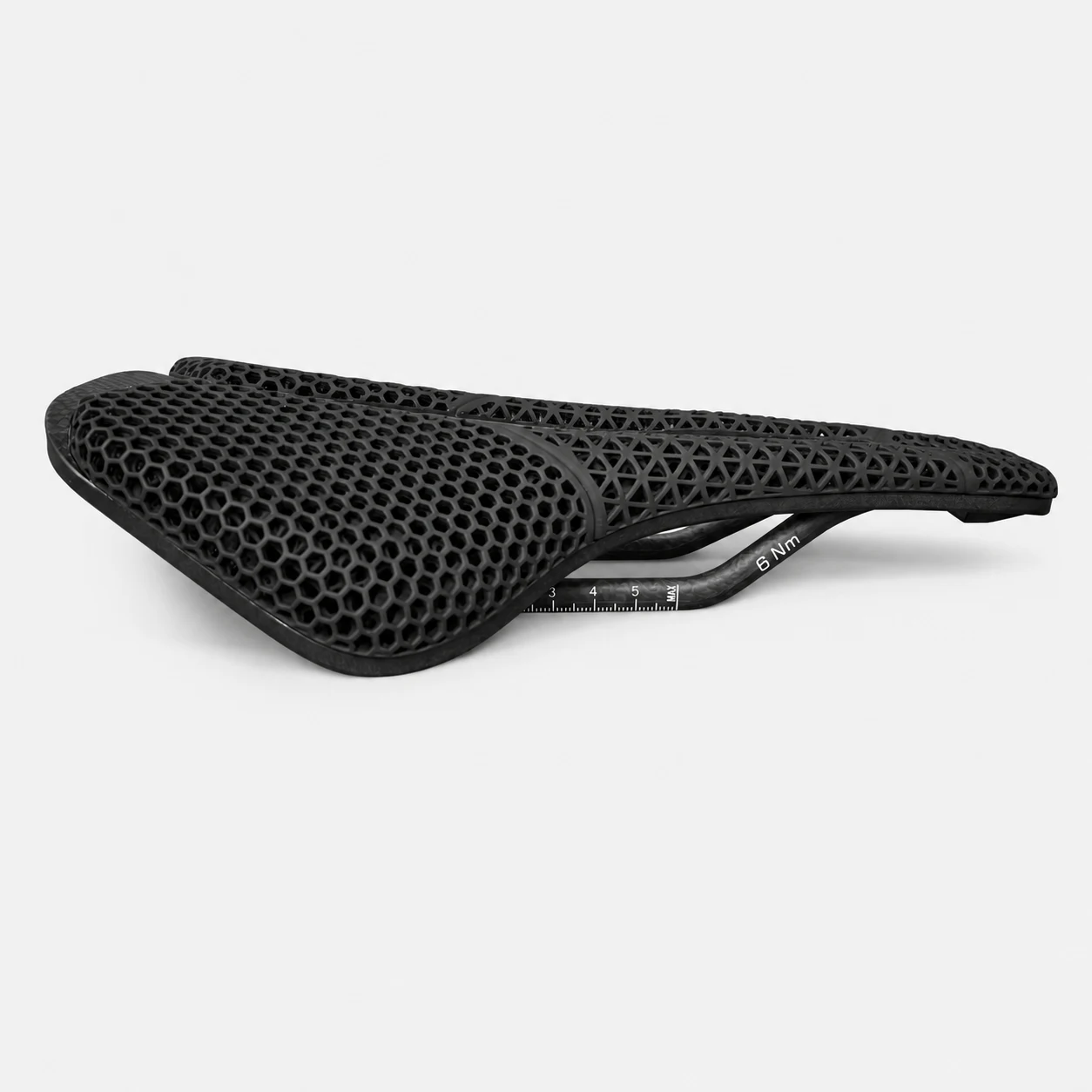
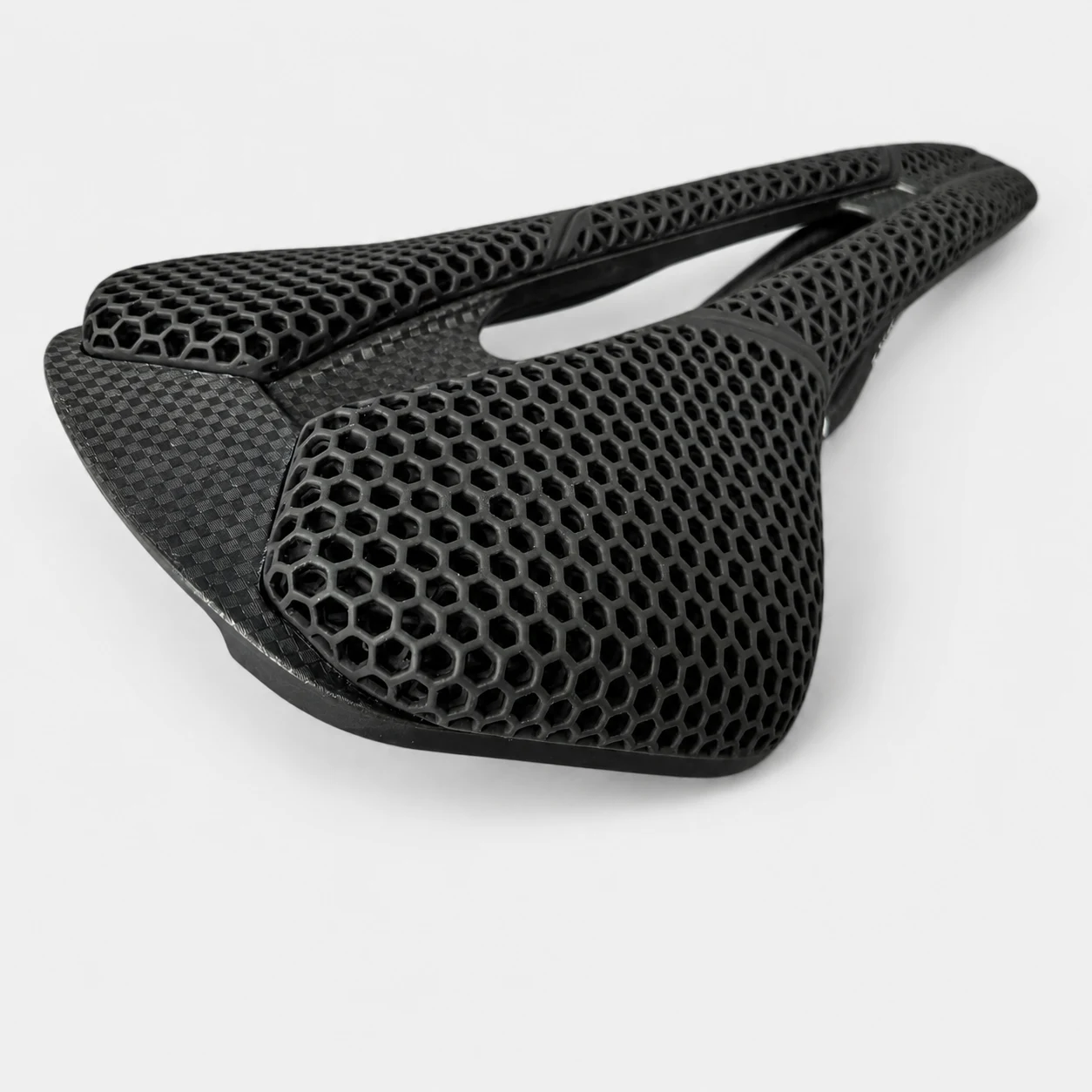
3D Printed Saddle
V-S129
3D Printed Saddle
P15
3D Printed Saddle
V-S128
Key Commercial Models
Featured 3D printed saddles for OEM programs
These platforms cover the most common B2B sourcing requests — flagship lightweight road, all-round road, endurance / gravel, short-nose pressure-relief, value-positioned wide platforms, comfort and e-bike geometries, and competition-tier racing builds. Each links through to the full product page with specifications, OEM options, and inquiry form.
- Road / RaceMost shortlistedWKL-2401 3D Printed Bicycle Saddle
Toray carbon shell, full-carbon rail, 120–124g — flagship lightweight road / race build.
Best for: Road racing, climbing-focused, premium private label flagships.
- Comfort / E-bikeMost shortlistedS27 3D Printed Bicycle Saddle
Wider 268 × 158mm platform with steel rail — stable, value-positioned 3D printed model.
Best for: Comfort, urban, e-bike and entry-tier OEM programs.
- Endurance / GravelK03 3D Printed Bicycle Saddle
Long-nose 265 × 143mm carbon shell and rail at 216g — endurance / gravel geometry.
Best for: Endurance road, gravel, and long-distance branded lines.
- Road / RaceK06 3D Printed Bicycle Saddle
253 × 143mm carbon-base 3D printed saddle at 205g — balanced all-round road build.
Best for: All-round road, multi-SKU brand line cornerstone.
- Value-positionedK08 3D Printed Bicycle Saddle
245 × 145mm nylon-fiber base with chromoly rail — versatile mid-tier 3D printed platform.
Best for: Brand-tier road / gravel programs needing a flexible base SKU.
- Road / Race619 3D Printed Bicycle Saddle
250 × 143mm full-carbon 3D printed saddle at 174g — modern racing geometry.
Best for: Competitive road and performance-tier private label SKUs.
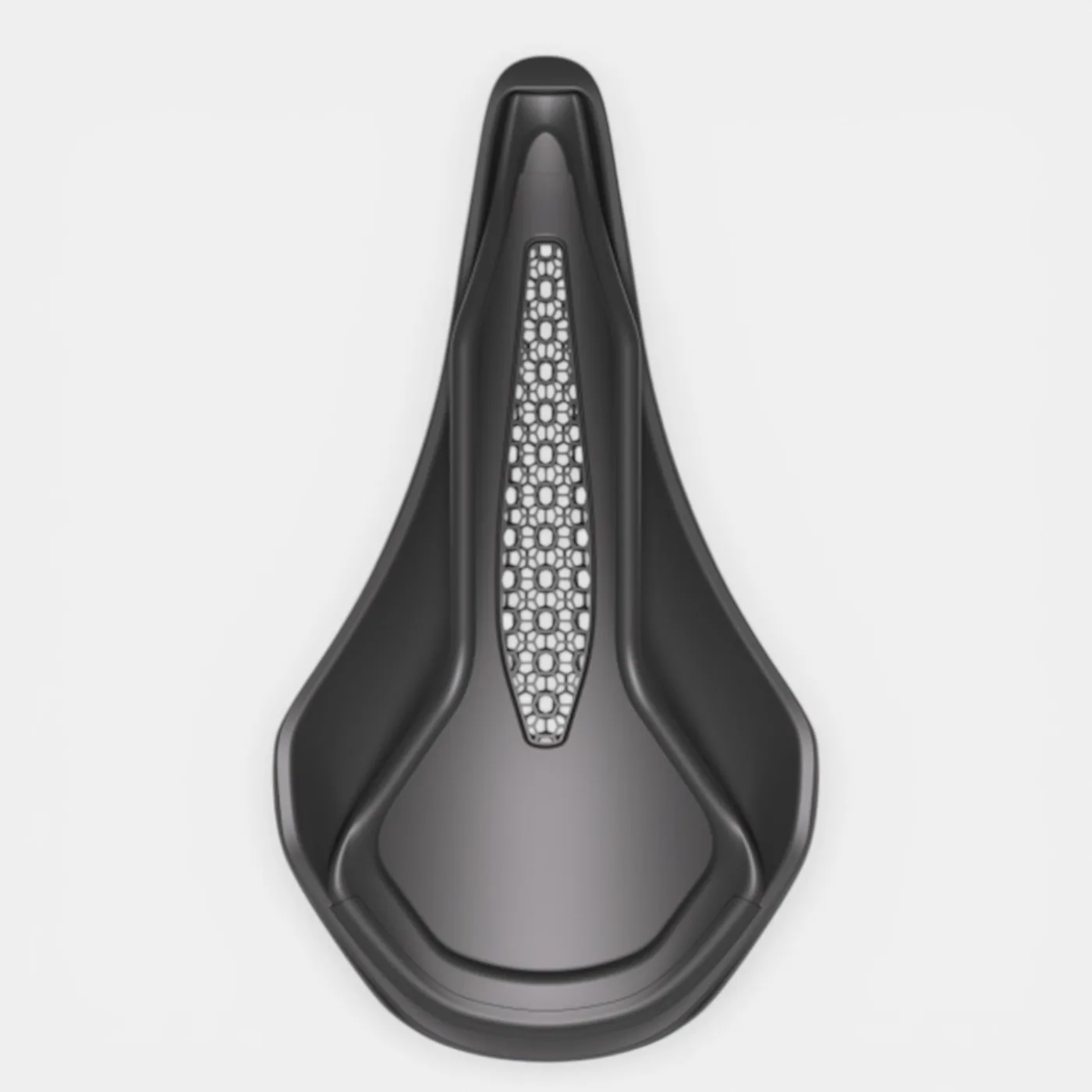
- Road / RaceK40 3D Printed Bicycle Saddle
Short-nose road platform with carbon base and rail — pressure-relief geometry tuned for modern fit.
Best for: Short-nose road / TT programs and aero-positioned product lines.
- Endurance / GravelK69 3D Printed Bicycle Saddle
Endurance-oriented 3D printed shell with balanced lattice zoning — comfort across longer rides.
Best for: Endurance road, gran fondo, and gravel-leaning brand SKUs.
- Comfort / E-bikeK90 3D Printed Bicycle Saddle
Wide-platform 3D printed saddle for upright and recreational positions — supportive lattice tuning.
Best for: City, trekking, e-bike, and comfort-tier private label programs.
- Road / RaceVT-108 3D Printed Bicycle Saddle
Racing-oriented 3D printed platform with low-profile lattice — performance road and competition build.
Best for: Performance road, race-tier, and lightweight branded line additions.
Model Comparison
Compare commercial models at a glance
Buyers should compare models by rider segment, geometry, material, channel role, and product positioning — not appearance alone. Use this shortlist table to narrow candidates before requesting samples; specifications shown match our current verified data and may evolve as platforms are updated.
| Model | Best For | Size | Weight | Base | Rail | Commercial Role |
|---|---|---|---|---|---|---|
| WKL-2401 | Road racing, climbing, flagship | 240 × 130mm / 240 × 140mm | 120g / 124g ±10g | Carbon (Toray) | Carbon | Flagship lightweight race build |
| K06 | All-round road | 253 × 143mm | 205g ±10g | Carbon | Carbon | Multi-SKU road line cornerstone |
| K03 | Endurance, gravel | 265 × 143mm | 216g ±10g | Carbon | Carbon | Long-nose endurance / gravel build |
| K40 | Short-nose road, TT, aero | 263 × 118mm | 170g ±10g | Carbon | Carbon | Short-nose pressure-relief platform |
| K69 | Endurance, gran fondo | 245 × 155mm | 230g ±10g | Carbon | Carbon | Wider endurance comfort platform |
| K90 | City, trekking, e-bike | 245 × 143mm | 160g ±10g | Carbon | Carbon | Comfort and e-bike private label |
| S27 | Comfort, urban, e-bike, entry-tier | 268 × 158mm | 330g ±10g | Nylon Fiber | Steel | Value-positioned wide platform |
Not sure which models fit your product line?
Share your target rider, market, price positioning, and expected quantity. SPROKETO can help shortlist suitable saddle platforms for sample evaluation.
Technology
Why 3D Printed
Lattice Cushioning
Engineered 3D-printed lattice structures replace traditional foam for tunable comfort zones.
Ultra-Lightweight
3D-printed saddle structures can support lightweight product development while allowing cushioning and support characteristics to be tuned by platform.
Customizable Density
Zone-specific firmness mapping — tailored to rider anatomy and discipline requirements.
OEM-Ready
Full customization from shell shape to lattice pattern, integrated into your product line.
Applications
Use Cases
OEM Program
OEM and Private-Label Support
Almost all 3D printed models are available for OEM and private-label discussion. Typical project scope covers:
- Model shortlisting
- Base and rail selection
- Color and finish discussion
- Logo application
- Packaging requirements
- Sample evaluation
- Production preparation
Learn more about OEM Development, OEM / ODM Development, or our Private Label program.
Actual requirements may vary by model, branding, packaging, order quantity, and production schedule. Buyers should confirm current terms before approving a project. See our planning guide on MOQ, sampling, and lead time.
Quality Control
How we approach sample-to-bulk consistency
Once a sample is approved, our goal is to keep production aligned with that reference. Common buyer-focused checks during a 3D printed saddle project include:
- Approved sample as a production reference
- Lattice and surface-finish checks
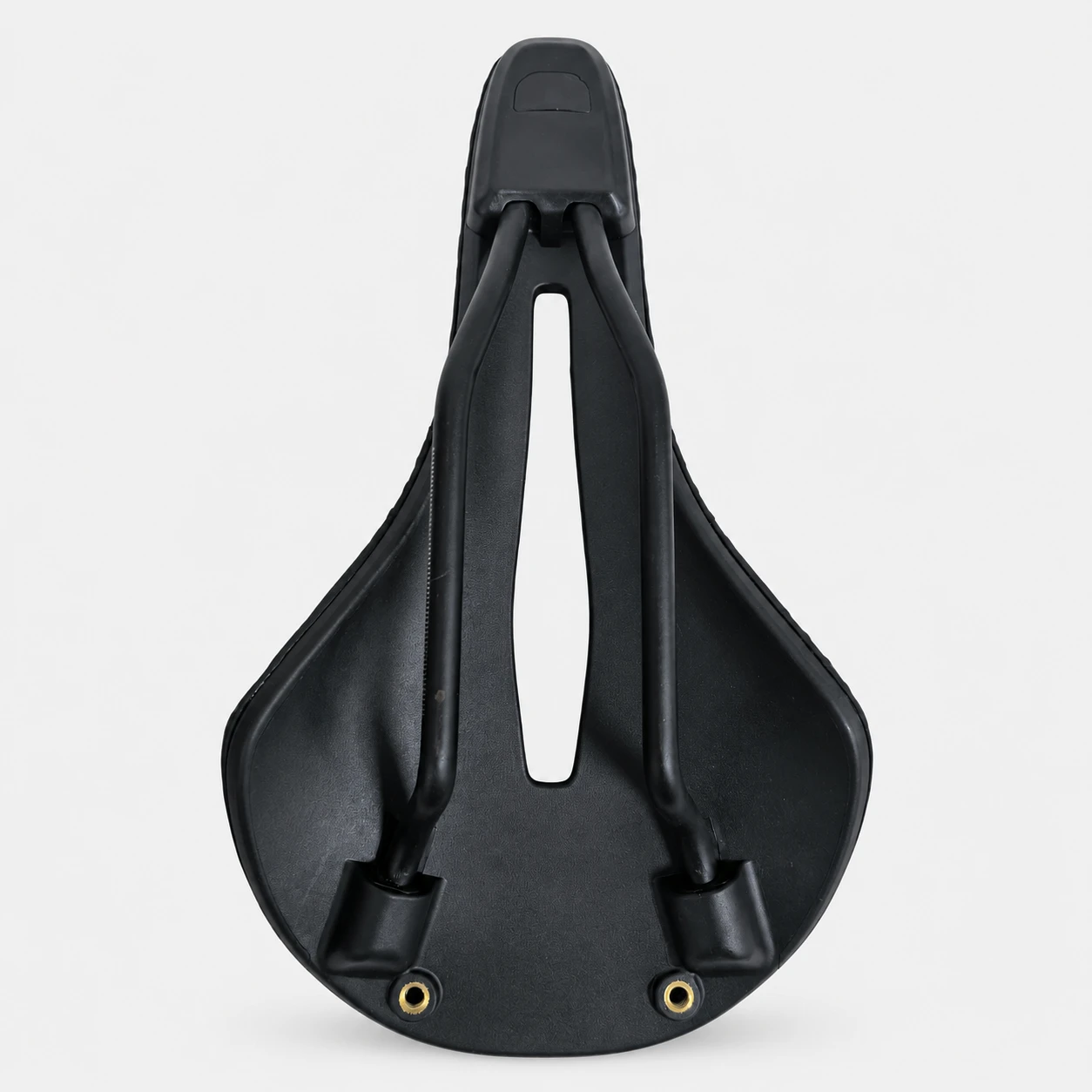
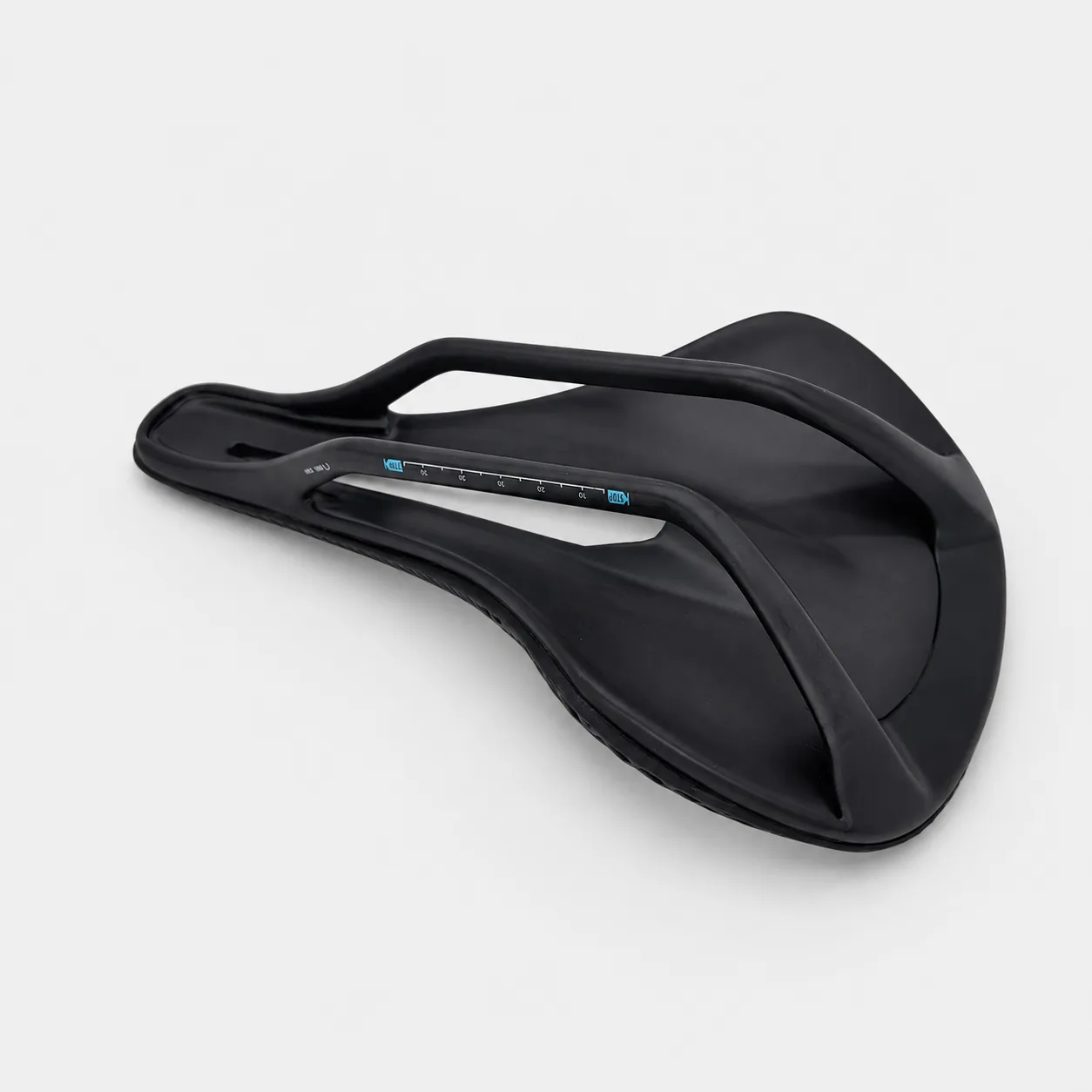
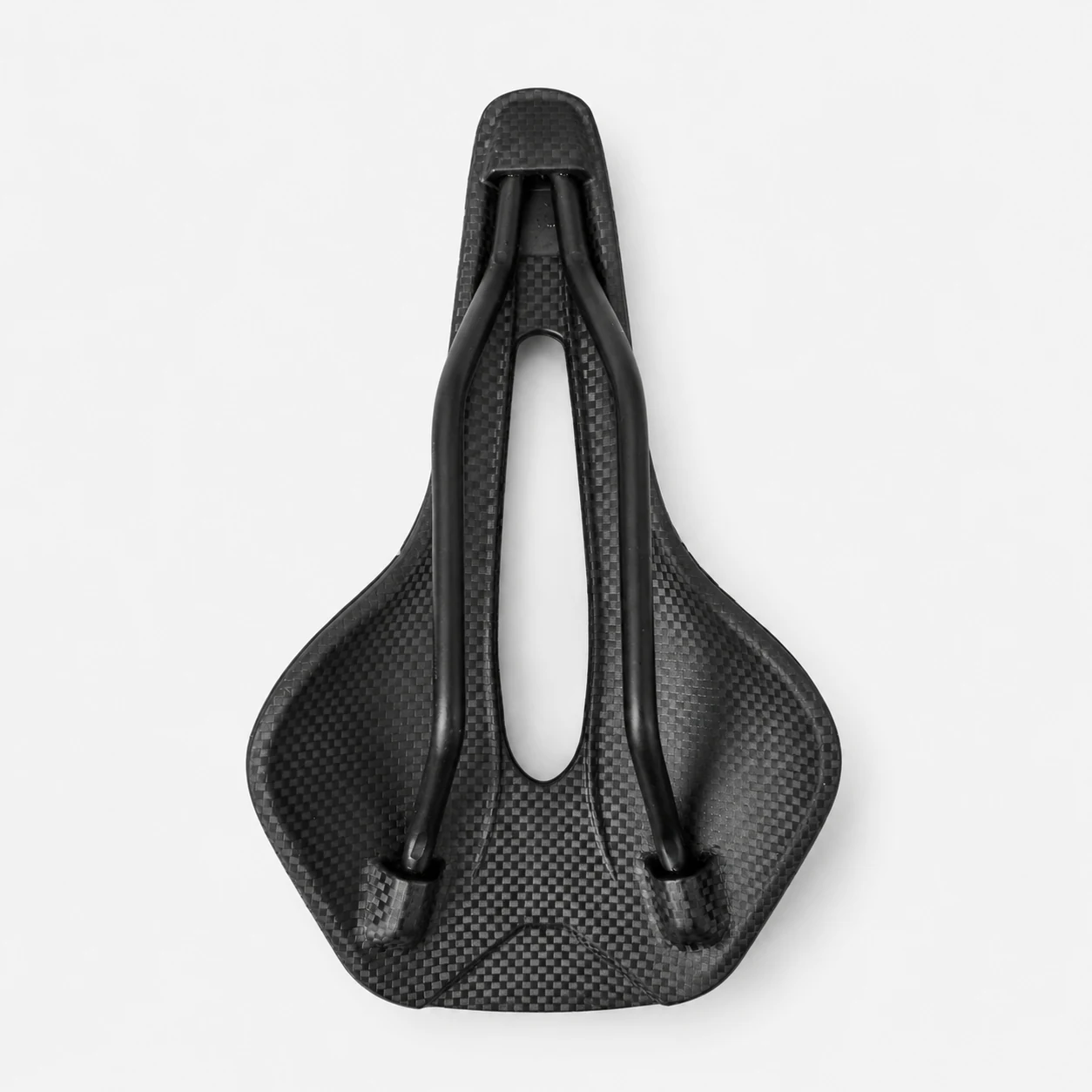
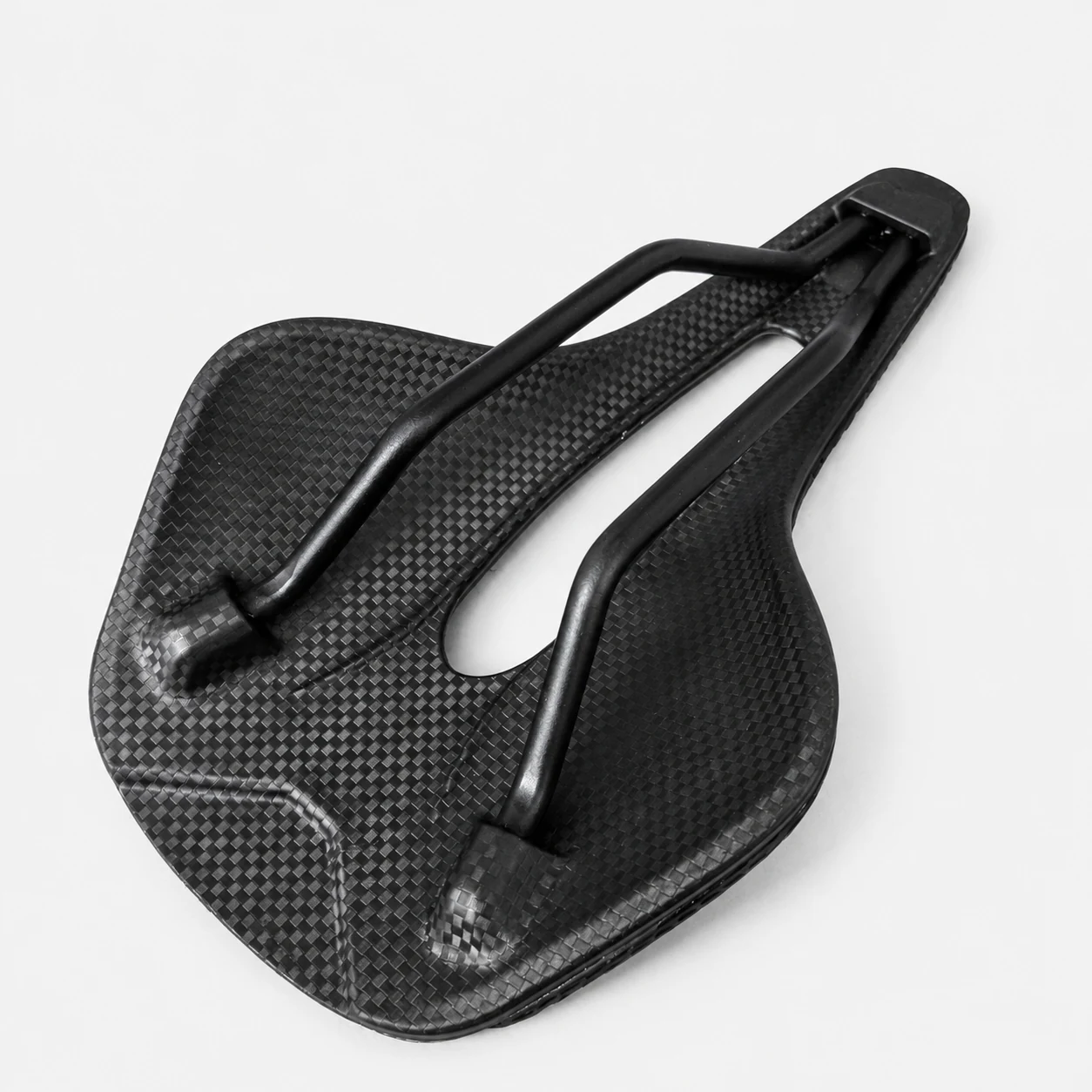
- Rail alignment and underside inspection
- Size and weight-range verification
- Branding and packaging confirmation
- Pre-shipment review where applicable
Read more about our Quality Control process, or review our Sample Evaluation Guide for buyer-side checks before bulk approval.
Before production, buyers should confirm which sample details will become the reference standard and what tolerances may apply to the selected model.
Sourcing Guide
How to choose a 3D printed saddle for your line
A short framework for OEM buyers and product managers evaluating which 3D printed saddle platform fits their brand. Use it as a checklist when shortlisting models from this page.
Step 1
Start from your target rider and discipline
Road racing and climbing programs prioritise weight (sub-180g, full-carbon rail), while endurance, gravel, and e-bike lines benefit from wider shells, longer noses, and more compliant lattice zones.
Step 2
Match the shell and rail to your price point
Carbon shell with carbon rail anchors flagship pricing. Nylon-fiber base with carbon or chromoly rail keeps a 3D printed model accessible for mid-tier and entry-premium SKUs without losing the lattice story.
Step 3
Plan the lattice zoning around the use case
Lattice density, height, and zone mapping can be tuned per project. Communicate rider position, average ride duration, and pressure-relief priorities so the lattice spec aligns with the way your customers actually ride.
Step 4
Decide between stock platform and full custom shell
Existing platforms (e.g. WKL-2401, K06, K03, S27) shorten lead time and reduce tooling. A fully custom shell allows unique geometry and a defensible product story, with a longer sampling cycle and dedicated tooling investment.
Buyer FAQ
Common questions about 3D printed saddle sourcing
What is the minimum order quantity for 3D printed bicycle saddles?
MOQ for SPROKETO 3D printed saddles is 100 pcs per model and configuration. Lower volumes can sometimes be discussed for pilot SKUs and sampling rounds — please mention your project context when you reach out.
What is the typical lead time from order to shipment?
Production lead time is approximately 25–45 days depending on order size, lattice configuration, surface treatment, and rail material. Standard sampling typically runs 5–10 days for existing platforms; fully custom shells require additional tooling time.
Can the 3D printed saddles be fully OEM customised?
Yes. Almost all 3D printed models support OEM customisation — shell geometry, lattice density mapping, rail material, surface finish, colourway, and branding (logo, rail laser engraving, packaging). Private label and co-branded programs are both supported.
Are 3D printed saddles durable enough for long-term retail programs?
When the lattice material, base, rail, and bonding process are correctly specified, 3D printed saddles can match the field life of premium conventional saddles. Long-term durability depends mostly on supplier quality control and consistent sample-to-bulk production — see the linked durability guide below.
Can bicycle brands order samples before a bulk order?
Yes. Sample evaluation can help buyers compare geometry, lattice finish, rail specification, comfort direction, branding requirements, and production expectations before confirming a bulk project. Sample availability and timing should be confirmed by model.
What can be customized for an OEM or private-label saddle project?
Available discussions may include model selection, rail and base options, color or finish, logo application, labeling, and packaging. The exact scope depends on the selected saddle platform and order requirements.
Knowledge Center
Related reading for 3D printed saddle buyers
Deeper guides covering durability, premium pricing logic, brand positioning, and the difference between 3D printed and conventional saddles.
- Carbon vs CrMo Bicycle Saddle Rails: How OEM Buyers Should Choose
How to compare carbon, CrMo and lower-cost bend-formed tubular rail directions against your product brief, target weight and price positioning.
- How to Choose the Right 3D Printed Bicycle Saddle for Your Product Line
B2B sourcing framework covering rider segment, channel fit, lineup role, geometry, MOQ and supplier validation for 3D printed saddles.
- 3D Printed Bicycle Saddles vs Conventional Saddles: What Commercial Buyers Should Consider
B2B comparison covering positioning, sourcing fit, cost logic, durability, and channel suitability for OEM and private label programs.
- Are 3D Printed Bicycle Saddles Really Worth the Premium?
B2B decision framework for evaluating 3D printed saddles against your price architecture and channel strategy.
- Do 3D Printed Bicycle Saddles Hold Up Over Time?
Practical guide to durability, material stability, and sample-to-bulk consistency before sourcing 3D printed saddles.
- Why More Bicycle Brands Are Paying Attention to 3D Printed Saddles
Why brands are exploring 3D printed saddles for differentiation, premium positioning, and private label development.
- 3D Printed Saddles vs Conventional Saddles
Side-by-side comparison of materials, weight, comfort, and product-line implications.
Start a Project
Ready to Develop Your Saddle?
Whether you're developing a new product line or looking for a reliable production partner, we're ready to discuss your project.
We typically reply within 1 business day.