Why More Bicycle Brands Are Paying Attention to 3D Printed Saddles
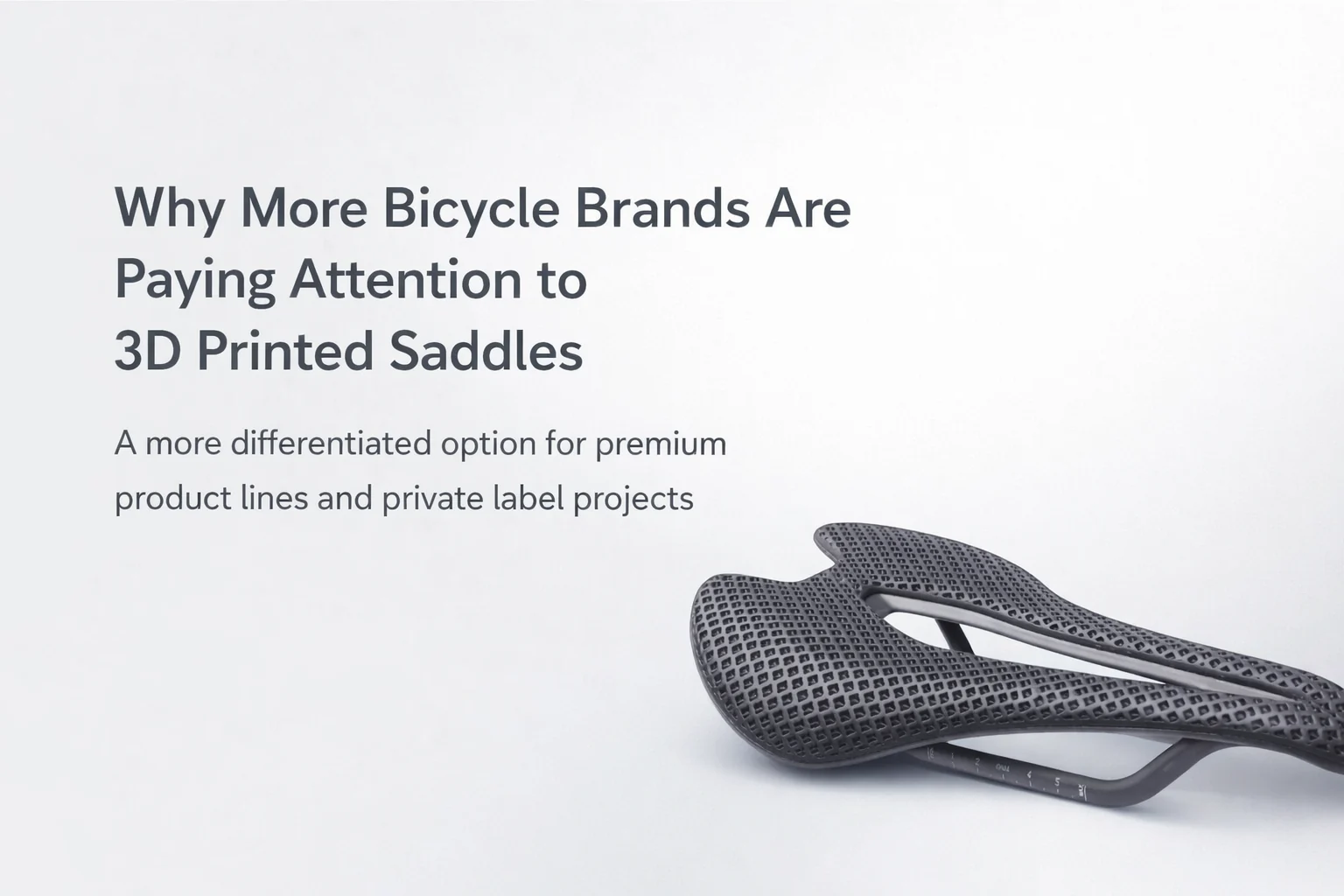
In recent years, 3D printed bicycle saddles have gained more attention from bicycle brands, distributors, and specialty sellers. They are no longer seen only as eye-catching concept products. For many commercial buyers, they are becoming a realistic option for building a more differentiated and premium-looking product line.
The growing interest is not only about appearance. Buyers are also looking at how 3D printed saddles can support product positioning, brand storytelling, and commercial value in competitive markets.
1. A More Distinctive Product Appearance
One reason bicycle brands are paying more attention to 3D printed saddles is simple: they look different.
In a market where many standard saddles appear similar, a 3D printed saddle can create a stronger first impression. The visible structure gives the product a more modern and innovative image, which can help brands stand out both online and in retail presentation.
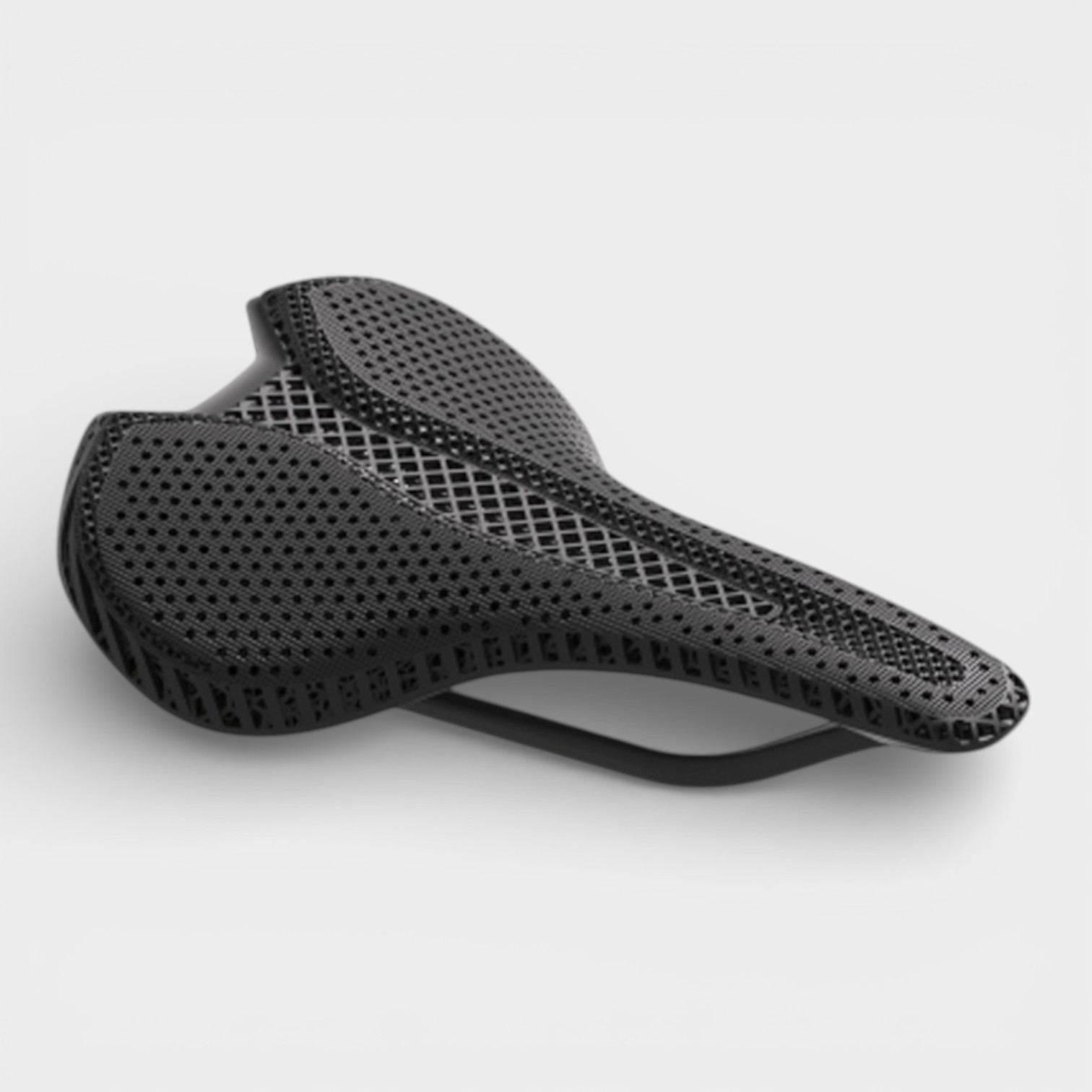 SPROKETO K69 — 3D printed saddle with visible lattice design
For brands trying to avoid a generic product lineup, this kind of visual differentiation can be commercially valuable.
2. Better Support for Premium Positioning
Many buyers are not only looking for a saddle that performs a basic function. They are also thinking about where the product fits in their lineup.
A 3D printed saddle often supports a more premium product image than a standard saddle. This makes it attractive for brands developing mid-to-high-end road, gravel, or performance-oriented product ranges.
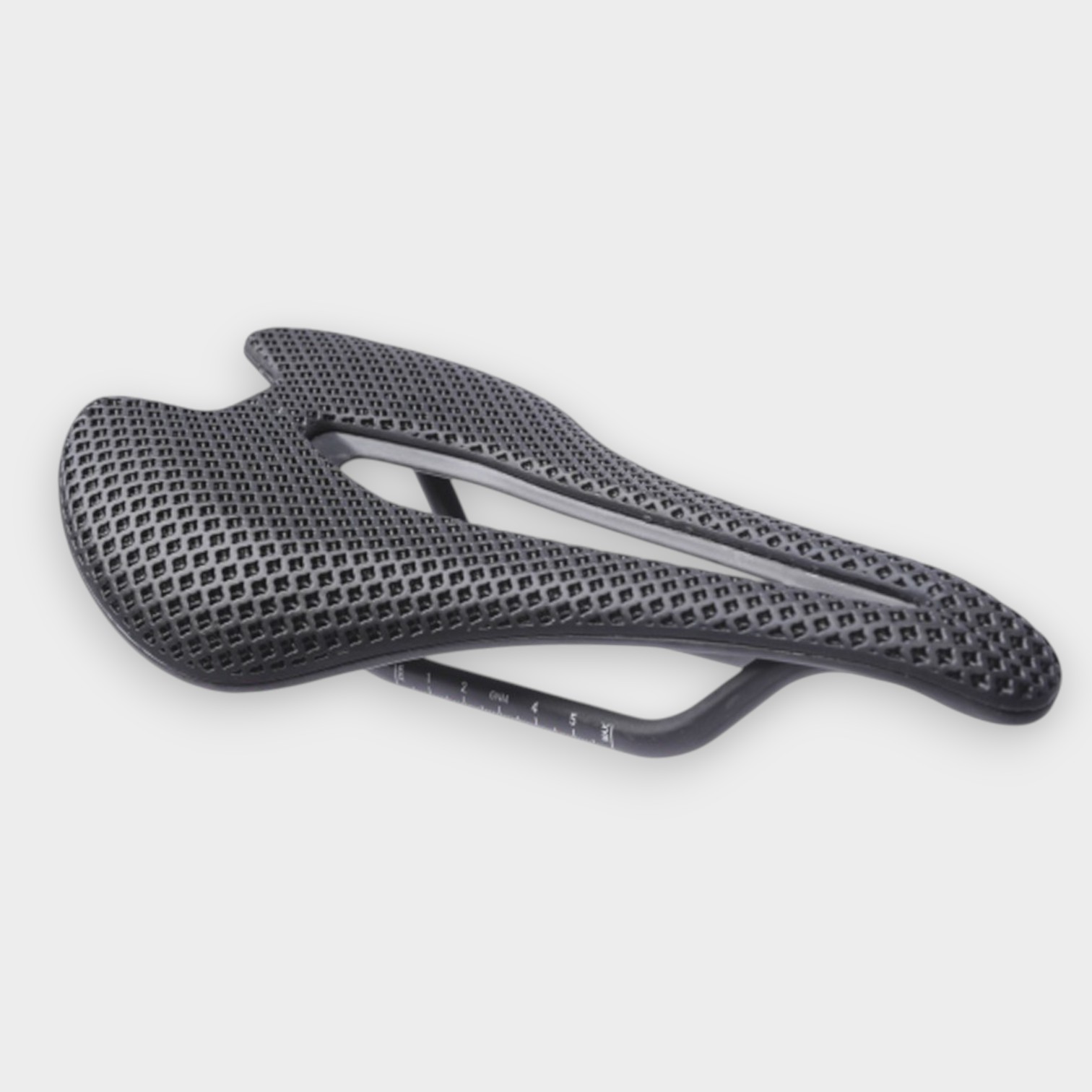 SPROKETO WKL-2401 — ultralight carbon 3D printed saddle at 120g
For distributors and wholesalers, this can also mean a stronger "upgrade option" when expanding beyond entry-level products.
3. Stronger Product Storytelling
Modern bicycle buyers are influenced not only by specifications, but also by product story.
A 3D printed saddle offers more storytelling opportunities than a conventional saddle. Brands can use it to communicate innovation, modern design language, product-line upgrade, or a stronger performance identity.
For private label sellers, this can be especially useful because the product itself already carries a more distinctive visual message.
4. Useful for Product Line Differentiation
Many bicycle brands today face a common challenge: how to make a new product line feel different without changing everything.
3D printed saddles can help solve that problem. They can be introduced as:
- a premium saddle option
- a flagship accessory
- a more innovative alternative to standard models
- a visual upgrade within an existing range
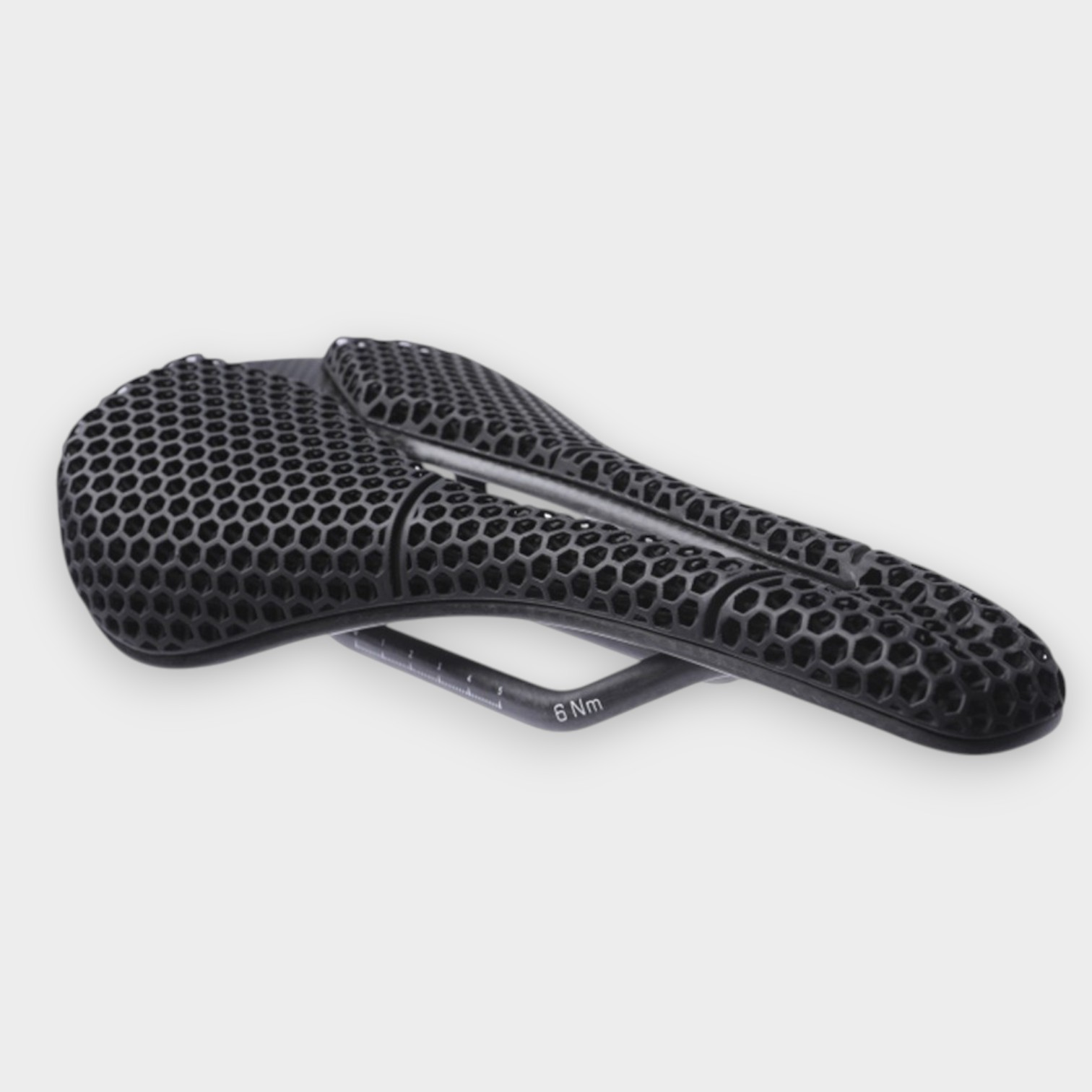
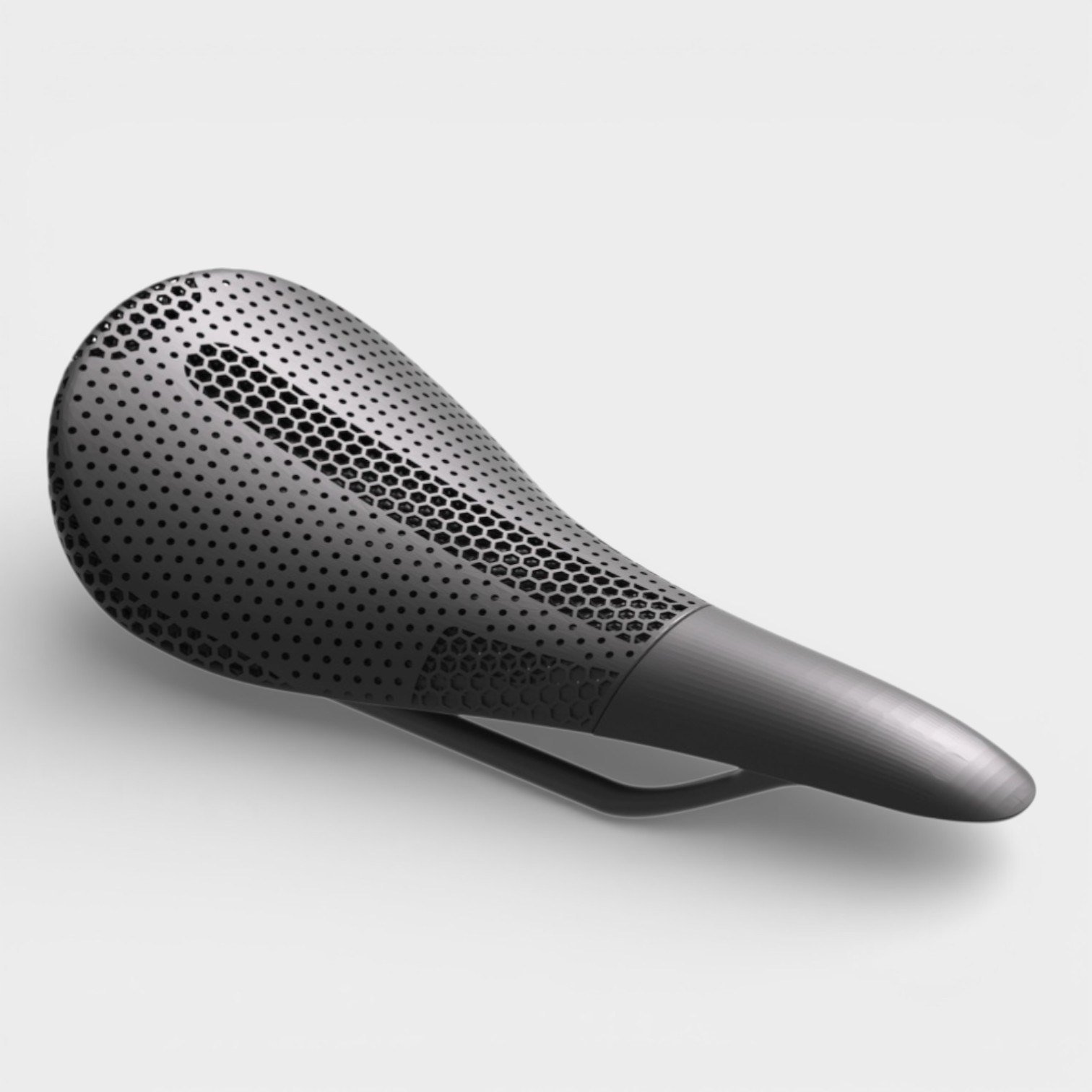
For brands building road, gravel, or urban performance collections, this kind of product differentiation can be easier to communicate than small technical differences that are harder for end users to notice. You can browse the full range of 3D printed saddle models to see how different structures serve different market segments.
5. Attractive for Private Label Development
Another reason commercial buyers are exploring 3D printed saddles is their potential in private label projects.
For brands, distributors, and selected e-commerce sellers, a 3D printed saddle can be a more appealing product to test when they want to build a higher-perceived-value offer. Compared with many standard saddle models, it may create a stronger impression in product listings, sales materials, and customer-facing presentations.
That does not mean every project should start with the most complex option. However, for buyers looking for a more differentiated private label direction, 3D printed saddles are worth evaluating. Many OEM manufacturers now offer private label programs that make this kind of development more accessible.
6. Buyers Still Care About Practical Sourcing Questions
Interest in 3D printed saddles is growing, but commercial buyers are still practical.
Before moving forward, most buyers want to understand:
- whether the saddle fits their target market
- whether the design matches their product positioning
- whether customization is possible
- how MOQ and lead time may vary
- whether the product is suitable for sample evaluation before bulk ordering
This is why a good supplier should not only show product photos and specifications. They should also help buyers evaluate whether a certain model makes sense for their market, channel, and price expectations.
7. Not Just a Trend, but a Commercial Opportunity
For some buyers, 3D printed saddles may begin as a curiosity. But for others, they are becoming a real commercial opportunity.
They can help support:
- better visual differentiation
- stronger premium positioning
- more appealing private label offers
- clearer product-line segmentation
- more modern product presentation
In competitive bicycle accessory markets, these advantages can matter just as much as basic specifications.
Conclusion
More bicycle brands are paying attention to 3D printed saddles because they offer more than a new look. They can support product differentiation, premium positioning, and stronger commercial storytelling.
For brands, distributors, and wholesalers exploring new saddle opportunities, the key question is not only whether a 3D printed saddle looks innovative. The more important question is whether it fits the target market, the price range, and the overall product strategy.
If selected carefully, a 3D printed saddle can become more than just another model in the catalog. It can become a stronger commercial tool for brand growth. Understanding the OEM development process can help buyers evaluate whether this direction fits their business.
For buyers also weighing the price tag, our companion guide on whether 3D printed bicycle saddles are worth the premium walks through the commercial side of the decision, how they hold up over time covers the durability questions most distributors raise before placing a first order, and our 3D printed vs conventional saddles guide for commercial buyers compares both formats side by side for OEM and private label sourcing.
Looking for 3D printed bicycle saddles for your brand or distribution business?
Share your target market, target price range, and product direction. We can recommend suitable models for your project.
Popular OEM platforms