Are 3D Printed Bicycle Saddles Really Worth the Premium? A B2B Buyer Decision Framework
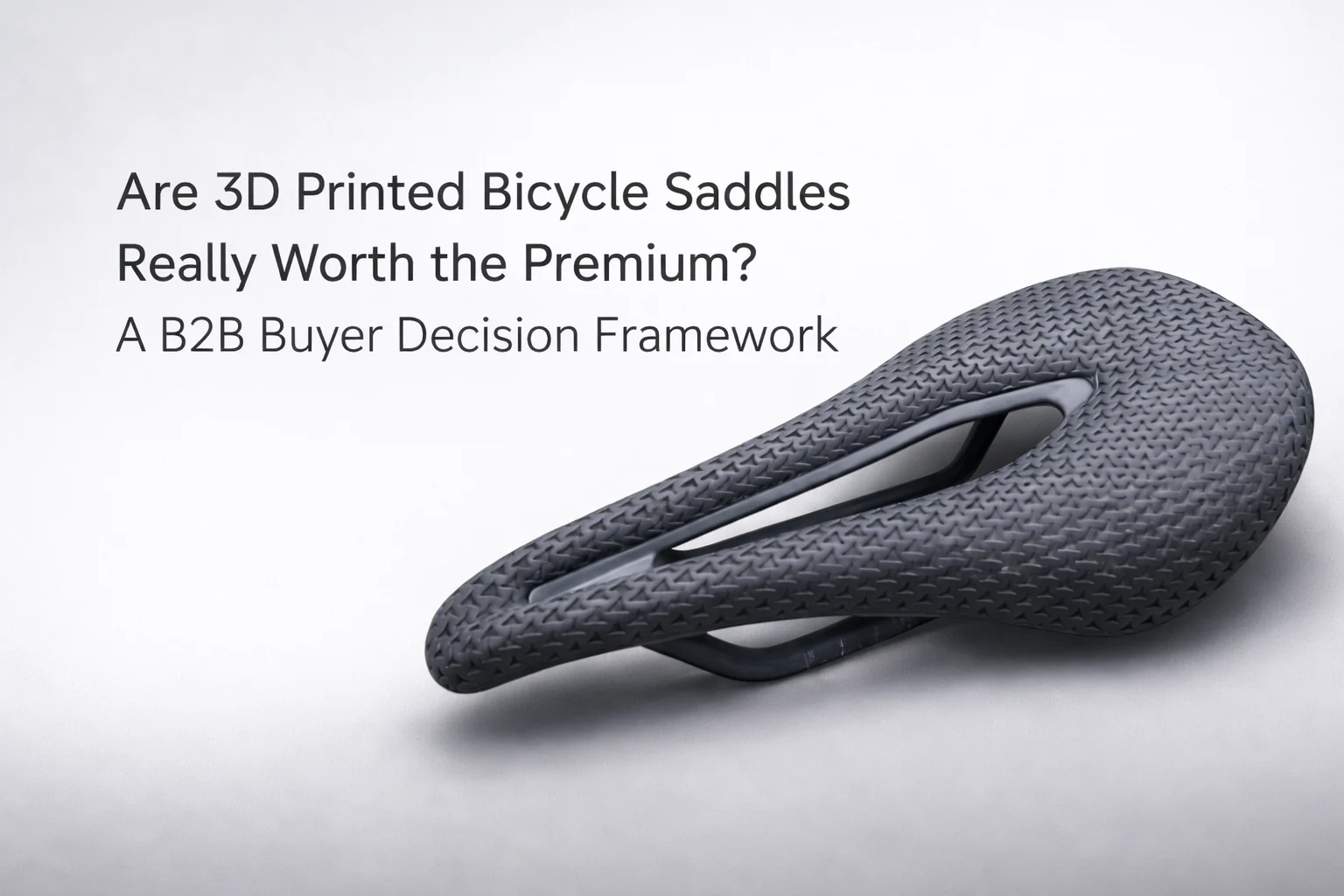
3D printed bicycle saddles are no longer a niche curiosity. Over the past few years, the category has moved firmly into the premium segment, and the conversation around them has become much more practical. The real question is no longer whether they look innovative. The real question is whether the premium makes business sense for the intended product line, rider segment, price architecture, and sales channel.
For commercial buyers, that distinction matters. A 3D printed bike saddle can offer real value, but that value is not automatic. It depends on how well the product fits the market, the rider profile, the channel, and the role it is expected to play in the lineup. This article looks at that decision from a B2B perspective.
1. Why 3D Printed Saddles Cost More
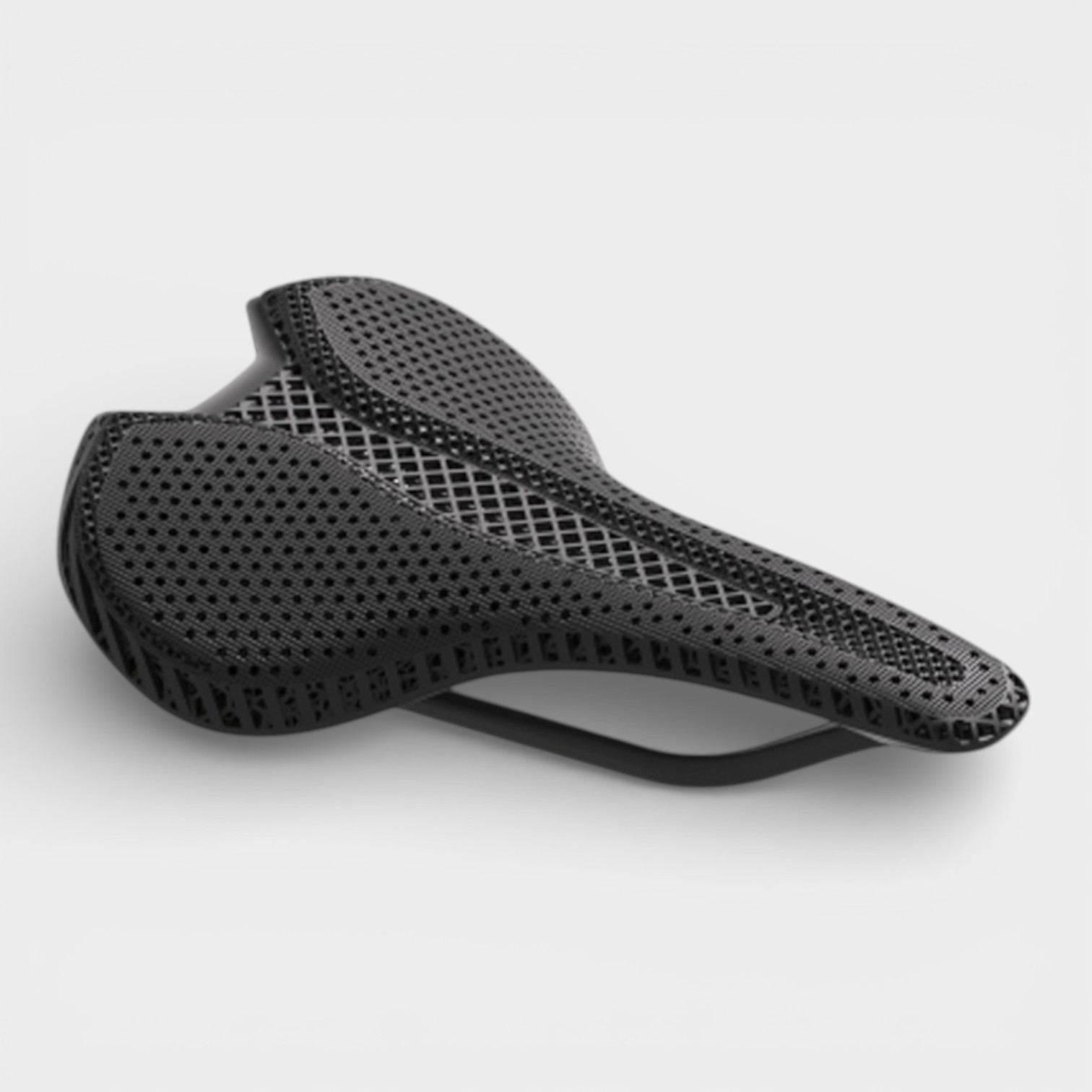
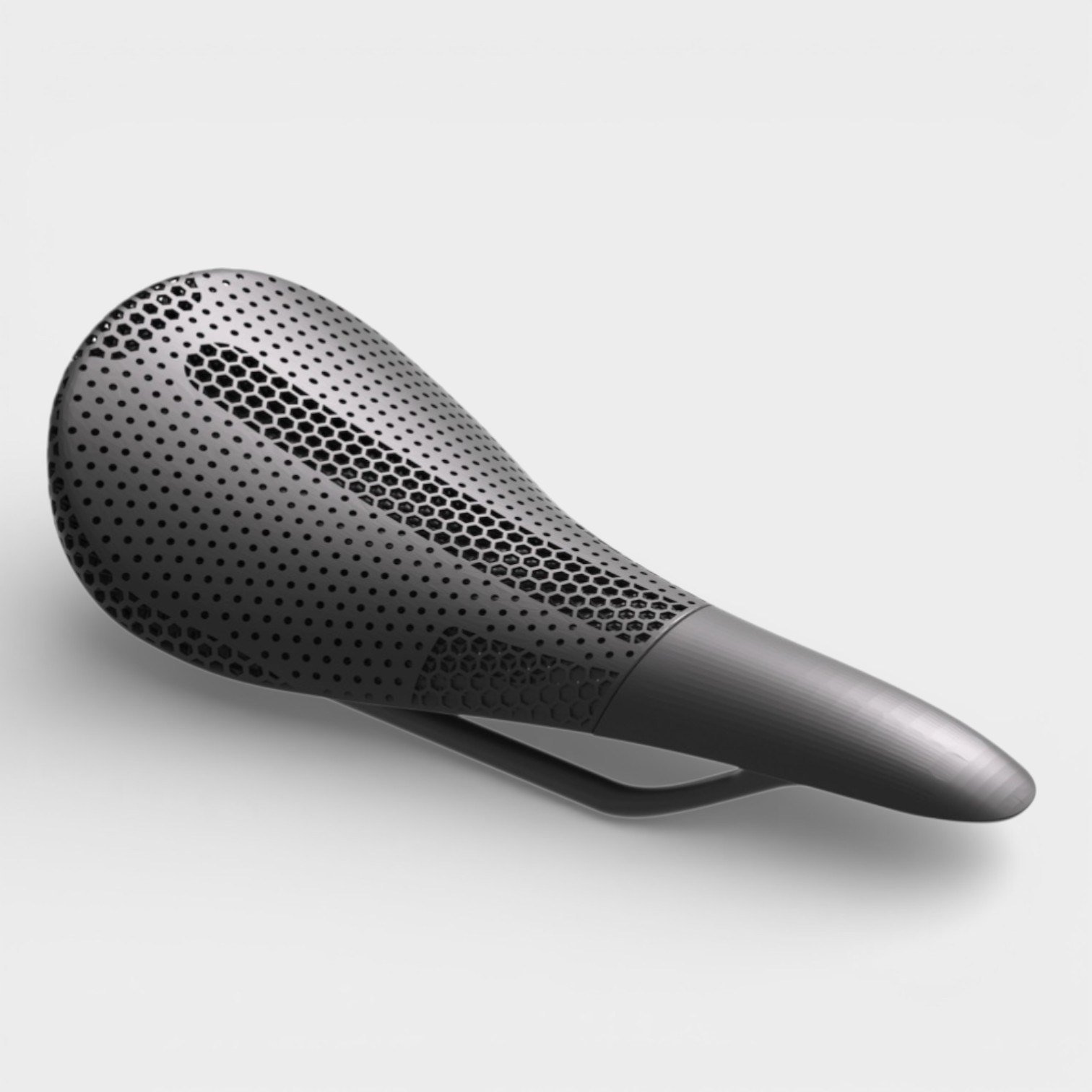
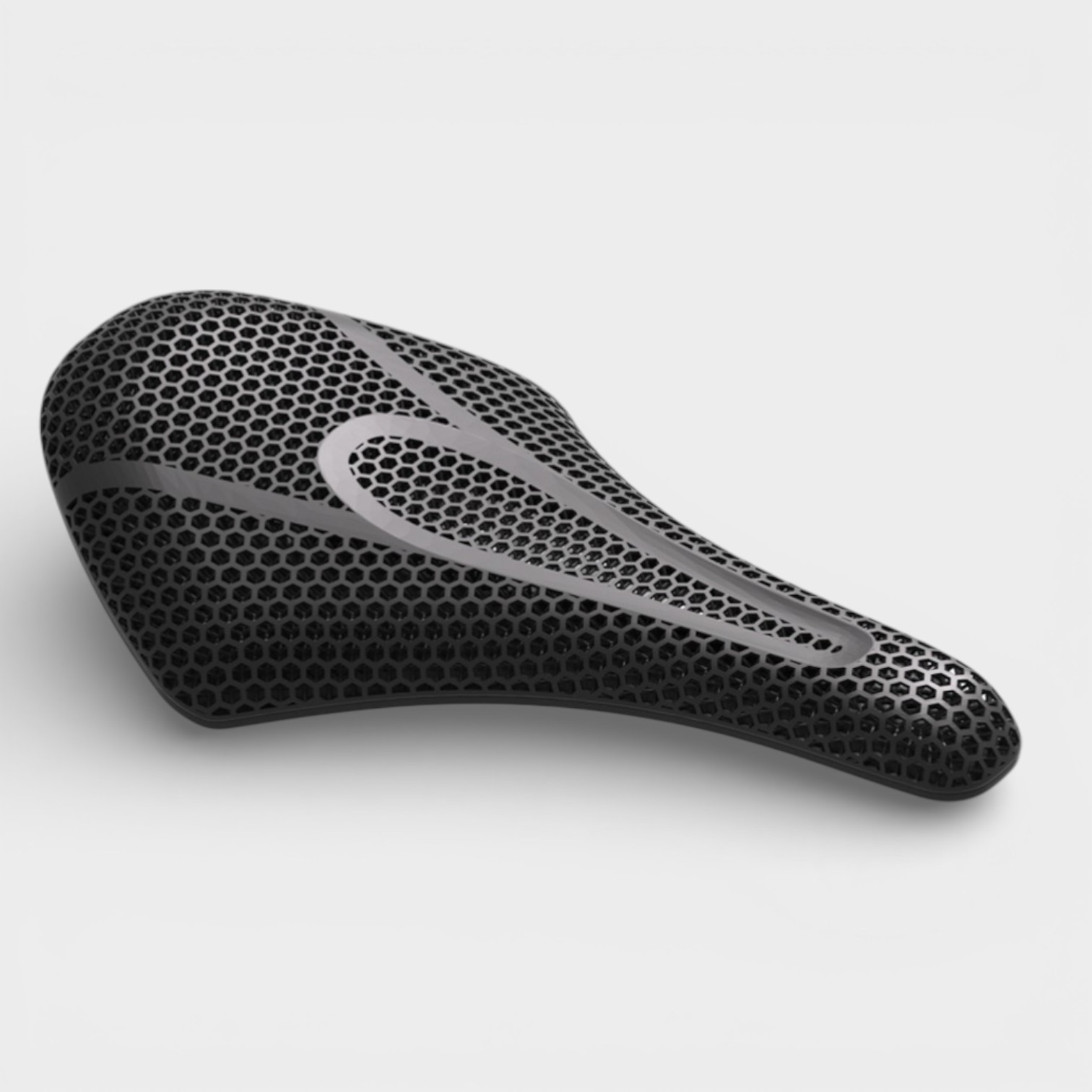
The premium exists for identifiable reasons. 3D printed saddles replace conventional foam with a lattice-based structure intended to tune support and cushioning more precisely across different zones. That is one of the category's main technical selling points.
This added complexity is reflected in market pricing. In most cases, 3D printed saddles are positioned as premium products rather than mainstream replacements for every conventional saddle. From a B2B standpoint, this means the premium has to be justified through more than technology language. It must be recoverable through retail pricing, perceived value, differentiation, or margin structure.
2. Comfort Gains Are Real, but Shape Still Matters More Than Hype
One of the most important facts for buyers is also the least convenient for marketing: 3D printing can improve the padding system, but it does not eliminate the importance of saddle shape.
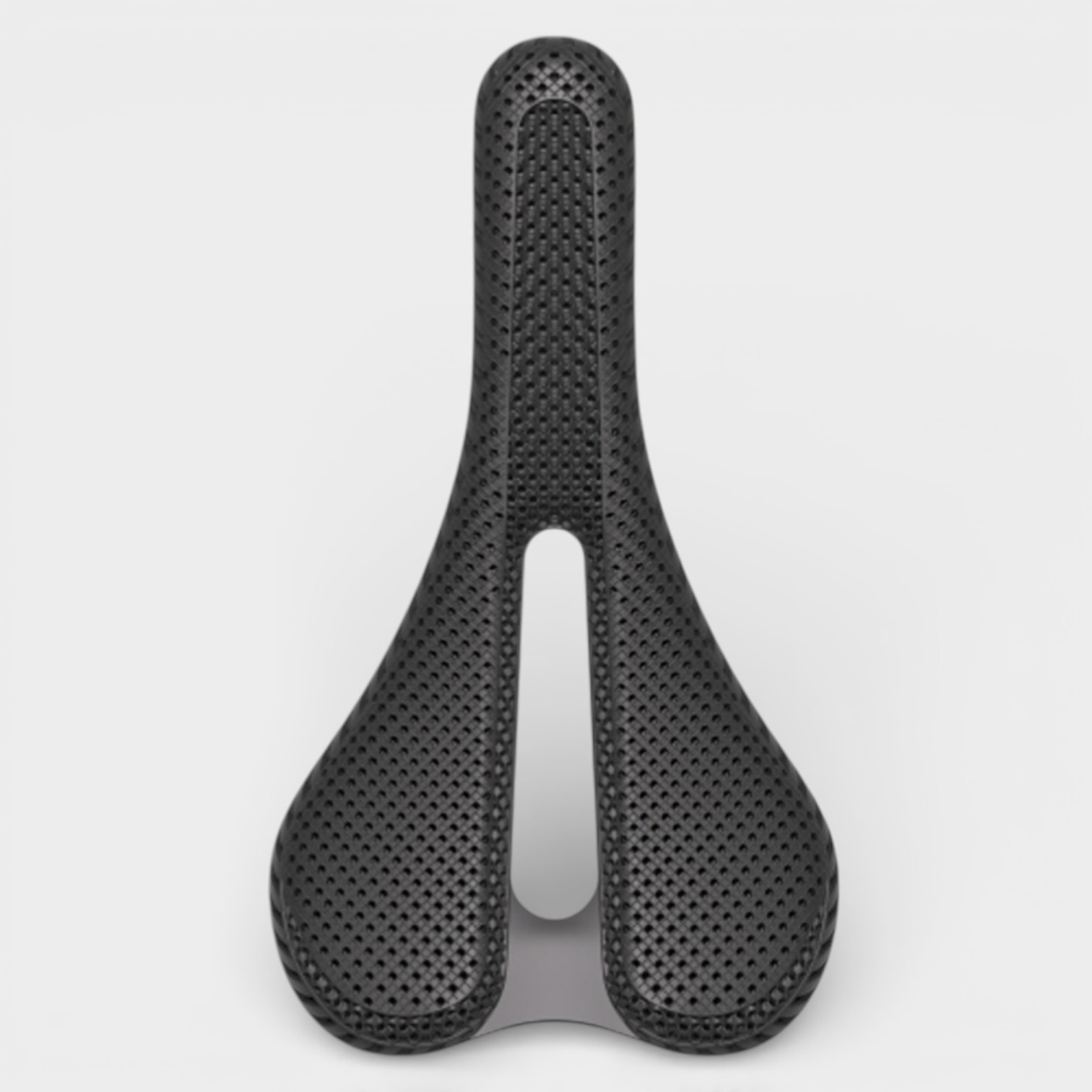
Many riders and reviewers report meaningful comfort benefits from well-designed 3D printed saddles, especially in terms of pressure management, refined cushioning, and long-ride consistency. But comfort is still strongly determined by width, profile, nose shape, cutout, rider position, and bike fit.
For B2B buyers, this changes the evaluation logic. A 3D printed saddle — for example a proven platform like the K69 — is easier to justify when the base shape is already commercially proven for the intended segment. It is harder to justify if the product is relying on "3D printed" as a substitute for fit logic.
3. The Premium Is Often Easier to Justify Commercially Than Purely Technically
This is the key decision insight many buyers miss.
If the question is purely technical, the answer is mixed. Many riders report better pressure management, a softer or more refined feel, and stronger long-ride comfort from good 3D printed saddles. But that does not mean every 3D printed saddle is automatically a breakthrough for every rider.
If the question is commercial, the case is often stronger.
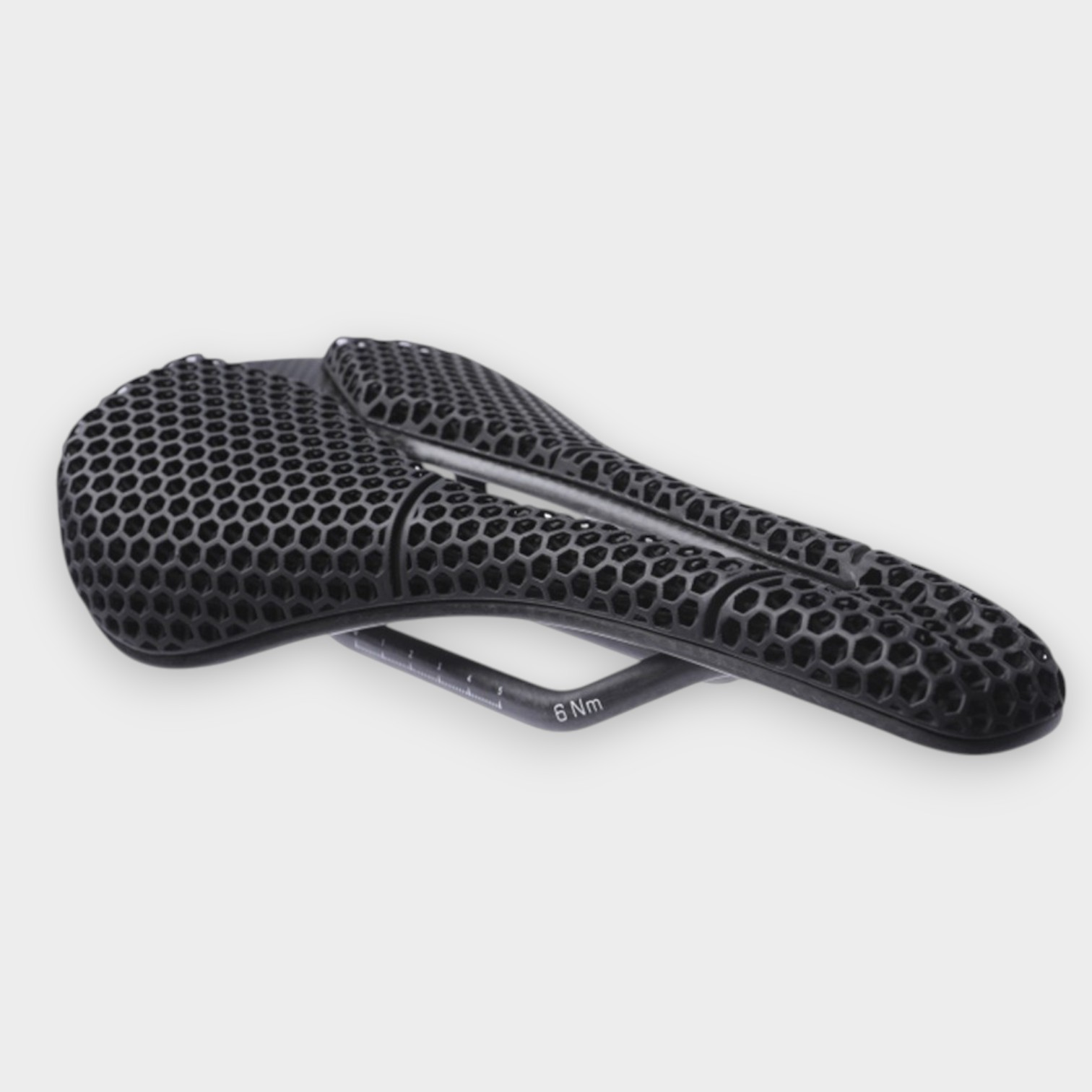
A 3D printed bicycle saddle can create business value in ways that a conventional saddle often cannot match as easily:
- stronger visual differentiation in crowded product listings
- more premium product presentation
- a clearer innovation story for distributors and sales teams
- better support for flagship or hero SKUs
- stronger private label presentation in higher-value channels
This is one reason the category continues to expand despite the price. The premium is not only a comfort argument. It is also a positioning argument.
4. When the Premium Makes Business Sense
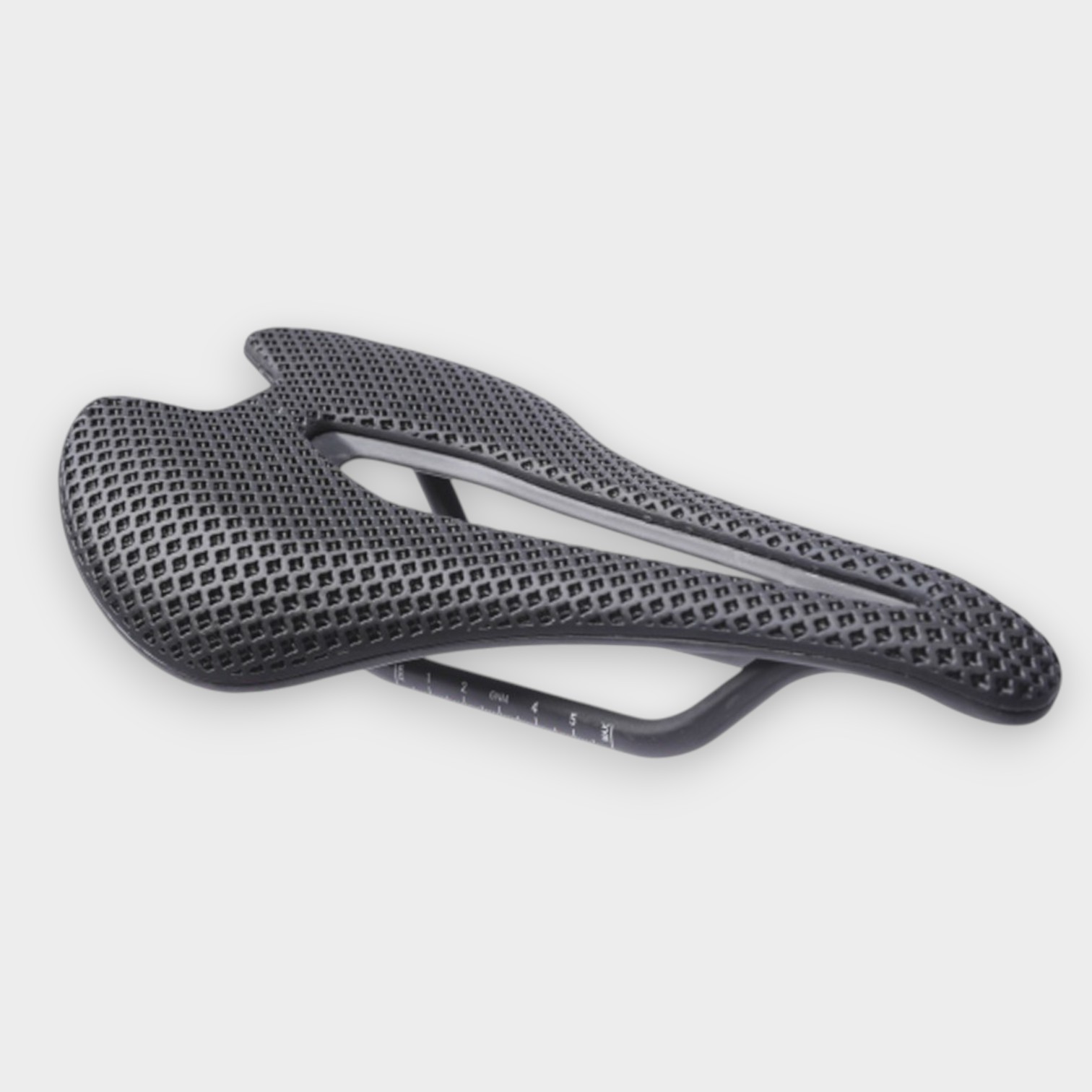
A 3D printed bicycle saddle is more likely to be worth the premium in the following B2B scenarios:
A. Premium Road or Gravel Product Lines
If the saddle is intended as a flagship or premium upgrade SKU, the premium is easier to recover. The visual difference is more obvious, the innovation story is stronger, and the retail price tolerance is usually higher.
B. Private Label Programs Targeting Higher ASP
For private label sellers trying to move above generic accessory pricing, 3D printed saddles can improve perceived value and help listings look more advanced than standard foam products. This does not guarantee success, but it strengthens the commercial story.
C. Specialty Retail or Enthusiast-Focused Distribution
In channels where riders actively compare comfort, technology, and performance positioning, the premium can be easier to defend than in broad value channels.
D. Product-Line Refresh Without Full Reinvention
For brands that want a visible upgrade without redesigning an entire accessory range, a 3D printed saddle can function as a high-visibility differentiator. In these cases, a structured OEM development path helps align shape, branding, and positioning before committing to volume.
These are business-fit cases, not universal truths. The premium works best when the product is expected to carry some strategic weight in the lineup.
5. When the Premium Is Harder to Defend
The premium is usually harder to justify in these conditions:
A. Entry-Level or Highly Price-Sensitive Channels
If the core customer is buying mainly on price, the extra technology may not translate into enough resale value.
B. Product Lines Without a Premium Story
If the brand or seller does not have the channel positioning, product language, or merchandising ability to explain the upgrade, the premium can become dead weight.
C. Cases Where Shape Fit Is Still Unclear
If the target rider segment has not been validated around width, profile, and riding position, paying more for a 3D printed structure may solve the wrong problem.
D. Buyers Expecting a Universal Comfort Miracle
This is the wrong expectation. The category can be excellent, but it is not magic.
This is where many poor sourcing decisions happen. Buyers pay for visible innovation before they have defined the commercial role.
6. Durability, Cleaning, and Long-Term Use Still Matter
A high-quality B2B decision should not ignore ownership questions after the first ride.
Long-term durability and maintenance are now active discussion topics around 3D printed saddles. Riders and buyers increasingly ask about lifespan, cleaning practicality, wear behavior, and long-term consistency.
For commercial buyers, this means supplier evaluation should include:
- expected wear behavior
- cleaning practicality in gravel or all-weather use
- sample-to-bulk consistency
- replacement and after-sales expectations
- whether the premium channel will tolerate uncertainty around long-term lifespan
That does not mean 3D printed saddles are weak. It means the durability conversation is now part of the category, and serious buyers should treat it as such.
7. A Practical B2B Decision Framework
Before paying the premium, brands and distributors should answer five questions.
1) What price band is this SKU meant to occupy?
If the end retail position is entry-level, the premium may be difficult to recover.
2) What role will the saddle play in the product line?
A hero SKU, premium upgrade model, or innovation-led launch can justify the premium more easily than a volume core SKU.
3) Is the shape already right for the target rider segment?
Do not use 3D printing as a substitute for fit logic.
4) Does the channel reward visible innovation?
Specialty retail, enthusiast channels, and premium e-commerce often reward visible product differentiation more than value-driven wholesale channels.
5) Can the premium be explained clearly to the buyer?
If your sales team cannot explain why this saddle is worth more in one or two sentences, the premium may be commercially fragile. When the framework above lines up, the next step is usually to start a project with a clear brief on segment, channel, and target price band.
8. So, Are 3D Printed Bicycle Saddles Really Worth the Premium?
Yes, often — but only under the right conditions.
They are most worth the premium when three elements align:
- the saddle shape fits the intended rider segment
- the channel can support a premium or upgrade story
- the product plays a meaningful strategic role in the lineup
They are less worth the premium when buyers expect the technology alone to solve fit, positioning, or pricing problems.
That is the real B2B answer. The value of a 3D printed bicycle saddle is not only in the material or the comfort claim. It is in the combination of fit, commercial role, channel logic, and perceived differentiation.
Conclusion
A 3D printed bicycle saddle is not automatically worth the premium for every product line. But it can be highly worthwhile for brands, distributors, and private label sellers who need stronger differentiation, more premium presentation, and a product that supports a higher-value story.
The smartest buying question is not:
"Is 3D printed always better?"
It is:
"In which channel, for which rider segment, and in which role does the premium create real commercial value?"
That is the question serious B2B buyers should answer before paying more.
For a deeper look at the adjacent decisions, see do 3D printed bicycle saddles hold up over time for long-term durability and supplier-evaluation criteria, why bicycle brands are paying more attention to 3D printed saddles for the positioning and product-line context behind the category's growth, and the 3D printed vs conventional saddles comparison for commercial buyers for a full side-by-side sourcing view.
Looking for a 3D printed bicycle saddle that actually fits your market and price architecture?
Share your target market, target price range, and intended channel. We can recommend suitable models for premium lines, private label programs, or distribution projects.
Frequently shortlisted models